
Itching after coloring your hair is more than just a minor annoyance—it can signal an underlying reaction to ingredients in the dye or improper application techniques. While some mild discomfort may be expected during or immediately after coloring, persistent or severe itching should not be ignored. Understanding the root causes of post-coloring scalp irritation empowers you to make safer choices, treat symptoms effectively, and enjoy vibrant color without compromising scalp health.
Common Causes of Scalp Itching After Hair Coloring
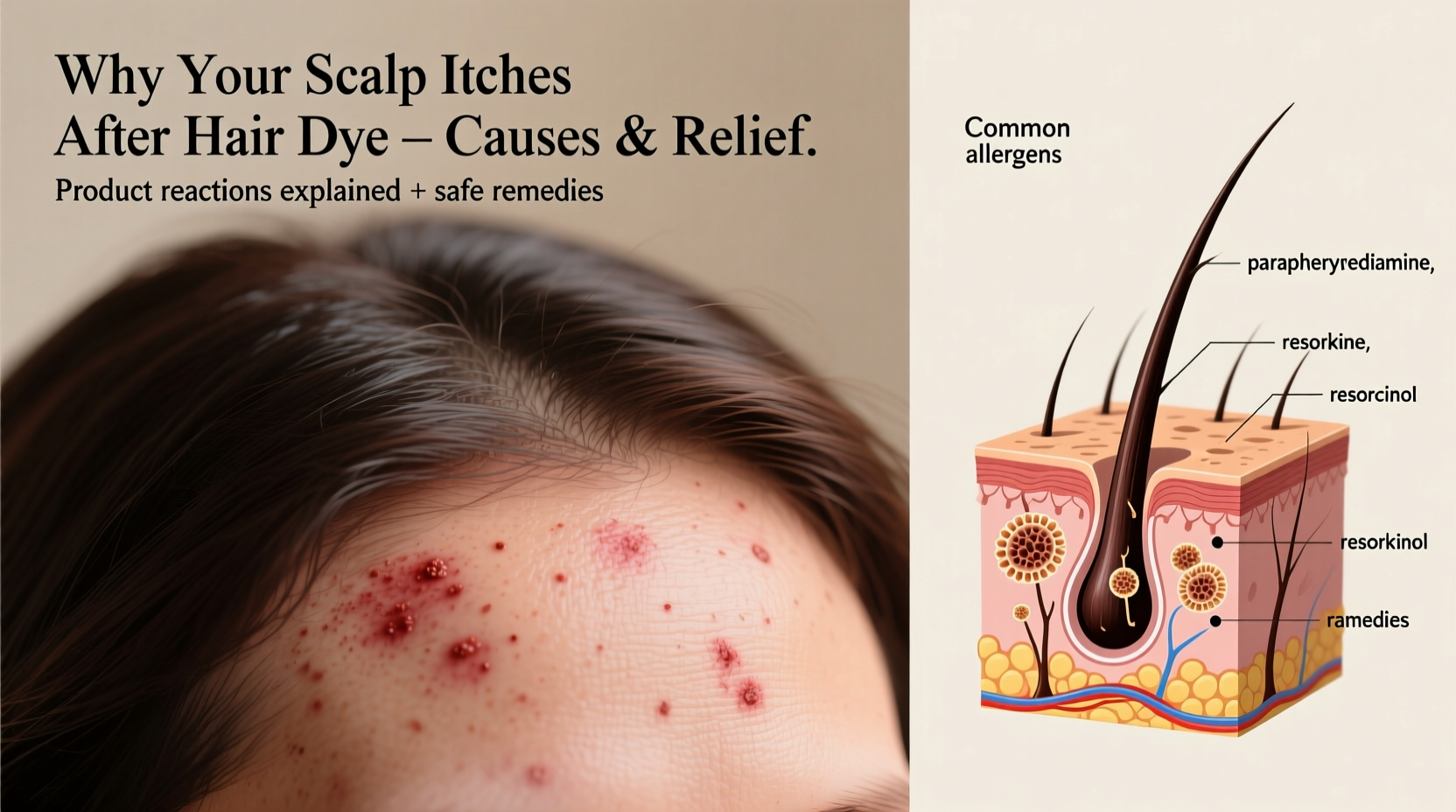
Scalp itching following a hair coloring session typically results from chemical exposure, allergic reactions, or pre-existing scalp conditions exacerbated by the process. The most frequent culprits include:
- Ammonia and alkaline agents: These open the hair cuticle to allow dye penetration but can disrupt the scalp’s natural pH balance, leading to dryness and irritation.
- P-Phenylenediamine (PPD): A key ingredient in permanent dyes, PPD is one of the most common allergens in hair color products. Sensitivity ranges from mild redness to blistering and intense itching.
- Peroxide (hydrogen peroxide): Used as a developer, it bleaches natural pigment and can strip moisture from the scalp, especially with prolonged contact.
- Sulfates and alcohols: Found in many shampoos used post-coloring, these can further irritate a sensitized scalp.
- Application too close to the scalp: Direct contact with roots increases exposure to harsh chemicals, particularly if skin has micro-abrasions from scratching or exfoliation.
In addition to chemical factors, environmental elements like heat from blow dryers or tight hairstyles post-coloring can worsen inflammation and delay healing.
Identifying Allergic Reactions vs. Irritation
Distinguishing between simple irritation and a true allergic reaction is critical for proper treatment. Irritation usually appears shortly after application and subsides within a day or two. Symptoms include mild stinging, temporary redness, and light flaking.
An allergic reaction, however, involves the immune system and may escalate over time. Signs include:
- Intense itching that spreads beyond the scalp
- Burning or tingling sensations
- Swelling of the forehead, ears, or neck
- Hives or raised welts
- Blisters or oozing sores in severe cases
“Even patients with years of safe dye use can develop sudden allergies to PPD. We see delayed hypersensitivity emerge unexpectedly—patch testing isn’t optional; it’s essential.” — Dr. Lena Torres, Board-Certified Dermatologist
When to Seek Medical Help
If symptoms persist beyond 72 hours, worsen, or involve swelling near the eyes or difficulty breathing, seek medical attention immediately. Contact dermatitis from hair dye can progress to systemic reactions in rare cases. A dermatologist may prescribe topical corticosteroids or oral antihistamines depending on severity.
Effective Remedies to Soothe an Itchy Scalp
Immediate action can reduce discomfort and support recovery. Below are clinically supported and widely recommended approaches:
1. Rinse Thoroughly and Gently
After coloring, wash your hair with lukewarm water for at least five minutes to ensure all residual dye is removed. Avoid hot water, which increases blood flow and can intensify itching.
2. Use a Soothing Post-Color Shampoo
Opt for sulfate-free, fragrance-free formulas containing calming ingredients such as:
- Aloe vera (anti-inflammatory)
- Oat extract (relieves itching)
- Chamomile (natural antiseptic)
- Panthenol (pro-vitamin B5 for hydration)
3. Apply Cold Compresses
Wrap ice in a clean cloth and apply to itchy areas for 10–15 minutes. This constricts blood vessels, reducing inflammation and numbing nerve endings responsible for itch signals.
4. Try Natural Oils with Caution
Coconut oil, jojoba oil, or diluted tea tree oil can moisturize and calm the scalp—but only if no open wounds or active rashes are present. Tea tree oil must be diluted to 5% or less to avoid further irritation.
5. Over-the-Counter Treatments
Hydrocortisone cream (1%) applied thinly to affected areas can relieve itching within hours. Antihistamines like cetirizine (Zyrtec) or loratadine (Claritin) help control allergic responses internally.
Preventive Measures Before Your Next Color Session
Prevention is the best long-term strategy. Incorporate these steps into your routine before coloring:
- Always patch test: Apply a small amount of mixed dye behind your ear or on the inner forearm. Wait 48 hours. If redness, swelling, or itching occurs, do not proceed.
- Choose ammonia-free or plant-based dyes: Henna, indigo, or semi-permanent vegetable dyes reduce chemical load but require research—some “natural” dyes still contain PPD derivatives.
- Extend partings: When applying dye yourself, leave at least a half-inch gap between the scalp and where dye starts. Let heat from your head carry the color upward gradually.
- Use protective barriers: Apply petroleum jelly or a thick conditioner along the hairline, ears, and neck to create a shield against runoff.
- Limit frequency: Space out color treatments by at least 6–8 weeks to give your scalp time to recover.
| Product Type | Allergen Risk | Scalp-Friendly Alternatives |
|---|---|---|
| Permanent Dye (with PPD & ammonia) | High | PPD-free permanent dyes (e.g., Goldwell Color Chic), low-ammonia options |
| Semi-Permanent Dye | Moderate | Fragrance-free brands (e.g., Manic Panic Virgin Snow) |
| Vegetable-Based Dyes (henna) | Low (if pure) | Ensure no metallic salts or added PPD; check ingredient lists carefully |
| Highlighting Foils | Moderate to High | Balayage or cap highlighting to minimize scalp contact |
Mini Case Study: Recovering from Severe Post-Color Reaction
Sophie, a 34-year-old graphic designer, had colored her hair every six weeks for over a decade without issue. After switching to a new box dye brand to cover grays, she experienced immediate burning and escalating itching within hours. By day two, her scalp developed red patches and began flaking heavily. She avoided treatment initially, assuming it would resolve on its own.
By day four, the itching spread to her temples and neck. Concerned, she visited a dermatologist who diagnosed allergic contact dermatitis due to PPD sensitivity. Sophie was prescribed a short course of oral prednisone and advised to discontinue all oxidative dyes.
She transitioned to a certified PPD-free demi-permanent color and now performs patch tests religiously. Her scalp fully healed within three weeks, and she reports no recurrence in over a year. Her experience underscores how quickly tolerance can change—and why vigilance matters even with long-standing routines.
Step-by-Step Guide: How to Perform a Safe Patch Test at Home
This simple procedure takes under five minutes but could prevent a serious reaction.
- Gather a small amount of the unmixed developer and dye from your kit.
- Mix a pea-sized portion according to instructions (even if not yet ready for full application).
- Clean the area behind your ear or inner forearm with soap and water; let dry.
- Apply the mixed dye using a cotton swab in a thin layer.
- Allow it to dry and remain uncovered for 48 hours. Do not shower, sweat excessively, or cover the area with bandages.
- Check the site after 24 and 48 hours. Any sign of redness, bumpiness, swelling, or itching means you should not use the product.
- If negative, proceed cautiously—but still protect your scalp during application.
“The absence of a reaction history doesn’t guarantee safety. Immune responses can develop at any age.” — American Academy of Dermatology
Frequently Asked Questions
Can I still color my hair if I’m sensitive to PPD?
Yes, but only with caution. Look for PPD-free formulations labeled as hypoallergenic. Brands like Herbatint and EcoColors offer alternatives, though they may not last as long or cover gray as completely. Always patch test first—even “safe” substitutes can trigger reactions.
How long should itching last after hair coloring?
Mild itching should resolve within 24–48 hours. If it persists beyond three days or worsens, it likely indicates an allergic reaction or chemical burn. Discontinue use and consult a healthcare provider.
Is there a way to reverse damage done by hair dye to the scalp?
The scalp regenerates quickly when protected. Stop using irritating products, cleanse gently, and apply soothing topicals like aloe or hydrocortisone temporarily. In most cases, full recovery occurs within one to three weeks with proper care.
Conclusion: Protect Your Scalp, Preserve Your Color
An itchy scalp after hair coloring doesn’t have to be inevitable. With growing awareness of ingredient sensitivities and better product transparency, you can achieve beautiful color while prioritizing scalp wellness. From patch testing to choosing gentler formulas and responding promptly to irritation, small changes make a lasting difference.




 浙公网安备
33010002000092号
浙公网安备
33010002000092号 浙B2-20120091-4
Comments
No comments yet. Why don't you start the discussion?