
Hair coloring can be transformative—adding depth, dimension, or a bold new look. But when that vibrant result comes with an itchy, irritated scalp, the excitement quickly fades. Scalp itching after hair dye is more common than many realize, affecting people across all hair types and skin sensitivities. While occasional discomfort might seem minor, persistent itching can signal underlying issues ranging from mild sensitivity to allergic reactions. Understanding the causes and knowing how to respond safely makes all the difference in maintaining both hair health and comfort.
The good news: most post-coloring scalp irritation can be managed effectively with the right knowledge and care. From identifying key irritants in dyes to adopting gentle recovery routines, this guide explores science-backed solutions and expert-recommended strategies to calm your scalp—and keep your color looking great.
What Causes Scalp Itching After Hair Coloring?
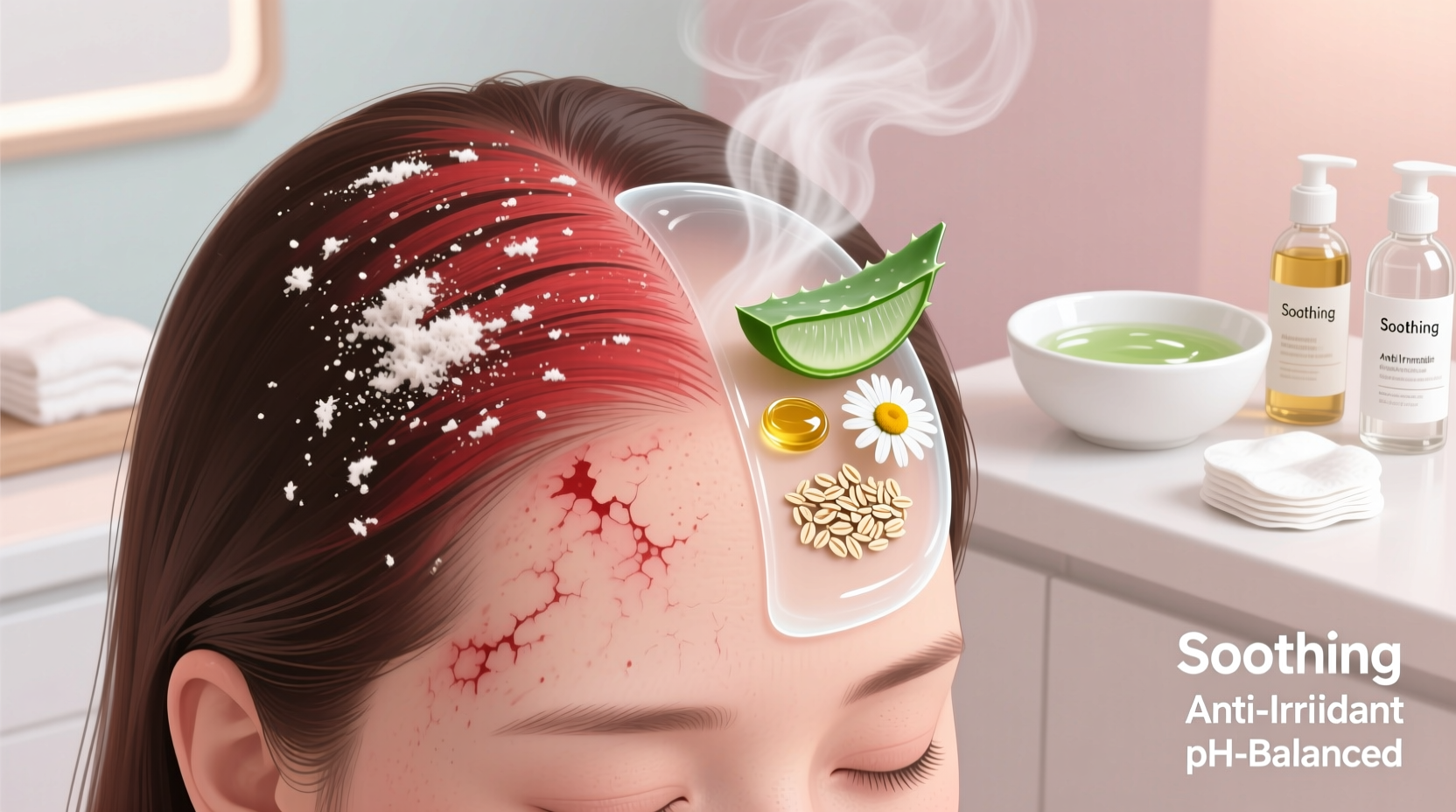
Itching typically occurs when the scalp reacts to chemical components in hair dye. The most frequent culprit is paraphenylenediamine (PPD), a common ingredient in permanent dyes used to achieve long-lasting color. PPD helps pigments bind to hair shafts but can trigger contact dermatitis in sensitive individuals. Even semi-permanent and demi-permanent dyes may contain other sensitizing agents like resorcinol, ammonia, or peroxide.
Beyond direct allergens, several contributing factors increase the likelihood of irritation:
- Compromised skin barrier: A damaged or dry scalp is less resilient to chemical exposure.
- Overlapping applications: Reapplying dye to previously colored roots increases chemical buildup near the scalp.
- Prolonged processing time: Leaving dye on longer than recommended intensifies exposure.
- Mechanical irritation: Scratching during application or using harsh tools can create micro-tears, allowing chemicals to penetrate deeper.
In some cases, what feels like itching could actually be early signs of an allergic reaction. Symptoms such as redness, swelling, blistering, or oozing require immediate attention. Delayed reactions—appearing hours or even days after coloring—are not uncommon and should never be ignored.
“Even if you've used the same dye for years, your body can develop a sensitivity over time. Patch testing before every application isn’t just for first-timers—it’s essential maintenance.” — Dr. Lena Patel, Dermatologist & Cosmetic Chemist
Immediate Steps to Soothe an Itchy Scalp
If you’re already experiencing discomfort, quick action can minimize inflammation and prevent worsening symptoms. Begin by thoroughly rinsing the scalp to remove residual dye. Use lukewarm water and a gentle shampoo free of sulfates and fragrances. Avoid scrubbing; instead, use soft fingertip motions to cleanse without aggravating the skin.
After rinsing, focus on calming the area. Cool compresses applied for 5–10 minutes can reduce heat and swelling. Wrap ice cubes in a clean cloth or use a dampened washcloth chilled in the refrigerator. Do not apply ice directly to the skin.
Avoid styling products, heat tools, and tight hairstyles until symptoms subside. These add stress to an already compromised scalp. Similarly, resist scratching—even light picking can lead to infection or scarring alopecia in severe cases.
Natural Remedies That Work
Certain plant-based ingredients have proven anti-inflammatory and moisturizing properties ideal for irritated scalps:
- Aloe vera gel: Pure aloe soothes burning and accelerates healing. Apply directly to affected areas and leave on for 20 minutes before rinsing.
- Coconut oil: Its lauric acid content has antimicrobial benefits. Use sparingly—too much can clog follicles.
- Oatmeal paste: Colloidal oatmeal reduces itching and protects the skin barrier. Mix finely ground oats with water and apply like a mask.
- Green tea rinse: Brew cooled green tea and pour over the scalp. Rich in polyphenols, it helps neutralize oxidative stress caused by chemicals.
While natural doesn't always mean safer, these options are generally well-tolerated when used correctly. Always patch test a small amount behind the ear before full application.
When to See a Doctor
Mild itching that resolves within a day or two usually doesn’t require medical intervention. However, certain warning signs indicate a need for professional evaluation:
- Intense redness spreading beyond the hairline
- Blisters, open sores, or crusting
- Swelling of the face, neck, or eyelids
- Dizziness, difficulty breathing, or hives
These could signal a systemic allergic reaction requiring prompt treatment. In such cases, antihistamines or corticosteroids may be prescribed. If diagnosed with PPD allergy, future avoidance is critical—even trace amounts in dark fabrics or temporary tattoos can provoke reactions.
For recurring but milder irritation, consider consulting a dermatologist for patch testing. This diagnostic tool identifies specific allergens so you can make informed product choices moving forward.
Prevention Checklist: How to Color Safely
Proactive measures significantly reduce the risk of post-color itching. Follow this checklist before your next dye session:
- Perform a patch test 48 hours before each application, even with familiar brands.
- Choose ammonia-free or low-PPD formulations if sensitivity is known.
- Apply a thin layer of petroleum jelly along the hairline and behind ears to create a protective barrier.
- Use gloves and avoid touching your scalp during application.
- Follow processing times exactly—don’t “set a timer and forget.”
- Rinse thoroughly until water runs clear.
- Condition immediately after coloring to restore moisture balance.
- Wait at least 72 hours before washing hair again to allow cuticles to seal.
Choosing the Right Dye: A Comparison Guide
Not all hair dyes are created equal. Understanding the differences helps you select formulas less likely to irritate.
| Type | Key Ingredients | Irritation Risk | Best For |
|---|---|---|---|
| Permanent | PPD, ammonia, peroxide | High | Full gray coverage, dramatic color change |
| Demi-permanent | Lower PPD, no ammonia, low peroxide | Moderate | Subtle changes, root touch-ups |
| Semi-permanent | No PPD or ammonia, pigment-only | Low | Toners, glosses, temporary color |
| Vegetable-based (e.g., henna) | Plant pigments, essential oils | Very low (unless adulterated) | Natural-looking tints, sensitive scalps |
Note: Be cautious with \"natural\" claims. Some herbal dyes are mixed with synthetic additives to enhance performance, increasing allergen risk. Always read labels carefully and verify ingredient transparency.
Real-Life Example: Recovering from Recurring Irritation
Sarah, a 34-year-old teacher, had colored her hair every six weeks for over a decade without issue. Then, after switching to a new brand offering “longer-lasting shine,” she began experiencing intense itching within hours of application. Over time, the irritation worsened—her scalp became flaky, tender, and occasionally bled from scratching.
She visited a dermatologist who performed patch testing and discovered a developing allergy to PPD. Though she’d tolerated it for years, repeated exposure had sensitized her immune system. Sarah was advised to discontinue all permanent dyes and switch to a certified PPD-free demi-permanent formula. She also started pre-treating her scalp with a ceramide-rich serum before coloring and switched to fragrance-free shampoos.
Within three months, her scalp healed completely. Today, she maintains her chestnut brown hue with bi-monthly salon visits using a mineral-based color line designed for sensitive skin. Her experience underscores a crucial point: tolerance can change, and listening to your body is non-negotiable.
Step-by-Step Recovery Routine for Post-Color Itch
If your scalp is currently irritated, follow this five-day plan to promote healing:
- Day 1: Rinse thoroughly with cool water and sulfate-free shampoo. Apply aloe vera gel to itchy zones. Avoid styling tools.
- Day 2: Use a colloidal oatmeal shampoo (like those formulated for eczema). Follow with a lightweight, hypoallergenic conditioner only on ends.
- Day 3: Apply a diluted apple cider vinegar rinse (1 part ACV to 3 parts water) to restore pH balance. Leave on for 5 minutes, then rinse.
- Day 4: Massage in a few drops of chamomile-infused oil. Let sit for 20 minutes before washing out.
- Day 5: Assess improvement. If itching persists, repeat soothing treatments. Consider pausing further chemical services.
This routine prioritizes gentle cleansing, hydration, and pH restoration—key pillars of scalp recovery. Resume normal washing frequency only once symptoms resolve.
Frequently Asked Questions
Can I be allergic to hair dye even if I’ve used it before?
Yes. Allergies can develop after repeated exposure. Your immune system may begin recognizing ingredients like PPD as threats over time, even if prior uses were uneventful. This is why patch testing before every application—not just the first—is strongly recommended.
Are “black henna” tattoos safe if I’m sensitive to hair dye?
No. Black henna often contains high concentrations of PPD to achieve a dark stain. Applying it to skin can trigger severe allergic reactions, especially in individuals already sensitized through hair dye use. Opt for natural henna (reddish-brown) instead, which is PPD-free.
Is there a way to cover gray hair without risking irritation?
Yes. Consider mineral-based or plant-derived alternatives such as pure henna, indigo, or PPD-free demi-permanent dyes. These offer subtle coverage with lower chemical burden. For full gray concealment without high-risk ingredients, consult a color specialist trained in sensitive scalp protocols.
Final Thoughts: Protect Your Scalp Like You Protect Your Color
Your scalp is living skin—just as deserving of care as your face or hands. Treating it with respect doesn’t mean giving up color; it means making smarter, more informed choices. Whether you're refreshing roots at home or visiting a salon, prioritize safety alongside aesthetics.
Start today: review your current dye’s ingredient list, schedule a patch test before your next application, and integrate one soothing remedy into your post-color routine. Small changes compound into lasting results—healthier skin, stronger hair, and confidence that goes beyond appearance.




 浙公网安备
33010002000092号
浙公网安备
33010002000092号 浙B2-20120091-4
Comments
No comments yet. Why don't you start the discussion?