
Itching after hair dye is a common experience, but that doesn’t mean it’s harmless. While mild irritation may fade within hours, persistent or severe itching could signal an allergic reaction or chemical sensitivity. Understanding the root causes—ranging from ingredient exposure to improper application—can help you protect your scalp and make informed decisions about future color treatments. This guide explores the science behind post-dye itching, identifies risk factors, and outlines when discomfort crosses the line into danger.
What Causes Scalp Itching After Hair Dye?
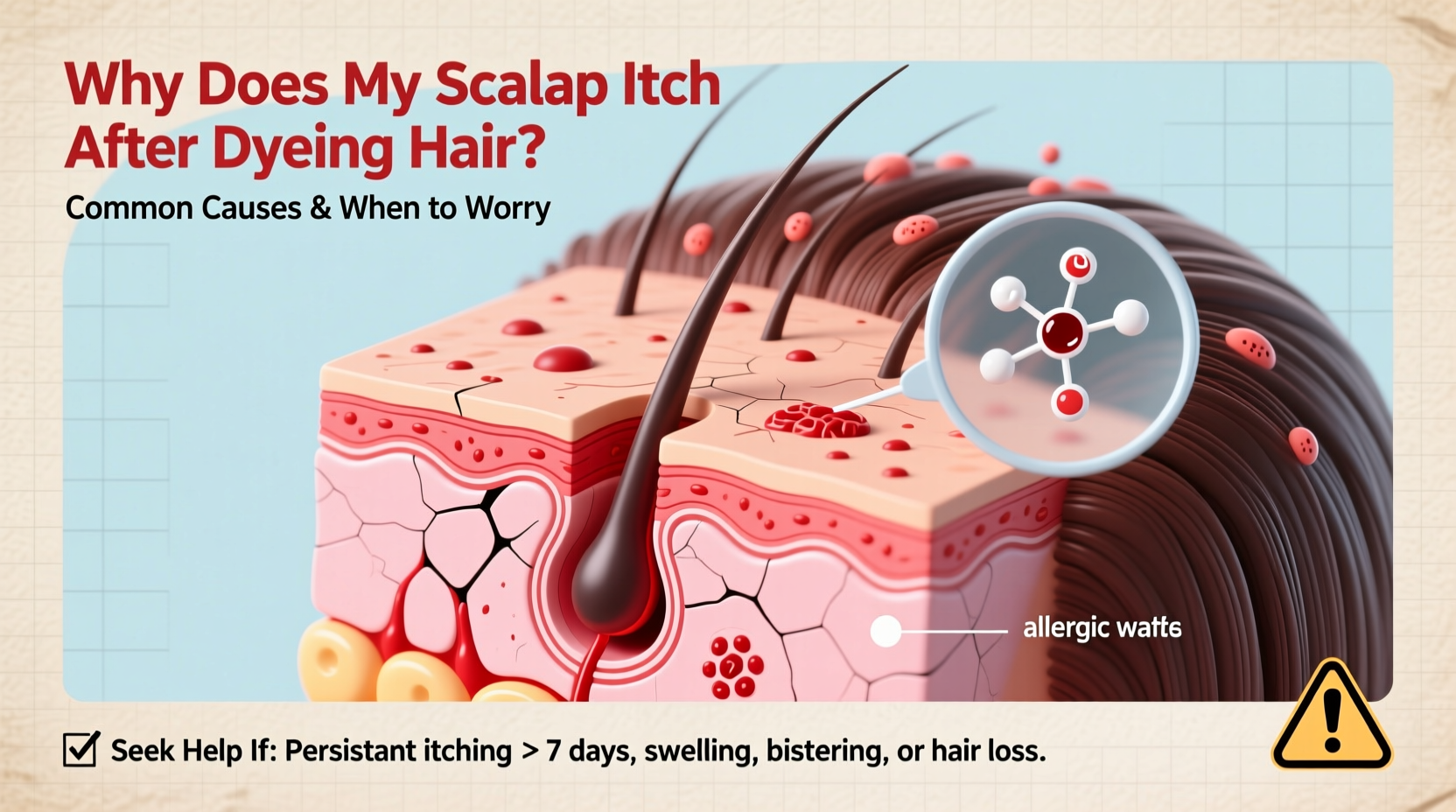
The most frequent cause of scalp itching after dyeing hair is contact with harsh chemicals, particularly paraphenylenediamine (PPD), a compound found in many permanent and semi-permanent dyes. PPD helps create long-lasting color by binding to hair shafts, but it can also irritate the skin or trigger immune responses in sensitive individuals.
Besides PPD, other ingredients like ammonia, peroxide, resorcinol, and alcohol can strip natural oils from the scalp, leading to dryness and inflammation. When the skin barrier is compromised, even minor exposure can result in redness, flaking, and itching.
Physical factors during application also contribute. Leaving dye on too long, applying it directly to the scalp instead of just the roots, or using tools that scratch the skin increase irritation risk. Heat from blow dryers or flat irons post-coloring can further aggravate inflamed tissue.
Chemical Sensitivity vs. Allergic Reaction
Not all itching indicates an allergy. Chemical sensitivity often results in temporary discomfort due to overexposure or drying effects. Symptoms include mild stinging, dryness, and slight redness that resolve within a day.
In contrast, an allergic reaction involves the immune system. The body identifies a substance—like PPD—as a threat and releases histamines, causing more intense symptoms such as swelling, blistering, oozing, or widespread rash. These reactions can escalate quickly and require immediate attention.
“Even if you’ve used a product safely before, sensitization can occur over time. Your immune system may suddenly react to an ingredient it once tolerated.” — Dr. Lena Torres, Board-Certified Dermatologist
When Should You Be Concerned About Itching?
Mild itching for a few hours after dyeing is normal. However, certain signs indicate a more serious issue. Recognizing these early can prevent complications like infections or scarring alopecia.
Seek medical help immediately if you experience:
- Intense burning or stinging that worsens over time
- Swelling of the scalp, face, eyelids, or neck
- Blisters, sores, or weeping skin
- Hives spreading beyond the scalp
- Tightness or difficulty moving your facial muscles
- Fever or general malaise
These symptoms may point to allergic contact dermatitis or, in rare cases, anaphylaxis—a life-threatening condition requiring emergency treatment.
Delayed Reactions Are Possible
Symptoms don’t always appear right away. Some people develop reactions 12 to 72 hours after dye application. This delay often leads to misdiagnosis, as individuals may not connect their discomfort to the hair treatment.
A real-world example: Sarah, a 34-year-old teacher, dyed her hair at home using a brand she’d used twice before without issues. On the third use, she developed severe scalp itching the next morning, followed by facial swelling by evening. She visited urgent care and was diagnosed with a newly developed PPD allergy. “I thought I was safe because I’d used it before,” she said. “But this time, my skin turned red and started peeling. I couldn’t believe how fast it got worse.”
Preventing Scalp Irritation: A Practical Checklist
Reducing the risk of itching starts before you open the dye box. Follow this checklist to protect your scalp and ensure a safer coloring process:
- Perform a patch test 48 hours before every use—even with familiar products
- Choose ammonia-free or PPD-free dyes if you have sensitive skin
- Apply petroleum jelly along the hairline and behind ears to create a protective barrier
- Use gloves and avoid touching your scalp during application
- Follow manufacturer instructions strictly—don’t exceed recommended processing time
- Rinse thoroughly until water runs clear
- Use a soothing, fragrance-free conditioner or post-color treatment
- Wait at least 4–6 weeks between color treatments to allow scalp recovery
Common Hair Dye Ingredients and Their Risks
Understanding what’s in your dye can empower better choices. The table below breaks down key ingredients, their purpose, and associated risks:
| Ingredient | Purpose | Scalp Risk |
|---|---|---|
| Paraphenylenediamine (PPD) | Enables permanent color development | High – Common allergen; can cause severe reactions |
| Ammonia | Opens cuticle for deeper pigment penetration | Medium – Drying, irritating, increases absorption of other chemicals |
| Hydrogen Peroxide | Removes natural pigment (lightening agent) | Medium – Can cause oxidative stress and dryness |
| Resorcinol | Assists in color formation | Medium – Potential endocrine disruptor; skin irritant |
| Alcohols (e.g., ethanol) | Helps distribute dye evenly | Low–Medium – Drying, especially in high concentrations |
| Propylene Glycol | Carrier solvent | Low–High – Safe for most, but can trigger allergies in some |
Alternatives exist for nearly every high-risk ingredient. Henna-based dyes, plant-derived colors, and PPD-free permanent options offer safer routes for those prone to irritation. However, even \"natural\" products aren’t risk-free—always verify ingredients and test first.
Step-by-Step: What to Do If Your Scalp Itches After Dyeing
If itching occurs, act promptly to minimize damage and assess severity:
- Rinse Immediately: If you're still in the process of dyeing, stop and rinse your hair thoroughly with cool water. Avoid hot water, which can increase absorption and inflammation.
- Gentle Cleansing: Use a mild, sulfate-free shampoo to remove residual dye. Do not scrub aggressively.
- Cool Compress: Apply a clean, damp cloth to soothe irritation. Avoid ice directly on the skin.
- Topical Relief: Over-the-counter hydrocortisone cream (1%) can reduce mild inflammation. Calamine lotion or aloe vera gel may also provide relief.
- Oral Antihistamines: For moderate itching or hives, consider taking an antihistamine like cetirizine or loratadine.
- Monitor Symptoms: Watch for progression over the next 24–48 hours. Note any changes in severity or spread.
- See a Doctor: If symptoms persist beyond two days or worsen, consult a dermatologist. Prescription steroids or antibiotics may be needed for infected areas.
Long-Term Risks of Repeated Scalp Irritation
Chronic exposure to irritating dyes can lead to lasting consequences. Repeated inflammation may damage hair follicles, contributing to telogen effluvium (temporary shedding) or, in severe cases, scarring alopecia—a form of irreversible hair loss.
Additionally, repeated allergic reactions can sensitize your immune system further, making future exposures more dangerous. Once diagnosed with a PPD allergy, lifelong avoidance is typically advised, as cross-reactivity with similar compounds (like those in black rubber, textiles, or certain medications) is possible.
Dermatologists recommend maintaining a record of all hair products used, including dates and reactions. This log becomes invaluable when diagnosing patterns or consulting specialists.
Frequently Asked Questions
Can you develop an allergy to hair dye even if you’ve used it safely before?
Yes. Sensitization can occur after multiple exposures. Your immune system may begin recognizing an ingredient like PPD as a threat, triggering a reaction even after years of safe use.
Are natural or organic dyes completely safe?
Not necessarily. While they often lack PPD and ammonia, “natural” doesn’t mean non-irritating. Essential oils, plant extracts, and herbal bases can still provoke allergies. Patch testing remains essential.
How long should post-dye itching last?
Mild itching should subside within 12–24 hours. If it persists beyond two days, spreads, or is accompanied by other symptoms like swelling or blistering, seek medical evaluation.
Conclusion: Listen to Your Scalp
Your scalp’s reaction to hair dye is more than a minor inconvenience—it’s a signal. Whether it's dryness from harsh chemicals or a full-blown allergic response, ignoring symptoms can lead to long-term damage. Prevention through patch testing, informed ingredient selection, and proper application techniques is your best defense.
If you've experienced concerning reactions, don't assume it was a one-time event. Document what happened, consult a professional, and explore safer alternatives. Healthy hair begins with a healthy scalp. Prioritize care over convenience, and never let cosmetic results compromise your well-being.




 浙公网安备
33010002000092号
浙公网安备
33010002000092号 浙B2-20120091-4
Comments
No comments yet. Why don't you start the discussion?