
Dry shampoo has become a staple in modern haircare routines—praised for its ability to refresh oily roots, extend blowouts, and save time on busy mornings. But for many users, the convenience comes with an uncomfortable side effect: an itchy, irritated scalp. If you've ever applied dry shampoo only to feel a sudden wave of itching minutes later, you're not alone. This reaction can range from mildly annoying to severely disruptive, especially if it leads to flaking, redness, or even hair thinning over time. Understanding the root causes behind this irritation is essential to making smarter product choices and maintaining a healthy scalp.
The Science Behind Scalp Itching Post-Dry Shampoo Use
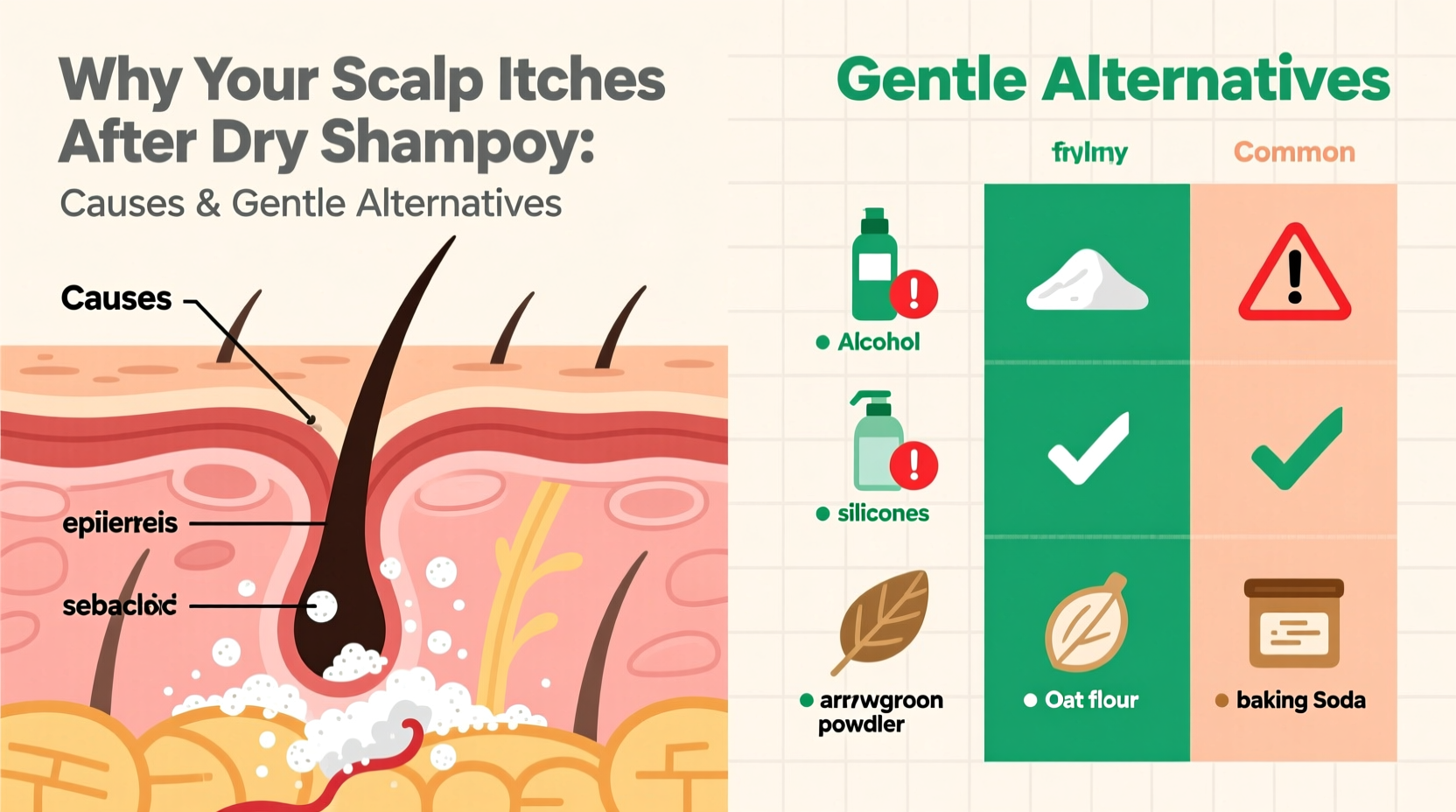
Dry shampoos work by absorbing excess sebum (oil) from the scalp and hair shafts using ingredients like starches, alcohols, and propellants. While effective at masking greasiness, these components don’t cleanse the scalp the way water and traditional shampoo do. Instead, they sit on the surface, trapping oil, sweat, and environmental debris. Over time, this buildup can clog hair follicles and disrupt the scalp’s natural microbiome, leading to inflammation and itchiness.
The most common culprits behind post-application itching include:
- Alcohol denat (denatured alcohol): Found in many aerosol sprays, this ingredient evaporates quickly but strips moisture from the scalp, causing dryness and irritation.
- Propellants like butane and propane: These gases help disperse the product evenly but can be harsh on sensitive skin and may trigger allergic reactions.
- Talc or synthetic powders: While effective at oil absorption, talc and silica-based powders can accumulate in follicles, creating micro-abrasions or triggering contact dermatitis.
- Fragrances and parabens: Artificial scents are among the top allergens in personal care products and often cause delayed hypersensitivity reactions.
Repeated use without proper cleansing exacerbates these issues. Unlike regular shampooing, which rinses away impurities, dry shampoo leaves residue that builds up over days. This creates a breeding ground for bacteria and yeast like Malassezia, which thrive on sebum and dead skin cells—contributing further to dandruff-like symptoms and persistent itching.
Common Triggers and Who’s Most at Risk
Not everyone experiences scalp irritation from dry shampoo, but certain factors increase susceptibility. People with pre-existing scalp conditions such as seborrheic dermatitis, psoriasis, or eczema are far more likely to react negatively. The compromised skin barrier in these individuals makes them vulnerable to even mild irritants.
Additionally, those with fine or straight hair tend to use dry shampoo more frequently because their hair shows oil faster. However, this repeated exposure heightens the risk of cumulative damage. Curly and coily hair types, while less prone to visible greasiness, can also suffer when powders penetrate tightly wound curls and settle into the scalp without being washed out for extended periods.
Another overlooked factor is application technique. Spraying too close to the scalp, using excessive amounts, or failing to massage the product thoroughly can concentrate active ingredients in one area, increasing localized irritation. Some users report immediate tingling or stinging upon application—a sign of sensitivity or allergy that should not be ignored.
“Dry shampoo isn’t a substitute for cleansing. For patients with chronic scalp itching, I often find significant improvement once we eliminate daily dry shampoo use and reset the scalp environment.” — Dr. Lena Patel, Board-Certified Dermatologist
Gentle Alternatives to Traditional Dry Shampoos
If your scalp consistently reacts to conventional dry shampoos, switching to gentler alternatives can make a dramatic difference. The key is choosing products designed to absorb oil without disrupting pH balance or introducing harsh chemicals. Below are several safer options backed by dermatologists and trichologists.
1. Cornstarch or Arrowroot-Based Powders
Natural starches like cornstarch and arrowroot are excellent oil absorbers with minimal risk of irritation. Unlike synthetic powders, they’re biodegradable, fragrance-free, and suitable for sensitive scalps. To use, apply a small amount directly to oily roots using a makeup brush or fingertips, then massage gently before brushing out.
2. Rice Water Rinses (Post-Styling Refresh)
Rice water has been used for centuries in Asian haircare traditions for its strengthening and clarifying properties. A light rice water mist—made by straining boiled rice water and cooling it—can be sprayed onto roots between washes to lift oil and soothe irritation. It contains antioxidants and amino acids that support scalp health without drying.
3. Micellar Water Spray
Micellar water, commonly used in facial cleansing, works surprisingly well on hair roots. Its tiny micelles attract dirt and oil without requiring rinsing. Transfer a gentle, fragrance-free micellar water into a spray bottle and lightly mist the scalp. Blot with a clean towel to remove residue.
4. Clay-Based Scalp Treatments
Bentonite or kaolin clay powders offer deep purification without abrasiveness. Mix a teaspoon with water to form a paste, apply to problem areas, let sit for 5–10 minutes, then rinse. These clays draw out impurities and excess sebum while maintaining moisture balance.
5. DIY Herbal Infusions
A chamomile or green tea spray can calm inflammation and reduce itching. Steep organic tea bags in hot water, cool completely, and transfer to a spray bottle. Lightly mist the scalp and leave in—especially beneficial for those with redness or flaking.
| Alternative | Best For | Frequency | Notes |
|---|---|---|---|
| Cornstarch powder | Oily roots, sensitive skin | Up to 2x/week | Use sparingly; avoid inhalation |
| Rice water mist | Dullness, mild buildup | 2–3x/week | May require filtering to avoid grain residue |
| Micellar water spray | Quick refresh, travel | Occasional use | Choose alcohol-free version |
| Clay treatments | Heavy buildup, acne-prone scalp | Once weekly | Do not overuse—can be drying |
| Herbal sprays | Itch relief, inflammation | Daily if needed | No preservatives; refrigerate after 48 hours |
Step-by-Step Guide to Transitioning Away from Irritating Dry Shampoos
Quitting daily dry shampoo doesn’t mean sacrificing fresh-looking hair. With a strategic approach, you can maintain volume and cleanliness while healing your scalp. Follow this five-step plan to transition safely and effectively:
- Assess Your Current Routine: Track how often you use dry shampoo and note any patterns in itching (e.g., worse at night, after sweating). Identify triggers like specific brands or application habits.
- Detox Your Scalp: Perform a clarifying wash using a sulfate-free shampoo containing salicylic acid or tea tree oil. Do this once to remove accumulated residue. Avoid harsh sulfates that strip too much oil.
- Introduce a Gentle Alternative: Replace your next dry shampoo session with cornstarch or micellar water. Apply only to targeted areas rather than the entire scalp.
- Adjust Washing Frequency: Gradually extend time between washes by using silk pillowcases, loose hairstyles, and nighttime braids to minimize oil spread.
- Monitor and Maintain: After four weeks, evaluate changes in scalp comfort, flaking, and hair texture. Continue using natural alternatives and schedule a weekly deep cleanse.
This process allows your scalp’s microbiome to rebalance. Many users notice reduced itching within 7–10 days of eliminating chemical-laden sprays.
Mini Case Study: Recovering from Chronic Scalp Irritation
Sophia, a 29-year-old graphic designer, relied on aerosol dry shampoo nearly every day to manage her fine, straight hair during long workweeks. After six months, she began experiencing intense itching, flaking, and tenderness along her part line. Over-the-counter dandruff shampoos offered little relief. She consulted a dermatologist, who diagnosed her with contact folliculitis—scalp inflammation caused by prolonged exposure to propellants and fragrance in her dry shampoo.
Following a treatment plan, Sophia stopped all dry shampoo use and switched to a regimen involving weekly bentonite clay masks and daily rice water spritzes. Within three weeks, her itching subsided significantly. By week six, her scalp was clear, and she reported improved hair texture and volume. Her experience underscores how easily convenience products can compromise long-term scalp health when used without caution.
FAQ: Common Questions About Dry Shampoo and Scalp Health
Can dry shampoo cause permanent damage to the scalp?
While occasional use is generally safe, long-term daily application without cleansing can lead to chronic inflammation, follicle damage, and even temporary hair thinning. In severe cases, blocked follicles may result in scarring alopecia, though this is rare. The good news is that most damage is reversible with proper care and discontinuation of irritating products.
Are “natural” dry shampoos always safer?
Not necessarily. Just because a product is labeled “natural” or “organic” doesn’t guarantee it’s non-irritating. Some plant-based ingredients like essential oils (e.g., lavender, peppermint) can still provoke allergic reactions. Always read the full ingredient list and avoid known sensitizers—even in botanical formulas.
How can I refresh my hair without risking irritation?
Try air-drying your hair upside down for added volume, using a boar bristle brush to distribute natural oils, or applying a small amount of translucent powder to the crown. Wearing headscarves or stylish clips can also conceal greasiness while giving your scalp a break from products.
Conclusion: Prioritize Scalp Health Over Short-Term Convenience
An itchy scalp after using dry shampoo isn’t just a minor annoyance—it’s a signal that your scalp’s delicate ecosystem is under stress. While dry shampoo offers undeniable convenience, treating it as a long-term solution risks compromising both scalp integrity and hair vitality. By understanding the ingredients that cause irritation and embracing gentler, more sustainable alternatives, you empower yourself to care for your hair in a way that supports lasting health.
Start small: swap one use of traditional dry shampoo this week for a natural starch or herbal mist. Pay attention to how your scalp responds. Over time, these mindful choices add up to stronger, shinier hair and a more comfortable daily routine. Your scalp deserves the same level of care as the rest of your skin—treat it with respect, and it will reflect that in your overall appearance.




 浙公网安备
33010002000092号
浙公网安备
33010002000092号 浙B2-20120091-4
Comments
No comments yet. Why don't you start the discussion?