
Itching after a fresh wash is one of the most frustrating hair care experiences. You've just spent time cleansing, conditioning, and styling—only to feel an insistent, sometimes maddening itch creeping in within hours. And while many assume this signals dandruff, the truth is more complex. Scalp itching post-wash can stem from a range of causes, many of which have nothing to do with flakes. Understanding the root triggers—and knowing how to respond—is key to long-term comfort and scalp health.
The scalp is delicate skin, not unlike facial skin, yet it’s often treated harshly with aggressive products, hot water, and chemical buildup. When irritation occurs, it’s a signal that something in your routine or environment is disrupting its natural balance. The good news: most causes are manageable with informed adjustments. This guide explores the science behind post-wash itching, distinguishes non-dandruff triggers, and offers practical, dermatologist-approved strategies for soothing relief.
Understanding the Post-Wash Itch: Common Non-Dandruff Causes
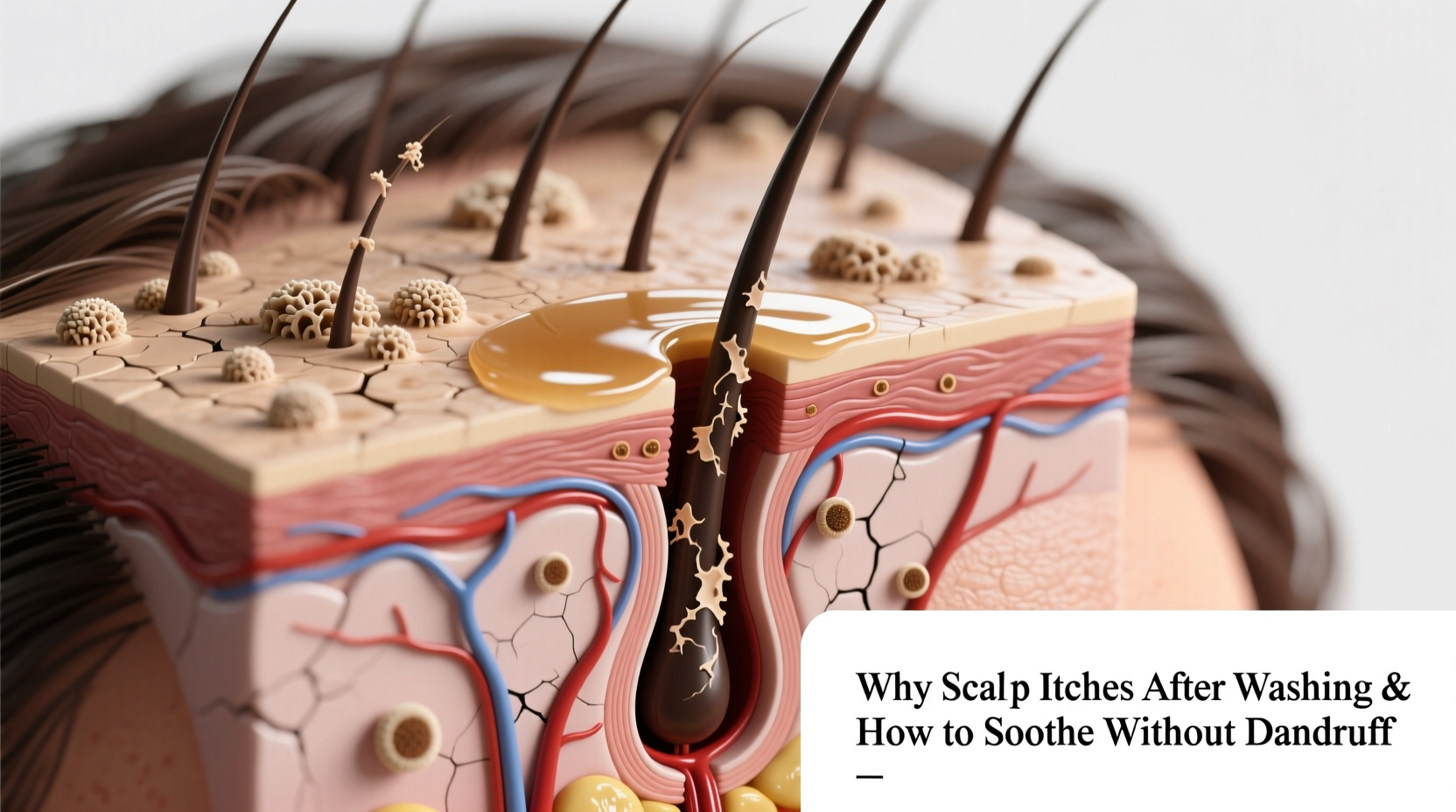
An itchy scalp after shampooing doesn’t automatically mean you have dandruff. In fact, many people experience discomfort due to factors unrelated to fungal overgrowth or seborrheic dermatitis—the usual suspects behind flaking. Instead, consider these frequent culprits:
- Dryness from harsh cleansers: Sulfates and strong detergents strip natural oils, leaving the scalp dehydrated and prone to tightness and itching.
- Residual product buildup: Conditioners, styling gels, dry shampoos, and silicones can accumulate at the hairline and nape, clogging follicles and irritating the skin.
- Water temperature: Hot water may feel soothing during a shower, but it compromises the scalp’s moisture barrier and increases inflammation.
- Allergic reactions (contact dermatitis): Fragrances, preservatives like methylisothiazolinone, and botanical extracts in shampoos can trigger immune responses leading to redness and itch.
- Overwashing: Washing too frequently disrupts the scalp microbiome, reducing beneficial bacteria and increasing sensitivity.
- Psychological factors: Stress and anxiety can manifest physically as scalp sensations—even when no visible irritation exists.
Unlike dandruff, which typically presents with visible white or yellowish flakes, non-dandruff-related itching may come with tightness, tingling, or mild redness—but no shedding. Recognizing this distinction helps avoid unnecessary anti-dandruff treatments that could worsen dryness.
How to Soothe an Itchy Scalp Without Targeting Dandruff
Treating an itchy scalp effectively starts with eliminating irritants and restoring balance—not attacking nonexistent fungi. Here’s how to calm irritation gently and sustainably.
1. Choose the Right Shampoo
Opt for formulas labeled “for sensitive scalp,” “fragrance-free,” or “dermatologically tested.” Look for gentle surfactants like decyl glucoside or cocamidopropyl betaine instead of sodium lauryl sulfate. Avoid ingredients known to cause reactions:
| Ingredient | Risk Level | Why to Avoid |
|---|---|---|
| Fragrance / Parfum | High | Common allergen; often undisclosed blend of dozens of compounds |
| Methylisothiazolinone | High | Potent preservative linked to allergic contact dermatitis |
| Sodium Laureth Sulfate (SLES) | Moderate | Can be irritating, especially on compromised skin |
| Alcohol (Denatured) | Moderate | Drying; may exacerbate tightness and flaking |
| Essential Oils (e.g., tea tree, peppermint) | Variable | Natural ≠ safe; some are sensitizers at high concentrations |
2. Adjust Your Washing Technique
Even the best product won’t help if applied incorrectly. Follow these steps:
- Rinse hair thoroughly with lukewarm water before applying shampoo.
- Lather shampoo in your hands first, then apply—this prevents concentrated product from sitting directly on the scalp.
- Massage gently with fingertips, not nails, for 30–60 seconds.
- Rinse completely—leftover residue is a major irritant.
- Use conditioner only on mid-lengths to ends, avoiding the scalp entirely unless formulated for it.
3. Introduce Soothing Treatments
Between washes, use targeted scalp treatments to reduce inflammation and restore hydration. Ingredients to look for include:
- Oat extract: Anti-inflammatory and calming; ideal for reactive skin.
- Panthenol (Provitamin B5): Attracts moisture and strengthens the skin barrier.
- Allantoin: Promotes healing and reduces irritation.
- Ceramides: Replenish lipids lost through over-cleansing.
A lightweight scalp serum with these components can be applied daily or every other day to damp or dry scalp. No rinsing required.
“Many patients come in convinced they have dandruff, but their real issue is a disrupted barrier from overuse of clarifying shampoos. Restoring moisture and simplifying routines resolves symptoms faster than any medicated treatment.” — Dr. Lena Park, Board-Certified Dermatologist
Step-by-Step Guide to a Calming Scalp Routine (7-Day Reset)
If your scalp has been chronically irritated, try this gentle reset plan to restore equilibrium:
- Day 1: Do a thorough rinse with lukewarm water. Use a small amount of micellar water-based scalp cleanser or diluted baby shampoo to remove buildup without stripping. Rinse completely.
- Day 2–3: Wash once using a fragrance-free, sulfate-free shampoo. Follow with a panthenol-rich scalp mist. Avoid heat styling.
- Day 4: Skip washing. Apply oat-based serum to itchy areas. Wear hair loose—no tight bands or clips.
- Day 5: Repeat gentle wash. Monitor for improvement in tightness or stinging.
- Day 6–7: Maintain with alternate-day misting and full wash only if necessary. Track triggers like new products, stress levels, or weather changes.
This routine minimizes disruption while supporting natural recovery. Most people notice reduced itching by Day 5.
Real Example: A Case of Misdiagnosed Irritation
Sophia, a 32-year-old graphic designer, began experiencing intense scalp itching two days after switching to a popular “clarifying charcoal shampoo.” She assumed she had developed dandruff and started using a ketoconazole shampoo nightly. Her symptoms worsened—redness spread, and her scalp felt raw.
After visiting a dermatologist, she learned she wasn’t dealing with fungus at all. The charcoal shampoo contained high levels of fragrance and alcohol, causing allergic contact dermatitis. The medicated shampoo further dried her scalp, creating a cycle of damage.
Her treatment plan included stopping all medicated products, switching to a fragrance-free cleanser, and applying a ceramide-based scalp balm twice daily. Within ten days, her itching subsided completely. The key was identifying the true cause—not assuming dandruff was to blame.
Checklist: How to Prevent Future Scalp Itching
Follow this checklist to maintain a healthy, itch-free scalp:
- ✅ Read labels: Avoid sulfates, synthetic fragrances, and known allergens.
- ✅ Wash less frequently: Aim for 2–3 times per week unless heavily active.
- ✅ Rinse thoroughly: Spend at least 30 seconds ensuring no residue remains.
- ✅ Use lukewarm water: Never scalding hot.
- ✅ Patch test new products: Apply behind the ear or inner forearm for 48 hours before full use.
- ✅ Limit heat styling: High temperatures increase transepidermal water loss.
- ✅ Manage stress: Practice mindfulness or breathing exercises if tension triggers itching.
- ✅ Replace old brushes: Clean or replace combs and brushes monthly to prevent bacterial buildup.
Frequently Asked Questions
Can hard water cause scalp itching even if I don’t have dandruff?
Yes. Hard water contains high levels of calcium and magnesium, which can bind to hair proteins and leave a film that blocks moisture absorption. This leads to dryness, dullness, and itching. Installing a shower filter or using a chelating shampoo once a week can help neutralize mineral buildup.
Is it safe to scratch my scalp lightly if it itches?
No. Even gentle scratching can micro-tear the skin, increasing the risk of infection and inflammation. Instead, tap or press the area firmly with your fingertip to interrupt the itch signal. Applying a cool compress or serum can also provide relief without damage.
Why does my scalp itch more at night?
Nighttime itching is common due to increased blood flow to the head when lying down, reduced environmental distractions (making sensations more noticeable), and circadian shifts in inflammatory markers. Using a silk pillowcase and applying a calming serum before bed can reduce nighttime flare-ups.
Conclusion: Take Control of Scalp Comfort
An itchy scalp after washing doesn’t have to be a recurring frustration. By shifting focus from dandruff assumptions to personalized scalp care, you can identify and eliminate the real triggers—whether it’s a harsh ingredient, improper technique, or environmental factor. Healing begins not with stronger treatments, but with gentler choices.
Your scalp deserves the same thoughtful attention as the rest of your skin. With consistent, informed care, relief is not only possible—it’s sustainable. Start today by reevaluating your current products and habits. Small changes can lead to profound comfort.




 浙公网安备
33010002000092号
浙公网安备
33010002000092号 浙B2-20120091-4
Comments
No comments yet. Why don't you start the discussion?