
Itching after a fresh wash is more than just a minor annoyance—it can disrupt your day, affect your confidence, and even lead to skin damage if left unchecked. Despite using clean water and trusted shampoos, many people experience persistent or sudden scalp irritation post-wash. The root causes range from product ingredients to underlying dermatological conditions. Understanding the triggers is the first step toward lasting relief. This article breaks down the most common reasons for post-wash itching and offers practical, evidence-based solutions that deliver real results.
Common Causes of Post-Wash Scalp Itching
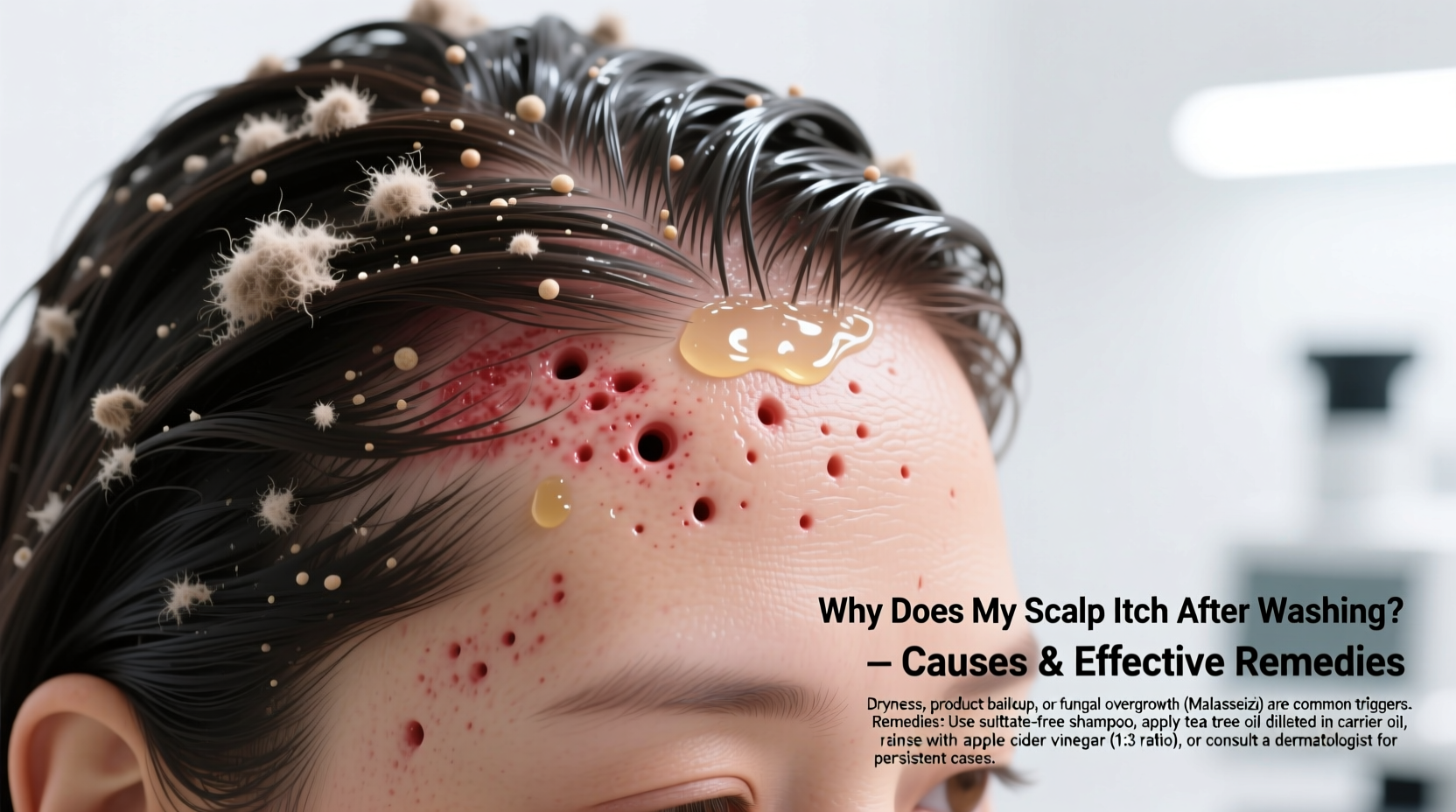
Scalp itching after shampooing isn’t random. It’s often a signal from your body that something in your routine or environment is disrupting your scalp’s natural balance. The scalp hosts a delicate ecosystem of oils, microbes, and skin cells. When this balance is disturbed, inflammation or dryness can occur, leading to itchiness.
- Dry scalp: Overwashing or using harsh shampoos strips away natural sebum, leaving the scalp dehydrated and flaky.
- Allergic reactions: Ingredients like sulfates, fragrances, or preservatives (e.g., methylisothiazolinone) can trigger contact dermatitis.
- Residue buildup: Incomplete rinsing leaves behind shampoo or conditioner, which can clog follicles and irritate the skin.
- Seborrheic dermatitis: A chronic condition involving yeast overgrowth (Malassezia), causing redness, greasy scales, and intense itching.
- Psoriasis: An autoimmune disorder leading to thick, scaly patches that often itch or burn.
- Hot water exposure: High temperatures during rinsing can strip moisture and inflame nerve endings.
- Sensitivity to hard water: Minerals like calcium and magnesium can leave deposits on the scalp, altering pH and increasing irritation.
How to Identify the Root Cause
Pinpointing the exact reason for your scalp itch requires observation and elimination. Consider timing, frequency, and associated symptoms.
“Patients often blame shampoo when the real culprit is water temperature or secondary fungal activity.” — Dr. Lena Torres, Board-Certified Dermatologist
Symptom-Based Clues
| Symptom Pattern | Possible Cause | Supporting Signs |
|---|---|---|
| Itching begins within minutes of washing | Irritant or allergic reaction | Burning sensation, redness, stinging |
| Itching develops hours later | Dryness or residue buildup | Tight feeling, visible flakes, dull hair |
| Itching with yellowish, greasy flakes | Seborrheic dermatitis | Affects eyebrows, ears, oily roots |
| Itching with thick, silvery scales | Psoriasis | Knees/elbows also affected, family history |
| Itching worsens in winter | Environmental dryness | Whole-body dry skin, indoor heating use |
Effective Remedies That Work
Once you’ve narrowed down the cause, targeted treatment becomes possible. Not all remedies are equal—some offer quick relief, while others restore long-term scalp health.
1. Switch to a Gentle, Sulfate-Free Shampoo
Sulfates (like SLS) create lather but aggressively remove oils. For sensitive scalps, they’re often too harsh. Opt for sulfate-free formulas with soothing agents like aloe vera, chamomile, or oat extract.
2. Use Medicated Shampoos When Needed
For fungal or inflammatory conditions, over-the-counter medicated shampoos can be highly effective:
- Pyriethione zinc: Reduces Malassezia yeast and inflammation (found in Head & Shoulders).
- Ketoconazole 1% or 2%: Antifungal agent for seborrheic dermatitis (Nizoral).
- Salicylic acid: Exfoliates dead skin and unclogs follicles (Neutrogena T/Sal).
- Coal tar: Slows skin cell turnover in psoriasis (Neutrogena T/Gel).
Apply these directly to the scalp, leave on for 5 minutes, then rinse thoroughly. Use 2–3 times weekly until symptoms improve, then reduce frequency.
3. Rinse Thoroughly with Lukewarm Water
Hot water exacerbates dryness and increases blood flow to the skin, intensifying itch signals. Finish your wash with lukewarm water to seal cuticles and calm irritation. Ensure no product remains by checking near the hairline and behind the ears.
4. Moisturize the Scalp
Just like facial skin, the scalp needs hydration. Apply lightweight, non-comedogenic oils or serums:
- Jojoba oil: Mimics natural sebum and absorbs quickly.
- Tea tree oil (diluted): Has antiseptic and anti-inflammatory properties (use at 5% concentration).
- Hyaluronic acid serums: Provide deep hydration without greasiness.
Step-by-Step Guide to Soothing an Itchy Scalp
Follow this daily and weekly protocol to reduce and prevent post-wash itching:
- Assess your current products: Check labels for sulfates, parabens, synthetic fragrances, and alcohol.
- Switch to a mild shampoo: Choose fragrance-free, hypoallergenic options designed for sensitive skin.
- Wet hair with lukewarm water: Avoid extreme temperatures that stress the scalp.
- Lather gently with fingertips: Never use nails—this damages the skin barrier.
- Rinse for at least 60 seconds: Ensure all product traces are gone.
- Condition only the ends: Keep conditioner away from the scalp unless formulated for it.
- Pat dry with a soft towel: Rubbing aggravates irritated skin.
- Apply a soothing serum or oil (optional): Focus on itchy areas only.
- Use medicated shampoo 2x/week: Rotate with a gentle cleanser on other days.
- Monitor progress weekly: Track changes in flaking, oiliness, and comfort.
Real-Life Example: Sarah’s Journey to Relief
Sarah, a 34-year-old teacher, experienced worsening scalp itching every time she washed her hair. She assumed it was dandruff and used strong anti-dandruff shampoos, which only made her scalp tighter and more irritated. After seeing a dermatologist, she learned she had a combination of contact dermatitis from a fragrance in her shampoo and mild seborrheic dermatitis.
Her treatment plan included switching to a fragrance-free, sulfate-free shampoo, using ketoconazole shampoo twice a week, and applying diluted tea tree oil between washes. Within three weeks, her itching decreased by 80%. By week six, her scalp was calm and flake-free. The key was addressing both the allergy and the underlying condition—not just masking symptoms.
Do’s and Don’ts for Scalp Health
| Do’s | Don’ts |
|---|---|
| Use lukewarm water for rinsing | Wash with hot water |
| Choose fragrance-free, hypoallergenic products | Use heavily perfumed shampoos |
| Rinse thoroughly for at least one minute | Leave shampoo or conditioner residue |
| Moisturize with non-greasy oils or serums | Apply heavy butters like shea directly to scalp |
| See a dermatologist if itching persists beyond 4 weeks | Ignore signs of infection or bleeding |
Frequently Asked Questions
Can hard water cause an itchy scalp?
Yes. Hard water contains high levels of calcium and magnesium, which can bind to hair proteins and leave mineral deposits on the scalp. This alters the skin’s pH, reduces lathering, and leads to dryness and irritation. Installing a shower filter or using a chelating shampoo once a week can help remove buildup.
Is it normal for my scalp to itch after changing shampoos?
Some adjustment is normal, especially if transitioning from silicones or sulfates. However, persistent itching beyond 7–10 days suggests incompatibility or sensitivity. Discontinue use and consider a patch test on your inner forearm before reintroducing the product.
Can stress make my scalp itch after washing?
Indirectly, yes. Stress activates the nervous system and increases inflammatory markers, which can worsen conditions like psoriasis or eczema. While stress won’t cause itching on its own post-wash, it lowers your threshold for irritation and slows healing.
Final Checklist for Immediate Action
If you're currently struggling with an itchy scalp, follow this checklist to start improving your condition today:
- ✅ Read the ingredient list on your current shampoo and conditioner.
- ✅ Eliminate products containing sulfates, parabens, or synthetic fragrances.
- ✅ Lower your shower water temperature to lukewarm.
- ✅ Extend your rinse time to ensure complete product removal.
- ✅ Try a medicated shampoo (e.g., with pyrithione zinc or ketoconazole) twice this week.
- ✅ Apply a few drops of jojoba or tea tree oil to itchy spots after washing.
- ✅ Schedule a dermatology consultation if no improvement in 21 days.
“The scalp is an extension of your skin. Treat it with the same care you give your face.” — Dr. Arjun Patel, Trichology Specialist
Conclusion: Take Control of Your Scalp Health
An itchy scalp after washing doesn’t have to be a recurring frustration. With the right knowledge, you can identify triggers and implement changes that bring lasting comfort. Whether it’s switching shampoos, adjusting your water temperature, or treating an underlying condition, small, consistent steps lead to significant improvements. Your scalp deserves attention—not just for appearance, but for overall well-being. Start applying these strategies today, listen to your body’s signals, and reclaim a healthy, irritation-free routine.




 浙公网安备
33010002000092号
浙公网安备
33010002000092号 浙B2-20120091-4
Comments
No comments yet. Why don't you start the discussion?