
Itching after washing your hair is a surprisingly common issue that affects people of all ages and hair types. While an occasional tingle may not be alarming, persistent or intense itching following shampooing can signal underlying issues ranging from product sensitivity to medical conditions. Understanding the root causes is essential for finding lasting relief. This article explores the most frequent triggers behind post-wash scalp itchiness, backed by dermatological insight and practical advice for identifying and addressing them.
Dryness and Over-Cleansing: The Most Common Culprits
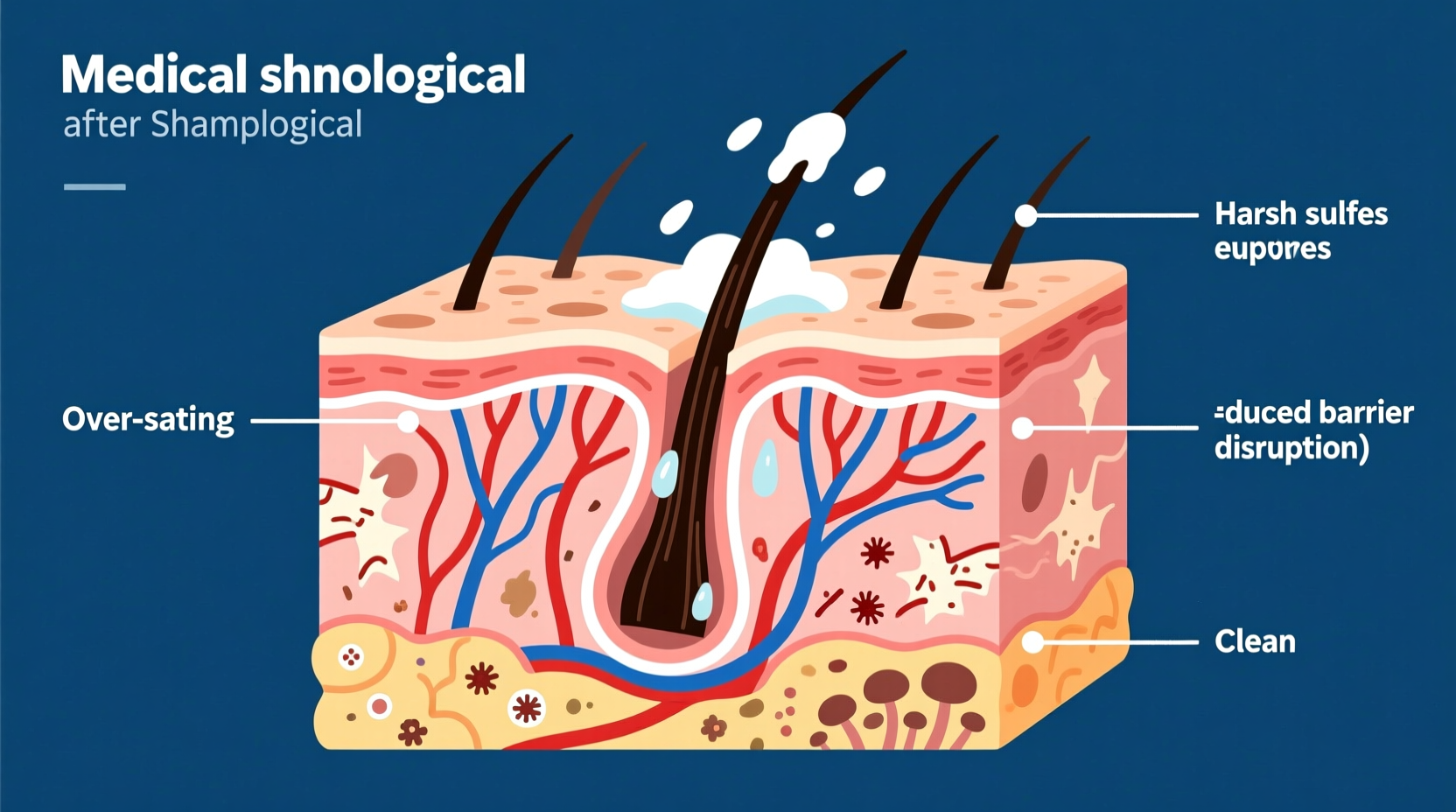
The scalp, like facial skin, has a natural protective barrier composed of oils (sebum) and beneficial microbes. When this balance is disrupted—especially during cleansing—the result can be dryness, tightness, and itching. Many commercial shampoos contain sulfates such as sodium lauryl sulfate (SLS), which are powerful degreasers. While they create rich lather and remove oil effectively, they can also strip away too much sebum, leaving the scalp dehydrated.
Over-washing exacerbates this problem. Washing daily—or even every other day—can prevent the scalp from replenishing its natural oils. This is particularly problematic for individuals with curly, coily, or chemically treated hair, which tends to be drier to begin with. Even those with oily scalps may experience rebound oil production and irritation when over-cleaned.
Product Sensitivities and Allergic Reactions
Not all scalp reactions are due to dryness. Some people develop sensitivities or allergies to ingredients commonly found in shampoos, conditioners, and styling products. These reactions fall into two categories: irritant contact dermatitis (a direct irritation from harsh chemicals) and allergic contact dermatitis (an immune response to specific allergens).
Common culprits include:
- Fragrances: Synthetic perfumes are among the top allergens in personal care products.
- Preservatives: Ingredients like methylisothiazolinone and formaldehyde-releasing agents can trigger inflammation.
- Essential oils: While natural, oils like tea tree, peppermint, or lavender can be irritating at high concentrations.
- Propylene glycol: Used as a humectant, it can cause stinging or itching in sensitive individuals.
Allergic reactions often worsen over time with repeated exposure. Symptoms may include redness, flaking, swelling, and intense itching localized to the areas where product was applied.
“Patients often don’t realize their favorite ‘natural’ shampoo contains potent allergens. Patch testing new products behind the ear can help catch reactions early.” — Dr. Lena Patel, Board-Certified Dermatologist
Underlying Scalp Conditions That Flare After Washing
For some, post-wash itching is a symptom of a chronic scalp disorder. Water, friction from scrubbing, and certain ingredients can aggravate these conditions, making symptoms more noticeable immediately after cleansing.
Seborrheic Dermatitis
This condition, often mistaken for dandruff, involves inflammation of oil-rich areas of the skin, including the scalp. It presents as greasy, yellowish scales accompanied by redness and itching. Washing may temporarily remove flakes, but if the wrong products are used, it can worsen irritation. Ironically, many sufferers wash more frequently to control flaking, which can further inflame the scalp.
Psoriasis
Scalp psoriasis causes thick, silvery scales and intense itching. While not caused by poor hygiene, washing can dislodge plaques and expose raw, sensitive skin underneath, leading to discomfort. Hot water and vigorous scratching during shampooing can also trigger the Koebner phenomenon, where new lesions form on injured skin.
Fungal Imbalances (Malassezia)
A yeast called Malassezia naturally lives on the scalp, but overgrowth can lead to itching, flaking, and inflammation. Shampoos containing antifungals like ketoconazole, selenium sulfide, or pyrithione zinc are often prescribed to manage this. However, improper use—such as not leaving the shampoo on long enough—can reduce effectiveness and leave symptoms unresolved.
Water Quality and Environmental Factors
What comes out of your showerhead matters. Hard water—rich in minerals like calcium and magnesium—can leave a film on the scalp and hair, interfering with cleansing and moisturizing. This residue can clog follicles, alter pH, and contribute to dryness and irritation. People in hard-water regions often report increased scalp itchiness, dull hair, and reduced lathering of shampoos.
Chlorine in municipal water supplies is another potential irritant. While necessary for disinfection, chlorine can strip natural oils and cause oxidative stress to the scalp, especially in frequent swimmers or those with sensitive skin.
Temperature plays a role too. Hot water feels soothing but can damage the scalp’s lipid barrier, increasing transepidermal water loss and triggering itch signals. Dermatologists consistently recommend lukewarm water for washing hair.
| Factor | Effect on Scalp | Solution |
|---|---|---|
| Hard Water | Mineral buildup, dryness, reduced product efficacy | Install a water softener or use chelating shampoo weekly |
| Chlorine | Stripping of oils, chemical irritation | Rinse hair pre-swim, use vitamin C-based cleanser post-swim |
| Hot Water | Barrier disruption, increased itching | Wash with lukewarm water; finish with cool rinse |
Step-by-Step Guide to Diagnose and Resolve Post-Wash Itching
Resolving scalp itch requires a methodical approach. Jumping between products without understanding the cause can prolong discomfort. Follow this timeline to identify and address the trigger:
- Week 1: Eliminate Variables
Switch to a simple, fragrance-free, sulfate-free shampoo. Avoid conditioners or treatments on the scalp. Keep a journal noting when itching occurs, severity, and any associated symptoms (flakes, redness, bumps). - Week 2: Assess Product Use
Review ingredient labels of all hair products. Remove any containing known irritants (e.g., parabens, synthetic fragrances). Try applying conditioner only to the ends, not the scalp. - Week 3: Evaluate Technique
Reduce washing frequency. Use lukewarm water. Massage gently with fingertips—not nails. Rinse thoroughly for at least one minute to remove all product residue. - Week 4: Introduce Targeted Treatments
If itching persists, try a medicated shampoo (e.g., with 1% ketoconazole or 2% salicylic acid) twice weekly. Leave on for 5 minutes before rinsing. Monitor improvement. - Week 5: Consult a Professional
If no improvement, see a dermatologist. You may need a prescription-strength treatment or patch testing to rule out allergies.
Mini Case Study: Resolving Chronic Itch Through Lifestyle Adjustments
Sarah, a 34-year-old teacher from Chicago, experienced worsening scalp itch every time she washed her hair. She used a popular clarifying shampoo twice weekly, believing it kept her oily roots clean. Over time, the itching became so severe she avoided brushing or tying her hair up.
After consulting a dermatologist, Sarah learned she had both seborrheic dermatitis and sensitivity to fragrance in her products. Her hard water exacerbated the issue by preventing full rinsing. The doctor recommended switching to a gentle, fragrance-free shampoo, installing a shower filter, and using a ketoconazole shampoo once a week.
Within three weeks, her symptoms improved dramatically. By month two, the itching had stopped entirely. “I didn’t realize my ‘deep-cleaning’ routine was actually damaging my scalp,” Sarah said. “Slowing down and choosing gentler products made all the difference.”
Checklist: How to Prevent Scalp Itch After Washing
- ✅ Use sulfate-free, fragrance-free shampoo if you have sensitive skin
- ✅ Wash hair no more than 3 times per week unless medically advised otherwise
- ✅ Rinse thoroughly—lingering product is a common irritant
- ✅ Avoid hot water; opt for lukewarm or cool
- ✅ Don’t scratch or scrub aggressively; use fingertips gently
- ✅ Consider a shower filter if you live in a hard-water area
- ✅ Patch test new products behind the ear before full application
- ✅ See a dermatologist if itching persists beyond 4 weeks
FAQ
Can dandruff cause itching only after washing?
Yes. While dandruff is often associated with visible flakes, some forms—especially early-stage seborrheic dermatitis—may primarily present as itching triggered by water or product application. The act of washing can loosen scales and stimulate nerve endings, making itch more noticeable.
Is it normal for a new shampoo to cause temporary itching?
Mild tingling may occur with active ingredients like menthol or salicylic acid, but persistent or worsening itching is not normal. If irritation lasts more than a few washes, discontinue use. True “adjustment periods” for shampoos are largely a myth; healthy products should not cause ongoing discomfort.
Can stress make my scalp itch after washing?
Indirectly, yes. Stress impacts the nervous system and can lower the threshold for itch perception. It also disrupts the skin barrier and may trigger flare-ups of conditions like psoriasis or eczema. While stress won’t cause itching on its own, it can amplify existing scalp sensitivity.
Conclusion: Take Control of Your Scalp Health
Itchy scalp after washing isn’t something you have to accept as normal. Whether the cause is a harsh shampoo, underlying condition, or environmental factor, solutions exist. The key is paying attention to patterns, simplifying your routine, and responding with targeted care. Small changes—like switching products, adjusting water temperature, or improving rinse time—can bring dramatic relief.




 浙公网安备
33010002000092号
浙公网安备
33010002000092号 浙B2-20120091-4
Comments
No comments yet. Why don't you start the discussion?