
Itching after a fresh wash should be the last thing you experience. You’ve just cleansed your hair, removed buildup, and ideally left your scalp feeling refreshed—so why the persistent itch? For many, this discomfort is more than an annoyance; it’s a recurring issue that affects confidence, comfort, and even sleep. The root cause often lies not in poor hygiene, but in what you’re using to clean your hair and how your scalp reacts to it.
Scalp itching post-wash is surprisingly common and stems from a mix of chemical sensitivities, product overuse, underlying skin conditions, or environmental factors. Understanding the triggers—and knowing which ingredients to avoid and embrace—can transform your hair care routine from irritating to soothing.
Common Causes of Post-Wash Scalp Itching
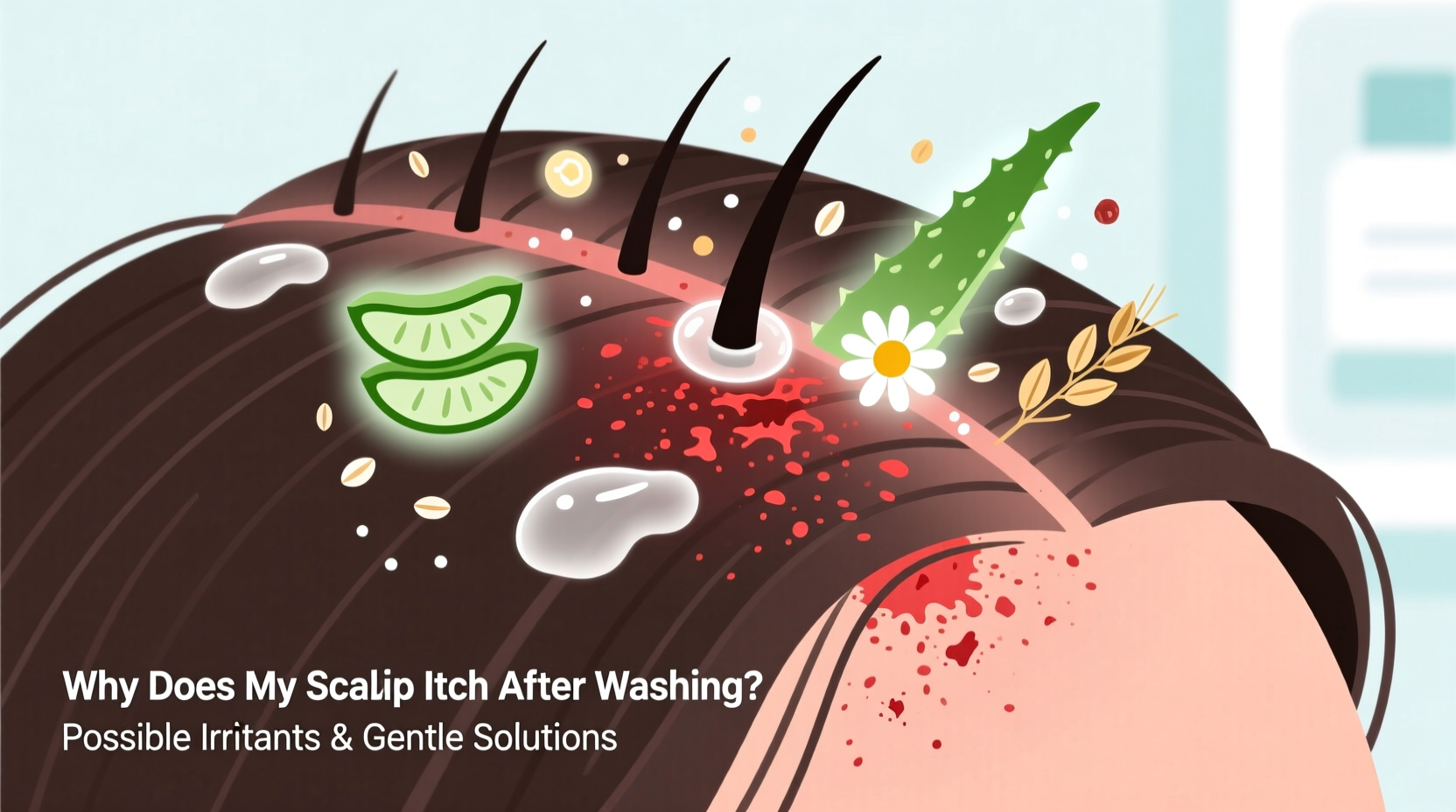
The scalp is a sensitive area rich in sebaceous glands, nerve endings, and blood vessels. When exposed to harsh substances or imbalanced pH levels, it can react quickly with inflammation, dryness, or irritation. Below are the most frequent culprits behind post-washing itch:
- Sulfates (SLS/SLES): These foaming agents strip natural oils, disrupting the scalp’s moisture barrier.
- Artificial Fragrances: Often labeled simply as “fragrance,” these can contain dozens of undisclosed chemicals known to trigger allergic reactions.
- Alcohol-based Ingredients: Certain drying alcohols like ethanol or denatured alcohol can dehydrate the scalp.
- Parabens and Preservatives: Used to extend shelf life, but may provoke sensitivity in some individuals.
- pH Imbalance: A healthy scalp has a slightly acidic pH (around 4.5–5.5). Alkaline shampoos disrupt this balance, leading to irritation.
- Overwashing: Washing too frequently removes essential oils needed to protect the scalp.
- Residue Buildup: Incomplete rinsing or heavy conditioners can clog follicles and cause itching.
Identifying Irritating Ingredients in Your Products
Reading labels is crucial, yet many consumers overlook key components hidden under vague terms. Here’s a breakdown of problematic ingredients commonly found in shampoos and scalp treatments:
| Ingredient | Purpose | Why It May Cause Itching |
|---|---|---|
| Sodium Lauryl Sulfate (SLS) | Foaming agent | Strips natural oils, causes dryness and micro-tears on sensitive scalps |
| Fragrance / Parfum | Scent enhancement | Can contain allergens; one of the top causes of contact dermatitis |
| Methylisothiazolinone | Preservative | Highly allergenic; banned in leave-on products in the EU |
| Propylene Glycol | Moisturizer/carrier | Irritates sensitive skin; linked to stinging sensations |
| Denatured Alcohol | Solvent/drying agent | Disrupts lipid barrier, increases transepidermal water loss |
Even products marketed as “natural” or “gentle” may contain these irritants. Always check the full ingredient list rather than relying solely on front-label claims.
Gentle Alternatives and Soothing Solutions
Switching to scalp-friendly formulations can dramatically reduce or eliminate post-wash itching. The goal is to cleanse without compromising the scalp’s protective barrier. Look for products that prioritize mild surfactants, hydration, and anti-inflammatory properties.
Effective alternatives include:
- Coconut-based cleansers (e.g., cocamidopropyl betaine): Mild foaming agents derived from natural sources.
- Aloe vera: Soothes inflammation and provides lightweight hydration.
- Oat extracts: Calm irritated skin and reinforce the moisture barrier.
- Tea tree oil (diluted): Natural antifungal and antimicrobial; effective against dandruff-related itch.
- Ceramides and panthenol: Help repair the scalp’s lipid layer and retain moisture.
“Patients who switch to fragrance-free, sulfate-free formulas often report immediate improvement in scalp comfort—even if they didn’t realize their previous products were the cause.” — Dr. Lena Reyes, Board-Certified Dermatologist
Step-by-Step Guide to Transitioning to a Gentle Routine
Changing your hair care regimen requires patience, especially if your scalp has become dependent on stripping cleansers. Follow this timeline for a smooth transition:
- Week 1: Audit Your Current Products
Check every bottle in your shower. Note any presence of sulfates, parabens, or synthetic fragrances. Dispose of or phase out high-irritant items. - Week 2: Introduce a Sulfate-Free Shampoo
Start using a gentle, low-foaming formula. Expect less lather—it doesn’t mean it’s not working. - Week 3: Focus on Rinsing Thoroughly
Spend at least 30 seconds rinsing your scalp. Residue is a major trigger for itching. - Week 4: Add a Scalp-Soothing Treatment
Use a weekly rinse with diluted apple cider vinegar (1 part ACV to 3 parts water) to restore pH balance. - Week 5+: Monitor and Adjust
Track changes in itch frequency, flaking, or oiliness. Adjust washing frequency based on your scalp’s response.
When Itching Points to a Deeper Condition
While product irritation is common, persistent itching may signal an underlying dermatological issue. Conditions such as seborrheic dermatitis, psoriasis, or fungal infections often worsen after washing due to increased sensitivity or improper treatment.
Seborrheic Dermatitis: Characterized by redness, greasy scales, and intense itching—often around the hairline and ears. Triggered by yeast overgrowth (Malassezia), stress, or hormonal shifts. Medicated shampoos containing ketoconazole, selenium sulfide, or zinc pyrithione can help.
Psoriasis: Forms thick, silvery plaques on the scalp. Itching can be severe. Requires medical diagnosis and treatment, possibly including topical corticosteroids.
Contact Dermatitis: An allergic or irritant reaction to specific ingredients. Symptoms include burning, redness, and sometimes blistering. Patch testing by a dermatologist can identify triggers.
If symptoms persist beyond four weeks of using gentle products, consult a healthcare provider. Self-diagnosis can delay proper treatment.
Mini Case Study: Recovering From Chronic Scalp Irritation
Sarah, a 32-year-old teacher from Portland, had struggled with daily scalp itching for over two years. She assumed it was dandruff and used strong anti-dandruff shampoos daily, which only worsened the dryness. After consulting a dermatologist, she discovered her scalp wasn’t flaky due to excess oil—but because of chronic irritation from a popular salon-brand shampoo containing methylisothiazolinone.
Her doctor advised discontinuing all fragranced and preserved products. Sarah switched to a minimalist, fragrance-free routine using a coconut-derived cleanser and applied a light aloe-vera-based serum. Within three weeks, her itching decreased by 80%. By week six, she no longer needed medicated washes and reported improved hair texture and shine.
Her case highlights how easily everyday products can cause long-term damage when mismatched to individual skin needs.
Practical Checklist for a Healthier Scalp
To maintain a calm, itch-free scalp, follow this actionable checklist:
- ✅ Read ingredient labels on all hair products
- ✅ Eliminate sulfates, synthetic fragrances, and drying alcohols
- ✅ Wash hair no more than 2–4 times per week (adjust based on oil production)
- ✅ Rinse thoroughly for at least 30 seconds
- ✅ Use lukewarm—not hot—water to prevent stripping oils
- ✅ Limit use of heat styling tools that increase scalp dryness
- ✅ Try a weekly ACV rinse to restore pH balance
- ✅ Consult a dermatologist if itching persists beyond a month
Frequently Asked Questions
Is it normal for my scalp to itch every time I wash my hair?
No, consistent itching after washing is not normal. While occasional tingling may occur due to stimulation of nerve endings during massage, persistent itch suggests irritation, allergic reaction, or an underlying condition. Evaluate your products and consider seeing a specialist if it continues.
Can hard water cause scalp itching?
Yes. Hard water contains high levels of calcium and magnesium, which can leave mineral deposits on the scalp and interfere with shampoo lathering. This leads to residue buildup and dryness. Installing a shower filter or using a chelating shampoo once a week can help mitigate the effects.
Are natural or organic shampoos always safer for sensitive scalps?
Not necessarily. While plant-based ingredients can be beneficial, \"natural\" doesn't mean non-irritating. Essential oils like peppermint or citrus can be highly sensitizing. Always patch test new products behind the ear before full application.
Final Thoughts and Call to Action
Your scalp deserves the same attention as your face when it comes to skincare. Treating it gently, avoiding hidden irritants, and listening to its signals can end the cycle of post-wash itching for good. Small changes—like reading labels, adjusting water temperature, or switching to a sulfate-free formula—can yield significant improvements in comfort and scalp health.
You don’t have to live with constant scratching or discomfort. Start today by examining one product in your routine. Replace it with a gentler alternative and observe how your scalp responds. Share your journey in the comments below—your experience might help someone else find relief too.




 浙公网安备
33010002000092号
浙公网安备
33010002000092号 浙B2-20120091-4
Comments
No comments yet. Why don't you start the discussion?