
An itchy scalp that persists even after a thorough wash can be more than just an annoyance—it’s often a signal from your body that something is off. Many people assume dandruff is the culprit, but allergies, skin conditions, and improper hair care routines can also trigger persistent itching. Understanding the root cause is essential for effective treatment. This article breaks down the differences between dandruff and allergic reactions, explores other potential triggers, and provides actionable solutions to restore scalp health.
Distinguishing Dandruff from Allergic Reactions
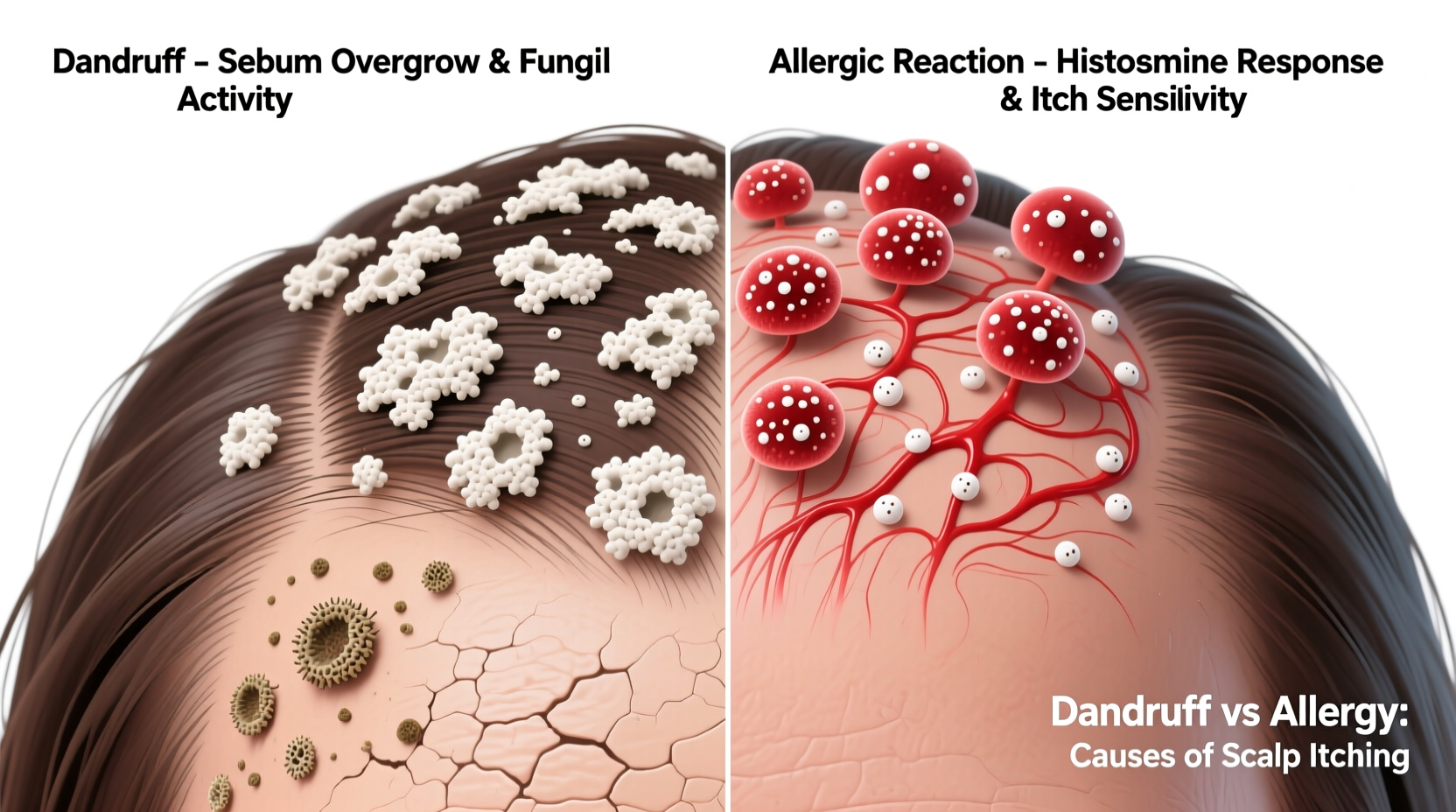
Dandruff and scalp allergies share similar symptoms—itching, flaking, redness—but their underlying causes are fundamentally different. Misdiagnosing one for the other can lead to ineffective treatments and prolonged discomfort.
Dandruff is typically caused by an overgrowth of a naturally occurring yeast called *Malassezia*. This fungus feeds on scalp oils and produces oleic acid, which irritates the skin in sensitive individuals, leading to increased shedding of skin cells. The result is visible white or yellowish flakes, often accompanied by mild inflammation.
In contrast, scalp allergies are immune responses triggered by external substances. These allergens may include ingredients in shampoos, conditioners, styling products, or even hair dyes. Common culprits are fragrances (like limonene or linalool), preservatives (such as methylisothiazolinone), and sulfates. Allergic contact dermatitis develops when the immune system identifies these substances as threats, causing localized itching, swelling, and sometimes blistering.
“Not all flaky scalps are dandruff. A proper diagnosis starts with identifying whether the reaction is metabolic, fungal, or immunological.” — Dr. Lena Patel, Board-Certified Dermatologist
Common Causes of Post-Wash Scalp Itching
Even if you’re using high-quality products and washing regularly, several factors can leave your scalp irritated:
- Dry scalp: Overwashing or using harsh shampoos strips natural oils, leading to dryness and tightness.
- Sensitivity to ingredients: Sulfates, parabens, and synthetic fragrances can inflame sensitive skin.
- Fungal overgrowth: Malassezia thrives in oily environments and can worsen after using occlusive products.
- Seborrheic dermatitis: A chronic form of dandruff with greasy, yellow scales and red patches.
- Contact dermatitis: Allergic or irritant reactions to hair dye, shampoo, or even laundry detergent used on pillowcases.
- Psoriasis: Autoimmune condition causing thick, silvery scales and intense itching.
- Lice or mites: Though less common, microscopic parasites like *Demodex folliculorum* can contribute to irritation.
Comparing Symptoms: Dandruff vs. Allergy
Telling the difference between dandruff and an allergic reaction involves observing not just the flakes, but also their appearance, timing, and response to products.
| Symptom | Dandruff / Seborrheic Dermatitis | Allergic Reaction |
|---|---|---|
| Flakes | White or yellowish, oily, clumpy | Dry, fine, less oily; may appear with red bumps |
| Itch Timing | Constant or worse at night | Starts shortly after product use (within hours or days) |
| Redness | Mild to moderate, patchy | Localized around hairline, ears, neck; may spread |
| Swelling/Blisters | Rare | Possible, especially behind ears or on forehead |
| Triggers | Stress, cold weather, oily scalp | New shampoo, dye, or styling product |
| Response to Antifungal Shampoo | Improves with ketoconazole, selenium sulfide | No improvement or worsens |
Step-by-Step Guide to Identifying the Cause
If your scalp continues to itch despite regular washing, follow this diagnostic process to pinpoint the issue:
- Track product usage: Keep a log of every new hair product introduced in the past 4 weeks, including shampoos, conditioners, sprays, and dyes.
- Eliminate suspected allergens: Stop using all scented or chemically complex products. Switch to a fragrance-free, hypoallergenic shampoo.
- Try an antifungal treatment: Use a medicated shampoo containing 1% ketoconazole or 2.5% selenium sulfide every 3–4 days for two weeks. If symptoms improve, dandruff is likely the cause.
- Check non-hair products: Consider whether laundry detergents, pillowcases, or hats could be transferring irritants.
- Monitor symptom patterns: Note if itching increases after specific activities (e.g., coloring hair, using dry shampoo).
- Consult a dermatologist: If no improvement occurs within 3–4 weeks, seek professional evaluation. Patch testing can confirm allergies.
Real-Life Example: When Hair Dye Triggered Chronic Itching
Sophia, a 34-year-old teacher, began experiencing severe scalp itching two days after coloring her hair at a salon. She assumed it was dandruff and started using an anti-dandruff shampoo, but the condition worsened—her scalp became red, swollen, and developed small blisters near her hairline.
After visiting a dermatologist, she underwent patch testing and discovered an allergy to paraphenylenediamine (PPD), a common ingredient in permanent hair dyes. Her symptoms were not dandruff but allergic contact dermatitis. Upon switching to PPD-free dyes and using corticosteroid cream, her scalp healed within two weeks.
This case highlights how easily an allergic reaction can be mistaken for dandruff—and why symptom tracking and professional input are crucial.
Effective Treatments Based on Cause
The right treatment depends entirely on accurate identification of the underlying issue.
For Dandruff and Seborrheic Dermatitis
- Ketoconazole shampoo (1–2%): Reduces Malassezia yeast. Use twice weekly for 2–4 weeks, then weekly for maintenance.
- Selenium sulfide (1–2.5%): Slows skin cell turnover and fights fungus. Best for oily, flaky scalps.
- Salicylic acid: Exfoliates dead skin. Ideal for thick scaling but may dry the scalp.
- Coal tar: Anti-inflammatory and antifungal. Effective but has a strong odor and may discolor light hair.
For Allergic Reactions
- Discontinue the allergen: Read labels carefully. Avoid fragrances, PPD, formaldehyde-releasing agents.
- Hypoallergenic, fragrance-free products: Look for certifications like “dermatologist-tested” or “suitable for sensitive skin.”
- Topical corticosteroids: Short-term use of low-potency hydrocortisone can reduce inflammation.
- Cold compresses: Soothe acute flare-ups and reduce itching.
Prevention Checklist: Protect Your Scalp Long-Term
Whether you're managing dandruff or avoiding allergens, consistency is key. Follow this checklist to maintain a healthy scalp:
- ✅ Wash hair regularly but avoid overwashing (every 2–3 days is ideal for most).
- ✅ Choose sulfate-free, fragrance-free shampoos if prone to sensitivity.
- ✅ Rinse thoroughly to prevent product buildup.
- ✅ Avoid sharing combs, brushes, or hats to reduce infection risk.
- ✅ Replace old hair products every 6–12 months—preservatives degrade over time.
- ✅ Use lukewarm water—hot water can strip natural oils and worsen dryness.
- ✅ Manage stress through sleep, exercise, or mindfulness—stress exacerbates both dandruff and skin inflammation.
- ✅ Wear gloves when handling strong chemicals or cleaning agents.
Frequently Asked Questions
Can dandruff cause intense itching even after washing?
Yes. Dandruff-related itching often persists post-wash because the underlying fungal activity and inflammation remain untreated. Regular cleansing alone doesn’t address Malassezia overgrowth or skin sensitivity. Medicated shampoos targeting the root cause are necessary for relief.
How long does a scalp allergy last after stopping the product?
Mild reactions may resolve within 1–2 weeks after eliminating the allergen. Severe cases, especially with blistering or oozing, can take 3–4 weeks to heal completely. Topical treatments and avoiding re-exposure speed recovery.
Is it possible to have both dandruff and an allergy at the same time?
Absolutely. Some individuals have seborrheic dermatitis and are also sensitive to certain shampoo ingredients. This dual burden can make symptoms harder to treat. Address one factor at a time—start by eliminating allergens, then introduce antifungal treatments gradually.
When to See a Dermatologist
While many scalp issues respond to over-the-counter care, certain signs warrant professional attention:
- Severe redness, swelling, or oozing
- Blisters or crusting on the scalp or ears
- Hair thinning or loss in itchy areas
- No improvement after 4 weeks of consistent treatment
- Suspected psoriasis, eczema, or fungal infection beyond the scalp
A dermatologist can perform a scalp examination, take skin scrapings, or conduct patch testing to identify allergens. Prescription-strength treatments, such as topical steroids or oral antifungals, may be necessary for stubborn cases.
Conclusion: Take Control of Your Scalp Health
An itchy scalp after washing isn’t something you should simply endure. Whether driven by dandruff, allergies, or another condition, persistent itching is a sign that your scalp needs targeted care. By learning to distinguish between common causes, adjusting your hair care routine, and using evidence-based treatments, you can achieve lasting relief.
Start today: review your current products, eliminate potential irritants, and introduce gentle, effective solutions. Your scalp deserves the same attention as the rest of your skin—treat it with care, and the results will show in comfort, confidence, and healthier hair.




 浙公网安备
33010002000092号
浙公网安备
33010002000092号 浙B2-20120091-4
Comments
No comments yet. Why don't you start the discussion?