
Waking up in the middle of the night with an uncontrollable urge to scratch your scalp is more than just a nuisance—it can disrupt sleep, cause discomfort, and even lead to skin damage if left unmanaged. While occasional itching is normal, persistent nighttime scalp itching points to underlying causes that often go unnoticed. Unlike daytime irritation, which may be masked by activity or distractions, nighttime itching becomes impossible to ignore in the quiet stillness before bed. Understanding why this happens—and what you can do about it—is essential for restoring comfort and improving sleep quality.
Why Nighttime Itching Occurs: The Science Behind the Sensation
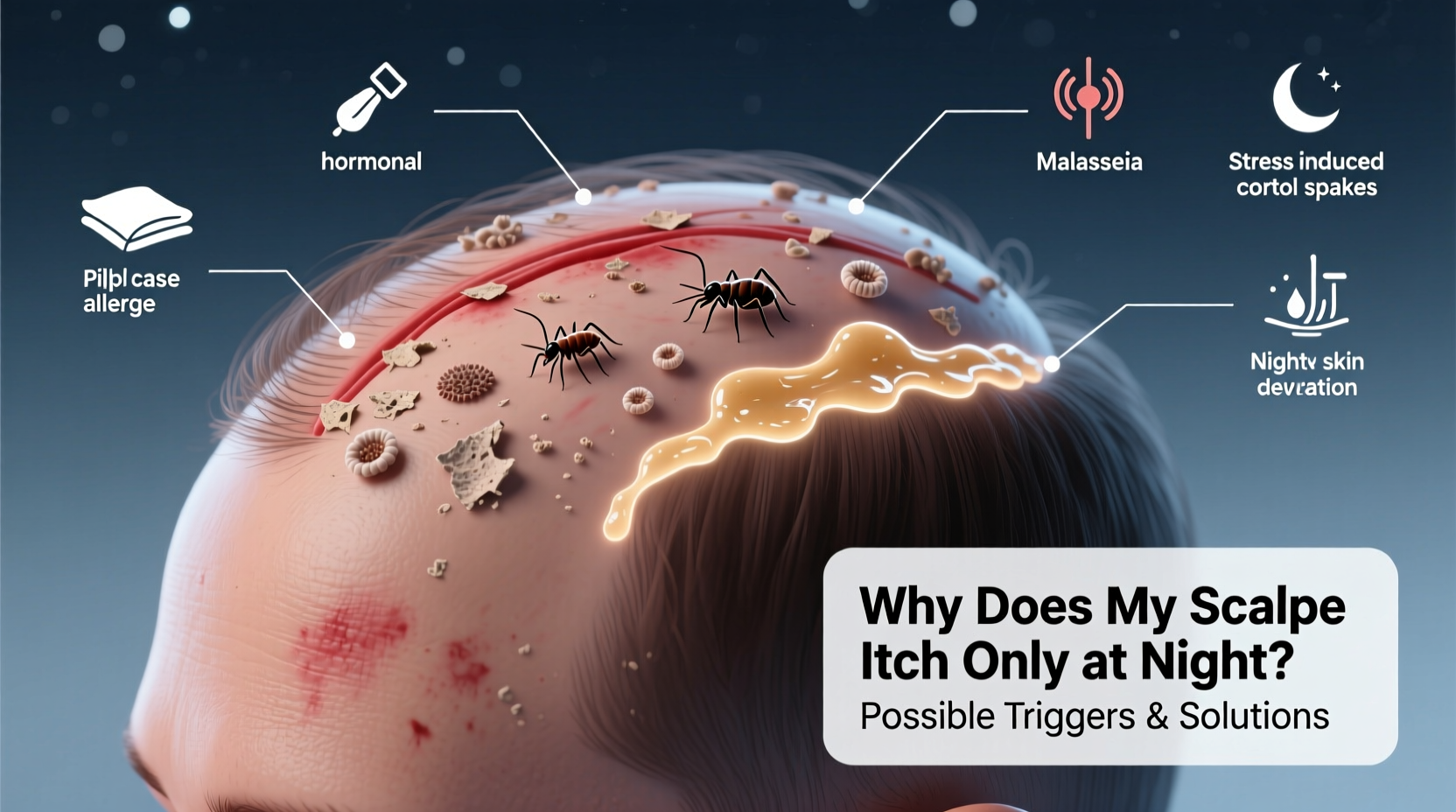
The human body follows a circadian rhythm, a 24-hour internal clock that regulates everything from hormone levels to immune function. During the evening, certain biological changes increase skin sensitivity and inflammatory responses. For instance, core body temperature rises slightly at night, leading to increased blood flow to the skin. This can intensify sensations like itching, especially in sensitive areas such as the scalp.
Additionally, cortisol—a natural anti-inflammatory hormone—peaks in the morning and drops to its lowest levels at night. With less cortisol available to suppress inflammation, any existing scalp condition may flare up after dark. Meanwhile, melatonin, which promotes sleep, has been linked in some studies to heightened pruritus (itching) in individuals predisposed to skin sensitivities.
“Many patients report worsening scalp symptoms at night due to reduced distractions and altered neuroimmune activity during rest cycles.” — Dr. Lena Patel, Board-Certified Dermatologist
This combination of physiological shifts creates the perfect environment for itching to emerge—or worsen—specifically when you're trying to relax or fall asleep.
Common Triggers of Nighttime Scalp Itching
Several factors can contribute to nocturnal scalp irritation. Some are environmental, others biological. Identifying the root cause is crucial for targeted treatment.
Dry Skin and Low Humidity
Indoor heating systems reduce humidity, especially in colder months. Dry air strips moisture from the scalp, leading to flakiness and irritation. Since people spend several consecutive hours under blankets or near heat sources at night, prolonged exposure amplifies dryness-related itching.
Seborrheic Dermatitis
A chronic form of eczema affecting oily areas of the body, seborrheic dermatitis commonly targets the scalp, causing redness, greasy scales, and intense itching. Symptoms often worsen at night due to hormonal fluctuations and lack of external stimulation, making the sensation more noticeable.
Psoriasis
Scalp psoriasis involves the rapid buildup of skin cells, forming thick, silvery scales and itchy patches. Like other autoimmune conditions, psoriatic inflammation tends to follow circadian patterns, peaking during rest periods. Nighttime scratching can further aggravate lesions, creating a cycle of irritation and healing.
Allergic Reactions or Contact Dermatitis
Hair care products containing sulfates, fragrances, parabens, or formaldehyde-releasing preservatives may trigger allergic reactions. Even if applied during the day, delayed hypersensitivity responses can manifest hours later—often right before bedtime. Laundry detergents used on pillowcases may also contain irritants that come into prolonged contact with the scalp overnight.
Pediculosis (Head Lice)
Though more common in children, head lice infestations can affect adults. Lice are most active in warm, dark environments—exactly like a covered pillow at night. Their bites provoke an allergic reaction in the host, resulting in severe itching, typically worse after lights out.
Fungal Infections (e.g., Tinea Capitis)
Ringworm of the scalp isn’t caused by worms but by fungi that thrive in warm, moist conditions. It presents with circular bald patches, scaling, and itching. While not exclusively nocturnal, the absence of competing sensory input at night makes fungal itching more prominent.
Stress and Anxiety
Psychological stress elevates histamine levels and lowers pain thresholds, increasing perception of itchiness. Many people experience racing thoughts or anxiety at bedtime, which can exacerbate physical symptoms like scalp discomfort. This phenomenon, known as psychogenic pruritus, lacks visible skin changes but feels very real to the sufferer.
Do’s and Don’ts: Managing Scalp Irritation
| Do’s | Don’ts |
|---|---|
| Wash hair regularly with gentle, fragrance-free shampoo | Use hot water or scrub aggressively |
| Moisturize scalp with natural oils like jojoba or argan oil | Apply heavy pomades or silicones that clog follicles |
| Change pillowcases every 3–4 days using hypoallergenic detergent | Sleep on unwashed linens or synthetic fabrics |
| Trim nails short to minimize injury from scratching | Scratch with long nails or metal objects |
| Consult a dermatologist if symptoms persist beyond two weeks | Self-diagnose or use steroid creams without medical guidance |
Step-by-Step Guide to Soothing a Night-Itchy Scalp
Relief starts with a systematic approach. Follow these steps to identify, treat, and prevent recurring nighttime scalp itching.
- Track Symptoms Daily: Keep a journal noting when itching occurs, severity, recent product use, diet, and stress levels. Patterns may reveal hidden triggers.
- Evaluate Hair Care Routine: Eliminate shampoos with sulfates, alcohol, or artificial fragrances. Switch to a mild, pH-balanced formula designed for sensitive scalps.
- Clean Bedding Weekly: Wash pillowcases, hats, and towels in fragrance-free detergent at high temperatures to remove allergens, fungi, or lice eggs.
- Perform a Patch Test: Before introducing new products, apply a small amount behind the ear or on the inner forearm. Wait 48 hours to check for redness or swelling.
- Try Targeted Treatments: Use medicated shampoos containing ketoconazole (for fungus), salicylic acid (for psoriasis), or coal tar (for seborrhea) 2–3 times weekly.
- Limit Heat Exposure: Avoid blow dryers, curling irons, and heated styling tools close to the scalp, especially before bed.
- Practice Stress Reduction: Incorporate mindfulness techniques such as deep breathing, meditation, or journaling into your nightly routine to calm nervous system overactivity.
Real-Life Scenario: Maria’s Journey to Relief
Maria, a 34-year-old graphic designer, began experiencing intense scalp itching every night despite having no visible dandruff or rash. She initially blamed stress from tight deadlines but noticed the problem persisted even during vacation. After switching to organic bedding and eliminating her scented dry shampoo, she saw minimal improvement.
Upon consulting a dermatologist, she learned she had developed a contact allergy to methylisothiazolinone—a preservative found in many personal care items, including her conditioner. Once she discontinued all products containing the ingredient and started using a corticosteroid lotion at night, her symptoms resolved within three weeks.
Maria’s case highlights how subtle allergens can go undetected for months, especially when symptoms appear delayed or situational. A methodical elimination process was key to identifying the true culprit.
When to See a Doctor
While mild, temporary itching can often be managed at home, certain signs warrant professional evaluation:
- Persistent itching lasting more than 10–14 days
- Visible sores, bleeding, or crusting on the scalp
- Hair thinning or patchy hair loss
- No improvement after changing products or routines
- Suspected lice or fungal infection
A board-certified dermatologist can perform a scalp examination, take skin scrapings if needed, and recommend prescription treatments such as topical steroids, antifungals, or immunomodulators tailored to your diagnosis.
Frequently Asked Questions
Can my pillowcase really cause scalp itching?
Yes. Pillowcases accumulate sweat, oil, hair products, and allergens over time. Synthetic fabrics like polyester trap moisture and heat, creating an ideal environment for bacterial or fungal growth. Opt for breathable, natural fibers like cotton or bamboo, and wash them frequently in fragrance-free detergent.
Is nighttime scalp itching a sign of something serious?
In most cases, it's not life-threatening but can significantly impact quality of life. However, persistent itching accompanied by systemic symptoms—such as fatigue, joint pain, or weight loss—may indicate an underlying autoimmune disorder or neurological condition and should be evaluated promptly.
Are essential oils safe for an itchy scalp?
Some essential oils, like tea tree or lavender, have antimicrobial and soothing properties. However, they must be diluted properly (typically 2–3 drops per tablespoon of carrier oil) to avoid irritation. Never apply undiluted essential oils directly to the scalp, as they can cause chemical burns or allergic reactions.
Action Plan Checklist
Your Scalp Relief Checklist:
- ☐ Replace harsh shampoos with gentle, sulfate-free alternatives
- ☐ Wash pillowcases twice weekly in hypoallergenic detergent
- ☐ Introduce a humidifier into your bedroom
- ☐ Discontinue use of styling products with known irritants
- ☐ Apply a non-comedogenic scalp oil before bed (e.g., jojoba)
- ☐ Schedule a dermatology appointment if no improvement in 2 weeks
- ☐ Practice pre-sleep relaxation techniques to reduce stress-induced itching
Conclusion: Take Control of Your Comfort
Nighttime scalp itching doesn’t have to be a nightly ritual. By understanding the interplay between biology, environment, and lifestyle, you can pinpoint what’s triggering your discomfort and take meaningful steps toward relief. Whether it’s adjusting your laundry habits, switching products, or seeking expert advice, small changes can yield significant results. Don’t dismiss the issue as inevitable or minor—your sleep and well-being depend on addressing it proactively.




 浙公网安备
33010002000092号
浙公网安备
33010002000092号 浙B2-20120091-4
Comments
No comments yet. Why don't you start the discussion?