
Washing your hair regularly should leave your scalp feeling fresh and clean, but if you're still noticing a sour or unpleasant odor, something deeper is at play. This isn't just about surface cleanliness—it's often related to microbial activity, product buildup, or underlying health factors. Many people assume frequent shampooing will solve the issue, only to find their scalp smelling worse over time. The truth is, improper hygiene practices, chemical imbalances, and lifestyle habits can all contribute to persistent scalp odor, even after a thorough wash.
Understanding the root causes is the first step toward lasting relief. From overwashing to fungal growth, this article explores the science behind sour-smelling scalps and provides practical, dermatologist-backed solutions to restore freshness and confidence.
What Causes a Sour Smell on the Scalp?
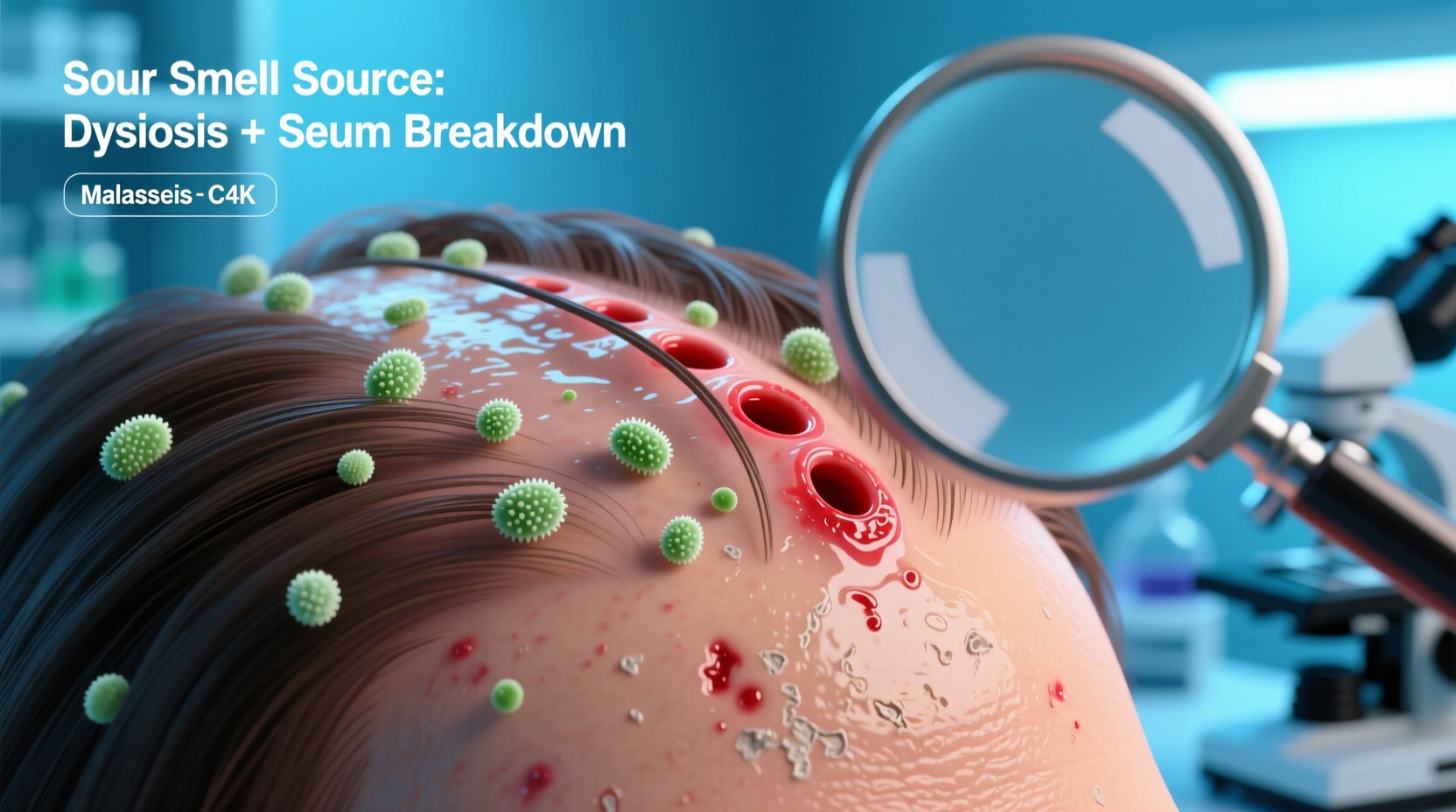
A sour or fermented odor from the scalp typically results from bacterial or yeast overgrowth breaking down sebum (natural scalp oil) and sweat into volatile fatty acids. These compounds emit an acidic, vinegar-like scent—especially noticeable when hair is tied up or in warm environments.
The scalp hosts a complex microbiome, much like the skin on your face or gut. When this balance is disrupted, odor-causing microbes thrive. Common culprits include:
- Malassezia yeast: A naturally occurring fungus that feeds on sebum. Overgrowth leads to dandruff and foul odors.
- Bacterial proliferation: Propionibacterium and Staphylococcus species multiply in oily, moist environments.
- Poor rinsing: Shampoo or conditioner residue creates a breeding ground for microbes.
- Dietary influences: High sugar and dairy intake may increase sebum production and acidity.
- Hormonal fluctuations: Puberty, menstruation, or stress can spike oil production.
It’s important to note that a sour smell doesn’t necessarily indicate poor hygiene. In fact, excessive washing can strip natural oils, prompting the scalp to overproduce sebum—a cycle that worsens odor.
Common Hygiene Mistakes That Worsen Scalp Odor
Many people unknowingly make hygiene choices that exacerbate the problem. Recognizing these habits is crucial for long-term improvement.
1. Over-Shampooing
Washing too frequently disrupts the scalp’s pH (normally around 4.5–5.5), weakening its protective acid mantle. This allows harmful microbes to colonize more easily. Stripped of natural oils, the scalp compensates by producing excess sebum, which feeds odor-causing organisms.
2. Incomplete Rinsing
Leftover shampoo, conditioner, or styling products trap moisture and provide nutrients for bacteria. Pay special attention to the hairline, nape, and areas near the ears—common spots for residue buildup.
3. Using Heavy, Occlusive Products
Oils, waxes, and thick creams can clog follicles and create anaerobic pockets where bacteria flourish. Even “natural” oils like coconut or castor oil can be problematic if not washed out regularly.
4. Not Cleaning Hair Tools
Combs, brushes, and scrunchies accumulate dead skin, oil, and microbes. Using dirty tools reintroduces contaminants to the scalp with every use.
5. Sleeping with Wet Hair
Dampness trapped against the scalp overnight creates a humid environment ideal for fungal and bacterial growth. This is especially common in people who shower before bed.
“Scalp odor is rarely about dirt. It’s usually a sign of microbial imbalance or inappropriate product use.” — Dr. Lena Patel, Board-Certified Dermatologist
Step-by-Step Guide to Eliminate Scalp Odor
Resolving a sour-smelling scalp requires a consistent, multi-step approach. Follow this timeline to reset your scalp health:
- Day 1–3: Clarify Thoroughly
Cleanse with a sulfate-free clarifying shampoo. Focus on massaging the scalp for 2–3 minutes to dislodge buildup. Rinse with lukewarm water—hot water increases oil production. - Day 4–7: Introduce a Medicated Shampoo
Use a shampoo containing one of the following active ingredients every 2–3 days:- Pyridinethione zinc (1%): Antifungal and antibacterial.
- Ketoconazole (1–2%): Targets Malassezia yeast.
- Salicylic acid: Exfoliates dead skin cells and unclogs follicles.
- Day 8–14: Optimize Routine & Product Use
Switch to a gentle, pH-balanced shampoo (ideally between 4.5–5.5). Limit conditioner to mid-lengths and ends. Avoid heavy serums or oils unless fully rinsed within 24 hours. - Ongoing: Maintain Weekly Care
Continue using medicated shampoo once weekly as a preventive measure. Clean brushes with soap and hot water every 7–10 days.
Do’s and Don’ts: Scalp Hygiene Best Practices
| Do | Don’t |
|---|---|
| Wash hair based on your scalp type (oily: every 2–3 days; dry: every 4–5 days) | Shower daily with harsh sulfates if you have a sensitive scalp |
| Rinse thoroughly until water runs clear | Apply conditioner directly to the scalp unless formulated for it |
| Use a microfiber towel to dry hair gently | Rub hair vigorously with a cotton towel, causing friction and irritation |
| Clean combs and hats weekly | Share hair tools or wear unwashed hats |
| Protect scalp from excessive sun and pollution | Sleep with wet or product-coated hair |
Real-Life Example: Sarah’s Scalp Turnaround
Sarah, a 29-year-old teacher, struggled with persistent scalp odor despite washing her hair daily with a popular herbal shampoo. She avoided tying her hair up because the sour smell intensified when it was pinned close to her neck. Frustrated, she visited a dermatologist who identified two key issues: over-washing and product buildup from a leave-in conditioner she applied every morning.
Her treatment plan included switching to a zinc pyrithione shampoo twice weekly, discontinuing the leave-in product, and allowing her hair to air-dry fully before bedtime. Within three weeks, the odor disappeared. By week six, her scalp felt less itchy and oily. Sarah now maintains a balanced routine and no longer feels self-conscious at school.
Her case highlights how well-intentioned habits—like daily washing and using “natural” products—can backfire without proper understanding of scalp biology.
When to See a Doctor
While most cases improve with hygiene adjustments, some require medical evaluation. Seek professional help if you experience:
- Persistent odor despite 4–6 weeks of improved care
- Visible flaking, redness, or sores on the scalp
- Hair thinning or loss in smelly areas
- Signs of infection: pus, swelling, or pain
Conditions like seborrheic dermatitis, psoriasis, or fungal infections (e.g., tinea capitis) may mimic simple odor issues but need prescription treatments such as topical antifungals or corticosteroids.
Frequently Asked Questions
Can diet affect scalp odor?
Yes. Foods high in sugar, dairy, and processed fats can increase sebum production and alter its composition, making it more prone to bacterial breakdown and odor. Some people report improvements after reducing dairy and refined carbs. Staying hydrated also helps flush toxins and regulate oil consistency.
Is apple cider vinegar safe for the scalp?
In diluted form (1 part ACV to 3 parts water), it can help restore scalp pH and reduce microbial load due to its acetic acid content. However, avoid using it on broken skin or irritated areas, and never leave it on for more than 5–10 minutes. Overuse can cause dryness and sensitivity.
Why does my scalp smell sour only when I sweat?
Sweat itself is odorless, but when mixed with sebum and bacteria on the scalp, it creates an environment where volatile organic compounds form. This is especially common in people with oily scalps or those wearing hats during exercise. Washing within a few hours of sweating helps prevent odor development.
Checklist: Your 7-Day Scalp Reset Plan
Follow this actionable checklist to begin reversing scalp odor:
- ☐ Assess your current shampoo—does it contain sulfates or silicones?
- ☐ Purchase a medicated shampoo with ketoconazole or zinc pyrithione.
- ☐ Wash your hairbrush and any headwear with hot, soapy water.
- ☐ Commit to washing only every 2–3 days for the next week.
- ☐ Massage shampoo into the scalp for at least 2 minutes each wash.
- ☐ Rinse thoroughly until no slip or residue remains.
- ☐ Air-dry completely before going to bed.
- ☐ Re-evaluate after 7 days—note changes in smell, oiliness, and comfort.
Conclusion: Take Control of Your Scalp Health
A sour-smelling scalp isn’t a life sentence. With the right knowledge and consistent care, you can restore balance and enjoy truly clean, healthy hair. The key lies in treating the scalp as living skin—not just an extension of your hairstyle. Avoid over-cleansing, choose products wisely, and listen to what your body is telling you.
Start today: examine your routine, identify one habit to change, and take the first step toward a fresher, more confident you. Small adjustments compound into lasting results.




 浙公网安备
33010002000092号
浙公网安备
33010002000092号 浙B2-20120091-4
Comments
No comments yet. Why don't you start the discussion?