
A sudden tingling sensation on your scalp after applying conditioner can be surprising—and sometimes concerning. While many people assume it’s just a harmless quirk of the product, others worry it could signal irritation or an allergic reaction. The truth is, scalp tingling isn’t uncommon, but it shouldn’t be ignored. Understanding the root causes—from active ingredients to pH imbalances—can help you make informed choices about your haircare products and protect your scalp health in the long term.
What Causes Scalp Tingling After Conditioner Use?
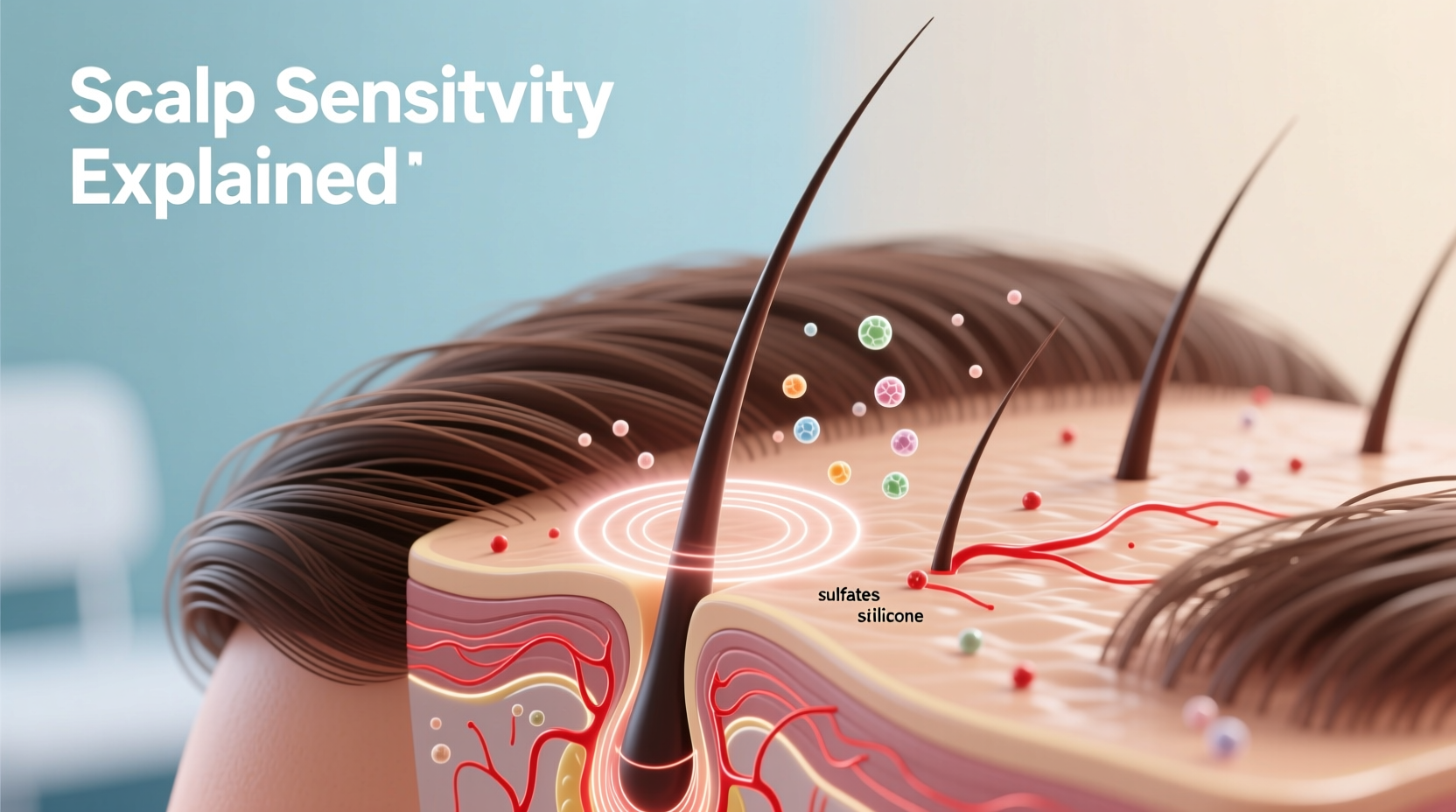
The scalp is one of the most sensitive areas on the body, densely packed with nerve endings and sebaceous glands. When you apply conditioner, especially formulas containing specific functional ingredients, those nerves may react in unexpected ways. The tingling sensation typically stems from one or more of the following factors:
- Active cooling agents: Ingredients like menthol, eucalyptus, or peppermint oil are often added to conditioners for their refreshing feel. These compounds activate TRPM8 receptors in the skin—responsible for sensing cold—which can create a cooling or tingling effect.
- pH imbalance: Healthy scalp pH ranges between 4.5 and 5.5. Conditioners that are too alkaline (above pH 7) can disrupt this balance, leading to temporary irritation or a prickly sensation as the skin reacts.
- Allergic reactions or sensitivities: Some individuals are sensitive to preservatives such as methylisothiazolinone, parabens, or fragrances commonly found in commercial conditioners. Even natural extracts like tea tree oil or citrus derivatives can trigger mild neurosensory responses.
- Alcohol-based solvents: Certain conditioners contain denatured alcohol or ethanol as carriers for fragrance or actives. These can dry out the scalp barrier, causing micro-irritation and a stinging or tingling feeling, especially if applied directly to broken or inflamed skin.
- Increased blood flow: Some conditioning treatments include stimulating ingredients designed to improve circulation. While marketed for “scalp energizing,” they can cause a temporary buzzing or warm-tingle sensation due to vasodilation.
Common Culprit Ingredients to Watch For
Not all conditioners are created equal. While some formulations prioritize nourishment and moisture, others focus on sensory appeal or marketing claims like “invigorating” or “deep cleanse.” This often leads to the inclusion of potent actives that affect nerve signaling or alter the scalp environment. Below is a breakdown of frequently used ingredients known to cause tingling sensations:
| Ingredient | Purpose in Conditioner | Likelihood of Causing Tingling |
|---|---|---|
| Menthol | Cooling agent, provides fresh sensation | High – activates cold-sensitive nerves |
| Peppermint Oil | Fragrance, antimicrobial properties | High – volatile compound stimulates TRP channels |
| Eucalyptus Extract | Fragrance, soothing additive | Moderate – mild stimulant effect |
| Salicylic Acid | Exfoliant, removes buildup | Moderate – may irritate sensitive scalps |
| Tea Tree Oil | Antifungal, anti-inflammatory | Moderate to High – potent essential oil; can sensitize |
| Denatured Alcohol | Solvent, helps blend ingredients | Low to Moderate – drying, especially on compromised skin |
| Fragrance (Parfum) | Scent enhancement | Variable – synthetic blends may contain undisclosed irritants |
It's important to note that even “natural” ingredients aren't inherently safe for every scalp type. Essential oils, while plant-derived, are highly concentrated and biologically active. Their ability to penetrate skin quickly means they can interact directly with nerve endings, triggering transient tingling—even without visible inflammation.
When Is Tingling Normal vs. a Warning Sign?
Some degree of tingling—especially with products labeled as “refreshing,” “cooling,” or “stimulating”—may be intentional and short-lived. However, distinguishing between benign sensory feedback and potential irritation is crucial for maintaining scalp integrity.
A normal response usually includes:
- A brief cooling or slight tingle that fades within 30–60 seconds
- No visible redness, swelling, or rash
- No lasting discomfort once rinsed off
- Consistent experience across uses without worsening symptoms
In contrast, warning signs suggest the product may not be compatible with your scalp chemistry:
- Tingling intensifies over time instead of subsiding
- Burning, stinging, or itching develops during or after use
- Scalp becomes red, flaky, or develops small bumps
- Symptoms persist hours after washing or worsen with repeated application
“Transient tingling from cooling agents is generally harmless, but persistent discomfort indicates barrier disruption or hypersensitivity. The scalp should never feel painful or raw after routine care.” — Dr. Lena Torres, Board-Certified Dermatologist & Hair & Scalp Specialist
Step-by-Step Guide to Identifying Problematic Products
If you're experiencing unexplained tingling, follow this methodical approach to pinpoint the cause and restore scalp comfort:
- Stop Using New or Suspicious Products
Immediately discontinue any recently introduced conditioner. Wait 3–5 days using only a gentle shampoo and water to allow your scalp to reset. - Check Ingredient Labels
Review the full list of ingredients in the suspect conditioner. Highlight anything unfamiliar or known to be irritating (e.g., menthol, fragrance, alcohol). Compare it to other products you’ve used without issue. - Perform a Patch Test
Apply a small amount of the conditioner behind your ear or on the inner forearm. Wait 24 hours. If redness, itching, or swelling occurs, avoid using it on your scalp. - Switch to a Fragrance-Free, Hypoallergenic Formula
Choose a minimalist conditioner free from essential oils, dyes, and harsh preservatives. Look for labels like “dermatologist-tested” or “suitable for sensitive skin.” - Monitor Your Scalp’s Response Over 1–2 Weeks
Reintroduce one product at a time. Track any changes in sensation, texture, or appearance. Keep a simple journal noting products used and reactions observed. - Consult a Professional if Symptoms Continue
If tingling persists despite switching products, consider seeing a dermatologist. You may have an underlying condition like seborrheic dermatitis, psoriasis, or a contact allergy requiring medical evaluation.
Real-Life Example: Sarah’s Reaction to a “Natural” Conditioner
Sarah, a 34-year-old teacher with curly hair, switched to a new sulfate-free conditioner advertised as “organic” and “scalp-soothing.” Within minutes of her first use, she felt a sharp tingling along her hairline. She assumed it was normal due to the peppermint scent listed in the ingredients. But after three uses, the tingling turned into burning, and she developed flaky patches near her temples.
She stopped using the product and consulted a trichologist, who reviewed the label and identified tea tree oil and citric acid as likely culprits. Though both are plant-based, they were present in high concentrations. A patch test confirmed mild reactivity. Sarah switched to a fragrance-free, low-pH conditioner formulated for sensitive scalps. Her symptoms resolved within ten days, and she now carefully reviews ingredient lists before trying new products.
This case illustrates how marketing terms like “natural” or “gentle” don’t guarantee compatibility—and why paying attention to bodily signals matters.
How to Choose a Safer Conditioner for Sensitive Scalps
Selecting the right conditioner involves more than matching your hair type. For those prone to tingling or irritation, formulation quality takes priority. Consider these guidelines when shopping:
- Avoid added fragrances: Choose “fragrance-free” rather than “unscented,” which may still contain masking scents.
- Look for low-alcohol formulas: Avoid products listing “alcohol denat” or “ethanol” high in the ingredient list.
- Check the pH: Ideal conditioners should be slightly acidic (pH 4.5–6.0) to support the scalp’s natural barrier.
- Prioritize ceramides and fatty acids: These help reinforce the lipid layer and reduce trans-epidermal water loss.
- Steer clear of strong exfoliants: Salicylic acid, glycolic acid, or physical scrubs are better suited for scalp treatments than daily conditioners.
Checklist: Choosing a Scalp-Safe Conditioner
- ✅ Free from synthetic fragrances and essential oils
- ✅ No alcohol listed in top five ingredients
- ✅ Contains moisturizing agents (e.g., panthenol, shea butter)
- ✅ Packaged to protect stability (airless pump, dark bottle)
- ✅ Dermatologist-tested or clinically proven for sensitive skin
- ✅ pH-balanced (ideally between 4.5 and 5.8)
Frequently Asked Questions
Is it safe to continue using a conditioner that makes my scalp tingle?
Occasional, fleeting tingling from cooling ingredients is usually safe if no other symptoms occur. However, ongoing or uncomfortable sensations suggest incompatibility. Chronic irritation can compromise the scalp barrier, increasing sensitivity over time. Discontinue use if the sensation feels unpleasant or persists.
Can a conditioner cause nerve-related tingling?
While conditioners don’t damage nerves, certain ingredients (like menthol) directly stimulate sensory nerve endings responsible for temperature detection. This creates a false signal of cold or tingling. It’s a pharmacological effect, not nerve damage, but it can be intense in sensitive individuals.
Why do some “soothing” conditioners actually irritate my scalp?
Marketing terms like “soothing” or “calming” often refer to intended benefits, not universal safety. Ingredients like chamomile or aloe vera may calm some users but trigger reactions in others. Additionally, “soothing” products sometimes include counter-irritants (like menthol) to create a perceived cooling effect, which can backfire on reactive scalps.
Final Thoughts: Listen to Your Scalp
Your scalp communicates through sensation. Tingling after conditioner use isn’t something to automatically dismiss as “normal” or “just part of the process.” While some formulas are designed to invigorate, true haircare should enhance comfort, not compromise it. By learning to decode ingredient labels, recognizing early signs of irritation, and choosing products aligned with your skin’s needs, you can maintain a healthy, balanced scalp environment.
Don’t let misleading claims or appealing scents override your body’s feedback. Small adjustments in your routine—such as switching to a hypoallergenic formula or patch-testing new products—can prevent long-term sensitivity. Your hair thrives best when your scalp is calm, hydrated, and irritation-free.




 浙公网安备
33010002000092号
浙公网安备
33010002000092号 浙B2-20120091-4
Comments
No comments yet. Why don't you start the discussion?