
Observing your pet scorpion suddenly vanish into the substrate can be alarming, especially if you're unfamiliar with its natural behaviors. Burying is a common activity among many scorpion species, but the reasons behind it vary widely. While it often signals preparation for molting—a crucial stage in growth—it can also indicate stress, poor enclosure conditions, or health issues. Understanding the context behind this behavior is essential for responsible scorpion keeping. This guide breaks down the biological, environmental, and behavioral factors that influence burial, helping you distinguish between healthy molting rituals and potential red flags.
The Natural Instinct to Bury: A Survival Mechanism
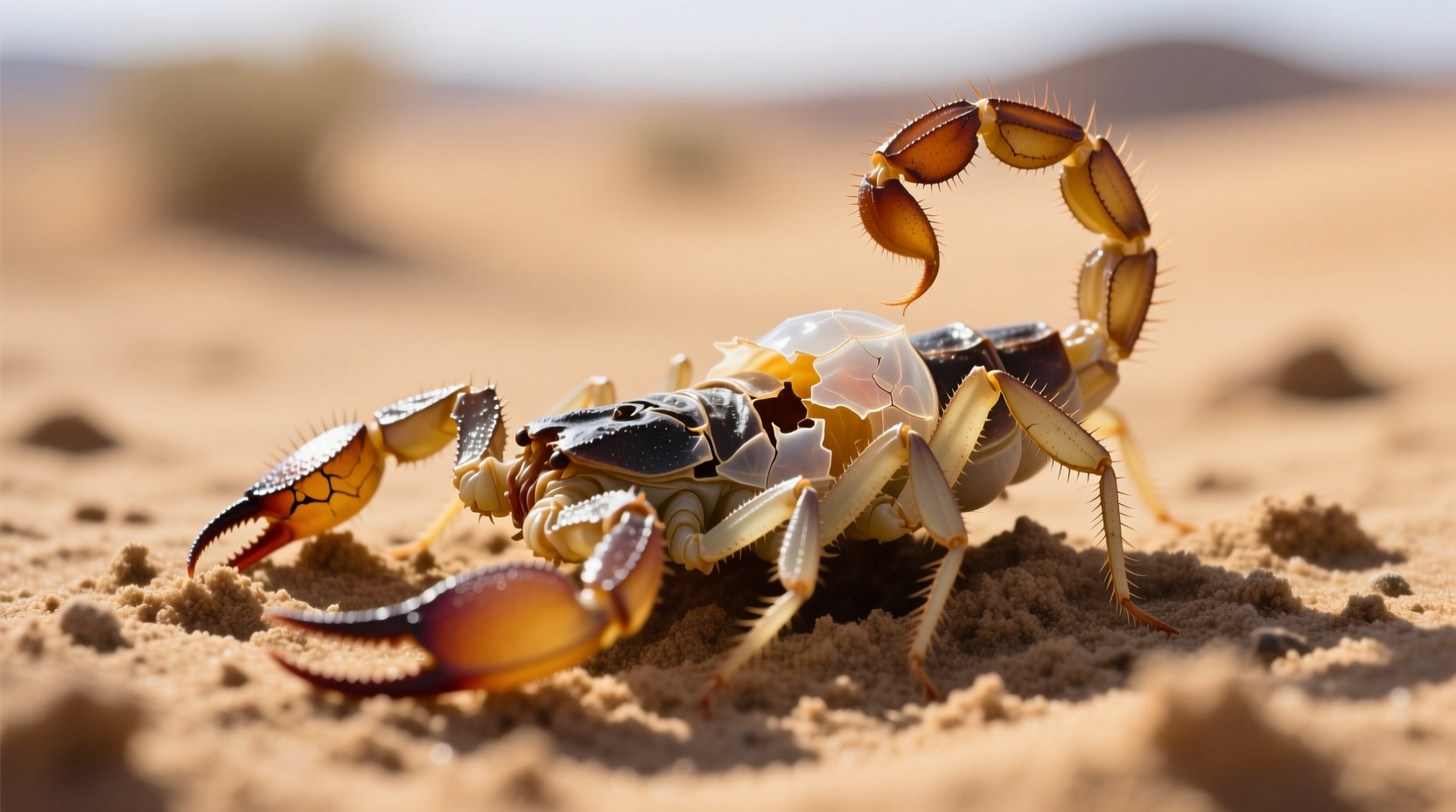
Scorpions are fossorial creatures by nature, meaning they are adapted to digging and living underground. In the wild, species like the Emperor scorpion (*Pandinus imperator*) and the Arizona bark scorpion (*Centruroides sculpturatus*) spend much of their time hidden beneath soil, leaf litter, or rocks. Burrowing serves multiple survival purposes:
- Thermoregulation: Soil provides insulation from extreme temperatures, allowing scorpions to maintain a stable microclimate.
- Predator Avoidance: Remaining hidden reduces exposure to birds, reptiles, and mammals.
- Hunting Strategy: Ambush predators use burrows as traps, waiting just below the surface to seize passing prey.
- Humidity Control: Substrate retains moisture better than open air, which is vital for species requiring higher humidity levels.
In captivity, these instincts remain strong. Even in well-designed enclosures, scorpions may choose to bury themselves simply because it’s instinctual. However, sudden or prolonged burial—especially if accompanied by other changes in behavior—warrants closer inspection.
Molting: The Primary Reason for Prolonged Hiding
One of the most common reasons a scorpion will bury itself is to prepare for molting. Molting, or ecdysis, is the process by which arthropods shed their old exoskeleton to grow a new, larger one. Since scorpions have rigid external skeletons, they cannot grow continuously—they must periodically molt to increase in size.
The molting cycle begins weeks before the actual event. During this pre-molt phase, scorpions become less active, stop eating, and often seek out secluded, humid spots. Burying provides the ideal environment: darkness, stability, and high humidity—all critical for successful shedding.
Signs Your Scorpion Is Preparing to Molt
- Cessation of feeding for 1–3 weeks
- Increased time spent buried or under hides
- Glass surfing or restless movement (less common)
- Darker or cloudier appearance of the exoskeleton
- Swollen or bloated abdomen due to fluid retention used in the molting process
“Molting is the most vulnerable period in a scorpion’s life. Disturbance during this time can lead to incomplete shedding, limb loss, or death.” — Dr. Alan Van Dyke, Arachnid Biologist, University of Arizona
What Happens During Molting?
The scorpion absorbs fluid into its body to split the old exoskeleton along a weak seam. It then slowly extracts itself, starting with the cephalothorax and ending with the tail. The new exoskeleton is soft and pale, hardening over several days. During this post-molt phase, the scorpion remains buried to avoid predators and physical damage while its new shell calcifies.
Younger scorpions molt more frequently—sometimes every few weeks—while adults may only molt once a year or less. Each molt allows for incremental growth, though the rate depends on species, diet, temperature, and overall health.
When Burial Signals Distress or Poor Conditions
While burial is often normal, it can also be a coping mechanism for stress or suboptimal habitat conditions. If your scorpion buries itself immediately after introduction to a new tank, it may be adjusting. But persistent or frantic digging, refusal to emerge, or visible signs of discomfort suggest underlying problems.
Common Causes of Stress-Induced Burial
- Inadequate Humidity: Too dry an environment forces scorpions to dig deeper in search of moisture.
- Excessive Light Exposure: Scorpions are nocturnal and photophobic; bright lights prompt hiding.
- Overhandling: Frequent handling increases stress and may trigger defensive burial.
- Poor Substrate: Hard, compacted, or overly wet substrate prevents proper tunneling and causes frustration.
- Incorrect Temperature: Temperatures outside the species-specific range (typically 75–85°F) cause discomfort.
- Lack of Hides: Without secure shelters, scorpions feel exposed and resort to self-dug refuges.
If your scorpion digs rapidly, abandons tunnels, or appears to be “panicking” in the substrate, assess enclosure conditions immediately. These behaviors differ from the calm, deliberate excavation seen during pre-molt phases.
Do’s and Don’ts When Your Scorpion Is Buried
| Do’s | Don’ts |
|---|---|
| Maintain consistent humidity (60–80% for tropical species) | Disturb the scorpion once it’s buried |
| Provide a water dish and mist the enclosure regularly | Dig it up to “check on it” |
| Keep the enclosure quiet and undisturbed | Change substrate or decor during suspected molting |
| Monitor for shed exoskeleton after 2–3 weeks | Feed the scorpion during pre-molt or molting |
| Ensure proper ventilation to prevent mold | Expose to loud noises or vibrations |
Step-by-Step Guide: What to Do When Your Scorpion Disappears
- Assess Recent Behavior: Did it stop eating? Was it moving slowly or acting lethargic? These may be pre-molt signs.
- Check Enclosure Conditions: Verify temperature, humidity, and substrate moisture. Adjust if outside recommended ranges.
- Avoid Disturbance: Do not dig or probe the substrate. Wait at least 2–3 weeks before assuming something is wrong.
- Look for the Exuvia: After molting, the old exoskeleton (exuvia) is often left near the burrow entrance. Finding it confirms a successful molt.
- Resume Feeding Gradually: Once the scorpion reappears and moves normally, offer small prey items. Wait until the new exoskeleton has hardened (usually 7–10 days).
- Contact a Specialist if Concerned: If no exuvia is found and the scorpion doesn’t reappear after 4 weeks, consult an experienced keeper or veterinarian familiar with arachnids.
Mini Case Study: The Overlooked Molt
Jamal, a first-time scorpion owner, noticed his young Emperor scorpion hadn’t eaten in two weeks and had buried itself completely. Worried it was sick or dying, he considered removing it from the tank to inspect it. Instead, he researched molting behaviors and decided to wait. He maintained proper humidity by lightly misting the side of the enclosure and avoided all disturbances. Three weeks later, the scorpion emerged—larger, paler, and moving cautiously. Near the burrow entrance, Jamal found the intact exuvia. By resisting the urge to intervene, he allowed a natural and delicate process to unfold safely. His patience paid off with a healthy, growing scorpion.
FAQ: Common Questions About Scorpion Burial
How long do scorpions stay buried during molting?
The duration varies by species and age. Juveniles may remain buried for 1–2 weeks, while adults can stay hidden for 3–4 weeks. The entire process—from pre-molt to full hardening—can take up to a month.
Should I remove my scorpion’s hide if it buries under it?
No. Hides provide security and help retain humidity. Removing them disrupts the microenvironment and stresses the animal. Only clean or replace hides when the scorpion is active and observed outside its shelter.
Can a scorpion die while molting?
Yes. Molting is inherently risky. Causes of failure include low humidity (leading to desiccation), physical obstruction, poor nutrition, or disturbance. A failed molt may result in deformities, stuck exoskeleton, or death. Preventative care—especially stable humidity—is critical.
Preventive Care Checklist for Healthy Scorpion Keeping
- ✅ Use deep, moisture-retentive substrate (coconut fiber, loam mix)
- ✅ Maintain species-appropriate temperature (use a thermostat-controlled heat mat if needed)
- ✅ Keep humidity between 60–80% for tropical species; 40–60% for desert species
- ✅ Provide a shallow water dish and mist weekly
- ✅ Offer appropriately sized prey 1–2 times per week (reduce during suspected pre-molt)
- ✅ Minimize handling and environmental disturbances
- ✅ Monitor for signs of molting and adjust care accordingly
- ✅ Quarantine new scorpions before introducing them to existing setups
Conclusion: Respecting Nature’s Rhythms
Understanding why your scorpion buries itself is fundamental to providing responsible care. In most cases, burial is a natural, even necessary, behavior tied to molting or environmental adaptation. Recognizing the signs of a healthy molt versus stress-induced hiding empowers you to respond appropriately—often by doing nothing at all. Patience, observation, and proper husbandry create the foundation for a thriving scorpion. Resist the temptation to interfere unnecessarily. Instead, focus on maintaining optimal conditions and trusting your pet’s instincts. With time, you’ll learn to read its behaviors and support its lifecycle with confidence.




 浙公网安备
33010002000092号
浙公网安备
33010002000092号 浙B2-20120091-4
Comments
No comments yet. Why don't you start the discussion?