
Many people assume that if they’re using a quality shampoo and washing their hair regularly, their scalp and strands should feel clean. Yet, a surprising number experience persistent buildup—hair that feels dull, coated, or sticky even after washing. This residue isn’t just unpleasant; it can clog follicles, cause irritation, and interfere with hair treatments. The root of the issue often lies not in poor hygiene but in mismatched products, water chemistry, or incorrect washing techniques. Understanding why residue forms and how to eliminate it is essential for achieving truly clean, healthy hair.
What Is Shampoo Residue and Why Does It Form?
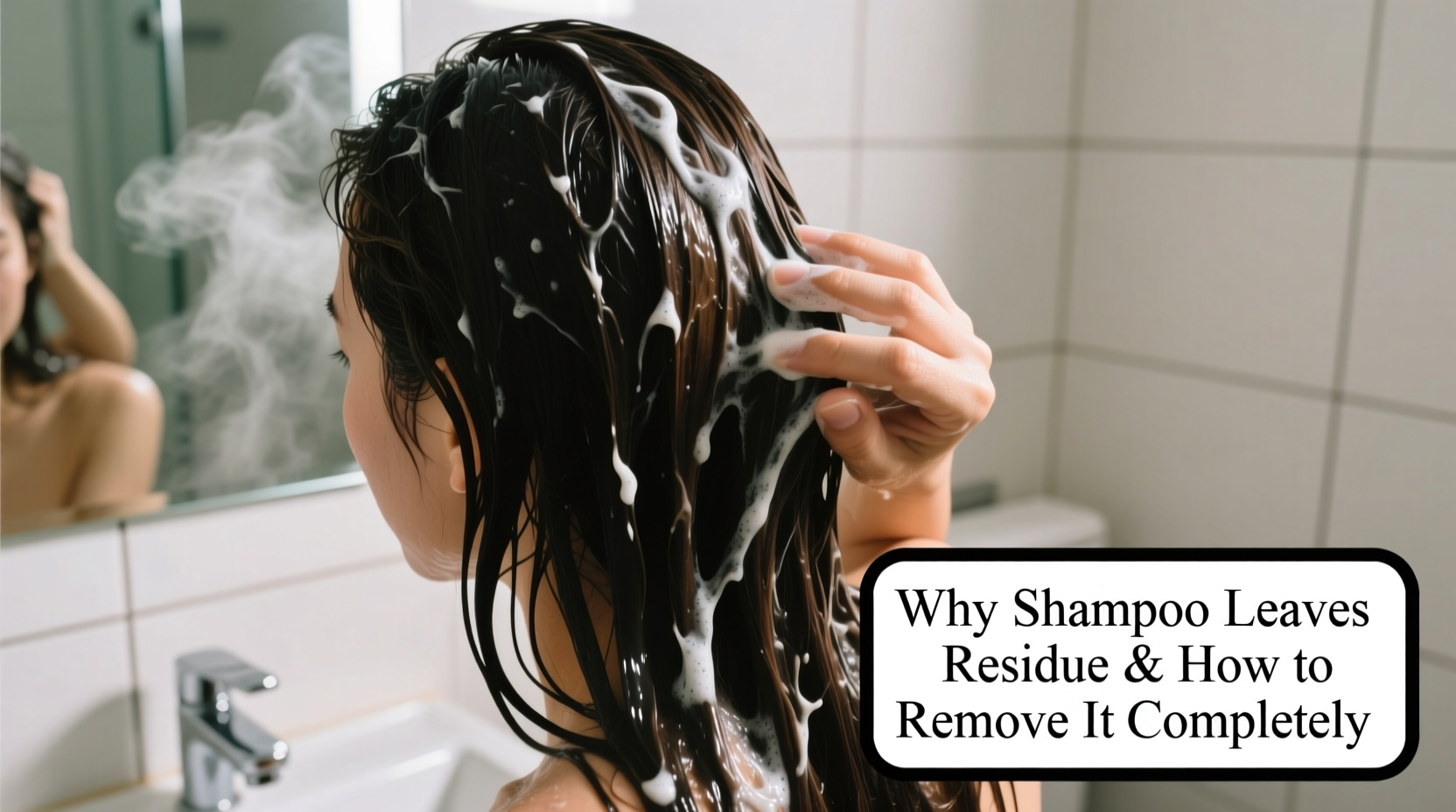
Shampoo residue refers to the invisible (or sometimes visible) film left behind on the scalp and hair shaft after washing. It’s typically composed of leftover surfactants, silicones, waxes, hard water minerals, and sebum that weren’t fully rinsed away. While some ingredients are designed to coat the hair for smoothness, over time they accumulate—especially when combined with environmental pollutants or product layering.
The primary culprits include:
- Silicones: Found in many shampoos and conditioners, ingredients like dimethicone provide slip and shine but don’t dissolve in water. Non-water-soluble silicones build up unless removed with clarifying agents.
- Hard water minerals: Calcium and magnesium in tap water react with shampoo components, forming insoluble salts that stick to hair.
- Waxy emollients: Ingredients such as cetyl alcohol or stearyl alcohol are conditioning agents but can leave a heavy coating on fine or low-porosity hair.
- Insufficient rinsing: Not spending enough time rinsing—or using lukewarm instead of cool water—can trap product beneath the cuticle layer.
- Over-conditioning: Applying conditioner to the scalp or using too much product contributes significantly to buildup.
“Residue isn’t always due to dirty hair—it’s often a chemical mismatch between your water, your products, and your hair type.” — Dr. Lena Torres, Trichologist and Hair Science Researcher
How to Tell If You Have Product Buildup
Residue doesn’t always appear obvious. Unlike dandruff or oiliness, buildup develops gradually. Look for these subtle signs:
| Sign | Description |
|---|---|
| Limp, flat hair | Hair lacks volume and appears weighed down shortly after washing. |
| Dull appearance | Strands look cloudy or lack natural shine despite being “clean.” |
| Itchy or flaky scalp | Buildup blocks pores and disrupts natural exfoliation, leading to irritation. |
| Reduced lather | New shampoo produces little foam because residue prevents surfactants from working. |
| Tactile film | Fingers glide smoothly over strands but detect a slippery or waxy coating. |
Step-by-Step Guide to Remove Shampoo Residue Completely
Eliminating residue requires more than just washing harder. A strategic approach ensures deep cleansing without stripping moisture. Follow this five-step process weekly or biweekly, depending on your hair’s exposure to styling products and water hardness.
- Pre-wash oil treatment (optional): For severe buildup, apply 1–2 teaspoons of coconut or jojoba oil to dry hair, focusing on mid-lengths and ends. Let sit for 20 minutes. This softens stubborn deposits and protects hair during cleansing.
- Thorough wetting: Rinse hair under warm water for at least one full minute. Saturated hair allows shampoo to distribute evenly and reduces friction-related damage.
- First wash with clarifying shampoo: Use a sulfate-based or chelating formula (look for EDTA or citric acid). Apply only to the scalp, massage vigorously for 60 seconds, then rinse completely. Avoid repeating unless necessary—overuse can dry the scalp.
- Vinegar or citric rinse: Mix 1 part apple cider vinegar or lemon juice with 3 parts cool water. Pour over hair, let sit for 2–3 minutes, then rinse. This dissolves mineral deposits and closes the cuticle.
- Final cool water flush: Finish with a 30-second blast of cool water. It seals the hair shaft, removes lingering particles, and boosts shine.
“Cool water at the end of a wash is underrated. It physically flushes out trapped debris and improves the hair’s reflective surface.” — Marcus Reed, Master Stylist and Educator
Choosing the Right Products to Prevent Future Buildup
Not all shampoos are created equal. Some are formulated to deposit ingredients rather than remove them. To avoid recurring residue, evaluate labels carefully and consider your hair’s porosity and your local water conditions.
Look for:
- Sulfate-free vs. sulfate-containing: Sulfates (e.g., SLS, SLES) are effective cleansers but can be harsh. For regular maintenance, milder sulfates like sodium lauryl sulfoacetate may suffice. Reserve strong sulfates for monthly clarifying.
- Water-soluble silicones: Ingredients like amodimethicone PEG-7 or dimethicone copolyol rinse out easily and reduce long-term accumulation.
- Chelating agents: Shampoos with EDTA, citric acid, or phytic acid bind to metals in hard water, preventing mineral buildup.
- pH-balanced formulas (4.5–5.5): Maintain the scalp’s natural acidity, reducing irritation and improving cleansing efficiency.
Mini Case Study: Sarah’s Hard Water Struggles
Sarah, a 34-year-old graphic designer from Denver, noticed her hair felt consistently greasy by day two, despite daily washing. Her stylist suggested a clarifying shampoo, but results were temporary. After testing her tap water, she discovered high calcium levels—classic hard water.
She switched to a chelating shampoo containing EDTA and installed a shower filter. Within three weeks, her hair responded dramatically: improved lather, reduced frizz, and longer freshness between washes. She now uses a vinegar rinse monthly and reports her scalp irritation has vanished.
Sarah’s case illustrates how environmental factors can override even good haircare habits. Addressing the root cause—water quality—was key to lasting improvement.
Do’s and Don’ts of Residue Prevention
| Action | Do | Don’t |
|---|---|---|
| Washing frequency | Wash every 2–3 days with appropriate shampoo | Overwash with harsh formulas daily |
| Rinsing | Spend 1–2 minutes ensuring complete rinse-out | Rush rinsing to save time |
| Conditioner use | Apply only from ears down | Smear conditioner on the scalp |
| Product selection | Choose water-soluble or low-residue formulas | Use heavy oils or non-rinse silicones daily |
| Water temperature | End with cool water | Finish with hot water, which opens cuticles |
Frequently Asked Questions
Can shampoo residue cause hair loss?
While residue itself doesn’t directly cause genetic or hormonal hair loss, it can contribute to thinning by clogging follicles and creating an inhospitable scalp environment. Chronic buildup may lead to inflammation, weakened roots, and increased shedding. Regular cleansing helps maintain follicle health.
Is baking soda a safe way to remove buildup?
Baking soda has a high pH (~9), which can disrupt the scalp’s natural acidity and weaken the hair cuticle over time. Occasional use may help, but frequent application leads to dryness and breakage. A gentler alternative is a diluted apple cider vinegar rinse, which has antimicrobial properties and a pH closer to hair’s natural level.
How often should I clarify my hair?
Most people benefit from clarifying once every 2–4 weeks. Those who use heavy styling products, swim frequently, or live in hard water areas may need weekly sessions. Fine or oily hair types can tolerate more frequent cleansing, while curly or coarse textures should limit clarifying to avoid dehydration.
Checklist: Eliminate and Prevent Shampoo Residue
- ✔ Assess your water hardness (use a home test kit or check local reports)
- ✔ Switch to a clarifying or chelating shampoo every 2–4 weeks
- ✔ Install a shower filter if you have hard water
- ✔ Avoid applying conditioner to the scalp
- ✔ Rinse hair thoroughly for at least 60 seconds per wash
- ✔ Use cool water at the end of each shower
- ✔ Limit silicone-heavy products or choose water-soluble versions
- ✔ Perform a vinegar or citric acid rinse monthly
Conclusion: Achieve Truly Clean Hair
Residue-free hair isn’t about washing more—it’s about washing smarter. By understanding how ingredients interact with your hair and water supply, you can tailor your routine to achieve genuine cleanliness. The difference is noticeable: lighter movement, enhanced shine, better absorption of treatments, and a healthier scalp. Start by auditing your current products, checking your water quality, and incorporating one clarifying step into your weekly regimen. Small changes compound into transformative results. Your hair deserves more than surface-level cleaning—it deserves clarity from root to tip.




 浙公网安备
33010002000092号
浙公网安备
33010002000092号 浙B2-20120091-4
Comments
No comments yet. Why don't you start the discussion?