
A steady drip from your showerhead after you’ve turned the water off might seem minor, but over time, it can waste gallons of water, increase your utility bill, and even lead to mold growth or fixture damage. While a leaking showerhead is common, it’s not normal—and more importantly, it’s usually fixable without calling a plumber. Understanding the root causes and knowing how to address them empowers homeowners to maintain their bathrooms efficiently and affordably.
This guide breaks down the most frequent reasons behind post-shower dripping, walks through simple diagnostic steps, and provides clear, actionable solutions. Whether you're dealing with a single drip or a persistent stream, these fixes are designed for average homeowners with basic tools and minimal plumbing experience.
Understanding Why Showerheads Leak After Use
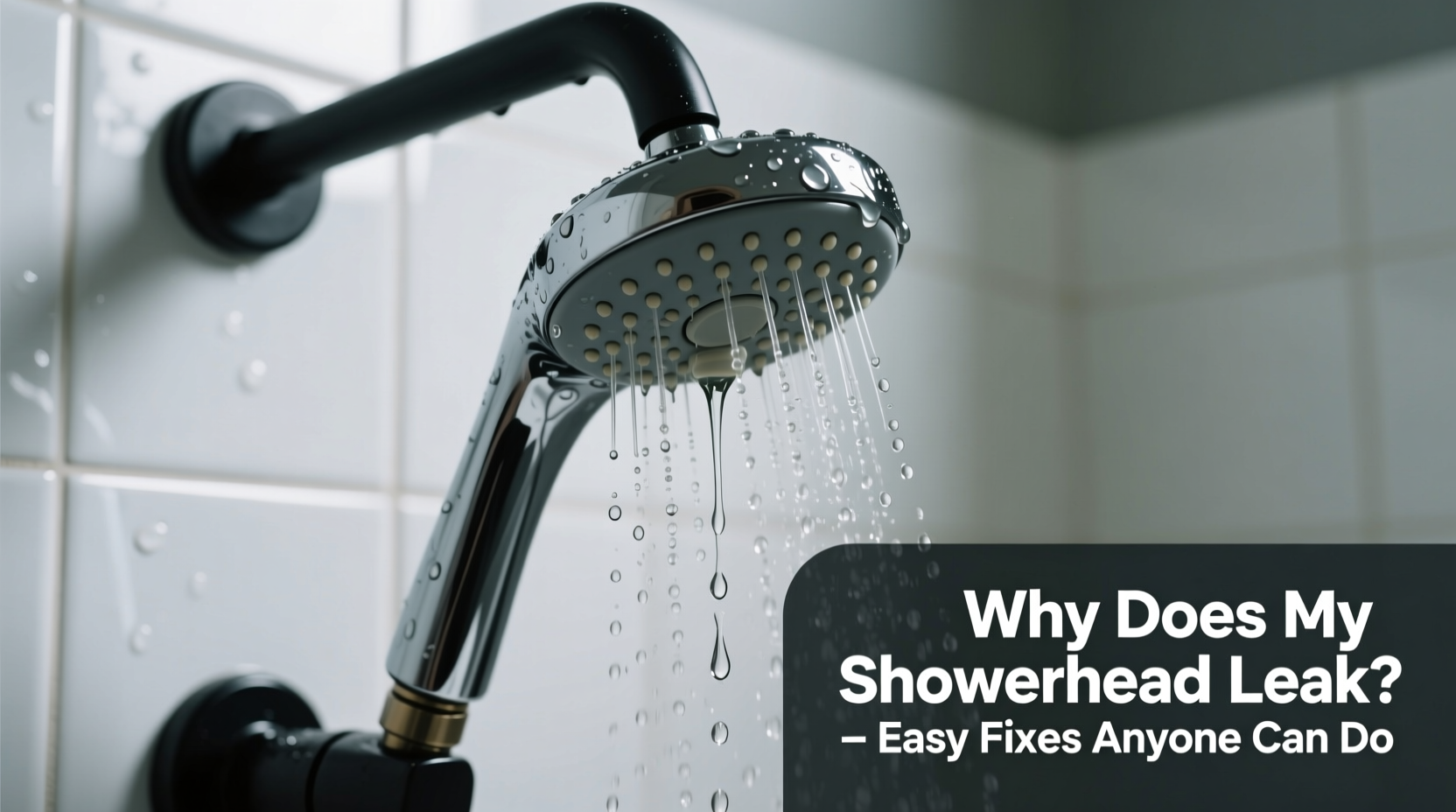
When you shut off the shower, water should stop flowing immediately. If it doesn’t, there’s likely an internal issue preventing a complete seal. The most common culprits include worn-out washers, mineral buildup, faulty cartridges, or issues within the valve assembly. Less commonly, pressure imbalances in the plumbing system or design flaws in older fixtures may contribute.
In many cases, what appears to be a \"leaking showerhead\" is actually residual water draining from the pipe—a natural phenomenon due to gravity. This usually stops within 30 seconds and isn't a cause for concern. However, if dripping continues for minutes or recurs every time you use the shower, that indicates a mechanical failure.
Common Causes and How to Diagnose Them
Before attempting any repair, identify the source of the problem. Here's a breakdown of the most typical causes:
- Worn Washer or O-Ring: Found inside the showerhead connection or handle mechanism, rubber components degrade over time and fail to create a watertight seal.
- Mineral Buildup (Scale): Hard water deposits clog internal passages and prevent valves from closing fully.
- Faulty Cartridge or Valve Stem: In mixer showers, a damaged cartridge can allow water to seep through even when closed.
- Loose Connections: A poorly tightened showerhead or corroded fitting can let water escape slowly.
- Backpressure or Pressure Imbalance: Differences in hot and cold water pressure can force water into the shower line after shutdown.
To diagnose the issue, start by checking whether the leak comes from the nozzle itself or around the base or handle. Leaks at the base often point to connection problems; continuous flow from the spray face suggests internal valve issues.
Step-by-Step Diagnostic Process
- Turn off the main water supply or shut off valves leading to the bathroom.
- Remove the showerhead using a wrench (wrap tape around threads to avoid scratching).
- Inspect the interior for grit, corrosion, or cracked seals.
- Check the condition of the O-ring and washer—replace if brittle, flattened, or cracked.
- Soak the showerhead in vinegar overnight to dissolve mineral deposits.
- Reattach and test. If the leak persists, the issue may lie deeper in the valve body.
“Over 70% of shower leaks I see during home inspections stem from neglected maintenance—simple cleaning and seal replacement could have prevented them.” — Carlos Mendez, Licensed Plumber & Home Inspector
Easy DIY Fixes You Can Do Today
Most showerhead leaks are solvable with basic tools and less than $10 in parts. Below are five practical fixes ranked by simplicity and effectiveness.
1. Clean the Showerhead Thoroughly
Mineral deposits restrict water flow and interfere with proper sealing. Vinegar is a powerful, non-toxic descaler.
Procedure:
- Unscrew the showerhead manually or with a cloth-wrapped wrench.
- Submerge it in a bowl of vinegar for 6–12 hours.
- Use an old toothbrush to scrub away loosened debris.
- Rinse thoroughly and reinstall.
2. Replace the Washer or O-Ring
The small rubber ring inside the shower arm fitting or handle is often the real culprit. These wear out faster in homes with hard water.
Steps:
- Disassemble the handle or remove the showerhead.
- Locate the O-ring or washer (usually near threaded connections).
- Take the old part to a hardware store to match the size and type.
- Install the new seal with a light coat of silicone lubricant.
- Reassemble and test.
3. Tighten Loose Fittings
Sometimes, the fix is as simple as securing loose parts. Over time, vibration and thermal expansion can loosen connections.
Caution: Don’t overtighten. This can crack fittings or damage threads. Hand-tight plus a quarter turn with a wrench is sufficient.
4. Flush the Shower Arm
Even if the showerhead looks clean, sediment may be trapped in the pipe. Turn off the water, then briefly turn it back on while the showerhead is removed. Cover the opening with a rag to minimize splash. This flushes out debris that could be propping open internal mechanisms.
5. Replace the Valve Cartridge (for Mixer Showers)
If your shower uses a single-handle mixer, the internal cartridge may be failing. These control water temperature and flow and typically last 5–7 years.
To replace:
- Shut off water supply.
- Remove the handle and escutcheon plate.
- Extract the old cartridge (take note of orientation).
- Insert the new one (ensure correct alignment).
- Reassemble and restore water.
Cartridges are model-specific. Bring the old one to a plumbing supplier for an exact match.
Do’s and Don’ts When Fixing a Leaky Showerhead
| Do’s | Don’ts |
|---|---|
| Use Teflon tape on threaded connections to prevent leaks. | Don’t reuse old washers or O-rings—even if they look intact. |
| Clean components before reassembly to avoid contamination. | Don’t skip shutting off the water—this prevents accidental flooding. |
| Lubricate rubber seals with silicone grease for longer life. | Don’t use pliers directly on chrome finishes—they cause permanent scratches. |
| Test for leaks gradually after repairs. | Don’t ignore persistent drips—they often worsen over time. |
Real-World Example: Sarah’s Persistent Drip
Sarah, a homeowner in Denver, noticed her shower continued dripping for over five minutes after each use. She assumed it was just “old plumbing,” but after reading about potential water waste, she decided to investigate.
She started by removing the showerhead and found heavy limescale buildup. After soaking it in vinegar, the initial drip reduced—but didn’t stop. Next, she checked the O-ring and discovered it was cracked. She replaced it with a 79-cent part from the local hardware store.
The result? No more dripping. Over a year, she estimates saving nearly 1,500 gallons of water—enough to fill a small swimming pool. Her total effort: less than an hour and under $5.
Preventive Maintenance Checklist
Regular upkeep prevents leaks before they start. Follow this checklist every 3–6 months:
- ✅ Remove and clean the showerhead to remove scale.
- ✅ Inspect O-rings and washers for signs of wear.
- ✅ Check for loose connections at the shower arm and handle.
- ✅ Run hot water lines periodically to reduce stagnation.
- ✅ Install a water softener if you live in a hard water area.
For homes with well water or high mineral content, monthly rinsing with diluted vinegar can significantly extend fixture life.
Frequently Asked Questions
Is a dripping showerhead really a big deal?
Yes. A slow drip of one drop per second wastes over 3,000 gallons of water per year. That adds up to higher bills and unnecessary strain on municipal water systems. Plus, constant moisture promotes mold growth in grout and walls.
Can I fix a leaking showerhead without turning off the main water?
For simple showerhead removal and cleaning, yes—you can usually work safely with just the shower valve off. But for any work involving the handle, cartridge, or valve body, always shut off the main water supply to avoid flooding.
Why does my showerhead leak only when the faucet is running?
This suggests a pressure imbalance. When sink faucets run, they can alter pressure in shared lines, forcing water into the shower riser. Installing a pressure-balancing valve or checking for clogged aerators may resolve this.
Conclusion: Stop the Drip, Save Water, and Regain Control
A leaking showerhead isn’t just an annoyance—it’s a sign of inefficiency that costs money and harms the environment. The good news is that most causes are easily diagnosable and repairable with everyday tools and low-cost parts. From cleaning mineral deposits to replacing a worn washer, these fixes take little time and deliver immediate results.
By understanding how your shower system works and performing regular maintenance, you can prevent future leaks and extend the lifespan of your fixtures. Don’t wait for a small drip to become a major repair bill. Take action today, and enjoy a quieter, drier, and more sustainable bathroom.




 浙公网安备
33010002000092号
浙公网安备
33010002000092号 浙B2-20120091-4
Comments
No comments yet. Why don't you start the discussion?