
Air travel is a modern necessity for work, leisure, or family visits, but many frequent flyers notice an unwelcome side effect: breakouts. Within hours of landing—or even during the flight—pimples, blackheads, or patches of irritated skin appear. This isn’t just coincidence. The pressurized cabin, recycled air, and changes in routine create the perfect storm for acne flare-ups. Understanding the root causes and taking preventive steps can help you step off the plane looking refreshed instead of fighting breakouts.
Skin reactions after flying are so common that dermatologists have coined terms like “airplane acne” and “cabin-induced breakouts.” While not everyone experiences them, those with oily, sensitive, or acne-prone skin are especially vulnerable. The good news? With the right knowledge and preparation, you can significantly reduce or even eliminate post-flight breakouts.
The Science Behind Post-Flight Breakouts
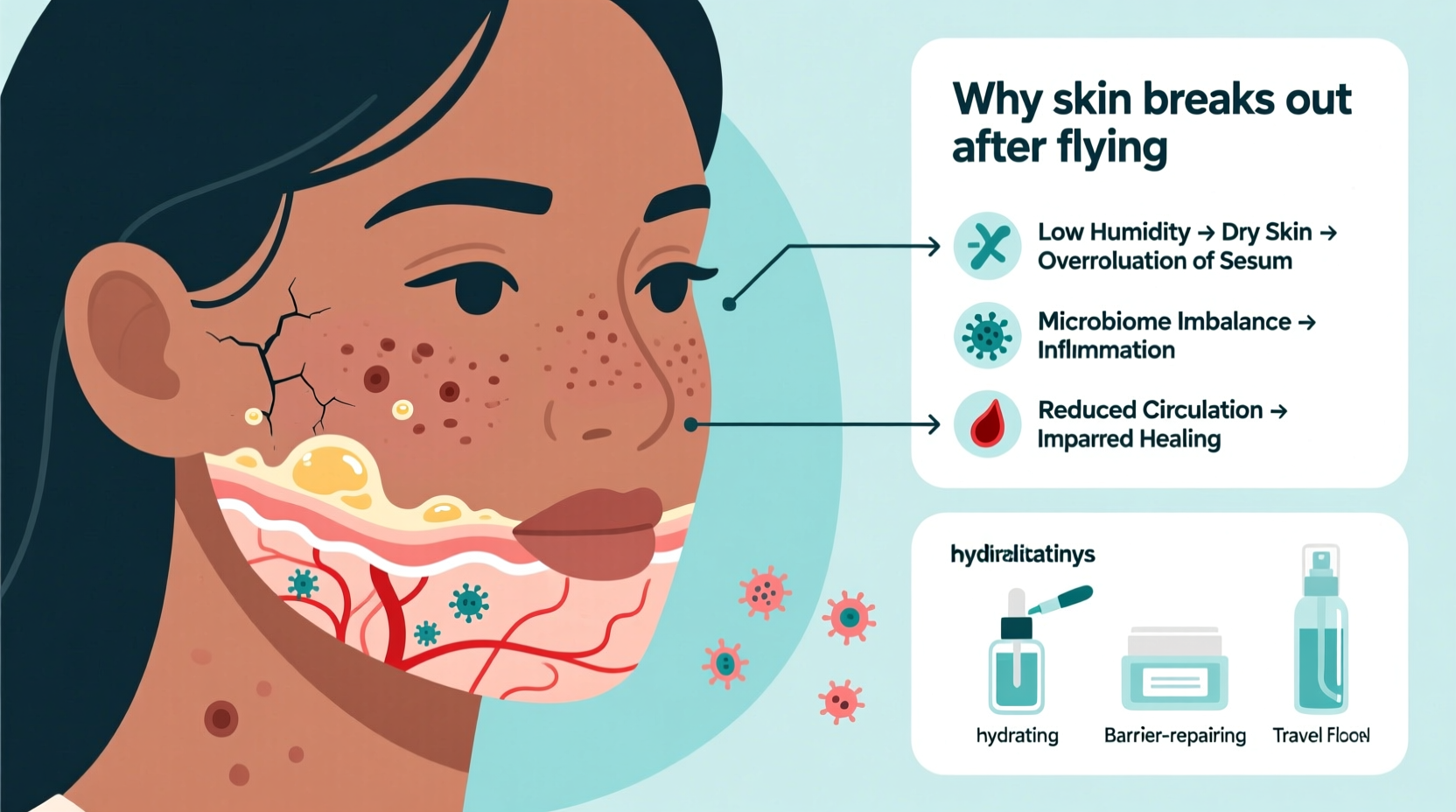
The aircraft cabin environment is fundamentally different from what your skin is used to on the ground. At cruising altitude, humidity levels drop as low as 4–10%, far below the ideal indoor level of 40–60%. This extreme dryness strips moisture from your skin’s outer layer, compromising its natural barrier.
When the skin barrier weakens, it becomes more permeable to irritants and bacteria. In response, the body may overproduce oil (sebum) to compensate for lost hydration. Excess sebum mixes with dead skin cells and environmental debris—like dust and bacteria circulating in cabin air—to clog pores. Once clogged, these pores become breeding grounds for acne-causing bacteria such as Propionibacterium acnes.
In addition to dryness, several other factors contribute:
- Recycled air: Airplanes recirculate cabin air every 2–3 minutes, which means exposure to higher concentrations of microbes, allergens, and skin particles from other passengers.
- Dehydration: Low cabin pressure mimics high-altitude conditions, reducing oxygen delivery to tissues and impairing skin cell turnover.
- Touchpoints: Armrests, tray tables, and headrests harbor bacteria. Touching your face after contact increases the risk of transferring pathogens.
- Hormonal shifts: Jet lag and disrupted sleep cycles can elevate cortisol, which in turn stimulates oil glands.
“Air travel creates a hostile environment for skin. The combination of dehydration, microbial load, and stress triggers inflammatory responses that often manifest as breakouts.” — Dr. Lena Torres, Board-Certified Dermatologist
Key Triggers That Worsen Skin During Flights
While the cabin environment sets the stage, certain behaviors amplify the risk. Recognizing these triggers allows for better prevention.
Makeup and Skincare Product Traps
Wearing heavy foundation or long-wear makeup during a flight traps sweat and oil against the skin. Even non-comedogenic products can contribute to congestion when worn for extended periods without cleansing.
Similarly, using thick moisturizers or occlusives like petroleum jelly might seem hydrating but can suffocate pores if applied over dirty skin. Many travelers also neglect to remove sunscreen or SPF-containing makeup before boarding, allowing residue to build up.
Diet and Hydration Habits
Alcohol, caffeine, and salty snacks—common inflight choices—dehydrate the body and dilate blood vessels, increasing inflammation. Dehydration reduces skin elasticity and slows detoxification processes, making it harder for the body to flush out impurities.
Stress and Sleep Disruption
Travel anxiety, irregular sleep schedules, and circadian rhythm disruption all elevate cortisol. Chronic stress signaling increases sebum production and weakens immune defenses in the skin, making it easier for acne to develop.
Pre-Flight Preparation: Your 72-Hour Clear Skin Plan
Clear skin starts well before takeoff. A strategic skincare timeline in the days leading up to your flight can prime your complexion to handle the stress of air travel.
- 72 Hours Before: Begin gentle exfoliation using a chemical exfoliant (like salicylic acid or lactic acid) every other night to encourage cell turnover and prevent pore blockage.
- 48 Hours Before: Avoid new or active skincare products that could cause irritation. Stick to your proven routine to minimize sensitivity.
- 24 Hours Before: Increase water intake, reduce sodium, and avoid alcohol. Apply a hydrating mask to boost moisture reserves.
- Day of Travel: Wash your face with a mild cleanser before arriving at the airport. Do not apply heavy creams or makeup unless necessary.
| Timeline | Action | Purpose |
|---|---|---|
| 72 hrs pre-flight | Gentle exfoliation (BHA/AHA) | Prevent dead skin buildup |
| 48 hrs pre-flight | Stick to basic routine | Minimize irritation risk |
| 24 hrs pre-flight | Hydrate, use mask | Boost skin resilience |
| Day of flight | Cleanse, no makeup | Start with clean canvas |
In-Flight Skincare Routine: What to Do (and Not Do)
Most breakouts begin mid-flight due to poor in-cabin habits. Follow this practical guide to protect your skin while airborne.
Do’s:
- Cleanse mid-flight (on long hauls): After 4+ hours, use a gentle micellar water wipe to remove oil and pollutants.
- Mist regularly: Use a hydrating facial spray with ingredients like thermal water, glycerin, or hyaluronic acid every 2–3 hours.
- Apply lightweight serums: A few drops of hyaluronic acid serum under a light moisturizer lock in hydration without clogging pores.
- Stay hydrated: Sip water consistently. Avoid diuretics like coffee and alcohol.
- Wash hands frequently: Minimize face touching. Use hand sanitizer after touching surfaces.
Don’ts:
- Don’t wear full makeup, especially foundation or concealer.
- Don’t skip cleansing if you flew in makeup—do it before sleeping.
- Don’t use alcohol-based toners; they worsen dryness.
- Don’t over-moisturize with heavy balms unless lips or extremely dry areas need it.
Post-Flight Recovery: Reset Your Skin in 24 Hours
Landing doesn’t mean the battle is over. Your skin continues to react to stress and dehydration for hours after deplaning. A targeted recovery plan accelerates healing and prevents delayed breakouts.
- Immediately after landing: Wash your face with a gentle foaming or cream cleanser to remove accumulated grime and bacteria.
- Rehydrate: Drink 500ml of water and continue sipping throughout the day.
- Night one: Apply a soothing serum with niacinamide or centella asiatica to calm inflammation. Follow with a lightweight moisturizer.
- Within 24 hours: Use a clay or charcoal mask to draw out impurities if you’re prone to congestion.
- Avoid actives temporarily: Delay retinoids, strong acids, or scrubs for 1–2 days to let your skin recover.
Mini Case Study: Sarah’s Transatlantic Trip
Sarah, a 29-year-old marketing executive, frequently flies between New York and London. She noticed consistent breakouts along her jawline and forehead within 24 hours of landing. Despite using high-end skincare, her routine wasn’t travel-adapted.
After consulting a dermatologist, she revised her approach: she began exfoliating two nights before flights, traveled with only micellar wipes, a hyaluronic acid serum, and SPF. Mid-flight, she cleansed, misted, and avoided coffee. Upon arrival, she washed her face and applied a calming serum.
Result: Over three consecutive trips, she experienced zero breakouts. Her skin felt tighter and more resilient. “I realized I was treating my skin the same way whether I was at home or in a desert-like cabin,” she said. “Adjusting my routine made all the difference.”
Essential Travel Skincare Checklist
Use this checklist to ensure you’re fully prepared for healthy skin on any flight:
- ✅ Gentle facial cleanser (travel size)
- ✅ Micellar water wipes or cleansing cloths
- ✅ Hyaluronic acid serum
- ✅ Lightweight, non-comedogenic moisturizer
- ✅ Facial mist with hydrating ingredients
- ✅ Lip balm with SPF
- ✅ Sunscreen (UVA/UVB protection)
- ✅ Hand sanitizer
- ✅ Empty reusable bottles for liquids
- ✅ Silk or satin face mask (to reduce friction while resting)
- ✅ Nasal saline spray (indirectly helps skin by preventing mouth breathing)
Frequently Asked Questions
Can drinking water really prevent breakouts?
Yes. While water alone won’t stop acne, it supports overall skin function. Dehydrated skin produces more oil to compensate, increasing the chance of clogged pores. Staying hydrated helps maintain balance and supports natural detoxification.
Is it safe to use face mists on a plane?
Absolutely—and recommended. Look for mists without alcohol or fragrance. Spritz every 2–3 hours to replenish moisture. Hold the bottle at arm’s length and close your eyes to avoid inhalation.
Should I see a dermatologist if I always break out after flying?
If post-flight acne is severe or persistent, yes. You may have underlying sensitivity or hormonal influences that require professional treatment. A dermatologist can recommend prescription topicals or oral medications tailored to your skin type.
Conclusion: Take Control of Your Skin Health While Traveling
Breakouts after flying aren’t inevitable—they’re preventable. By understanding how low humidity, bacterial exposure, and lifestyle habits impact your skin, you can implement simple yet effective strategies before, during, and after your flight. It’s not about carrying a full skincare cabinet onboard; it’s about smart choices and consistency.
Your skin is your body’s largest organ, and it responds directly to environmental stress. Treat it with the same care you give to packing your suitcase or booking your seat. With proper hydration, gentle cleansing, and mindful product selection, you can arrive at your destination feeling confident and clear.




 浙公网安备
33010002000092号
浙公网安备
33010002000092号 浙B2-20120091-4
Comments
No comments yet. Why don't you start the discussion?