
Applying sunscreen is a non-negotiable step in any skincare routine. Yet, for many people, the experience comes with an unpleasant side effect: sticky, tacky skin that feels uncomfortable and makes makeup application a challenge. This sensation isn’t just annoying—it can discourage consistent use, putting your skin at risk of sun damage over time. Understanding why sunscreen leaves your skin feeling sticky is the first step toward finding solutions that keep you protected without the discomfort.
The stickiness doesn’t mean the product is defective or ineffective. In fact, many high-performance sunscreens rely on ingredients that create this texture to ensure stability, water resistance, and even coverage. But that doesn’t mean you have to suffer through it. With the right knowledge and choices, you can enjoy sun protection that feels light, breathable, and barely there.
Why Sunscreen Leaves a Sticky Residue
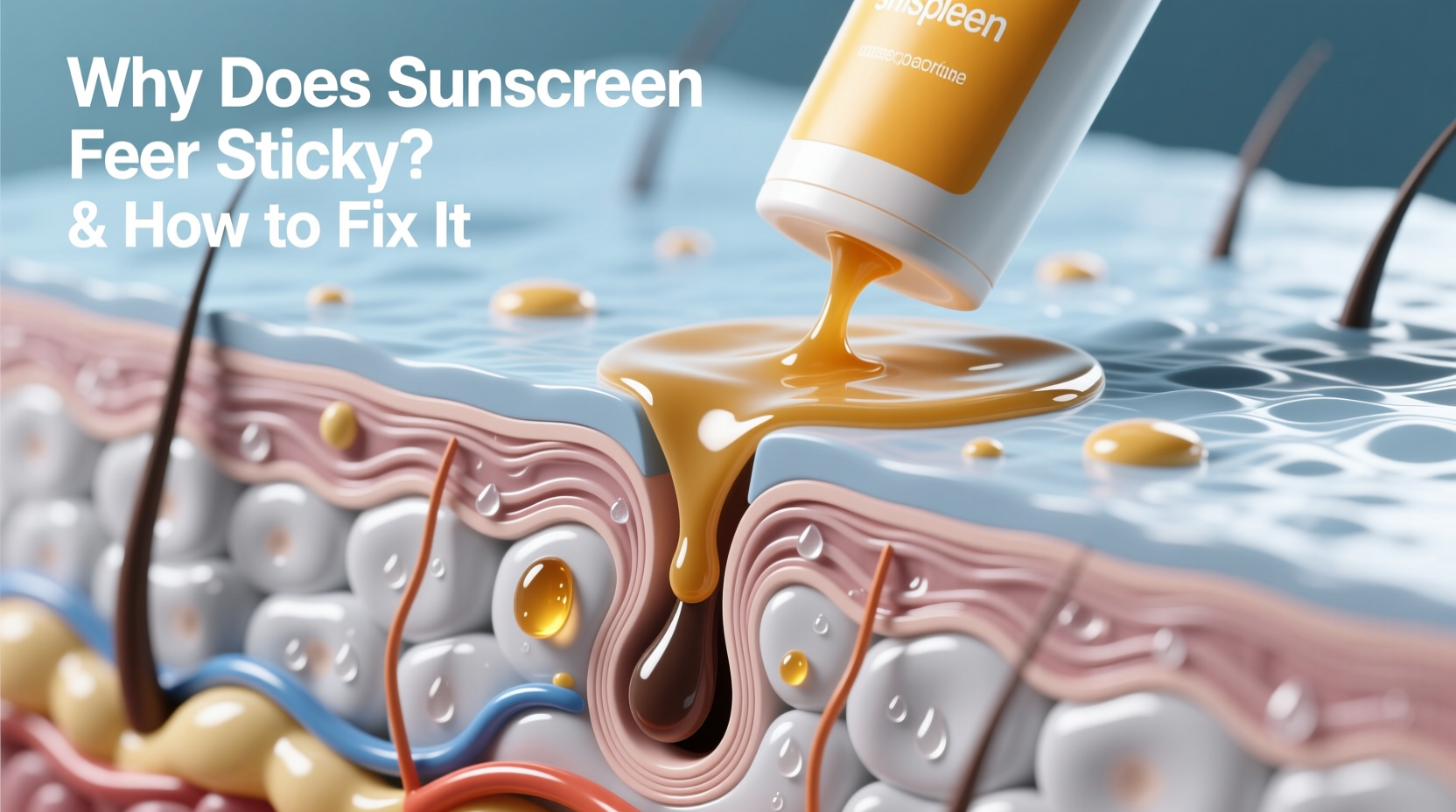
The sticky sensation after applying sunscreen is typically caused by specific formulation components designed to enhance performance. While these ingredients serve important functions, they also affect sensory experience.
Film-forming agents are one major contributor. These polymers—such as acrylates or dimethicone-based compounds—create a durable layer on the skin that prevents the sunscreen from rubbing off or breaking down when exposed to sweat or water. However, this same film is what gives rise to the tacky or glue-like feeling, especially before full absorption.
Emollients and silicones, like cyclomethicone or dimethicone, help spread the product evenly and improve water resistance. While they offer a silky initial glide, they don’t fully evaporate or absorb into the skin, leaving behind a residue that traps moisture and contributes to the sticky sensation.
Additionally, many chemical UV filters—such as avobenzone, octinoxate, and oxybenzone—are oil-soluble and require solvents to remain stable in the formula. These solvents often linger on the skin’s surface, creating a greasy-to-tacky transition as they dry down.
“Film formers are essential for maintaining SPF integrity during outdoor activity, but their sensory impact varies widely between formulations. The key is balancing efficacy with user comfort.” — Dr. Lena Torres, Dermatological Formulation Scientist
How Different Sunscreen Types Affect Skin Feel
Not all sunscreens feel the same. The base formulation—chemical, physical (mineral), or hybrid—plays a significant role in how sticky the final result will be.
| Type | Texture Profile | Common Stickiness Causes | Best For |
|---|---|---|---|
| Chemical Sunscreens | Lightweight, fluid, often alcohol-based | Solvents and polymer thickeners | Oily or combination skin; daily wear under makeup |
| Mineral (Physical) Sunscreens | Thicker, creamier, may leave white cast | Zinc oxide clumping, emollient bases | Sensitive skin; outdoor activities |
| Hybrid Sunscreens | Balanced, moderate weight | Mix of film formers and oils | All skin types seeking broad protection |
Chemical sunscreens tend to absorb faster and feel drier once set, though some still contain tack-inducing polymers. Mineral options often feel heavier due to zinc oxide dispersion systems and thicker emollient bases, which can cling to the skin. Hybrid versions combine both active types and vary widely in finish—some prioritize elegance, others durability.
Step-by-Step Guide to Applying Sunscreen Without the Sticky Afterfeel
You don’t need to sacrifice protection for comfort. Follow this practical sequence to minimize residue and maximize wearability.
- Cleanse and tone your skin – Start with a clean face. Residual oils or leftover products can interfere with sunscreen absorption and increase slipperiness.
- Use a lightweight moisturizer – Opt for a gel-based or water-based hydrator. Heavy creams add layers that trap sunscreen residue, amplifying the sticky sensation.
- Wait 3–5 minutes after moisturizing – Allow your moisturizer to fully absorb. Applying sunscreen too soon creates pilling and uneven texture.
- Dispense the right amount (1/4 tsp for face) – Over-applying increases residue. Use enough to cover all areas without excess buildup.
- Rub in gently using flat palms – Avoid tapping or patting, which can disturb the even spread. Use sweeping motions to press the product into the skin.
- Wait 5–7 minutes before adding makeup – Let the sunscreen form a stable layer. Rushing leads to pilling and a compounded sticky base.
- Blot lightly if needed – Use a tissue to gently blot shiny areas. Don’t rub, as this disrupts the protective film.
Choosing the Right Sunscreen for a Non-Sticky Finish
Your sunscreen’s formula matters more than you think. Look beyond SPF numbers and consider texture, ingredient profile, and finish.
Seek out labels like “dry-touch,” “matte finish,” “invisible finish,” or “fast-absorbing.” These often indicate the inclusion of silica, talc, or other mattifying powders that counteract oiliness and reduce perceived stickiness. Alcohol denat, while drying for some, helps speed up drying time and reduces residue in well-formulated products.
Avoid sunscreens loaded with heavy oils (like coconut oil or mineral oil) unless you have very dry skin. These ingredients contribute significantly to lingering greasiness and eventual stickiness as they oxidize slightly on the skin.
- Look for: Silica, nylon-12, methyl methacrylate crosspolymer (helps absorb excess shine)
- Avoid: High concentrations of glycerin, panthenol, or occlusive waxes in humid climates
- Prefer: Fluid lotions, gels, or sprays over thick creams for daytime wear
Brands known for elegant textures include:
- Biore UV Aqua Rich Watery Essence (Japan)
- La Roche-Posay Anthelios Melt-in Milk
- Supergoop! Unseen Sunscreen (a primer-like, silicone-based option)
- Isntree Hyaluronic Acid Watery Sun Gel (Korean formula with hydration + light feel)
“Patient compliance with sunscreen drops significantly when texture is unpleasant. We now prioritize sensory profiles just as much as SPF in clinical recommendations.” — Dr. Alan Kim, Board-Certified Dermatologist
Real-Life Example: Fixing the Morning Routine for a Makeup-Wearer
Sarah, a 32-year-old marketing executive, struggled daily with her sunscreen making foundation slide and her T-zone feel like it was coated in syrup by mid-morning. She used a popular mineral sunscreen because she thought it would be gentler, but its thick consistency left a chalky, sticky layer that repelled her powder.
After consulting a dermatologist, she switched to a hybrid Japanese-style sunscreen with a watery texture and silica for oil control. She adjusted her routine: applied a lightweight hyaluronic acid serum, waited five minutes, then applied the new sunscreen using pressing motions. She allowed seven minutes of drying time before applying makeup.
The result? No more pilling, reduced shine, and no stickiness. Her makeup lasted longer, and she stopped skipping sunscreen on busy mornings. The change wasn’t about ditching protection—it was about matching the product to her lifestyle and skin needs.
Tips and Best Practices Checklist
- ✔ Choose a \"dry-touch\" or \"matte\" finish sunscreen
- ✔ Avoid heavy oils and butters in the ingredient list
- ✔ Apply to completely dry skin after moisturizer has absorbed
- ✔ Use the correct amount—no more than 1/4 teaspoon for face
- ✔ Rub in thoroughly with palms, not fingertips
- ✔ Wait at least 5 minutes before applying makeup
- ✔ Blot, don’t rub, if surface shine persists
- ✔ Reapply correctly: use a sunscreen spray or powder for touch-ups over makeup
FAQ: Common Questions About Sticky Sunscreen
Can I mix my sunscreen with moisturizer to make it less sticky?
Mixing sunscreen with other products dilutes the SPF and can destabilize active ingredients, reducing protection. Instead, choose a standalone formula with a texture you like. Layering properly is safer and more effective.
Does sticky sunscreen work better?
Not necessarily. Stickiness often comes from film-forming agents that do help with water resistance, but modern formulations achieve high performance without excessive tack. Efficacy should be measured by SPF rating and broad-spectrum coverage, not texture.
Why does my sunscreen feel stickier in humidity?
High humidity slows evaporation of solvents and oils in sunscreen, prolonging the wet, sticky phase. It can also cause slight swelling of polymers in the formula. In humid climates, opt for gel-based or alcohol-containing sunscreens that dry faster.
Conclusion: Comfort Shouldn’t Cost Protection
Feeling sticky after sunscreen doesn’t have to be inevitable. The right product, applied correctly, can deliver powerful UV defense without compromising comfort or interfering with your makeup routine. Advances in cosmetic science have made it possible to enjoy lightweight, invisible, and fast-absorbing sun protection that fits seamlessly into daily life.
The key is understanding your skin type, environment, and lifestyle—and choosing accordingly. Whether you’re commuting to work or spending hours outdoors, there’s a non-sticky sunscreen out there for you. Stop enduring discomfort that discourages consistent use. Experiment with textures, refine your application method, and find a formula that feels so good, you’ll never skip a morning again.




 浙公网安备
33010002000092号
浙公网安备
33010002000092号 浙B2-20120091-4
Comments
No comments yet. Why don't you start the discussion?