
That familiar sensation—your face is freshly washed, but instead of feeling clean and refreshed, it feels tight, dry, almost stretched. You might even notice flaking or a dull appearance shortly afterward. This isn’t normal healthy cleansing; it’s a sign your skin’s natural barrier has been compromised. Understanding why this happens—and how to correct it—is essential for maintaining resilient, hydrated, and balanced skin.
Skin tightness after washing isn't just uncomfortable—it's a red flag. It indicates that your cleanser or routine is stripping away vital lipids and moisture, leaving the epidermis vulnerable. Over time, this can lead to increased sensitivity, accelerated aging, and chronic dehydration. The good news? With the right knowledge and products, you can reverse the damage and prevent it from recurring.
The Science Behind Skin Tightness After Cleansing
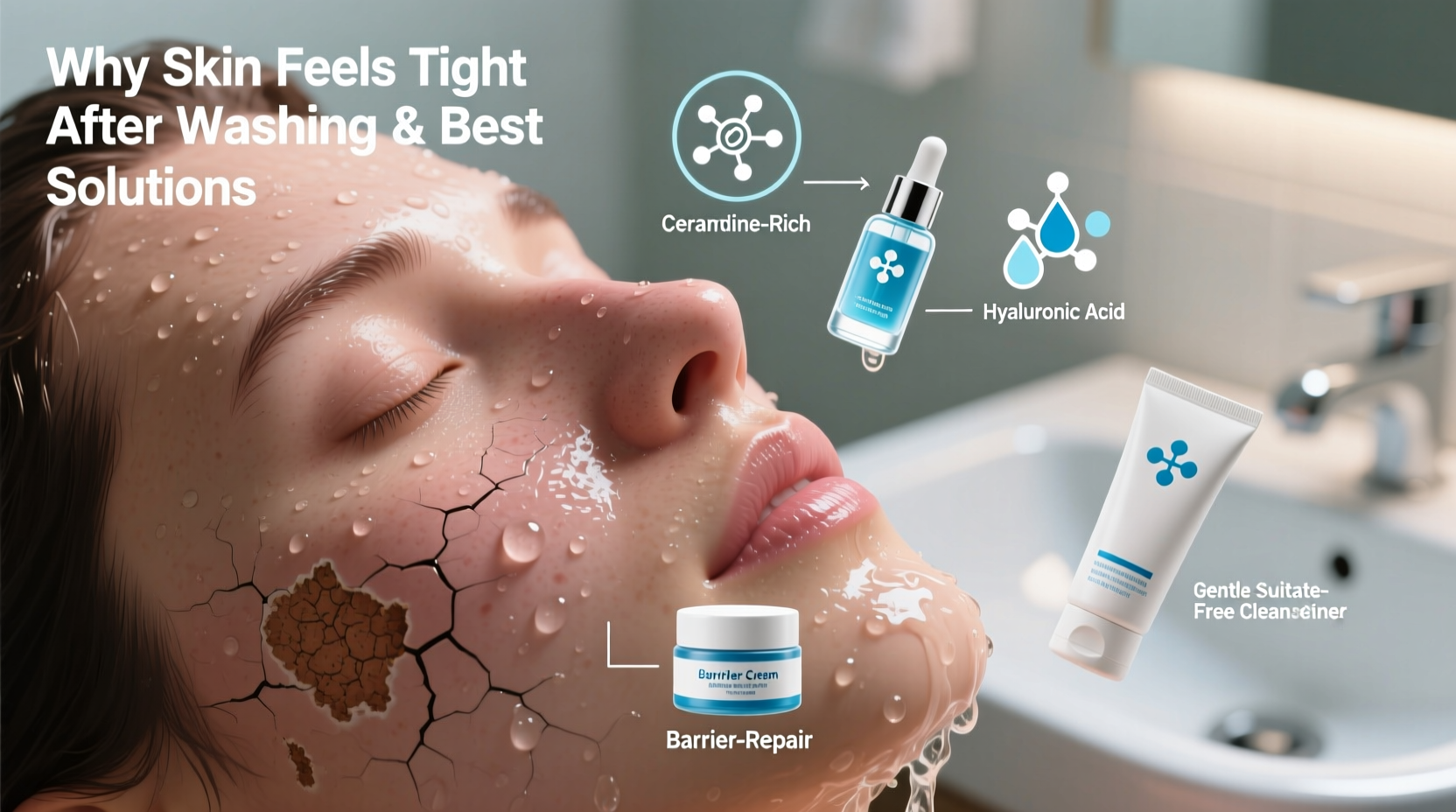
Your skin is protected by a delicate lipid barrier made up of ceramides, cholesterol, fatty acids, and natural moisturizing factors (NMFs). This barrier acts like a brick-and-mortar wall: skin cells are the bricks, and lipids are the mortar holding them together. Its primary job is to retain moisture and keep irritants out.
When you wash your face with harsh cleansers—especially foaming or sulfate-based ones—you risk dissolving these essential lipids. Surfactants in traditional cleansers lift away oil, dirt, and makeup, but they don’t discriminate between impurities and your skin’s protective fats. Once those lipids are stripped, water evaporates more quickly (a process known as transepidermal water loss), leading to dehydration and the telltale “tight” feeling.
According to Dr. Lindsey Zubritsky, a board-certified dermatologist based in Pittsburgh, “That tight sensation post-wash is not cleanliness—it’s damage. Healthy skin should never feel tight, squeaky, or taut. If it does, the cleanser is too aggressive.”
“That tight sensation post-wash is not cleanliness—it’s damage. Healthy skin should never feel tight, squeaky, or taut. If it does, the cleanser is too aggressive.” — Dr. Lindsey Zubritsky, Board-Certified Dermatologist
This issue is especially common in people with dry, sensitive, or mature skin, but even oily types can experience it if using overly drying acne treatments or clay-based cleansers daily.
Common Culprits That Cause Post-Wash Tightness
Several factors contribute to skin tightness after cleansing. Identifying them helps you make smarter skincare choices:
- Harsh surfactants: Sodium lauryl sulfate (SLS), sodium laureth sulfate (SLES), and other strong detergents create rich lather but strip natural oils aggressively.
- Hot water: Washing with hot water opens pores but also breaks down lipid barriers faster, increasing moisture loss.
- Over-cleansing: Washing more than twice daily, or double-cleansing unnecessarily, depletes the skin’s reserves.
- pH imbalance: Many soaps have a high pH (alkaline), while skin’s natural pH is slightly acidic (around 4.5–5.5). Alkaline products disrupt microbial balance and weaken the barrier.
- Physical scrubs: Abrasive particles or rough washcloths can micro-tear the surface, worsening irritation and dehydration.
- Drying actives: Ingredients like alcohol denat, witch hazel, or high concentrations of salicylic acid used too frequently compromise hydration.
Products That Help Most: Rebuilding the Barrier
The solution lies not in avoiding cleansing, but in choosing products that cleanse gently while supporting the skin’s natural defenses. Here are the most effective categories and ingredients to look for:
1. Cream, Milk, or Balm Cleansers
These non-foaming formulas use mild emulsifiers instead of sulfates. They dissolve makeup and grime without disrupting the lipid layer. Look for ingredients like glycerin, squalane, ceramides, and fatty alcohols (e.g., cetearyl alcohol).
2. Hydrating Toners and Essences
Unlike old-school astringent toners, modern hydrating versions deliver moisture-boosting ingredients right after cleansing. Key components include hyaluronic acid, panthenol, allantoin, and fermented extracts like galactomyces.
3. Ceramide-Rich Moisturizers
Ceramides are the cornerstone of the skin barrier. A moisturizer containing ceramides, cholesterol, and fatty acids in the right ratio (ideally 3:1:1) mimics the skin’s natural composition and accelerates repair.
4. Occlusive Agents (Used Strategically)
Occlusives like petrolatum, shea butter, or squalane form a protective film over the skin, reducing water loss. Apply them on damp skin to lock in hydration—a technique called “slugging,” particularly helpful at night.
5. Low-pH Cleansers
Opt for cleansers with a pH between 4.5 and 5.5. These maintain the skin’s acid mantle, support beneficial bacteria, and reduce inflammation. Check product labels or use pH strips if unsure.
“Switching to a low-pH, non-foaming cleanser was the single biggest change that healed my reactive skin.” — Sarah L., esthetician and skincare educator
Product Comparison: Best Types for Sensitive or Dry Skin
| Product Type | Best For | Key Ingredients | Avoid If... |
|---|---|---|---|
| Cream Cleanser | Dry, sensitive, mature skin | Glycerin, ceramides, fatty acids | You wear heavy waterproof makeup (may need double cleanse) |
| Balm Cleanser | All skin types, especially dehydrated | Squalane, plant oils, beeswax | You dislike oily residue (must emulsify properly) |
| Micellar Water | Quick refresh, sensitive skin | Micelles, thermal water, mild surfactants | You have very oily skin (can leave residue) |
| Gentle Foaming Cleanser | Oily or combination skin (use once daily) | Amino acid-based surfactants (e.g., cocoyl glycinate) | You’re experiencing barrier damage |
Step-by-Step Routine to Stop Skin Tightness
Follow this simple, science-backed routine to soothe and repair your skin barrier:
- Cleanse with lukewarm water: Never hot. Wet your face and apply cleanser with fingertips using circular motions for no more than 30 seconds.
- Rinse thoroughly but gently: Ensure no residue remains, which can cause clogged pores or irritation.
- Pat dry—don’t rub: Use a soft cotton towel and lightly blot. Skin should still feel slightly damp.
- Apply hydrating toner or essence: Pour a few drops into palms and press onto face. Focus on dry zones like cheeks and jawline.
- Layer a serum with humectants: Choose one with hyaluronic acid, betaine, or sodium PCA. Apply to damp skin for maximum absorption.
- Seal with a nourishing moisturizer: Use a cream rich in ceramides and fatty acids. For extra dryness, add a drop of facial oil or a thin layer of petroleum jelly at night.
Real-Life Example: From Tightness to Resilience
Emma, a 34-year-old teacher from Portland, struggled with tight, flaky skin every morning despite using a popular foaming acne cleanser. She believed the “squeaky clean” feeling meant her skin was purified. But over time, her cheeks became red and stinging, especially when applying moisturizer.
After consulting a dermatologist, she learned her routine was damaging her barrier. She switched to a balm cleanser followed by a ceramide toner and a fragrance-free moisturizer. Within two weeks, the tightness disappeared. By week four, her skin felt supple, looked more even-toned, and no longer reacted to wind or temperature changes.
“I thought I needed to strip the oil to control breakouts,” she said. “But now I realize hydration is the foundation—even for oily skin.”
Checklist: Is Your Skincare Routine Causing Tightness?
Use this checklist to evaluate your current regimen:
- ☐ Does your face feel tight, dry, or itchy within 15 minutes of washing?
- ☐ Do you use hot water or scrub vigorously?
- ☐ Is your cleanser foaming or labeled “deep-cleaning” or “clarifying”?
- ☐ Does it contain sulfates, alcohol, or synthetic fragrances?
- ☐ Do you skip toner or essence?
- ☐ Are you using actives (like retinoids or acids) without buffering hydration?
- ☐ Do you reapply moisturizer during the day if skin feels dry?
If you answered “yes” to three or more, your routine likely contributes to dehydration. Consider adjusting your products and habits.
Frequently Asked Questions
Can oily skin feel tight and still be dehydrated?
Absolutely. Dehydration refers to a lack of water, not oil. Oily skin can produce excess sebum while still lacking hydration due to barrier damage. This often leads to a cycle where the skin overproduces oil to compensate for water loss. Using lightweight, non-comedogenic hydrators like hyaluronic acid serums can help rebalance it.
Should I stop washing my face if it feels tight?
No—but change how you wash. Cleansing is necessary to remove pollutants, sweat, and buildup. Instead of stopping, switch to a gentler formula and avoid over-washing. One cleanse at night is usually enough unless you’re sweating heavily or wearing heavy makeup.
How long does it take to repair a damaged skin barrier?
With consistent care, most people see improvement in 2–4 weeks. Full restoration can take 4–6 weeks, depending on severity and adherence to a supportive routine. Avoid introducing multiple new products at once, and prioritize simplicity: gentle cleanse, hydrate, protect.
Final Thoughts: Prioritize Skin Health Over Sensation
The idea that clean skin should feel “tight” or “squeaky” is a myth perpetuated by outdated marketing. Healthy skin feels smooth, comfortable, and resilient—not stripped or tense. By choosing pH-balanced, lipid-supportive products and respecting your skin’s biology, you can end the cycle of dehydration and build a stronger, more radiant complexion.
Your skin is your body’s largest organ. Treat it with the care it deserves. Start today: examine your cleanser, adjust your water temperature, and introduce one hydrating step. Small changes yield lasting results.




 浙公网安备
33010002000092号
浙公网安备
33010002000092号 浙B2-20120091-4
Comments
No comments yet. Why don't you start the discussion?