
Itching after a shower is more common than many realize, yet it’s often dismissed as a minor annoyance. For some, the relief of warm water quickly turns into discomfort—tight, dry, or itchy skin that starts minutes after drying off. While occasional irritation may seem harmless, persistent post-shower itching can signal deeper issues related to water temperature, hygiene products, or underlying skin conditions. Understanding the root causes empowers you to make simple but effective changes that restore comfort and protect your skin’s natural barrier.
The Role of Water Temperature in Skin Irritation
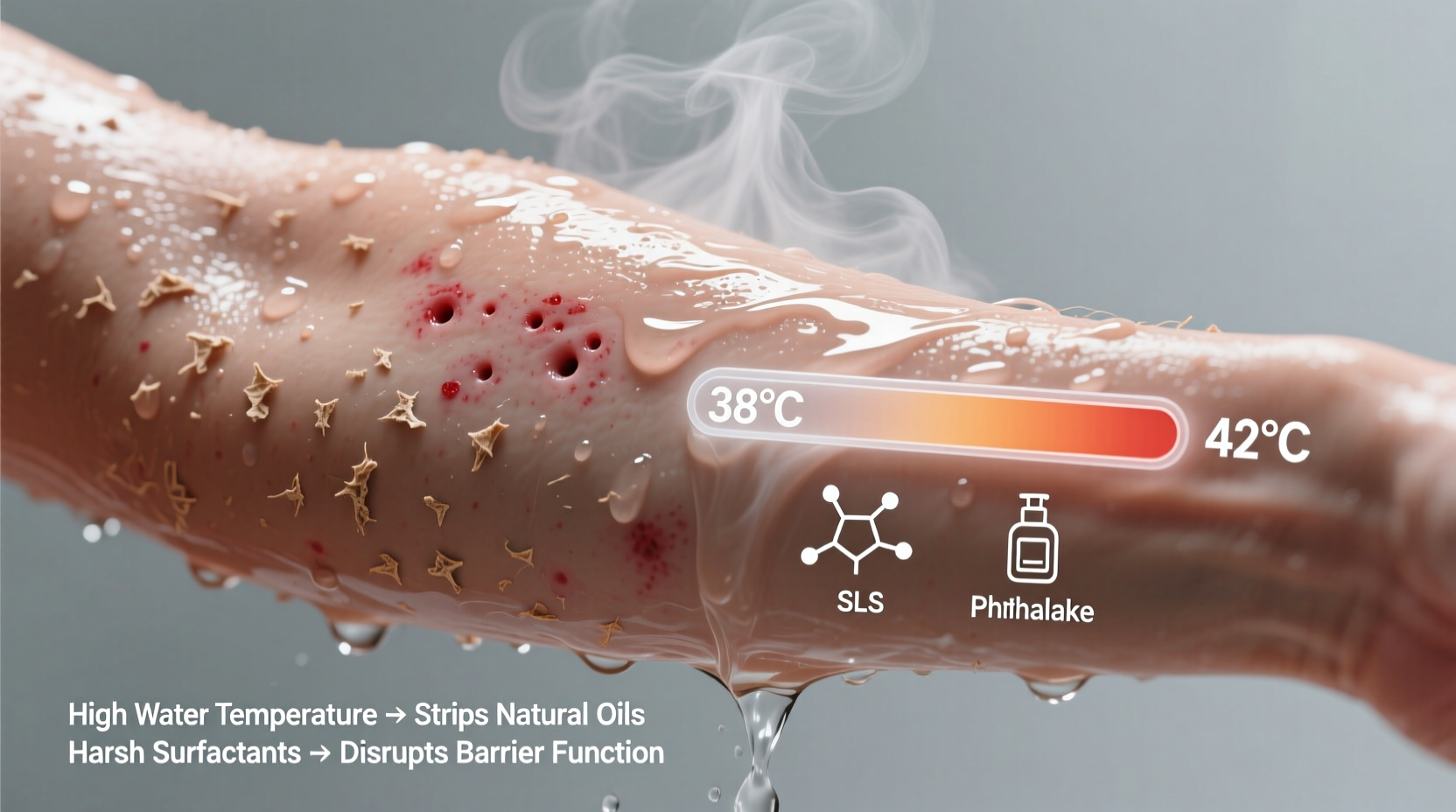
One of the most overlooked triggers of post-shower itching is water temperature. Many people prefer hot showers, especially in colder months, believing they offer deeper cleansing or muscle relaxation. However, prolonged exposure to hot water strips the skin of its natural oils—sebum—which play a critical role in moisture retention and protection.
When sebum is removed, the skin's lipid barrier weakens. This leads to transepidermal water loss (TEWL), where moisture escapes from the skin into the air. The result? Dryness, tightness, and eventually, itching. Dermatologists consistently advise against excessively hot showers, particularly for individuals with sensitive or already dry skin.
Cold or cool showers, while less appealing to some, can actually reduce inflammation and help maintain skin hydration. They constrict blood vessels temporarily, which may minimize redness and irritation. For those prone to eczema or psoriasis, cooler temperatures are often recommended to avoid flare-ups triggered by heat.
How Cleansing Products Contribute to Itching
Shower gels, soaps, and body washes vary widely in formulation—and not all are created equal when it comes to skin compatibility. Harsh surfactants like sodium lauryl sulfate (SLS) are common in many commercial products due to their foaming properties, but they can be extremely drying and irritating, especially with repeated use.
Fragrances, both synthetic and natural essential oils, are another frequent culprit. These additives may smell pleasant but can trigger allergic contact dermatitis in sensitive individuals. Symptoms include redness, stinging, and delayed itching that appears hours after showering.
Alcohol-based cleansers and antibacterial agents like triclosan further compromise the skin barrier by disrupting pH balance. Healthy skin maintains a slightly acidic pH (between 4.5 and 5.5). When alkaline soaps elevate this level, it impairs the skin’s ability to defend against bacteria and retain moisture.
“Over-cleansing with aggressive products disrupts the skin microbiome and stratum corneum integrity, leading to chronic dryness and itch.” — Dr. Lena Torres, Board-Certified Dermatologist
Common Irritating Ingredients to Avoid
- Sodium lauryl sulfate (SLS) and sodium laureth sulfate (SLES)
- Parabens and formaldehyde-releasing preservatives
- Synthetic fragrances (listed as “fragrance” or “parfum”)
- High-alcohol content formulations
- Triclosan and chlorhexidine (in non-medical settings)
Environmental and Physiological Factors at Play
Beyond personal care choices, environmental conditions influence how your skin reacts post-shower. Low humidity, especially during winter months or in air-conditioned environments, accelerates moisture loss. Even if your shower routine is gentle, stepping into a dry room afterward can worsen dehydration.
Age also plays a significant role. As we age, the skin naturally produces less sebum and undergoes slower cell turnover. This makes older adults more susceptible to xerosis (chronic dry skin), which frequently manifests as itching after bathing.
Medical conditions such as eczema (atopic dermatitis), psoriasis, and diabetes can heighten sensitivity. In diabetic patients, nerve damage (diabetic neuropathy) combined with poor circulation increases the risk of pruritus (itching) following temperature changes—even brief exposure to hot water.
Additionally, hard water—rich in calcium and magnesium—can leave mineral deposits on the skin and interfere with soap rinsing. Studies show that people living in hard water areas report higher rates of eczema and skin irritation compared to those in soft water regions.
Step-by-Step Guide to Soothing Post-Shower Itch
If you're experiencing regular itching after showering, follow this practical timeline to identify and correct the issue:
- Assess Your Shower Habits (Day 1–3): Track water temperature, duration, and products used. Note when itching occurs and how long it lasts.
- Switch to Lukewarm Water (Day 4): Adjust your thermostat to prevent scalding water. Aim for a comfortably warm setting.
- Replace Harsh Cleansers (Day 5): Choose a fragrance-free, sulfate-free moisturizing body wash labeled for sensitive skin.
- Shorten Shower Time (Day 6): Reduce sessions to under 10 minutes. Use a timer if needed.
- Apply Moisturizer Immediately (Day 7+): Within 3 minutes of exiting the shower, apply a thick emollient like ceramide cream or ointment to damp skin.
- Evaluate Results (Week 2): If symptoms persist, consider consulting a dermatologist to rule out medical causes.
Product Comparison: What to Use vs. What to Avoid
| Product Type | Recommended Choices | Avoid |
|---|---|---|
| Body Wash | Fragrance-free, sulfate-free formulas with glycerin or hyaluronic acid | Products with SLS, alcohol, or synthetic fragrance |
| Bar Soap | Glycerin-based or syndet bars (e.g., Cetaphil, Dove Sensitive) | Traditional alkaline soaps (pH >7) |
| Moisturizers | Ointments (petrolatum), creams with ceramides, shea butter | Lotions with high water content and alcohol |
| Exfoliants | Gentle chemical exfoliants (lactic acid) once weekly | Physical scrubs with rough particles used daily |
Real-Life Example: Sarah’s Journey to Relief
Sarah, a 34-year-old teacher from Ohio, struggled with intense itching every evening after her usual 15-minute hot shower. She assumed it was seasonal dryness and tried various lotions without success. After visiting a dermatologist, she learned two key factors were at play: her home had very hard water, and her favorite citrus-scented body wash contained multiple irritants.
Following her doctor’s advice, Sarah installed a simple shower filter to reduce mineral buildup and switched to a fragrance-free, hydrating cleanser. She lowered the water temperature and began applying a ceramide-rich moisturizer within minutes of showering. Within two weeks, her itching subsided significantly. A month later, she no longer needed anti-itch creams.
Her case highlights how combining product reformulation with behavioral adjustments can yield dramatic improvements—even without prescription treatments.
Checklist: Prevent Post-Shower Itching
- ☐ Use lukewarm water instead of hot
- ☐ Limit shower time to 5–10 minutes
- ☐ Choose fragrance-free, sulfate-free cleansers
- ☐ Install a water softener or filter if you have hard water
- ☐ Apply moisturizer within 3 minutes of drying off
- ☐ Wear breathable, non-abrasive clothing post-shower
- ☐ Replace old loofahs or sponges monthly (bacteria harbor in porous materials)
- ☐ Consult a dermatologist if itching persists beyond 3 weeks
Frequently Asked Questions
Can drinking more water prevent post-shower itching?
While internal hydration supports overall skin health, it doesn’t directly prevent itching caused by external factors like hot water or harsh soaps. Topical moisturization remains the most effective method for protecting the skin barrier after bathing.
Is it normal for my skin to itch only on certain body parts?
Yes. Areas with fewer oil glands—such as arms, legs, and lower back—are more prone to dryness and itching. Thinner skin on the shins or tops of feet often shows symptoms first. However, localized itching could also indicate fungal infections or contact allergies—monitor for rash or scaling.
Can children experience post-shower itching too?
Absolutely. Children, especially those with eczema, are highly sensitive to water temperature and product ingredients. Pediatric dermatologists recommend short, lukewarm baths with mild, tear-free cleansers and immediate application of fragrance-free moisturizers.
Conclusion: Take Control of Your Skin Health
Itching after showering isn’t something you have to accept as inevitable. By reevaluating your water temperature, choosing gentler products, and adopting smarter skincare habits, you can eliminate discomfort and strengthen your skin’s resilience. Small changes—like switching to a sulfate-free wash or cutting shower time by five minutes—can lead to lasting relief.




 浙公网安备
33010002000092号
浙公网安备
33010002000092号 浙B2-20120091-4
Comments
No comments yet. Why don't you start the discussion?