
Skin that lacks radiance can make you look tired, older, or unwell—even if you're taking care of yourself. Dullness isn't just a surface issue; it's often a sign of deeper imbalances in your skincare routine, lifestyle, or internal health. Unlike dryness or acne, dull skin doesn’t always come with obvious symptoms, making it easy to overlook until it becomes noticeable in photos or under bright lighting. The good news is that with the right understanding and consistent habits, restoring luminosity is entirely achievable. This guide breaks down the science behind dull skin, identifies key triggers, and delivers actionable, dermatologist-approved strategies to bring back that healthy glow.
What Causes Skin to Lose Its Glow?
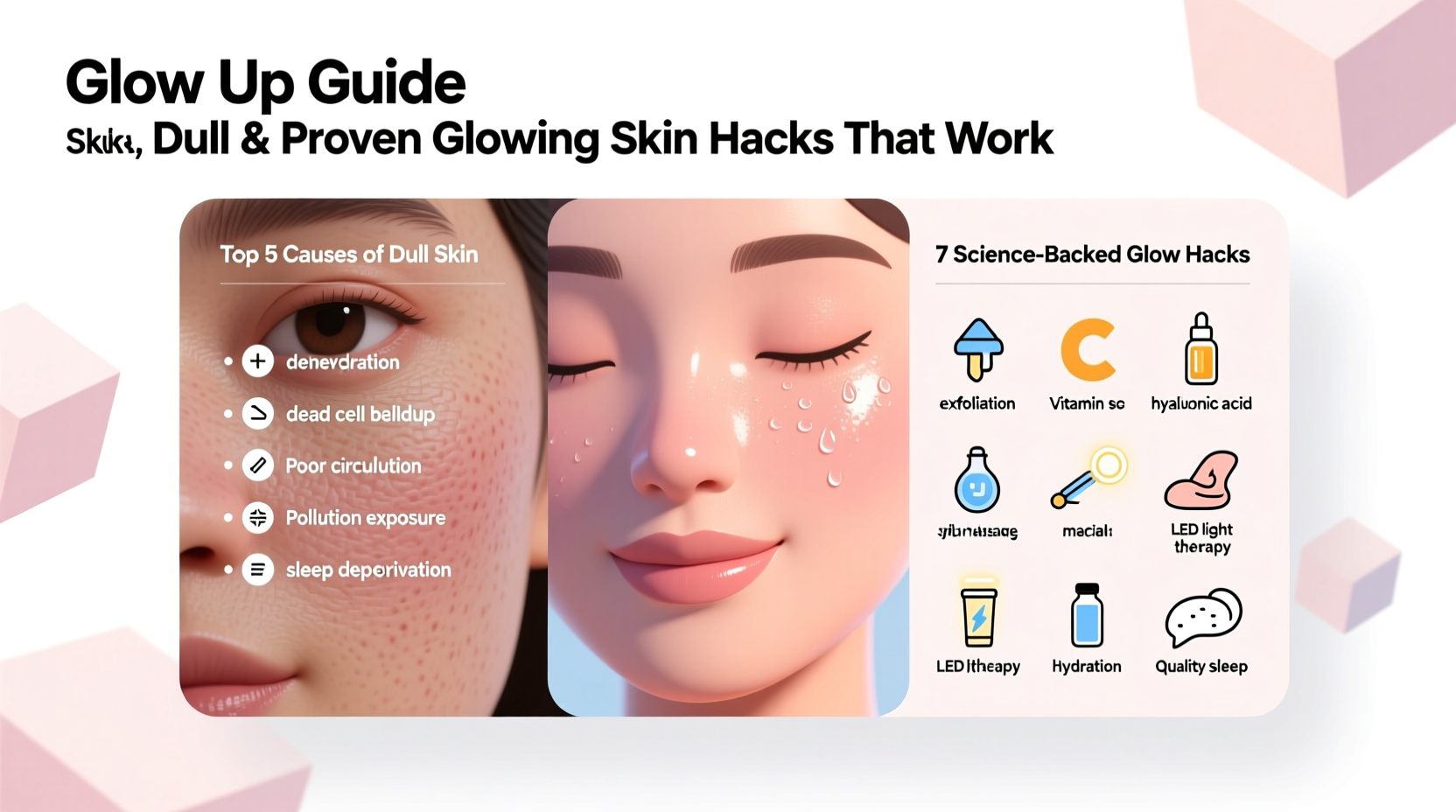
Skin dullness isn’t one-size-fits-all. It stems from a combination of internal processes and external stressors. At its core, a lack of radiance occurs when the skin’s natural renewal cycle slows down, dead cells accumulate on the surface, and light reflection diminishes. Here are the primary culprits:
- Dead Skin Cell Buildup: As we age, cell turnover slows. By the time you’re in your 30s, the process can take up to 45 days instead of the youthful 28. This buildup scatters light, creating a flat, uneven tone.
- Poor Circulation: Blood flow delivers oxygen and nutrients to skin cells. A sedentary lifestyle, smoking, or poor diet can reduce circulation, leading to a sallow appearance.
- Dehydration: When skin lacks water—not just oil—it appears tight, rough, and lifeless. Even oily skin can be dehydrated underneath excess sebum.
- UV Damage: Sun exposure thickens the outer layer of skin and triggers oxidative stress, both of which contribute to a lackluster complexion.
- Lifestyle Factors: Chronic stress, lack of sleep, and high sugar intake increase inflammation and glycation, damaging collagen and diminishing glow.
- Over-Cleansing or Harsh Products: Stripping the skin of its natural oils disrupts the moisture barrier, leading to irritation and reduced luminosity.
Key Habits That Restore Radiance
Glowing skin isn’t about using ten products—it’s about consistency, simplicity, and smart choices. The most effective routines focus on enhancing skin function rather than masking symptoms.
1. Optimize Your Cleansing Routine
Cleansing sets the stage for everything else. Use a gentle, non-stripping cleanser twice daily. Avoid sulfates and alcohol-heavy formulas, especially if you have dry or sensitive skin. Double cleansing—oil-based first, then water-based—is ideal for removing sunscreen and pollution without irritation.
2. Exfoliate Strategically
Chemical exfoliants like AHAs (glycolic, lactic acid) and BHAs (salicylic acid) dissolve dead cells more effectively than scrubs, which can cause micro-tears. AHAs work on the surface for brightness; BHAs penetrate pores for clarity. Start once a week and build tolerance.
3. Hydrate Inside and Out
Topical hyaluronic acid pulls moisture into the skin, plumping it instantly. Pair this with internal hydration—aim for at least 2 liters of water daily. Include hydrating foods like cucumbers, watermelon, and celery to support cellular function.
4. Use Antioxidants Daily
Vitamin C is a gold standard for brightening. It inhibits melanin production, protects against UV damage, and boosts collagen. Apply a serum every morning before sunscreen. Other potent antioxidants include niacinamide (vitamin B3), ferulic acid, and green tea extract.
“Consistent use of topical antioxidants can improve skin radiance by reducing oxidative stress and supporting barrier integrity.” — Dr. Lena Patel, Board-Certified Dermatologist
Glow-Boosting Ingredients: What Works and Why
Not all ingredients deliver equal results. Below is a breakdown of the most effective compounds backed by clinical research.
| Ingredient | Function | Best For | Frequency |
|---|---|---|---|
| Vitamin C (L-ascorbic acid) | Brightens, evens tone, protects from free radicals | Dullness, sun damage, hyperpigmentation | Once daily (AM) |
| Niacinamide (5–10%) | Strengthens barrier, reduces redness, regulates oil | All skin types, including sensitive | Daily (AM or PM) |
| Hyaluronic Acid | Attracts and retains moisture | Dehydrated, mature, or stressed skin | Daily (AM/PM) |
| Glycolic Acid (AHA) | Exfoliates surface, improves texture | Thickened, rough skin | 1–3x weekly (PM) |
| Retinol | Accelerates cell turnover, boosts collagen | Aging, dullness, uneven texture | Start 1x weekly, build to nightly |
Combining these ingredients strategically can yield dramatic improvements. For example, pairing niacinamide with vitamin C enhances stability and reduces irritation. Always patch test and introduce one active at a time.
Real-Life Glow Transformation: A Mini Case Study
Sarah, a 34-year-old marketing executive, struggled with persistent dullness despite using expensive serums. Her mornings began with coffee and skipping breakfast, followed by long hours indoors under fluorescent lights. She wore makeup daily but rarely removed it thoroughly. After consulting a dermatologist, she made three key changes:
- Switched to double cleansing at night using an oil cleanser followed by a milky wash.
- Added a 10% niacinamide serum every morning and a 5% glycolic acid toner two nights a week.
- Started drinking herbal teas and eating a piece of fruit with breakfast to improve internal hydration.
Within six weeks, her skin appeared noticeably brighter in natural light. Colleagues commented she “looked more rested,” even though her sleep hadn’t changed. The transformation wasn’t due to a miracle product—it was consistency and addressing root causes.
Step-by-Step Evening Routine for Glowing Skin
An effective nighttime routine capitalizes on the skin’s natural repair cycle. Follow this sequence for best results:
- Remove Makeup: Use a balm or oil-based cleanser. Massage for 60 seconds to dissolve sunscreen and pollutants.
- Cleanse: Follow with a gentle water-based cleanser. Rinse with lukewarm water.
- Tone (Optional): Apply an alcohol-free toner with hydrating or exfoliating properties (e.g., witch hazel or lactic acid).
- Treat: Apply targeted serums—start with the thinnest consistency. Example: Vitamin C (AM), retinol or AHA (PM).
- Moisturize: Seal in hydration with a nourishing moisturizer. For dry skin, consider a facial oil or sleeping mask 2–3 times a week.
- Eyecare: Gently pat on an eye cream to support thin under-eye skin.
This routine, repeated consistently, supports cellular renewal and prevents the buildup that leads to dullness.
Common Mistakes That Kill Your Glow
Even with good intentions, certain habits sabotage skin radiance. Avoid these pitfalls:
- Skipping Sunscreen: UV rays generate free radicals and thicken the stratum corneum. Use SPF 30+ daily, even indoors.
- Using Too Many Actives: Layering retinol, acids, and vitamin C without spacing can compromise the barrier.
- Neglecting Pillowcases: Dirty pillowcases transfer bacteria and oil. Change them 1–2 times per week.
- Ignoring Diet: High-glycemic foods spike insulin, increasing sebum and inflammation. Focus on whole grains, lean proteins, and colorful vegetables.
- Overlooking Sleep Quality: During deep sleep, skin repairs itself. Chronic poor sleep reduces collagen production and increases cortisol, leading to dullness.
“Glowing skin starts with a foundation of health—sleep, nutrition, and stress management matter as much as your serum.” — Dr. Rajiv Mehta, Clinical Dermatologist
Essential Glowing Skin Checklist
Use this checklist weekly to stay on track:
- ✅ Cleanse properly at night (double cleanse if wearing makeup/sunscreen)
- ✅ Apply antioxidant serum in the morning (vitamin C or niacinamide)
- ✅ Wear broad-spectrum SPF 30+ every day
- ✅ Exfoliate 1–3 times per week (chemical preferred over physical)
- ✅ Drink at least 2 liters of water
- ✅ Eat at least 3 servings of vegetables daily
- ✅ Get 7–8 hours of quality sleep
- ✅ Change pillowcases twice a week
- ✅ Limit sugar and processed foods
- ✅ Manage stress through mindfulness or movement
Frequently Asked Questions
Can drinking more water really make my skin glow?
Yes, but with nuance. While drinking water won’t instantly erase dullness, chronic dehydration makes skin look rough and tired. Proper hydration supports cell function and plumps the skin, enhancing light reflection. Combine internal hydration with humectants like hyaluronic acid for best results.
Is it safe to use exfoliants every day?
No. Most chemical exfoliants should be used 1–3 times per week. Daily use, especially of strong acids or retinoids, can compromise the skin barrier, leading to sensitivity, redness, and ironically, more dullness. Always listen to your skin—if it stings or flakes, scale back.
How long does it take to see results from a new brightening routine?
Visible improvements typically appear in 4–6 weeks, aligning with the skin’s natural renewal cycle. Some ingredients, like hyaluronic acid, offer instant plumping, while others like retinol and vitamin C require consistent use for cumulative benefits. Patience and regularity are key.
Final Thoughts: Your Glow Is Within Reach
Dull skin is not a life sentence. It’s a signal—a quiet cue from your body asking for better care, balance, and attention. The path to radiance doesn’t require expensive treatments or endless products. It begins with understanding what’s beneath the surface and making small, sustainable shifts. Whether it’s switching to double cleansing, adding a vitamin C serum, or simply drinking more water, each choice builds toward a healthier, more vibrant complexion.
The most glowing skin belongs to those who treat it with consistency, kindness, and science-backed wisdom. Start tonight. Reassess your routine, eliminate one harmful habit, and add one proven step. In weeks, you’ll see the difference. In months, you’ll own it.




 浙公网安备
33010002000092号
浙公网安备
33010002000092号 浙B2-20120091-4
Comments
No comments yet. Why don't you start the discussion?