
The holiday season brings joy, warmth, and an abundance of festive decorations — including shimmering Christmas cards adorned with glitter. While these sparkly greetings add cheer to mailboxes and mantels, some people experience unexpected skin reactions after handling them. Redness, itching, or even small rashes can appear on fingers, hands, or wrists, leaving recipients wondering: why does my skin react to glitter on Christmas cards? And more importantly, how can I prevent it?
This isn’t just a seasonal annoyance — for many, it’s a real dermatological issue rooted in chemical sensitivity, physical irritation, and environmental exposure. Understanding the science behind these reactions empowers you to enjoy holiday traditions safely and comfortably.
What Causes Skin Reactions to Glitter?
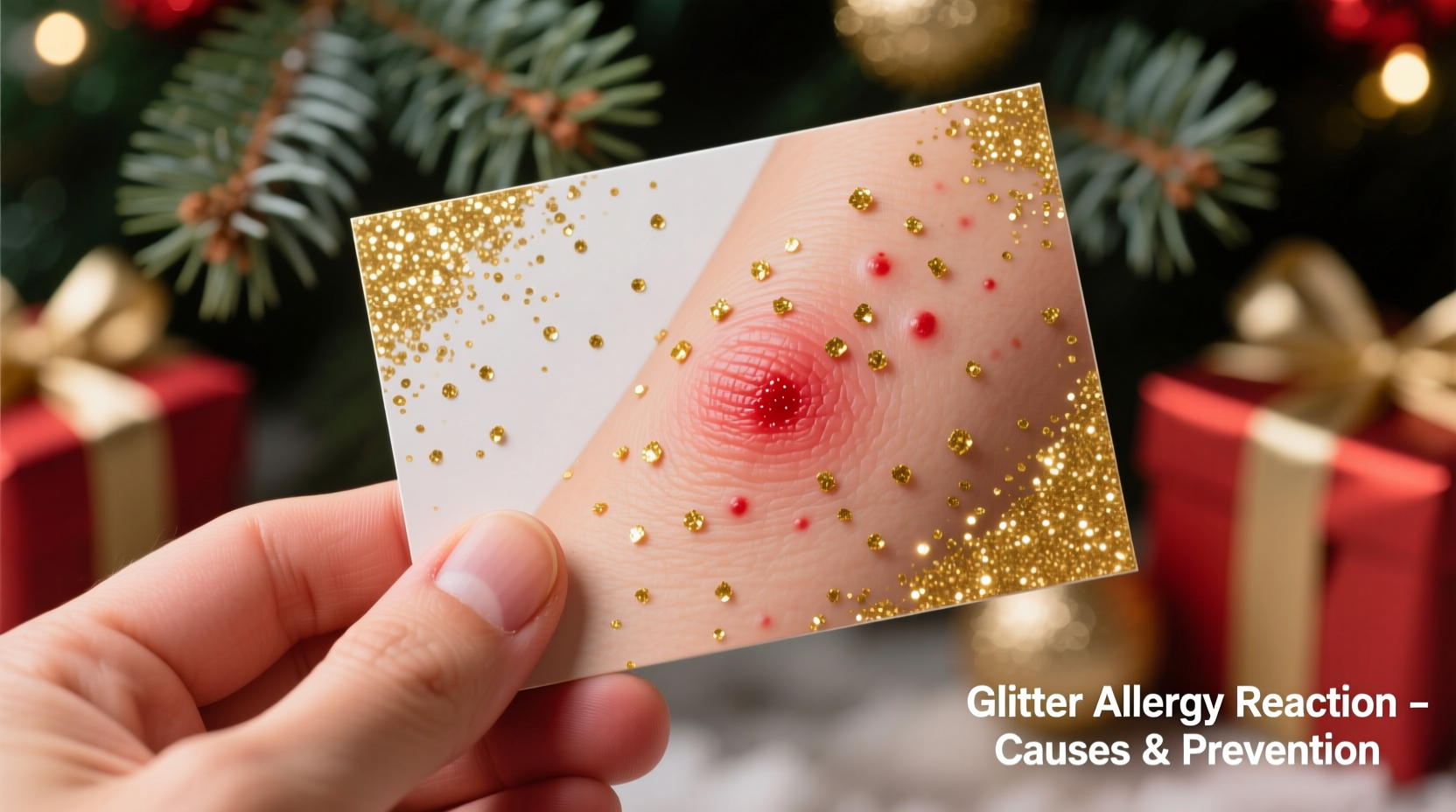
Glitter may look harmless, but its composition is far from benign when it comes into contact with sensitive skin. Most commercial glitter used on greeting cards is made from microplastics — typically polyethylene terephthalate (PET) or aluminum-coated plastic films — combined with dyes, adhesives, and sometimes metallic finishes. These materials can trigger both allergic and irritant responses.
Irritant Contact Dermatitis occurs when the skin’s outer layer is damaged by a foreign substance. Even non-allergenic glitter particles can be abrasive at a microscopic level. Tiny edges scratch the skin, especially during repeated handling, allowing chemicals to penetrate deeper. This leads to dryness, redness, and inflammation — particularly on thin-skinned areas like fingertips.
Allergic Contact Dermatitis involves the immune system. Some individuals develop allergies to specific components in glitter, such as acrylates (used in coatings), formaldehyde-releasing preservatives in adhesives, or nickel traces in metallic pigments. Once sensitized, the body mounts an immune response upon re-exposure, causing delayed reactions that appear hours or even days later.
A 2021 study published in *Dermatitis* highlighted increasing cases of cosmetic and decorative product-related allergies, noting that glitter-containing items were among the top culprits in hand dermatitis during winter months. The researchers emphasized that “non-cosmetic” use of glitter — such as on cards and wrapping paper — often goes unrecognized as a source of allergens.
Common Allergens Found in Holiday Glitter
Not all glitter is created equal. The ingredients vary widely depending on manufacturer, cost, and intended use. Below are the most frequent irritants found in mass-produced glitter used on Christmas cards:
- Acrylates: Used in polymer coatings to make glitter reflective and durable. Known allergens, especially in nail art products; cross-reactivity can occur.
- Formaldehyde donors: Preservatives like DMDM hydantoin or quaternium-15, added to adhesives to prevent microbial growth. Release small amounts of formaldehyde over time.
- Nickel compounds: Present in silver or gold-toned glitters using metal plating. A leading cause of metal allergy worldwide.
- Synthetic dyes (e.g., CI numbers): Colorants that may degrade into allergenic molecules upon skin contact.
- Microplastic fragments: Can embed in cracked skin, prolonging irritation and increasing infection risk.
Even if a card claims to be “non-toxic” or “eco-friendly,” this doesn’t guarantee it’s safe for sensitive skin. Regulatory standards for decorative paper products don’t require full ingredient disclosure, making avoidance challenging without vigilance.
“Many patients come in December with unexplained hand rashes. After taking a detailed history, we often trace it back to handling glittery cards or gift wrap. It's a classic example of overlooked allergen exposure.” — Dr. Lena Torres, Board-Certified Dermatologist, New York Dermatology Group
How to Avoid Skin Reactions to Glittered Cards
Prevention is key, especially if you’ve experienced symptoms before. You don’t need to give up holiday cards altogether — just adopt smarter handling habits and make informed choices about what enters your home.
Step-by-Step Guide to Safe Handling
- Inspect Before Touching: Hold new cards at arm’s length. Look for loose glitter, excessive shine, or flaking surfaces. Avoid direct contact if visible particles are present.
- Use Barrier Protection: Wear disposable nitrile gloves when sorting through holiday mail. Unlike latex, nitrile is less likely to cause secondary allergies.
- Open Carefully: Use tools like letter openers or tweezers to unfold cards instead of fingers. Minimize skin-to-surface contact.
- Wash Hands Promptly: After handling any glittered item, clean hands with lukewarm water and a mild, fragrance-free cleanser.
- Moisturize Immediately: Apply a thick emollient like petroleum jelly or ceramide-based cream to restore the skin barrier.
- Dispose Responsibly: Seal used glitter cards in a plastic bag before discarding to reduce airborne particle spread.
Choose Safer Alternatives
Opt for cards designed with sensitivity in mind. Many independent artisans and eco-conscious brands now offer festive designs without traditional glitter. Instead, they use:
- Embossed paper textures
- Foil stamping (bonded securely, not flaky)
- Recycled glitter made from plant cellulose (e.g., Bioglitter®)
- Hand-drawn metallic ink (low migration, minimal shedding)
Biodegradable glitter options, while not universally non-irritating, generally contain fewer sensitizing chemicals and shed less than conventional glitter. However, always verify the full ingredient list if you have known allergies.
Do’s and Don’ts When Handling Glittered Cards
| Do’s | Don’ts |
|---|---|
| Wear gloves when handling multiple glittered cards | Touch your face or eyes after handling without washing hands |
| Choose cards labeled “glitter-free” or “eco-glitter” | Assume “natural” means hypoallergenic — some plant-based dyes also trigger reactions |
| Store received glitter cards in a closed display box | Leave them loose on coffee tables where particles can scatter |
| Use a damp microfiber cloth to wipe down surfaces after handling | Vacuum without a HEPA filter — standard vacuums can aerosolize tiny particles |
| Test one card first if you’re unsure about sensitivity | Scratch or rub irritated skin — this worsens inflammation and risks infection |
Real-Life Scenario: A Seasonal Rash Mystery Solved
Sarah M., a 34-year-old teacher from Portland, began noticing recurring redness and cracking on her index fingers every December. For three years, she attributed it to cold weather and frequent handwashing. But despite using heavy-duty lotions and wearing gloves outdoors, the condition worsened.
During a routine dermatology visit, her doctor asked about her holiday routines. Sarah mentioned spending evenings writing personalized thank-you notes to students and parents — often surrounded by stacks of glitter-covered cards they had given her.
The dermatologist suspected allergic contact dermatitis. Patch testing revealed sensitivity to acrylates and trace formaldehyde. Upon eliminating direct contact with glittered cards — switching to gloves and delegated opening duties — her symptoms resolved within two weeks. The following year, she requested only matte-finish cards from her class and reported no flare-ups.
Her case illustrates how easily seasonal exposures can be misattributed to more general causes. Detailed patient histories are essential in identifying hidden triggers.
When to See a Doctor
Mild irritation usually clears up within a few days with proper skincare. However, seek medical advice if you experience:
- Persistent redness or swelling lasting more than a week
- Blisters, oozing, or crusting at the site
- Spreading beyond the initial area of contact
- Signs of infection (increased pain, warmth, pus)
A board-certified dermatologist can perform patch testing to identify specific allergens. This involves applying small amounts of common irritants to the back and monitoring for reactions over 48–96 hours. Knowing your exact triggers allows for better long-term prevention, not just during the holidays but throughout the year.
Frequently Asked Questions
Can glitter cause reactions even if I don’t touch it directly?
Yes. Loose glitter particles can become airborne or transfer via clothing and furniture. Sitting on a couch where glitter has fallen can lead to skin contact on arms or legs. In rare cases, inhaled microplastics may exacerbate respiratory conditions, though dermal exposure remains the primary concern.
Is there such a thing as truly hypoallergenic glitter?
There is no universal “hypoallergenic” certification for glitter. However, certain biodegradable alternatives like Bioglitter® Pure are free from acrylates, aluminum, and microplastics, making them significantly safer for sensitive individuals. Always review product specifications and consult your dermatologist if uncertain.
Can children be more affected by glitter on cards?
Yes. Children often handle cards more enthusiastically, rubbing their eyes or mouths afterward. Their skin barrier is also thinner and more permeable. Parents should supervise young children around glittered items and encourage handwashing immediately after play.
Final Thoughts: Celebrate Safely This Holiday Season
The magic of Christmas cards lies in the sentiment, not the sparkle. While glitter adds visual delight, it shouldn't come at the cost of comfort or health. By understanding the potential risks and adopting simple protective measures, you can fully enjoy the season’s greetings without compromising your skin’s well-being.
Whether you're managing a known sensitivity or noticing new symptoms, awareness is your strongest defense. Choose thoughtful alternatives, handle with care, and prioritize skin protection as part of your holiday routine.




 浙公网安备
33010002000092号
浙公网安备
33010002000092号 浙B2-20120091-4
Comments
No comments yet. Why don't you start the discussion?