
Stepping on your smart scale each morning should feel like a reliable checkpoint in your wellness journey. Yet many users are puzzled when the number fluctuates wildly from one day to the next—even when diet and activity remain consistent. Is the scale broken? Are you gaining or losing water weight? Or is something else at play?
The truth is, smart scales are sophisticated tools that measure more than just body weight. They estimate body composition using bioelectrical impedance analysis (BIA), and their readings are influenced by numerous physiological and environmental variables. Understanding why these changes occur—and how to interpret them—is essential to making informed decisions about your health.
How Smart Scales Work: Beyond the Number
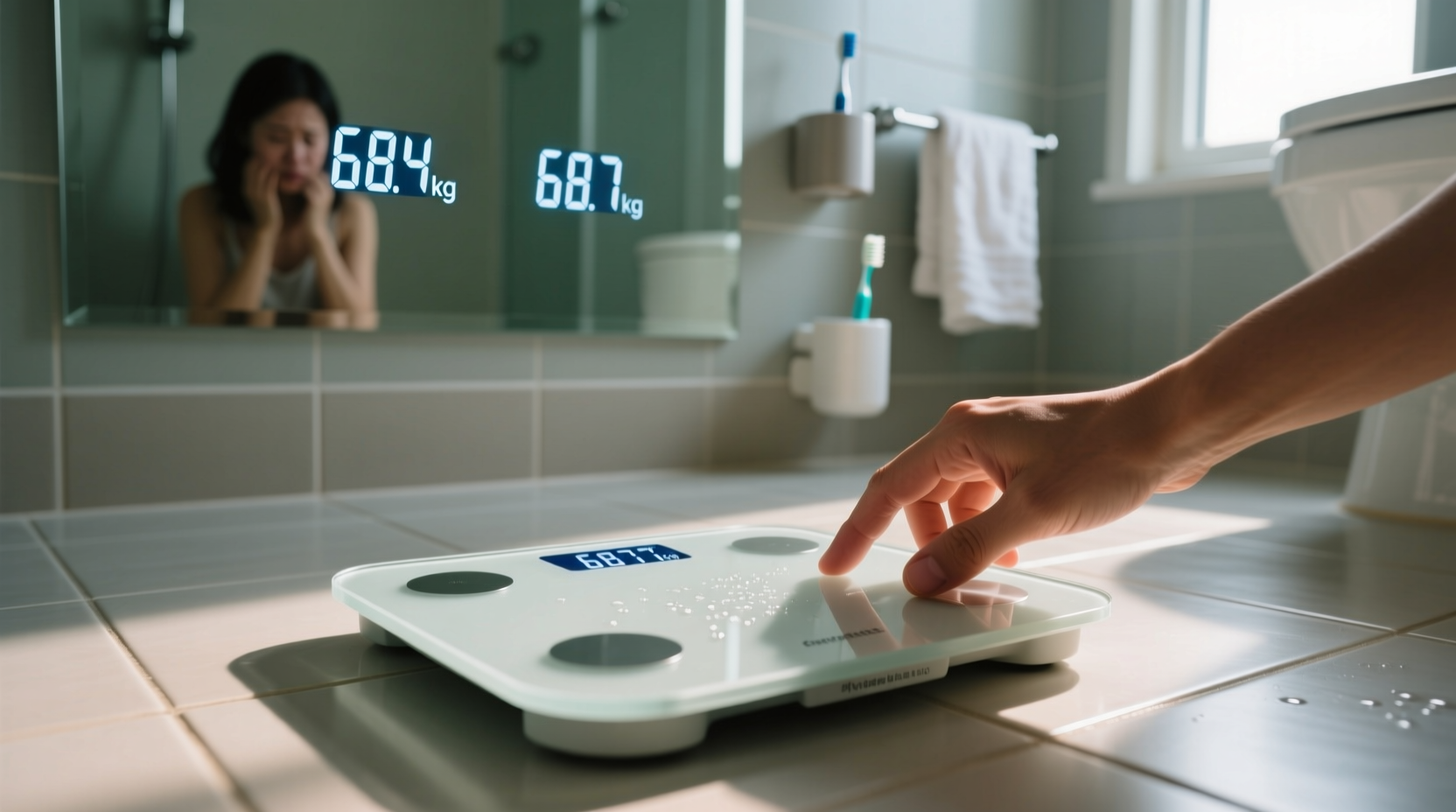
Unlike traditional analog scales, smart scales use electrical signals to estimate body composition. When you stand barefoot on the surface, a small, harmless electrical current passes through your lower body. The resistance it encounters—called impedance—helps the device calculate metrics such as body fat percentage, muscle mass, bone density, and water weight.
This technology allows for deeper insights than weight alone, but it also introduces variability. Because BIA relies on hydration levels, body temperature, and even foot contact, minor changes in conditions can significantly affect results.
“Smart scales offer valuable trends over time, not absolute precision. Treat them as trend trackers, not medical-grade instruments.” — Dr. Lena Patel, Sports Medicine Physician
Key Factors Behind Morning Weight Fluctuations
Daily weight variations of 1–5 pounds are normal and expected. The following elements contribute to inconsistent readings:
- Hydration status: Overnight fluid loss through breathing and sweat, combined with how much water you drank the night before, impacts morning weight. Dehydration can temporarily lower weight, while excess fluid retention raises it.
- Sodium intake: High-salt meals cause water retention. Eating late-night snacks rich in sodium may result in higher readings the next morning.
- Hormonal cycles: Women often experience water retention due to menstrual cycle phases, especially in the days leading up to menstruation.
- Bowel movements: Whether you’ve used the restroom yet affects total mass. Holding waste can add several hundred grams.
- Time and consistency: Weighing yourself at different times, after drinking water, or wearing socks alters results.
- Floor surface: Uneven or carpeted floors reduce sensor accuracy. Hard, flat surfaces yield more stable measurements.
Why Body Composition Readings Vary More Than Weight
While weight might fluctuate slightly, body fat and muscle percentages can swing dramatically between mornings. This is primarily due to changes in hydration. Since BIA measures how quickly electricity travels through tissues—and water conducts electricity better than fat—dehydration makes your body appear to have higher fat content.
For example, if you slept poorly and sweated during the night, your body may be mildly dehydrated. The scale detects higher impedance, interprets this as increased fat mass, and reports a higher body fat percentage—even if no actual fat gain occurred.
Which Reading Should You Trust?
No single daily reading tells the full story. Instead, focus on the trend over time. A smart scale is best used as a long-term tracking tool, not a judge of daily progress.
Consider this scenario: You follow a healthy routine all week, but Friday’s reading shows a sudden 3-pound increase. Before panicking, look back at the data. If Monday through Thursday showed a steady downward trend, the spike is likely temporary water retention—possibly from stress, sleep disruption, or a salty dinner.
Mini Case Study: Sarah’s Weekly Pattern
Sarah, a 34-year-old office worker tracking her fitness goals, noticed her smart scale showed 152 lbs on Monday, dropped to 148 lbs by Wednesday, then jumped to 154 lbs on Friday. Confused and discouraged, she nearly abandoned her program.
Her trainer reviewed her habits and discovered key patterns: On Thursday night, Sarah attended a social dinner with high-sodium foods and limited sleep afterward. Her Friday reading reflected water retention, not fat gain. By Saturday morning—after rest and proper hydration—the scale read 149 lbs again.
Once Sarah began tracking weekly averages instead of daily numbers, she saw a clear downward trend and regained confidence in her progress.
Best Practices for Reliable Smart Scale Use
To get meaningful, trustworthy data from your smart scale, follow a disciplined approach. Consistency in measurement conditions reduces noise and improves reliability.
Step-by-Step Guide to Accurate Daily Weigh-Ins
- Use the same time daily: First thing in the morning is ideal—after urination, before eating or drinking.
- Stand barefoot: Ensure direct skin-to-electrode contact. Socks or lotions can interfere with conductivity.
- Stay still: Stand upright and motionless until the reading completes.
- Place the scale correctly: On a hard, flat surface (not carpet or tile grout lines).
- Sync consistently: Make sure your smartphone app is updated and connected to avoid data gaps.
- Avoid post-exercise weighing: Exercise increases blood flow and hydration shifts, skewing BIA results.
- Track trends, not single points: Use weekly averages to assess progress.
Checklist: Optimize Your Smart Scale Routine
- ✅ Weigh every morning at the same time
- ✅ Use the bathroom before stepping on the scale
- ✅ Go barefoot and dry
- ✅ Place scale on a hard, level floor
- ✅ Avoid weighing after workouts or large meals
- ✅ Review 7-day averages weekly
- ✅ Note major lifestyle changes (e.g., travel, illness, high-salt meals)
Do’s and Don’ts of Smart Scale Use
| Do’s | Don’ts |
|---|---|
| Weigh first thing in the morning | Weigh at random times (e.g., evening vs. morning) |
| Track weekly averages | Panic over daily fluctuations |
| Ensure good foot contact with clean, dry feet | Wear socks or use lotion before stepping on |
| Keep the scale on a consistent surface | Move the scale frequently between rooms or surfaces |
| Stay hydrated throughout the day | Drink large amounts of water right before weighing |
| Use alongside other metrics (measurements, photos, energy levels) | Rely solely on the scale for progress evaluation |
When to Question Your Scale’s Accuracy
While some variation is normal, persistent inconsistencies may indicate a technical issue. Consider recalibrating or replacing your device if:
- You get vastly different results within minutes under identical conditions.
- The scale fails to connect to your app or loses settings frequently.
- Readings don’t align with visible changes in clothing fit or physical performance over weeks.
- Multiple users report erratic data despite correct usage.
Some models require periodic recalibration. Check your manufacturer’s guidelines. Also, ensure the battery is fresh—low power can impair sensor function.
“Bioelectrical impedance is useful, but it has limitations. For clinical accuracy, methods like DEXA scans or hydrostatic weighing are superior—but impractical for daily use.” — Dr. Marcus Lin, Biomedical Engineer
FAQ: Common Smart Scale Questions Answered
Can dehydration make me look fatter on a smart scale?
Yes. Dehydration increases electrical resistance in your body, which the scale interprets as higher body fat. This doesn’t mean you’ve gained fat—it’s a measurement artifact caused by low fluid levels.
Should I use my smart scale every day?
Daily use is fine if you focus on trends, not daily numbers. However, if frequent weighing causes stress or obsession, limit it to 2–3 times per week. Mental well-being matters more than data frequency.
Why do I weigh less at night than in the morning sometimes?
This seems counterintuitive, but it can happen. While most people weigh less in the morning due to fasting and fluid loss, post-dinner bloating, undigested food, or evening workouts causing fluid shifts can lead to higher morning readings. Always prioritize consistency in timing over isolated comparisons.
Conclusion: Trust the Trend, Not the Number
Your smart scale is a tool—not a verdict. It provides insights into your body’s changing composition, but only when used wisely. Morning fluctuations are normal and largely driven by hydration, hormones, and daily habits. Rather than fixating on a single reading, step back and examine the broader pattern across weeks.
By standardizing your routine, interpreting data intelligently, and combining scale results with other indicators like energy levels, strength gains, and how your clothes fit, you’ll gain a far more accurate picture of your health progress.




 浙公网安备
33010002000092号
浙公网安备
33010002000092号 浙B2-20120091-4
Comments
No comments yet. Why don't you start the discussion?