
A freshly blended smoothie should be creamy, consistent, and ready to drink with a satisfying swirl—not split into layers seconds after pouring. Yet many home blenders face this frustrating issue: the moment the motor stops, the smoothie begins to separate, leaving liquid at the bottom and pulp or foam on top. This isn’t just unappealing—it can mean inconsistent flavor, texture, and nutrient distribution. The good news? Smoothie separation is both preventable and fixable. Understanding the science behind it and applying strategic blending techniques can transform your results from messy to magnificent.
The Science Behind Smoothie Separation
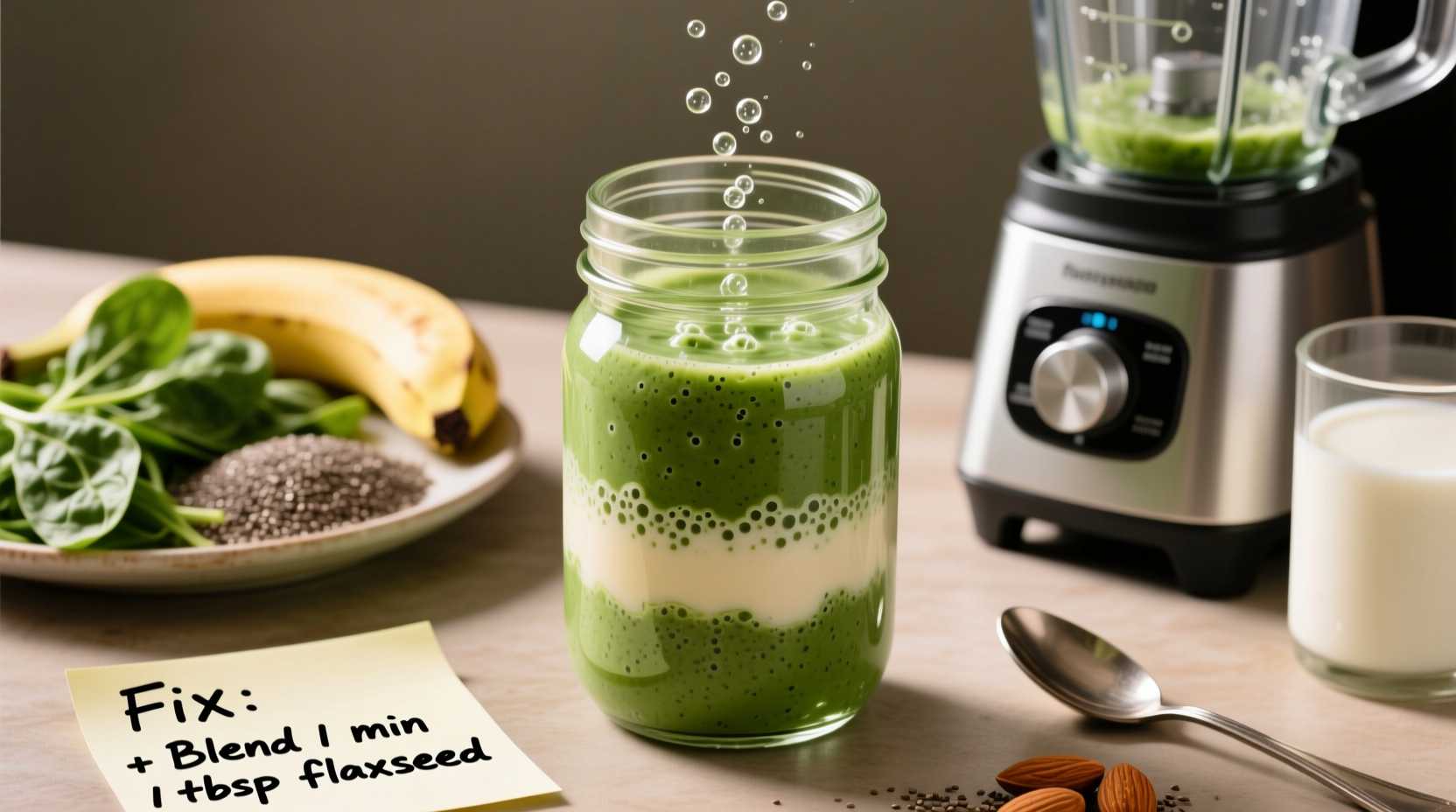
Smoothie separation occurs due to differences in density, viscosity, and emulsification among ingredients. When you blend fruits, vegetables, liquids, and supplements, each component has unique physical properties. Water-based liquids like almond milk or coconut water are less dense than fibrous greens or thick nut butters. Over time—or sometimes instantly—these components naturally begin to stratify unless properly bound together.
This process is similar to oil and vinegar separating in a salad dressing. Without an emulsifier or sufficient mechanical force (like prolonged blending), distinct layers form. In smoothies, separation often happens quickly because of:
- Density imbalances: Light ingredients rise; heavy ones sink.
- Lack of binding agents: Ingredients like banana, avocado, chia seeds, or oats help stabilize the mixture.
- Inadequate blending time or power: Weak blenders may not fully break down fibers or create a uniform suspension.
- Temperature fluctuations: Cold ingredients can cause condensation or affect viscosity, accelerating separation.
“Proper layering and blending sequence are as important as ingredient choice when preventing smoothie separation.” — Dr. Lena Torres, Food Scientist & Nutritional Formulation Specialist
Blending Order Matters: The Right Sequence for Stability
One of the most overlooked factors in smoothie consistency is the order in which ingredients are added to the blender. Many people dump everything in at once or start with solids, which forces the blades to struggle and leads to uneven processing. The optimal method follows a layered approach designed to protect the blender and promote even mixing.
Step-by-Step Blending Order
- Liquid first: Pour in your base liquid (water, milk, juice) to surround the blades and create a vortex.
- Soft ingredients next: Add yogurt, nut butter, honey, or protein powder—items that blend easily and help coat fibers.
- Frozen or hard items third: Place frozen fruit, ice, or chopped vegetables on top so they’re pulled down into the liquid.
- Fibrous greens last: Spinach, kale, or celery go on top where they get drawn down gradually, reducing air incorporation.
This sequence ensures the blender operates efficiently, minimizes air pockets, and creates a smoother, more homogenous texture. Starting with liquid prevents blade damage and allows immediate circulation, while placing heavier items above lighter ones encourages them to sink and blend thoroughly.
Key Ingredients That Prevent Separation
Certain ingredients act as natural stabilizers, thickeners, or emulsifiers. Incorporating them strategically improves cohesion and shelf stability—even if you plan to drink the smoothie immediately.
| Ingredient | Function | Recommended Amount (per 16oz smoothie) |
|---|---|---|
| Banana (ripe) | Natural thickener with pectin and starch | ½ medium |
| Avocado | Healthy fats create creaminess and emulsify liquids | ¼ medium |
| Oats (rolled or quick) | Soluble fiber absorbs liquid and adds body | 2–3 tbsp |
| Chia or flax seeds | Form gels when hydrated; excellent binders | 1 tbsp (soaked preferred) |
| Yogurt or kefir | Contains proteins and cultures that stabilize texture | ¼–½ cup |
| Nut butter (peanut, almond) | Fats emulsify water-based liquids; prevent layering | 1–2 tsp |
Using at least one of these ingredients significantly reduces separation. For example, chia seeds absorb up to 10 times their weight in water, forming a gel matrix that traps other components. Similarly, avocado’s high fat content helps suspend particles evenly throughout the liquid phase.
Troubleshooting Common Mistakes
Even with the right ingredients, small errors can sabotage your smoothie’s stability. Here’s a checklist of common issues and how to correct them:
- ❌ Using too much liquid without balancing thickeners
- ❌ Skipping pre-soaking chia or flax seeds
- ❌ Overloading the blender beyond capacity
- ❌ Not blending long enough (aim for 45–60 seconds)
- ❌ Using low-fat dairy or watery plant milks exclusively
- ❌ Adding ice last, causing uneven crushing and temperature shock
For instance, using only almond milk and spinach might result in rapid separation because there’s no structural support. Adding half a banana or a tablespoon of oats changes the dynamic entirely by increasing viscosity and particle suspension.
Real Example: From Separated Sludge to Silky Success
Jamie, a busy nurse who relies on morning smoothies for energy, struggled with her green smoothie splitting within minutes. Her original recipe:
- 1 cup unsweetened almond milk
- 1 cup spinach
- ½ apple
- ½ lemon, juiced
- Ice cubes
The result was a watery base with floating greens and foam on top. After adjusting the formula using proper blending order and adding stabilizers, Jamie revised her recipe:
- ¾ cup oat milk (higher fat than almond)
- ¼ cup plain Greek yogurt
- ½ banana (frozen)
- 1 tbsp chia seeds (pre-soaked in 3 tbsp water for 10 mins)
- 1 cup spinach
- ½ green apple
- Ice cubes
She followed the recommended layering method and blended for 50 seconds. The new version stayed uniformly mixed for over 90 minutes—plenty of time for her commute. “I finally have a smoothie I can actually enjoy without stirring constantly,” she said.
Advanced Techniques for Long-Lasting Smoothies
If you prepare smoothies ahead of time or need them to stay stable during transport, consider these pro-level strategies:
1. Pre-Soak Your Seeds
Chia, flax, and hemp seeds perform better when soaked for 10–15 minutes before blending. They expand and form a gel that integrates seamlessly into the mix, improving texture and delaying separation.
2. Use Frozen Fruit Instead of Ice
Ice dilutes the smoothie as it melts, increasing water content and promoting layering. Frozen fruit maintains thickness and contributes flavor and nutrients without thinning the blend.
3. Blend in Phases
Start on low speed to pull ingredients down, then increase to high for 30–60 seconds. Pause and scrape sides if needed. This ensures all material is fully incorporated, especially fibrous greens that tend to cling to the jar.
4. Add a Natural Emulsifier
Lecithin (sunflower or soy) is a powerful emulsifying agent found naturally in egg yolks and some seeds. Just ½ teaspoon of powdered sunflower lecithin can dramatically improve smoothie stability by helping fats and liquids bind together.
FAQ: Common Questions About Smoothie Separation
Why does my smoothie separate even though I use a high-powered blender?
Even the best blenders can't compensate for poor ingredient balance or incorrect layering. High speed doesn’t guarantee emulsification if key stabilizing ingredients are missing. Also, under-blending—stopping too soon—can leave fibers intact and unable to suspend properly.
Can I fix a separated smoothie after it happens?
Yes. Simply re-blend for 20–30 seconds or shake vigorously in a sealed container. If separation is severe, add a small amount of thickener (like half a banana or a spoonful of oats) and blend again. Prevention is better than correction, but recovery is easy.
Is it safe to drink a separated smoothie?
Absolutely. Separation is a physical change, not a sign of spoilage. As long as the ingredients were fresh and stored properly, a layered smoothie is perfectly safe. Just remix before consuming to ensure even nutrient distribution.
Final Tips for Consistently Stable Smoothies
Creating a smoothie that stays unified from first sip to last requires attention to detail—but the effort pays off in taste, texture, and convenience. Focus on three core principles:
- Balance your ingredients: Pair liquids with thickeners and emulsifiers.
- Layer wisely: Follow the liquid-first, soft-middle, solids-last rule.
- Blend thoroughly: Don’t rush the process; allow time for full integration.
With practice, you’ll develop an instinct for what combinations work best. Keep a journal of recipes that stay mixed versus those that don’t—small tweaks often lead to big improvements.
“The perfect smoothie isn’t just nutritious—it’s engineered for stability. Texture and function matter as much as flavor.” — Chef Marcus Reed, Plant-Based Culinary Instructor
Conclusion: Make Every Sip Smooth
Your smoothie shouldn’t require constant stirring or come with a warning label: “May separate.” By understanding the causes of separation and applying smart blending practices, you can consistently create drinks that are as stable as they are delicious. Whether you're fueling a hectic morning or prepping meals for the week, these fixes ensure your smoothies perform as intended—creamy, cohesive, and ready when you are.




 浙公网安备
33010002000092号
浙公网安备
33010002000092号 浙B2-20120091-4
Comments
No comments yet. Why don't you start the discussion?