
Smoothies are a go-to for quick nutrition, post-workout recovery, or a refreshing breakfast. But nothing ruins the experience faster than opening your glass to find a watery top layer, a dense sludge at the bottom, and no hint of the creamy texture you expected. Separation isn’t just unappealing—it can signal poor ingredient balance or technique. The good news: with the right knowledge, you can prevent separation and achieve a consistently smooth, velvety drink every time.
The Science Behind Smoothie Separation
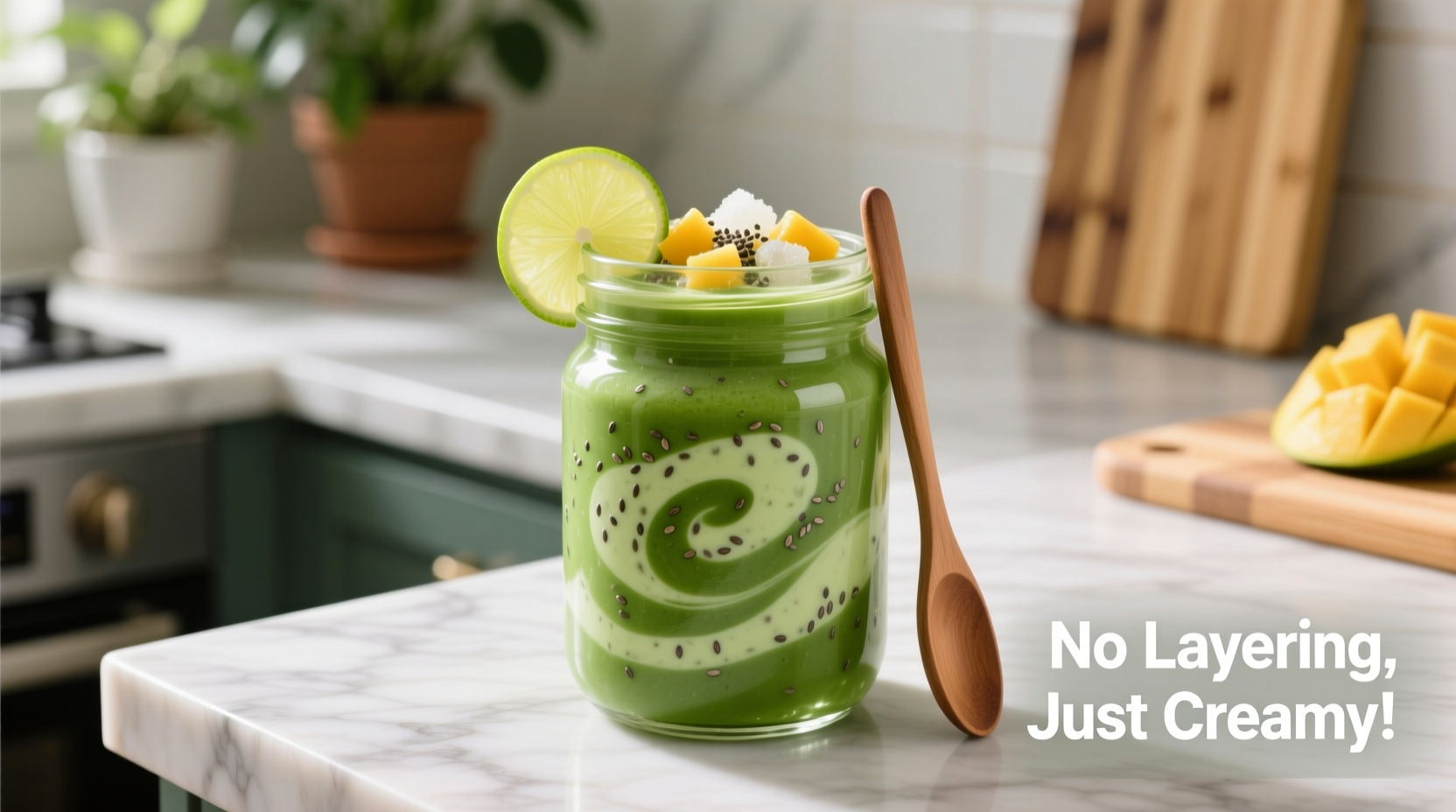
Smoothie separation occurs due to differences in ingredient density, emulsification, and molecular stability. When ingredients don’t bind well, gravity pulls heavier components—like frozen fruit, nut butters, or protein powder—to the bottom, while lighter liquids like water, juice, or almond milk rise to the top.
This process is natural and not harmful, but it undermines both texture and flavor distribution. Understanding the root causes helps you adjust your method proactively:
- Density mismatch: Heavy solids sink when not properly blended with liquids.
- Lack of emulsifiers: Ingredients like banana, avocado, or yogurt help bind fats and liquids. Without them, oil-based components (e.g., flaxseed oil) float.
- Overuse of liquid: Too much liquid dilutes the mixture, reducing viscosity and increasing separation speed.
- Inadequate blending time: Short blending cycles fail to break down fibers and integrate air, which stabilizes texture.
- Temperature differences: Mixing cold frozen ingredients with room-temperature liquids can create instability in the emulsion.
“Separation in smoothies is less about spoilage and more about physics. The key is creating a stable colloidal suspension through proper ingredient ratios and mechanical blending.” — Dr. Lena Torres, Food Scientist & Nutritional Biochemist
Layering Techniques for Creamy Consistency
How you layer ingredients in the blender matters as much as what you use. Strategic layering improves blending efficiency and reduces air pockets that lead to uneven textures.
Follow this proven order from bottom to top:
- Liquids first: Water, milk, juice, or plant-based alternatives form the base and help the blades move freely.
- Soft ingredients next: Yogurt, nut butter, honey, or silken tofu blend easily and begin building creaminess.
- Frozen elements third: Add frozen fruits, ice, or cauliflower rice after softer items to avoid jamming the motor.
- Powders and dry goods last: Protein powder, greens, chia seeds, or spices go on top so they’re pulled down into the vortex.
This sequence creates a whirlpool effect, drawing everything downward and ensuring thorough mixing. Skipping this order risks leaving powders stranded on top or overworking the motor trying to crush ice too early.
Why Layering Works: The Blender Vortex Effect
When liquids are at the bottom, the spinning blades generate suction that pulls upper ingredients into the center. This vortex prevents clumping and ensures even particle breakdown. If you start with frozen chunks at the base, the blades can’t circulate liquid effectively, leading to inconsistent blending and faster separation later.
Key Ingredients That Prevent Separation
Certain ingredients act as natural thickeners and emulsifiers. Incorporating them strategically enhances mouthfeel and stability.
| Ingredient | Function | Recommended Amount (per 16oz smoothie) |
|---|---|---|
| Ripe banana | Natural thickener, adds sweetness and fiber | ½ medium |
| Avocado | Rich in healthy fats; creates ultra-creamy texture | ¼ medium |
| Plain Greek yogurt | Protein-rich emulsifier; stabilizes mixture | ¼–⅓ cup |
| Oats (rolled or quick) | Absorbs excess liquid; adds body | 2–3 tbsp |
| Chia or flax seeds | Form gel when hydrated; excellent binder | 1 tbsp (soaked for 5 mins preferred) |
| Silken tofu | Neutral-flavored protein; blends smoothly | ¼ cup |
For best results, combine two or more of these ingredients. For example, banana + chia seeds provide both immediate thickness and long-term stabilization.
Step-by-Step Guide to a Non-Separating Smoothie
Follow this detailed process to make a smoothie that stays blended from first sip to last:
- Gather ingredients: Choose 1–2 cups total of fruit (fresh or frozen), ½–1 cup liquid, 1 protein/fat source (yogurt, nut butter), and 1 thickener (banana, avocado, oats).
- Pre-soak binding agents: Mix chia, flax, or psyllium husk with part of your liquid and let sit 5 minutes.
- Load the blender correctly: Pour liquid first, then soft ingredients, frozen items, and finally powders or dry goods.
- Blend in stages: Start on low for 10 seconds to mix, then increase to high for 45–60 seconds until completely smooth.
- Check consistency: It should coat the back of a spoon. If too thin, add ice or oats; if too thick, add liquid 1 tbsp at a time.
- Immediate consumption or storage: Drink immediately for best texture. If storing, use an airtight container and consume within 24 hours.
For meal prep, freeze smoothie packs in portions. Thaw slightly before blending and always give a quick re-blend before drinking.
Common Mistakes That Cause Separation
Even experienced smoothie makers fall into traps that compromise texture. Avoid these frequent errors:
- Using only juice or water as liquid: These lack proteins or fats to stabilize the mix. Replace at least half with milk, kefir, or coconut water.
- Overloading with leafy greens: More than 1–2 cups of spinach or kale without enough fat or thickener leads to gritty, separated results.
- Skipping the blend time: Under-blending leaves fibers intact, which settle quickly. Blend at high speed for at least 45 seconds.
- Adding ice last: Ice should be added mid-layer, not on top, to ensure it’s crushed evenly.
- Storing in wide-mouth containers: Wide openings expose more surface area to air, accelerating separation. Use narrow bottles instead.
“I used to throw everything in the blender randomly. Once I started layering and using avocado as a base, my smoothies stayed mixed for hours.” — Maya R., home nutrition enthusiast
FAQ: Your Smoothie Separation Questions Answered
Can I fix a separated smoothie?
Yes. Simply shake vigorously or re-blend for 20–30 seconds. If separation happens often, reassess your ingredient ratios and blending method.
How long can a smoothie sit before separating?
Most homemade smoothies begin separating within 30 minutes. With stabilizers like chia or yogurt, they may hold for 1–2 hours. For longer shelf life, store in the fridge and consume within 24 hours.
Is separation a sign of spoilage?
No. Separation is physical, not biological. As long as the smoothie has been refrigerated and consumed within a day, it’s safe. Stir or shake before drinking.
Checklist: Build a Stable, Creamy Smoothie Every Time
Use this checklist before blending to ensure optimal consistency:
- ✅ Liquids added first to the blender
- ✅ At least one natural thickener included (banana, avocado, oats)
- ✅ Emulsifier present (yogurt, nut butter, chia seeds)
- ✅ Powders placed on top, not buried
- ✅ Blended for at least 45 seconds on high
- ✅ Stored in a narrow, sealed container if not consumed immediately
- ✅ Shaken or re-blended before drinking if stored
Conclusion: Mastery Starts with Method
A perfectly blended smoothie shouldn’t require constant stirring. By understanding the science of separation and applying smart layering techniques, you transform your routine from hit-or-miss to consistently excellent. The difference lies not in expensive equipment, but in thoughtful preparation and ingredient synergy.




 浙公网安备
33010002000092号
浙公网安备
33010002000092号 浙B2-20120091-4
Comments
No comments yet. Why don't you start the discussion?