
If you've noticed liquid pooling in your bag or dripping down the side of your Stanley Cup, you're not alone. Despite their rugged reputation for durability and insulation, even the most trusted Stanley tumblers can develop leaks over time. The good news is that most leaks aren’t a sign of permanent failure—they’re often fixable with a few simple steps. Whether you’ve dropped it, washed it too aggressively, or just worn it down through daily use, understanding the root cause is the first step toward a long-term solution.
This guide breaks down the common reasons why your Stanley Cup might be leaking, how to diagnose the issue, and—most importantly—how to fix it quickly and affordably. From gasket replacements to proper lid tightening techniques, you’ll learn practical solutions that restore your tumbler’s performance without needing to replace it prematurely.
Understanding How Your Stanley Cup Works
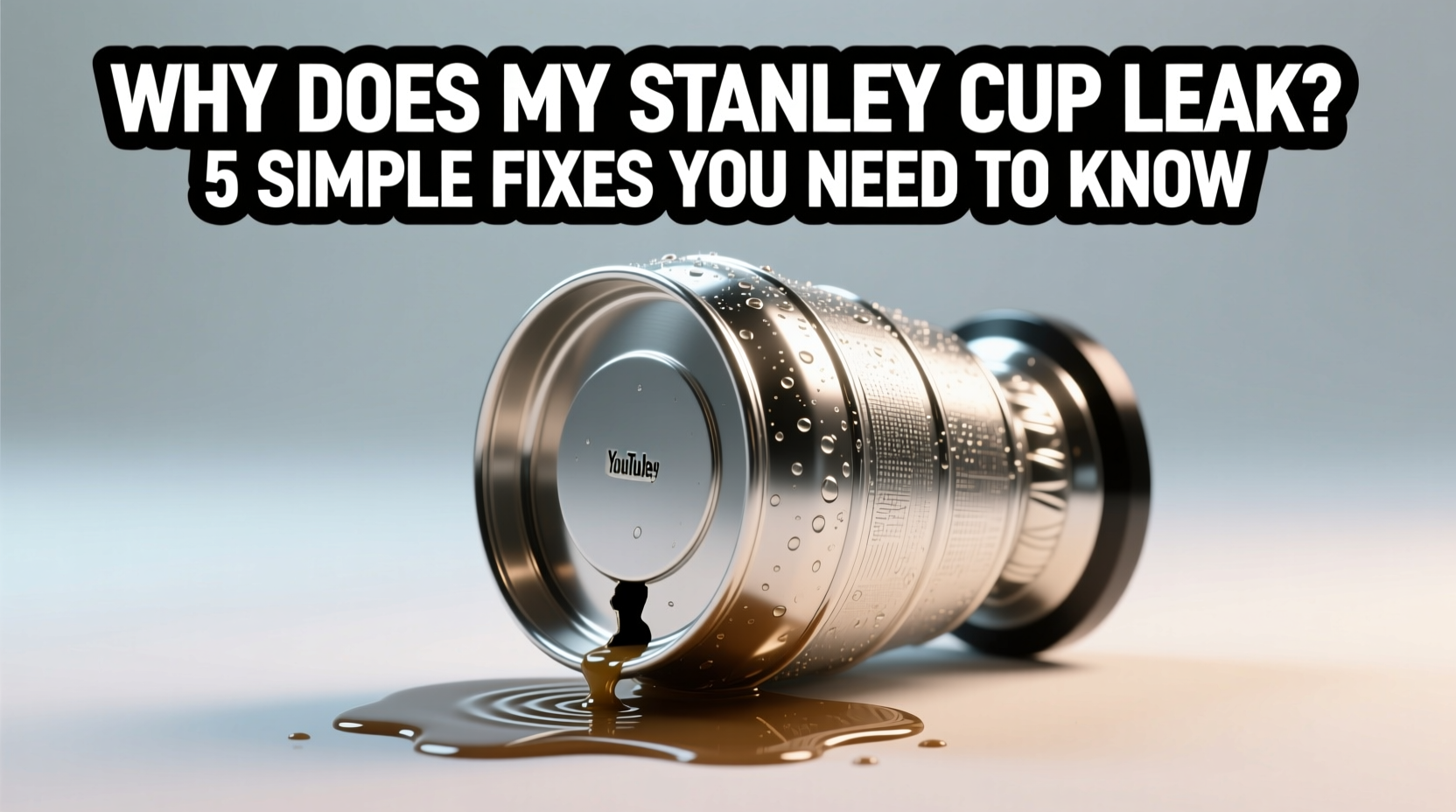
The design of the modern Stanley tumbler relies on a vacuum-sealed system to maintain temperature and prevent spills. Most models feature a double-wall stainless steel construction with a pressurized seal between the inner and outer layers. The lid, typically made from durable BPA-free plastic, includes a silicone gasket and a sliding closure mechanism that locks in liquids when properly engaged.
The critical components involved in preventing leaks are:
- Silicone gasket (seal ring): Located inside the lid, this creates an airtight barrier between the cup and the lid.
- Lid closure mechanism: The slide or flip-top seal that physically blocks the drinking opening.
- Threaded connection: The screw-on fit between the lid and the cup body must be tight but not over-torqued.
- Interior lining integrity: Though rare, damage to the internal structure can compromise the seal.
When any one of these elements fails, even slightly, leakage can occur—especially when the cup is tilted, shaken, or carried in a bag.
Common Causes of Leaks and How to Diagnose Them
Before attempting repairs, it's essential to identify exactly where the leak is coming from. A systematic check helps avoid unnecessary part replacements and ensures lasting results.
1. Worn or Damaged Silicone Gasket
The most frequent culprit behind leaks is a degraded silicone seal. Over time, exposure to heat, dishwashers, and repeated use can cause the gasket to harden, crack, or lose its flexibility. If the seal doesn’t lie flat or shows visible splits, it won’t create a proper barrier.
2. Improper Lid Assembly
Some Stanley lids have multiple parts that must be assembled in the correct order. If the gasket is flipped, misaligned, or seated improperly, the lid won’t seal—even if it feels tight.
3. Loose or Cross-Threaded Lid
Screwing the lid on at an angle can cross-thread it, damaging both the lid and cup rim. Even if it appears secure, a misaligned thread prevents full contact and leads to seepage.
4. Cracked or Warped Lid Components
Drops or impacts can crack the plastic housing of the lid or deform the slider mechanism. A warped lid may appear intact but fail to close completely.
5. Manufacturing Defects (Rare)
While uncommon, some units may leave the factory with imperfect seals or microscopic weld flaws in the vacuum layer. These usually manifest as slow sweating rather than active pouring but can still feel like a leak.
“Over 70% of reported ‘leaky’ Stanley Cups we see are actually due to user error or worn gaskets—not product defects.” — Jordan Lee, Customer Support Lead at Outdoor Gear Lab
Step-by-Step Guide to Fixing a Leaking Stanley Cup
Follow this structured approach to troubleshoot and repair your tumbler efficiently.
- Disassemble the Lid Completely
Remove the silicone gasket and any other removable parts from the lid. Most Stanley lids allow you to pop out the seal with a fingernail or soft tool. - Inspect the Gasket
Check for cracks, warping, or stiffness. Run your finger along the inner edge—if it feels rough or uneven, replacement is needed. - Clean All Components Thoroughly
Use warm water and mild dish soap to clean the gasket groove, lid interior, and cup threads. Built-up residue can prevent a proper seal. - Reinstall the Gasket Correctly
Ensure the gasket sits fully in its channel, with no twists or gaps. It should protrude slightly inward to make contact with the cup rim. - Reattach the Lid Carefully
Align the lid straight with the cup and screw it on by hand until snug. Do not force it beyond resistance. - Test the Seal
Fill the cup halfway with water, close the slider, and turn it upside down over a sink for 30 seconds. No drips mean success. - Repeat if Necessary
If it still leaks, disassemble again and verify alignment. If the gasket looks fine but sealing fails, consider ordering a replacement.
Replacement Parts and Where to Find Them
Stanley offers official replacement lids and gaskets for most current models. Using genuine parts ensures compatibility and maintains warranty eligibility.
Where to buy:
- Stanley’s official website: Navigate to “Parts & Accessories” and search by model number.
- Amazon: Search “Stanley Cup replacement gasket [model]” for third-party and OEM options.
- Outdoor retailers: REI, Moosejaw, and Cabela’s often carry spare parts online.
A replacement gasket typically costs between $3–$8, while full lids range from $12–$20 depending on size and style.
| Issue | Likely Solution | Cost Estimate |
|---|---|---|
| Frayed or cracked gasket | Replace silicone seal | $3–$8 |
| Broken slider mechanism | Replace entire lid | $12–$20 |
| Cross-threaded lid | Replace lid; avoid over-tightening | $12–$20 |
| Cracked cup body | Replace entire tumbler | $25–$45 |
| Loose seal due to debris | Deep clean and reassemble | $0 |
Prevention Tips to Avoid Future Leaks
Maintaining your Stanley Cup properly extends its lifespan and prevents recurring issues. Here’s how to keep it leak-free:
✅ Do’s
- Hand wash the lid and gasket regularly to preserve elasticity.
- Store the cup with the lid off to prevent moisture buildup and odor.
- Tighten the lid firmly but gently—stop when resistance increases.
- Replace the gasket every 6–12 months with frequent use.
- Use the slider lock feature when transporting.
❌ Don’ts
- Don’t put the lid in the dishwasher—high heat degrades silicone.
- Don’t drop the cup on hard surfaces—impacts can warp the rim.
- Don’t leave carbonated drinks inside for extended periods—pressure builds up and stresses the seal.
- Don’t use abrasive cleaners that scratch plastic components.
“The single biggest mistake people make is assuming their tumbler is ‘indestructible.’ Like any tool, it needs care. Treat it well, and it’ll last years.” — Dana Ruiz, Product Tester at GearReview Hub
Mini Case Study: Fixing a Leaky Quencher After Six Months of Daily Use
Sarah, a nurse working 12-hour shifts, relied on her 40 oz Stanley Quencher to stay hydrated. After six months, she noticed condensation in her work bag and eventually confirmed the cup was leaking around the lid base. Initially frustrated, she assumed the tumbler was defective.
She followed the diagnostic steps outlined above: disassembled the lid, cleaned all parts, and inspected the gasket. She discovered the seal had flattened on one side and wasn’t making full contact. After ordering a $5 replacement gasket from Stanley’s website, she installed it and performed a water test. The leak stopped completely.
Sarah now replaces her gasket every eight months and hand-washes her cup weekly. Her Quencher remains fully functional over two years later.
FAQ
Can I use super glue to fix a cracked lid?
No. While temporary fixes like epoxy may seem appealing, they can leach harmful chemicals into your drink and void warranties. Replace damaged parts instead.
Why does my cup sweat on the outside?
Exterior condensation (“sweating”) usually indicates a broken vacuum seal, which is different from a lid leak. This requires professional assessment or replacement of the entire tumbler.
Are all Stanley gaskets interchangeable?
No. Gaskets vary by model and size. Always confirm compatibility using your cup’s model number before purchasing replacements.
Conclusion: Keep Your Stanley Cup Performing Like New
A leaking Stanley Cup doesn’t mean it’s time to throw it away. In most cases, the issue stems from a worn gasket, improper assembly, or minor damage—all of which are easily fixable. By understanding how the sealing system works and performing regular maintenance, you can prevent leaks before they start and extend the life of your tumbler for years.
Whether you’re commuting, hiking, or powering through a busy shift, a reliable, leak-proof cup makes all the difference. Take a few minutes today to inspect your Stanley, replace aging parts, and apply the best practices shared here. You’ll save money, reduce waste, and get back to enjoying your drinks—without the mess.




 浙公网安备
33010002000092号
浙公网安备
33010002000092号 浙B2-20120091-4
Comments
No comments yet. Why don't you start the discussion?