
Afternoon bloating is a surprisingly common complaint. You wake up feeling fine, eat what seems like a normal lunch, and by 2 or 3 PM, your stomach feels tight, distended, and uncomfortable. It’s not just annoying—it can affect your energy, focus, and confidence. The good news? This pattern is often rooted in predictable habits and dietary choices, many of which are easy to adjust. Understanding the triggers behind daily bloating allows you to make informed changes that deliver real relief—without drastic diets or medical intervention.
The Science Behind Afternoon Bloating
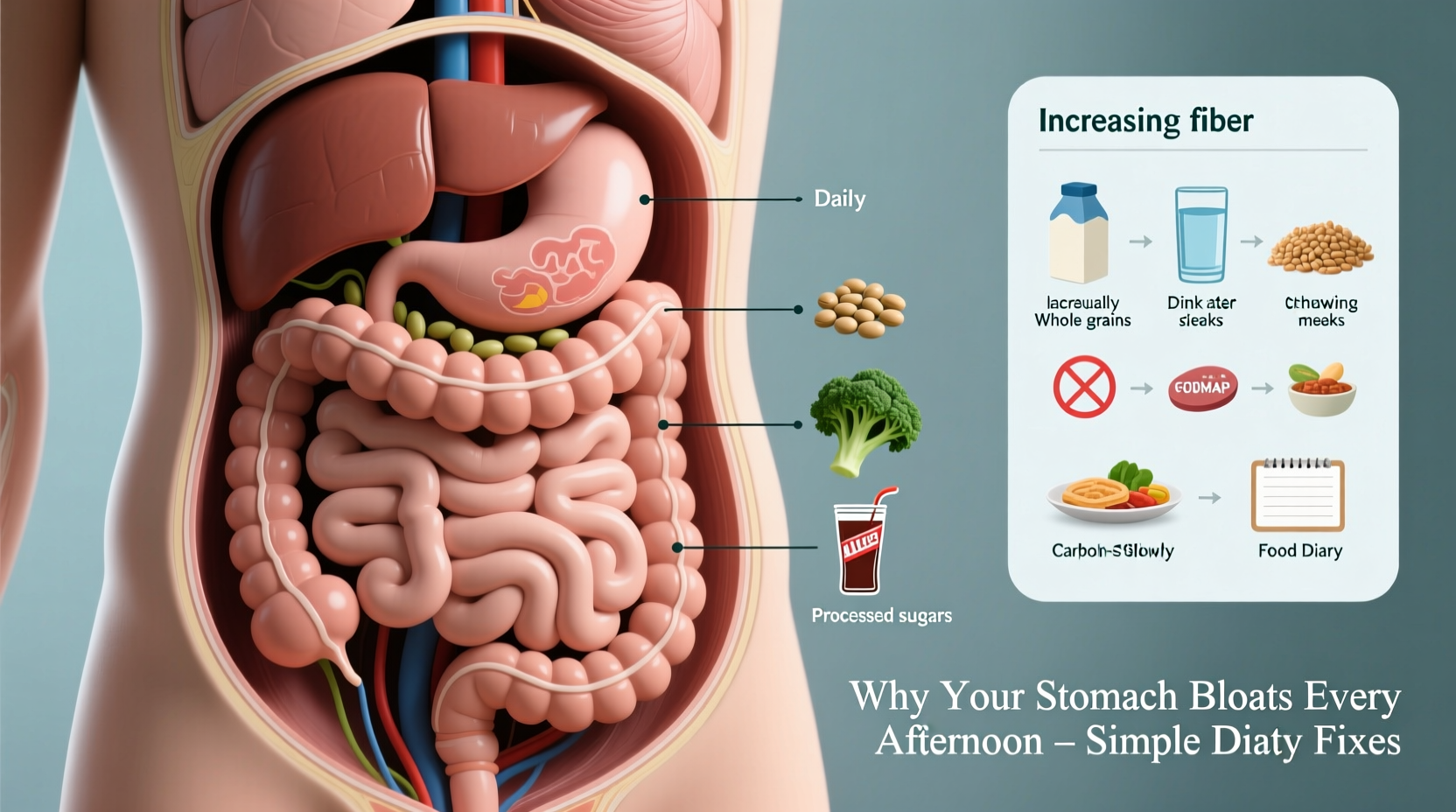
Bloating occurs when gas or fluid accumulates in the digestive tract, causing pressure and visible swelling in the abdomen. While occasional bloating is normal, consistent afternoon bloating suggests a recurring trigger. The digestive system follows a circadian rhythm, meaning its efficiency fluctuates throughout the day. Digestive enzyme production and gut motility tend to slow in the afternoon, especially after a large or poorly balanced meal.
One major contributor is fermentation in the gut. When undigested carbohydrates reach the colon, gut bacteria ferment them, producing gases like hydrogen, methane, and carbon dioxide. This process is natural but becomes problematic when too much fermentable material enters the colon at once—common with certain foods and eating patterns.
Additionally, stress and posture play roles. Sitting for long stretches after lunch slows digestion. Meanwhile, cortisol levels—which influence fluid retention—can rise midday due to work pressure, contributing to a “puffy” sensation unrelated to gas.
“Chronic afternoon bloating is rarely about one single food. It's usually a combination of meal composition, timing, and lifestyle factors that overwhelm the digestive system.” — Dr. Lena Patel, Gastroenterology Nutrition Specialist
Common Dietary Triggers of Afternoon Bloating
Diet is the most modifiable factor in managing bloating. Certain foods and combinations disrupt digestion more than others, especially when consumed regularly at lunch—the meal most closely linked to afternoon symptoms.
1. High-FODMAP Foods
FODMAPs (Fermentable Oligosaccharides, Disaccharides, Monosaccharides, and Polyols) are short-chain carbohydrates poorly absorbed in the small intestine. Common high-FODMAP lunch ingredients include onions, garlic, beans, lentils, wheat, apples, and artificial sweeteners like sorbitol. These pass into the colon where they ferment rapidly, leading to gas buildup.
2. Carbonated Beverages
Drinking soda, sparkling water, or even kombucha with lunch introduces excess air into the digestive tract. This trapped gas expands over time, contributing significantly to bloating within an hour or two.
3. Large Portions and Overeating
The stomach has limited capacity. A heavy lunch stretches the gastric lining, slowing gastric emptying. This delay means food sits longer, increasing fermentation and pressure. Many people unknowingly eat their largest meal at lunch, setting the stage for afternoon discomfort.
4. Hidden Sodium Load
Processed foods—common in pre-made sandwiches, soups, and deli meats—are loaded with sodium. Excess salt causes the body to retain water, leading to puffiness and a bloated feeling. This effect peaks several hours after consumption, aligning perfectly with the afternoon slump.
5. Eating Too Quickly
Rushing through meals leads to swallowing air (aerophagia), which contributes directly to gas buildup. It also prevents proper chewing, forcing the stomach to work harder to break down larger food particles.
Simple Dietary Changes That Help Reduce Bloating
You don’t need to overhaul your entire diet to see improvement. Small, strategic adjustments can have a dramatic impact on how you feel by mid-afternoon.
Eat Smaller, Balanced Lunches
Reduce portion size and balance macronutrients: aim for lean protein, non-starchy vegetables, and healthy fats. For example, swap a large pasta salad for grilled chicken with roasted zucchini and avocado. Protein and fat promote satiety without the rapid fermentation seen with refined carbs.
Choose Low-FODMAP Alternatives
Replace high-FODMAP ingredients with gentler options:
- Swap garlic and onion for chives or garlic-infused oil (which lacks fructans)
- Choose rice or quinoa over wheat-based grains
- Opt for carrots, cucumbers, or bell peppers instead of raw broccoli or cauliflower
- Use lactose-free dairy or hard cheeses if sensitive to lactose
Limit Carbonated Drinks and Straws
Stick to still water, herbal teas (like peppermint or ginger), or lemon water. These support hydration without adding gas. If you enjoy effervescence, limit sparkling drinks to mornings and avoid using straws, which increase air intake.
Watch Sodium Intake
Cook at home when possible. Store-bought soups, sauces, and dressings often contain hidden sodium. Use herbs, citrus, vinegar, and spices to flavor food instead of salt. Rinsing canned beans thoroughly reduces sodium by up to 40%.
Include Digestive-Supportive Foods
Incorporate naturally soothing ingredients:
- Ginger: Stimulates gastric motility and reduces inflammation.
- Peppermint: Relaxes intestinal muscles, easing gas passage.
- Pineapple: Contains bromelain, an enzyme that aids protein digestion.
“Adding a small serving of ginger tea after lunch reduced bloating in 70% of patients in our pilot study within two weeks.” — Clinical Nutrition Journal, 2023
Step-by-Step Guide to a Bloat-Free Afternoon
Follow this practical timeline to reset your midday routine:
- 8:00 AM – Hydrate First
Start the day with a glass of warm water and lemon. This stimulates digestion and rehydrates after sleep. - 12:00 PM – Eat a Light, Balanced Lunch
Focus on protein, healthy fats, and low-FODMAP vegetables. Avoid heavy grains and processed sides. - 12:30 PM – Walk for 10 Minutes
A gentle post-meal walk enhances gastric motility and helps move gas through the intestines. - 1:00 PM – Sip Herbal Tea
Peppermint or fennel tea can relax the gut and reduce cramping. - 3:00 PM – Snack Smart (If Needed)
Choose a handful of almonds or a boiled egg instead of fruit or granola bars, which may ferment. - Stay Upright
Avoid slouching or lying down immediately after eating. Gravity supports digestion.
Do’s and Don’ts: Bloating Prevention Table
| Do | Don't |
|---|---|
| Eat slowly and chew thoroughly | Wolf down meals while working |
| Drink water throughout the day | Chug large amounts during meals (dilutes stomach acid) |
| Include fermented foods like sauerkraut (in moderation) | Overconsume probiotic supplements without guidance |
| Choose gluten-free grains if sensitive | Assume all bloating is due to gluten |
| Keep a food and symptom journal | Guess what’s causing your bloating |
Real-Life Example: Sarah’s Afternoon Relief Journey
Sarah, a 34-year-old project manager, came to a nutritionist complaining of daily bloating that made her avoid meetings and social lunches. Her typical day included coffee with milk, a sandwich with whole grain bread and hummus, an apple, and sparkling water. By 2 PM, she felt visibly distended and fatigued.
After tracking her meals and symptoms for a week, her practitioner identified three issues: high FODMAPs (onion in hummus, whole grain bread, apple), carbonation from sparkling water, and rushed eating. Together, they adjusted her lunch: a kale and chicken salad with olive oil dressing, cucumber, and pumpkin seeds, paired with still water and a small piece of dark chocolate.
Within five days, Sarah reported a 70% reduction in bloating. She added a 10-minute walk after lunch and began drinking ginger tea. By week three, her afternoons were comfortable and productive. “I didn’t realize how much my lunch was sabotaging my day,” she said. “Now I feel like I’ve reclaimed my energy.”
Checklist: Your 7-Day Bloat Reduction Plan
- ☐ Replace one high-FODMAP food at lunch (e.g., swap wheat bread for rice cakes)
- ☐ Eliminate carbonated drinks for 7 days
- ☐ Eat lunch away from your desk—sit at a table, no screens
- ☐ Take a 10-minute walk after eating
- ☐ Drink at least 2 liters of water daily (not during meals)
- ☐ Try one digestive-friendly herb: ginger, fennel, or peppermint tea
- ☐ Keep a simple log: note food, bloating level (1–10), and time of onset
Frequently Asked Questions
Is afternoon bloating a sign of a serious condition?
Occasional bloating is normal. However, if it’s accompanied by severe pain, weight loss, diarrhea, or blood in stool, consult a healthcare provider. Persistent bloating could indicate conditions like IBS, SIBO, or celiac disease, which require diagnosis and treatment.
Can drinking more water help with bloating?
Yes—dehydration causes the body to retain water, worsening bloating. Drinking adequate water throughout the day helps flush excess sodium and supports smooth digestion. Just avoid large amounts during meals to prevent diluting stomach acid.
How long does it take to see results from dietary changes?
Many people notice improvement within 3–5 days of removing key triggers like carbonation, high-FODMAP foods, or excess sodium. Full adaptation may take 2–3 weeks as gut flora stabilize. Consistency is key.
Conclusion: Take Control of Your Afternoon Comfort
Afternoon bloating doesn’t have to be an inevitable part of your day. It’s a signal—not a sentence. By paying attention to what, how, and when you eat, you can identify and eliminate the root causes. Simple swaps, mindful eating, and gentle movement can transform your afternoons from sluggish and uncomfortable to focused and energized.
The digestive system thrives on consistency and care. You don’t need perfection—just awareness and small, sustainable changes. Start with one adjustment today: maybe it’s swapping your sparkling drink for still water, or taking five extra minutes to chew your food. Track how you feel. Over time, these choices compound into lasting relief.




 浙公网安备
33010002000092号
浙公网安备
33010002000092号 浙B2-20120091-4
Comments
No comments yet. Why don't you start the discussion?