
Afternoon bloating is a surprisingly common complaint—one that affects countless people who otherwise feel fine in the morning. You eat what seems like a normal lunch, go about your day, and by 2 or 3 p.m., your stomach feels tight, swollen, and uncomfortable. It’s not just annoying; it can impact focus, confidence, and energy levels. The good news? This pattern is often rooted in identifiable causes, from specific food triggers to lifestyle habits. Understanding the underlying reasons and making strategic adjustments can bring meaningful relief.
Bloating occurs when gas builds up in the digestive tract or when fluid retention distends the abdomen. While occasional bloating is normal, consistent daily bloating—especially at the same time each day—suggests a recurring trigger. Afternoon bloating frequently ties back to dietary choices made at lunch, eating speed, stress levels during work hours, or even subtle intolerances you may not have noticed. Let’s break down the most likely culprits and how to address them effectively.
Common Causes of Afternoon Bloating
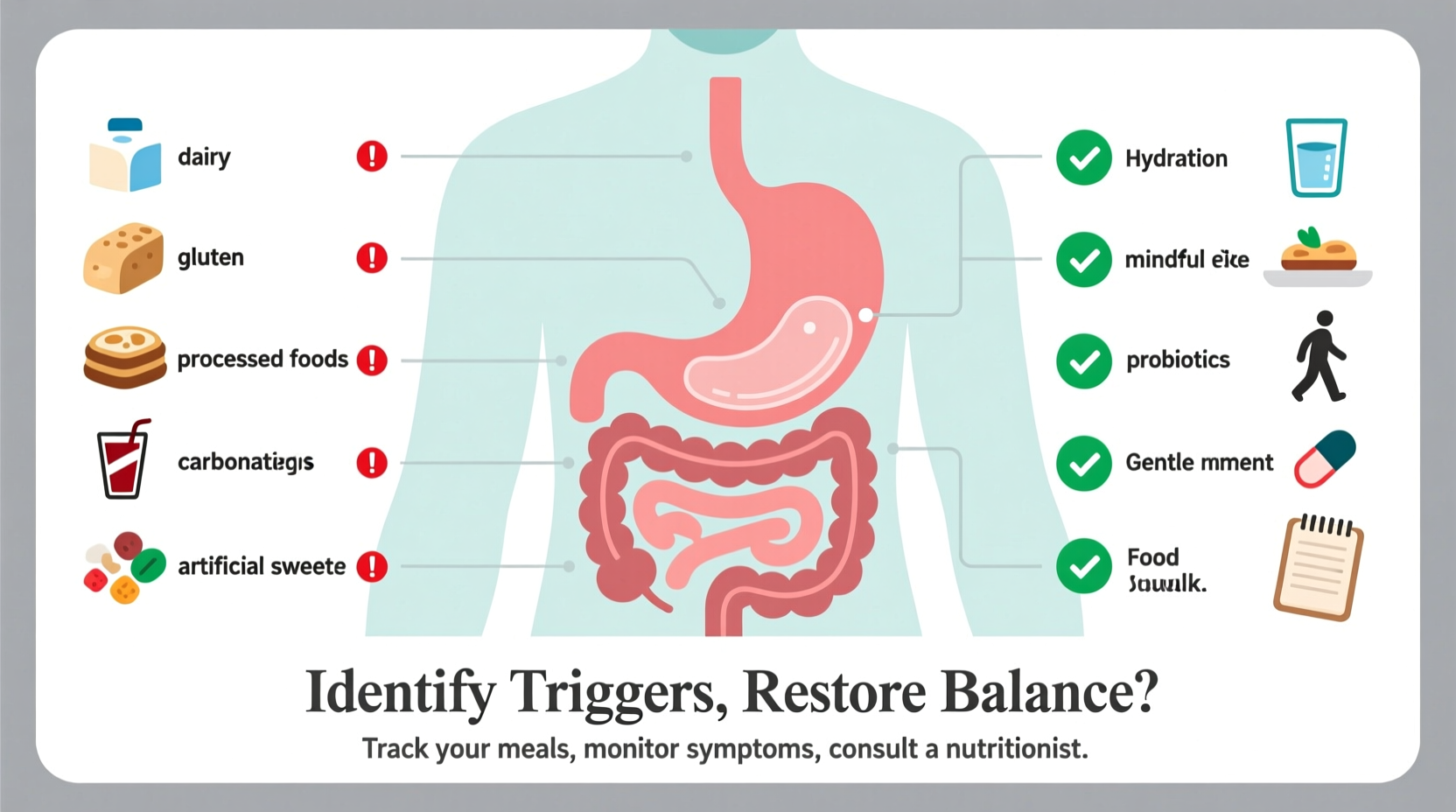
Bloating doesn’t happen in a vacuum. When it strikes daily in the afternoon, timing points to lunch as the primary suspect. But beyond food, other factors such as digestion speed, gut motility, and even posture play roles.
- Dietary triggers: Certain foods produce more gas during digestion or pull water into the intestines, leading to swelling.
- Eating too quickly: Rushing through meals introduces excess air into the stomach, contributing to gas buildup.
- Carbonated beverages: Sodas, sparkling water, and fizzy drinks add carbon dioxide directly into the digestive system.
- Food intolerances: Lactose, fructose, or gluten sensitivities may not cause immediate symptoms but build up over hours.
- Stress and poor posture: High cortisol levels and slouching after lunch can slow digestion and increase abdominal pressure.
The digestive process typically takes 4–6 hours from meal to lower intestinal transit. If you eat lunch around noon, gas production and fermentation peak in the mid-afternoon, aligning perfectly with when bloating appears.
Foods That Commonly Trigger Afternoon Bloating
Some foods are notorious for causing gas, water retention, or delayed digestive distress. These don’t affect everyone equally, but they’re frequent offenders in afternoon bloating cases.
1. Cruciferous Vegetables
Broccoli, cauliflower, Brussels sprouts, and cabbage contain raffinose, a complex sugar that ferments in the large intestine, producing gas. While nutritious, they can be problematic when eaten in large amounts at lunch.
2. Legumes and Beans
Lentils, chickpeas, black beans, and soy products are high in fiber and oligosaccharides—carbohydrates humans can’t fully digest. Gut bacteria ferment them, releasing hydrogen and methane.
3. Onions and Garlic
These alliums contain fructans, a type of FODMAP (fermentable carbohydrate). For those sensitive to FODMAPs, even small servings can trigger bloating hours later.
4. Dairy Products
Lactose intolerance affects an estimated 65% of adults globally. If your body produces insufficient lactase, undigested lactose reaches the colon and ferments, causing gas and distension.
5. Artificial Sweeteners
Sorbitol, xylitol, and mannitol—common in sugar-free gum, mints, and diet foods—are poorly absorbed and highly fermentable. Just one piece of gum after lunch can set off bloating by 3 p.m.
6. High-Sodium Meals
Processed sandwiches, soups, frozen entrees, and restaurant meals often contain hidden sodium. Salt increases water retention, leading to a puffy, bloated feeling that peaks in the afternoon.
“Many patients come in puzzled by their daily bloating. Once we identify hidden FODMAPs or excessive sodium in their lunch routine, symptoms improve within days.” — Dr. Lena Patel, Gastroenterology Specialist
Do’s and Don’ts: Managing Afternoon Bloating
| Do | Avoid |
|---|---|
| Eat slowly and chew thoroughly | Rushing meals or eating while distracted |
| Choose low-FODMAP vegetables like zucchini or carrots | Large portions of broccoli, onions, or garlic |
| Drink water between meals, not during | Carbonated drinks or large fluid intake with food |
| Include ginger or peppermint tea post-lunch | Sugar-free gum or mints with sorbitol |
| Take a short walk after eating | Sitting or lying down immediately after lunch |
Step-by-Step Guide to Reduce Afternoon Bloating
Fixing chronic afternoon bloating isn’t about drastic change—it’s about smart, sustainable adjustments. Follow this five-day reset plan to identify and eliminate your personal triggers.
- Day 1: Eliminate obvious irritants
Remove carbonated drinks, artificial sweeteners, and processed foods high in sodium. Stick to plain proteins (chicken, fish), cooked low-FODMAP veggies, rice, and bananas. - Day 2: Track meal timing and pace
Eat lunch mindfully. Set a timer for 20 minutes. Chew each bite 20 times. Note if slower eating reduces bloating. - Day 3: Test dairy
Replace milk, yogurt, or cheese with lactose-free or plant-based alternatives (e.g., oat or almond milk). Observe changes in bloating and gas. - Day 4: Introduce probiotics
Add a daily serving of fermented food like sauerkraut, kimchi, or kefir (if tolerated). Probiotics help balance gut bacteria involved in gas production. - Day 5: Move after meals
Take a 10-minute walk after lunch. Gentle movement stimulates peristalsis—the wave-like contractions that move food through the digestive tract.
After the five-day reset, reintroduce one potential trigger at a time (e.g., a slice of whole grain bread, a handful of chickpeas) and monitor symptoms. This elimination-reintroduction method helps pinpoint individual sensitivities far more accurately than generic advice.
Real-Life Example: Sarah’s Afternoon Relief
Sarah, a 34-year-old project manager, experienced daily bloating starting around 2:30 p.m. She felt embarrassed wearing fitted clothes to afternoon meetings and often skipped social lunches due to discomfort. Her typical lunch was a salad with grilled chicken, topped with chickpeas, roasted onions, feta, and a lemon-olive oil dressing—followed by a coffee with milk and a sugar-free mint.
After tracking her intake, she realized the combination of chickpeas (high in oligosaccharides), onions (fructans), milk (lactose), and sorbitol in the mint created a “perfect storm” of fermentable substrates. Over three weeks, she replaced the chickpeas with quinoa, swapped onions for cucumber, used oat milk, and ditched the mint. Within ten days, her afternoon bloating decreased by 80%. A short walk after lunch further improved her comfort.
Her case illustrates how multiple small triggers, when combined, can amplify symptoms—even if each food alone might be tolerable.
Natural Fixes and Digestive Support
Beyond removing triggers, several natural strategies support smoother digestion and reduce gas accumulation.
Ginger
Ginger has long been used to stimulate gastric emptying. Drinking ginger tea 10–15 minutes before or after lunch can ease digestion and reduce bloating. Its active compounds, gingerols, help relax the intestinal tract.
Peppermint Oil
Clinical studies show enteric-coated peppermint oil capsules can reduce bloating in individuals with irritable bowel syndrome (IBS). Peppermint acts as an antispasmodic, relaxing the smooth muscles of the gut and allowing gas to pass more easily.
Probiotics
Strains like Bifidobacterium infantis and Lactobacillus acidophilus have shown promise in reducing gas and bloating. A high-quality probiotic supplement taken consistently for 4–6 weeks may recalibrate gut flora.
Abdominal Massage
Gentle clockwise massage along the path of the colon (from lower right to upper right, across, then down left) can help move trapped gas. Do this for 5 minutes after lunch while sitting upright.
When to See a Doctor
While most afternoon bloating stems from diet and habits, persistent or worsening symptoms warrant medical evaluation. Seek professional advice if you experience:
- Severe pain that disrupts daily activities
- Unexplained weight loss
- Blood in stool
- Chronic diarrhea or constipation
- Symptoms that persist despite dietary changes
Conditions like small intestinal bacterial overgrowth (SIBO), celiac disease, or IBS can mimic food-related bloating. A doctor may recommend breath tests, blood panels, or an elimination diet under supervision to rule out underlying disorders.
FAQ
Can drinking water make bloating worse?
Not usually. In fact, dehydration can worsen water retention and constipation, both of which contribute to bloating. However, gulping large amounts of water during meals may distend the stomach temporarily. Sip water steadily throughout the day instead.
Is bloating the same as weight gain?
No. Bloating is temporary swelling caused by gas or fluid, not fat accumulation. It fluctuates daily and often improves overnight. True weight gain involves increased body mass over time and requires a calorie surplus.
Why do I bloat only in the afternoon, not after dinner?
Lunchtime habits—like eating at your desk, stress during work, or consuming trigger foods earlier in the day—may create a cumulative effect. Also, physical activity tends to decrease in the afternoon, slowing digestion compared to evenings when many people walk or move more.
Conclusion: Take Control of Your Digestive Comfort
Afternoon bloating doesn’t have to be a daily ritual. By examining your lunch choices, eating behaviors, and lifestyle patterns, you can uncover the root causes and implement lasting solutions. Start with simple swaps—swap soda for still water, walk for 10 minutes after eating, or replace high-FODMAP ingredients with gentler options. Track your progress, stay patient, and remember that digestive health is deeply personal. What works for one person may not work for another, and that’s okay.
You don’t need perfection—just consistency and awareness. With a few mindful changes, you can reclaim your afternoons, feel lighter, and enjoy meals without dread. Your gut will thank you.




 浙公网安备
33010002000092号
浙公网安备
33010002000092号 浙B2-20120091-4
Comments
No comments yet. Why don't you start the discussion?