
Feeling overly full after consuming only a small amount of food—sometimes even before finishing a normal portion—is more than just inconvenient. It can disrupt daily routines, reduce nutritional intake, and signal underlying health concerns. This sensation, known as early satiety, affects many people at some point in their lives. While occasional fullness may stem from overeating or eating too quickly, persistent early satiety warrants attention. Understanding the root causes and knowing how to respond can make a significant difference in comfort, digestion, and overall well-being.
What Is Early Satiety and How Is It Different From Bloating?
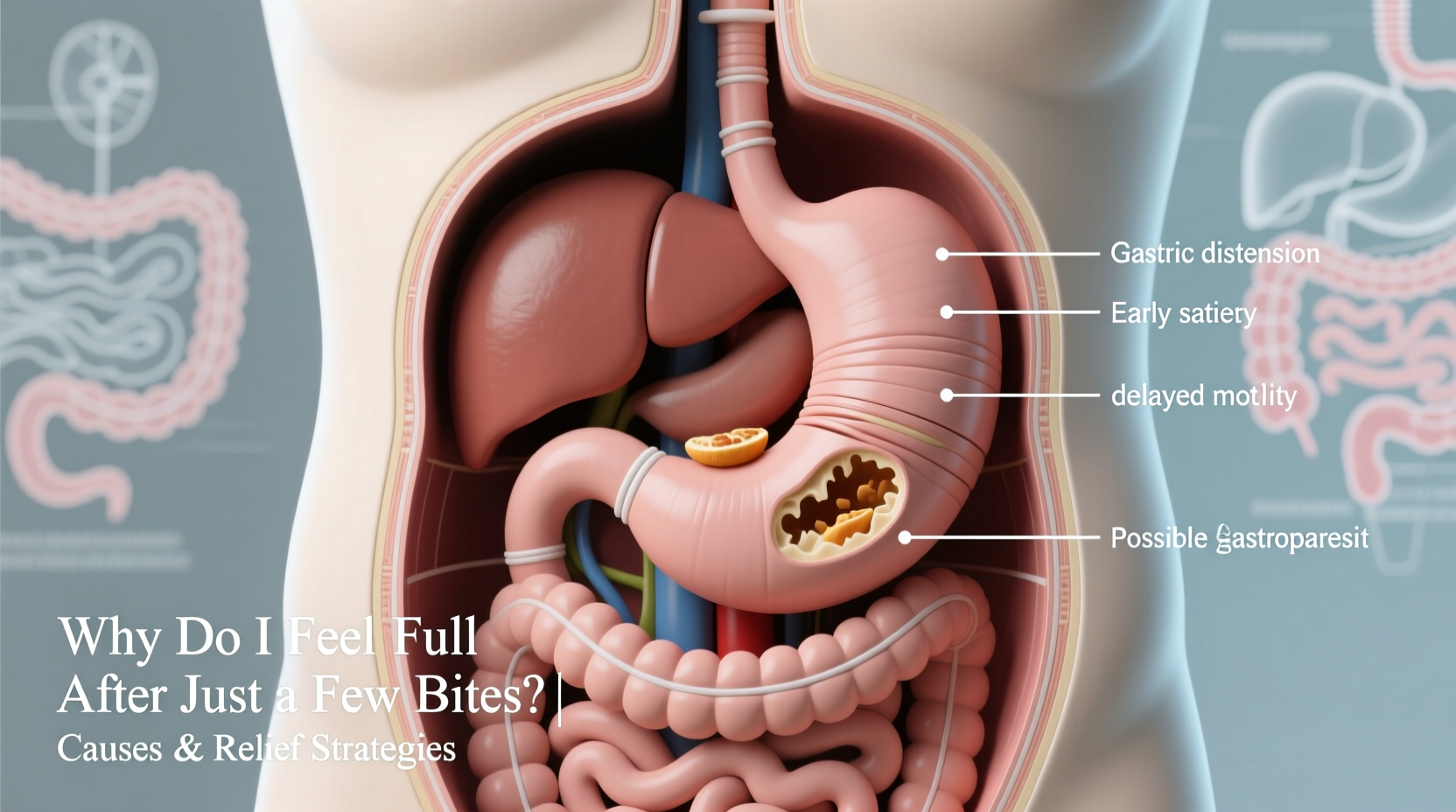
Early satiety refers to the premature feeling of fullness during a meal, often leading someone to stop eating far sooner than usual. It’s distinct from bloating, which typically occurs after eating and involves a distended abdomen due to gas or fluid buildup. While both sensations involve discomfort in the upper abdomen, early satiety specifically interrupts the act of eating, whereas bloating usually follows it.
This condition may be accompanied by other symptoms such as nausea, heartburn, abdominal pain, or unintended weight loss. When these signs persist for more than a few days, they should not be ignored. The digestive system relies on coordinated muscle contractions (peristalsis) and hormonal signals to regulate hunger and fullness. Disruptions in this process can lead to misleading satiety cues.
Common Medical Causes of Early Satiety
Several gastrointestinal and systemic conditions can interfere with normal stomach function, resulting in early satiety. Some are temporary and easily addressed; others require medical evaluation and ongoing management.
Gastroparesis
Gastroparesis is a disorder in which the stomach empties food into the small intestine much more slowly than normal. Often linked to diabetes, post-viral syndromes, or nerve damage from surgery, gastroparesis impairs the stomach’s ability to contract properly. As a result, food remains in the stomach longer, creating a constant sense of fullness even after minimal intake.
Peptic Ulcers and Gastritis
Inflammation or sores in the stomach lining—commonly caused by H. pylori infection or long-term use of NSAIDs like ibuprofen—can make the stomach sensitive to stretching. Even small volumes of food trigger discomfort and fullness. These conditions are frequently associated with burning pain, nausea, and sometimes bleeding if left untreated.
Functional Dyspepsia
Also known as indigestion without a clear cause, functional dyspepsia affects up to 30% of adults globally. It involves chronic upper abdominal discomfort, early satiety, and bloating despite no structural abnormalities found during testing. The exact mechanism isn't fully understood but may involve visceral hypersensitivity—where the gut becomes overly sensitive to normal stimuli.
GERD and Hiatal Hernia
Chronic acid reflux (GERD) and hiatal hernias, where part of the stomach pushes into the chest cavity, can compress the stomach and reduce its capacity. This mechanical limitation contributes to early fullness, especially when lying down or bending over after meals.
More Serious Conditions
In rare cases, persistent early satiety may indicate pancreatic cancer, stomach cancer, or tumors that physically obstruct the digestive tract. These conditions often present with additional red flags such as unexplained weight loss, vomiting, difficulty swallowing, or blood in stool. While uncommon, they underscore the importance of timely medical assessment.
“Persistent early satiety shouldn’t be dismissed as simple indigestion. If symptoms last more than two weeks or are worsening, patients should seek evaluation to rule out serious pathology.” — Dr. Lena Torres, Gastroenterologist, Cleveland Clinic
Lifestyle and Dietary Triggers
Beyond medical conditions, everyday habits significantly influence how the stomach responds to food. Many people unknowingly contribute to early fullness through choices related to eating speed, food composition, and stress levels.
Eating Too Quickly
The brain takes about 20 minutes to register fullness signals from the stomach. Eating rapidly—common during busy schedules or distracted meals—means you may consume excess food before realizing you're full. Over time, this trains the stomach to expand less efficiently and increases sensitivity to volume changes.
High-Fat and Fried Foods
Fatty foods delay gastric emptying because fat requires more time and bile for digestion. A breakfast rich in greasy sausage or a heavy cheese-laden lunch can leave someone feeling stuffed for hours, mimicking early satiety even when stomach function is normal.
Carbonated Beverages and Chewing Gum
Drinking soda, sparkling water, or chewing gum introduces excess air into the digestive tract, increasing intra-abdominal pressure. This trapped gas creates a false sense of fullness and can exacerbate bloating and discomfort.
Stress and Anxiety
The gut-brain axis plays a powerful role in digestion. Chronic stress alters gut motility and heightens visceral perception, making normal digestive processes feel uncomfortable. People under emotional strain often report appetite changes, including early satiety or complete loss of hunger.
| Dietary/Lifestyle Factor | How It Contributes to Fullness | Action Step |
|---|---|---|
| Eating too fast | Delays satiety signal processing | Chew each bite 20–30 times; pause between bites |
| Fried or fatty foods | Slows stomach emptying | Choose lean proteins and steamed vegetables |
| Carbonated drinks | Adds gas, increases pressure | Switch to still water or herbal tea |
| Stressful mealtimes | Disrupts digestive enzyme release | Practice mindful eating in calm environment |
Practical Strategies to Manage Early Satiety
Whether the cause is medical or behavioral, several evidence-based approaches can help restore normal appetite regulation and improve comfort during meals.
1. Modify Meal Size and Frequency
Instead of three large meals, switch to five or six smaller ones spaced evenly throughout the day. Smaller portions reduce pressure on the stomach while maintaining energy and nutrient intake. Include protein and complex carbohydrates in each mini-meal to sustain fullness without discomfort.
2. Adjust Food Texture and Consistency
If solid foods trigger early fullness, consider blending meals into soups or smoothies. Liquids and semi-solids pass through the stomach more easily, especially beneficial for those with gastroparesis or reduced motility. Avoid high-fiber raw vegetables initially, opting instead for cooked or pureed versions.
3. Practice Mindful Eating Techniques
- Put down utensils between bites
- Turn off screens and focus solely on the meal
- Breathe deeply before starting to eat
- Aim to spend at least 20 minutes per meal
4. Address Underlying Health Issues
If an underlying condition like diabetes, hypothyroidism, or autoimmune gastritis is contributing to delayed digestion, treating the primary disease often improves satiety symptoms. For example, tight blood sugar control in diabetic patients can prevent further nerve damage affecting the stomach.
5. Consider Medications That Stimulate Motility
In diagnosed cases of gastroparesis, doctors may prescribe prokinetic agents such as metoclopramide or domperidone to enhance stomach contractions. However, these medications come with potential side effects and should only be used under medical supervision.
Step-by-Step Guide to Reducing Early Fullness
- Track Symptoms for One Week: Note what you eat, when fullness occurs, and any accompanying symptoms (nausea, pain, etc.).
- Eliminate Common Triggers: Remove carbonated drinks, fried foods, and excessive fiber temporarily to assess improvement.
- Slow Down During Meals: Chew thoroughly and take breaks. Use a timer to ensure meals last at least 20 minutes.
- Stay Upright After Eating: Wait at least 1–2 hours before lying down to aid digestion and reduce reflux.
- Schedule a Doctor’s Visit: If no improvement within two weeks, consult a healthcare provider for blood tests, ultrasound, or endoscopy.
Mini Case Study: Recovering Appetite After Illness
Maria, a 48-year-old teacher, began feeling full after just a few spoonfuls of soup following a severe bout of viral gastroenteritis. Initially dismissing it as lingering weakness, she grew concerned when the issue persisted for three weeks, accompanied by mild nausea and fatigue. Her primary care physician ordered blood work and an upper endoscopy, which revealed mild gastritis likely triggered by inflammation during her illness. She was advised to avoid NSAIDs, follow a low-acid diet, and eat six small meals daily. Within four weeks of dietary adjustments and a short course of proton pump inhibitors, Maria regained her normal appetite and resumed regular eating patterns.
Her case illustrates how an acute infection can lead to prolonged digestive sensitivity—and how targeted interventions can restore function without invasive treatment.
Checklist: What to Do If You Experience Persistent Early Satiety
- ☑ Monitor symptoms for duration and pattern
- ☑ Eliminate carbonated beverages and fatty foods
- ☑ Reduce portion sizes and increase meal frequency
- ☑ Eat slowly and chew thoroughly
- ☑ Avoid lying down immediately after meals
- ☑ Rule out medication side effects (e.g., opioids, anticholinergics)
- ☑ Consult a doctor if symptoms last beyond 14 days
- ☑ Request testing if red flags are present (weight loss, vomiting, anemia)
FAQ
Can anxiety really make me feel full after a few bites?
Yes. Anxiety activates the sympathetic nervous system, which slows digestion and redirects blood flow away from the gut. This \"fight-or-flight\" response reduces stomach motility and can amplify sensations of fullness, even with minimal food intake. Managing stress through mindfulness, therapy, or breathing exercises often improves digestive comfort.
Is early satiety a sign of cancer?
While it can be a symptom of certain cancers—particularly stomach or pancreatic—it is rarely the sole indicator. More commonly, it stems from benign conditions like gastritis, GERD, or functional dyspepsia. However, if early satiety is paired with unexplained weight loss, persistent nausea, or family history of gastrointestinal cancers, prompt evaluation is essential.
Are there supplements that help with early fullness?
Digestive enzymes (like lipase and amylase) may assist in breaking down food more efficiently, particularly after high-fat meals. Probiotics have shown modest benefits in improving gut motility and reducing bloating in people with functional GI disorders. Always consult a healthcare provider before starting new supplements, especially if you have existing conditions or take medications.
Conclusion: Take Control of Your Digestive Comfort
Experiencing fullness after only a few bites doesn’t have to become a permanent part of your life. In most cases, identifying and addressing triggers—whether dietary, emotional, or medical—can restore normal appetite and digestive ease. Start with simple changes: slow down at meals, reduce fat and gas-producing foods, and adopt smaller, more frequent eating patterns. Track your progress, listen to your body, and don’t hesitate to seek professional guidance when needed. Your digestive health is foundational to your overall quality of life. By taking proactive steps today, you can enjoy meals again without discomfort or restriction.




 浙公网安备
33010002000092号
浙公网安备
33010002000092号 浙B2-20120091-4
Comments
No comments yet. Why don't you start the discussion?