
Feeling full after only a few bites of food can be more than just an inconvenience—it can disrupt daily nutrition, affect energy levels, and signal underlying digestive or systemic issues. This sensation, known medically as early satiety, often comes with bloating, nausea, or discomfort. While occasional fullness is normal, persistent early satiety warrants attention. Understanding the root causes and knowing when to seek help can make a significant difference in managing symptoms and improving quality of life.
Understanding Early Satiety: More Than Just Overeating
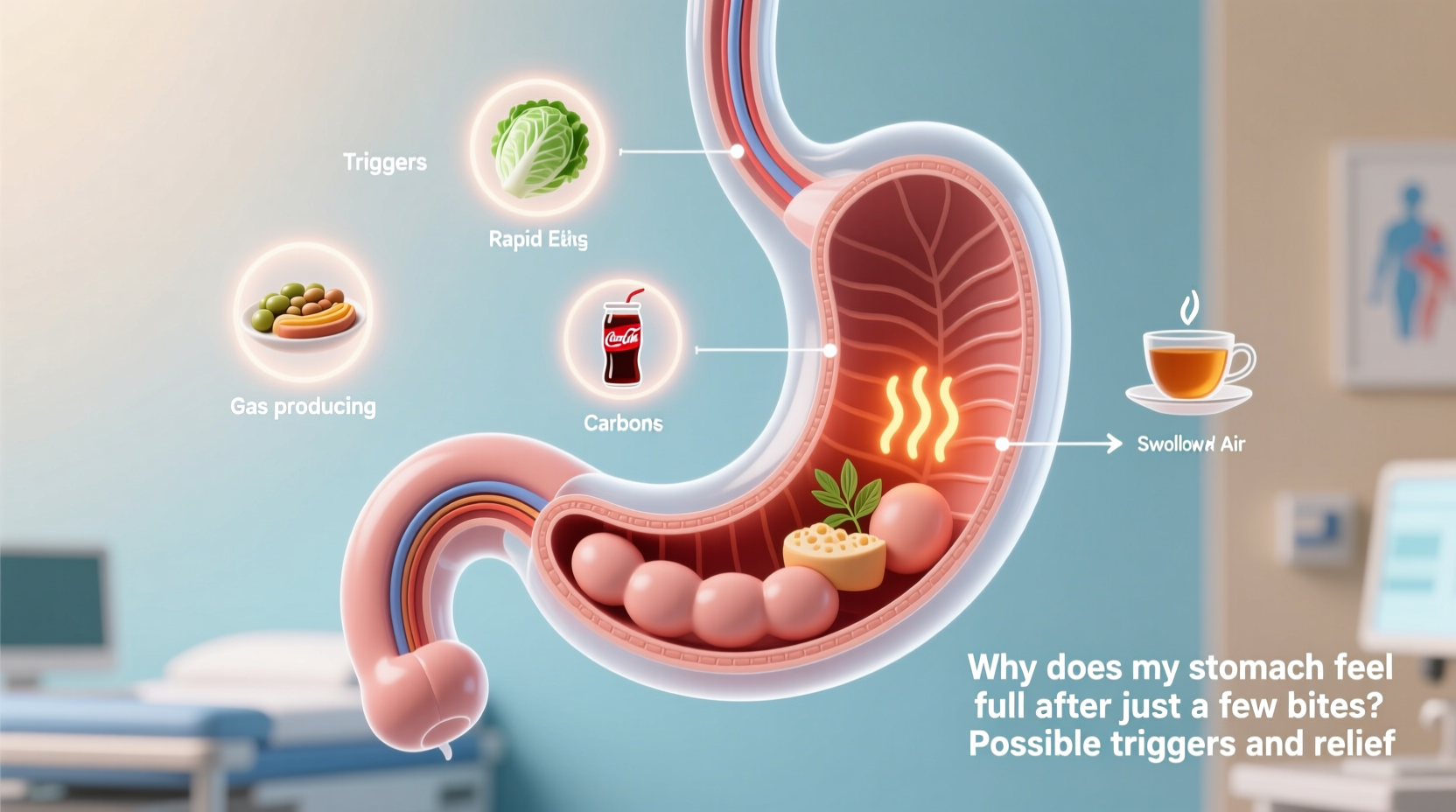
Early satiety occurs when the stomach sends signals of fullness prematurely, even when little food has been consumed. Unlike typical post-meal satisfaction, this feeling is often accompanied by physical discomfort and may prevent adequate calorie and nutrient intake. The brain-gut axis—the communication network between the digestive system and the central nervous system—plays a crucial role in regulating hunger and fullness cues. When this system is disrupted, signals can become exaggerated or mistimed.
Common associated symptoms include:
- Bloating or abdominal distension
- Nausea or mild vomiting
- Loss of appetite
- Weight loss due to reduced food intake
- Belching or acid reflux
While not always serious, chronic early satiety should not be ignored. It may reflect functional gastrointestinal disorders or point to structural or metabolic conditions requiring medical evaluation.
Common Triggers Behind Premature Fullness
A variety of factors—ranging from lifestyle habits to medical conditions—can contribute to early satiety. Some are easily modifiable; others require clinical intervention.
Dietary and Lifestyle Factors
Certain eating behaviors can trick the body into feeling full too soon:
- Eating too quickly: Rapid consumption doesn’t allow time for satiety hormones like leptin to signal the brain.
- Carbonated beverages: Gases expand the stomach, creating pressure and fullness.
- High-fat or fried foods: These delay gastric emptying, prolonging digestion and increasing perceived fullness.
- Large portion sizes: Even if you don’t finish, the expectation of a big meal can trigger anticipatory fullness.
Gastrointestinal Conditions
Several digestive disorders are directly linked to early satiety:
- Gastroparesis: A condition where the stomach empties slowly due to nerve damage, often from diabetes or surgery.
- Peptic ulcers: Sores in the stomach lining or duodenum can cause pain and early fullness.
- Gastritis: Inflammation of the stomach lining, frequently caused by H. pylori infection or prolonged NSAID use.
- Irritable Bowel Syndrome (IBS): Especially the constipation-predominant type, which alters gut motility.
- GERD (Gastroesophageal Reflux Disease): Acid reflux can cause upper abdominal discomfort that mimics fullness.
Hormonal and Systemic Causes
Some systemic conditions interfere with normal digestion:
- Diabetes: High blood sugar can damage the vagus nerve, leading to gastroparesis.
- Hypothyroidism: Slowed metabolism affects gut motility.
- Pancreatic insufficiency: Reduced enzyme production impairs digestion, causing bloating and fullness.
Medications and Supplements
Certain drugs alter gastric function:
- Opioids (e.g., codeine, oxycodone)
- Calcium channel blockers (for blood pressure)
- Anticholinergics
- Iron supplements
- GLP-1 receptor agonists (e.g., semaglutide, used for diabetes or weight loss)
“Early satiety isn’t just ‘in your head’—it’s often a measurable disruption in gastric motility or signaling. Patients should be taken seriously.” — Dr. Lena Torres, Gastroenterologist, Cleveland Clinic Digestive Institute
When to Seek Medical Attention
While temporary fullness after rich meals is normal, certain red flags suggest a need for prompt evaluation:
| Symptom | May Indicate | Action |
|---|---|---|
| Unintentional weight loss (5%+ body weight in 6 months) | Potential malignancy, malabsorption | See physician within 1–2 weeks |
| Persistent nausea or vomiting | Gastroparesis, bowel obstruction | Urgent evaluation recommended |
| Abdominal pain worsening after eating | Ulcers, pancreatitis, gallbladder disease | Seek care within 72 hours |
| Fever, jaundice, or blood in stool | Infection, liver disease, GI bleeding | Immediate medical attention |
Diagnostic tools may include endoscopy, gastric emptying studies, ultrasound, or blood tests for inflammation, thyroid function, or nutrient deficiencies.
Practical Relief Strategies and Management Tips
For many, symptom improvement begins with targeted lifestyle adjustments. Here’s a step-by-step approach to reduce early satiety:
- Modify meal size and frequency: Eat 5–6 small meals instead of 3 large ones to avoid overwhelming the stomach.
- Chew thoroughly and eat slowly: Aim for 20–30 chews per bite and take at least 20 minutes per meal.
- Avoid carbonation and straws: Both introduce excess air, increasing bloating and pressure.
- Limit high-fat and fried foods: Opt for steamed, baked, or grilled options to support faster gastric emptying.
- Stay upright after eating: Wait at least 45–60 minutes before lying down to prevent reflux and improve digestion.
- Consider low-FODMAP trial: If IBS is suspected, reducing fermentable carbohydrates may relieve bloating and fullness.
Nutritional Support
When fullness limits food intake, maintaining nutrition becomes challenging. Consider:
- Calorie-dense liquids: Smoothies with nut butter, protein powder, and avocado.
- Oral nutritional supplements: Products like Ensure or Boost can bridge gaps.
- Enzyme supplements: Pancreatic enzyme replacements (if prescribed) aid digestion.
Real-Life Example: Managing Gastroparesis After Diagnosis
Sarah, a 48-year-old teacher with type 2 diabetes, began noticing she couldn’t finish breakfast without feeling “like a balloon.” She lost 12 pounds over four months and often felt nauseous after lunch. Her primary care doctor referred her to a gastroenterologist, who diagnosed diabetic gastroparesis through a gastric emptying scan.
With guidance, Sarah adopted several changes:
- Switched to six mini-meals per day
- Eliminated raw vegetables and fatty meats
- Started taking metoclopramide before meals (as prescribed)
- Used a continuous glucose monitor to stabilize blood sugar
Within eight weeks, her symptoms improved significantly. She regained 6 pounds and reported better energy. Her case highlights how early diagnosis and consistent management can restore normalcy.
Checklist: Daily Habits to Reduce Early Fullness
Use this checklist to build sustainable routines:
- ✅ Eat smaller portions more frequently (every 2.5–3 hours)
- ✅ Drink fluids between meals, not during
- ✅ Chew each bite at least 20 times
- ✅ Avoid lying down within one hour of eating
- ✅ Limit carbonated drinks and gum (reduces swallowed air)
- ✅ Track symptoms and food intake weekly
- ✅ Review medications with your doctor for potential side effects
Frequently Asked Questions
Can stress cause me to feel full after a few bites?
Yes. Stress activates the sympathetic nervous system, which slows digestion and alters gut motility. Anxiety can also heighten sensitivity to normal stomach sensations, making mild distension feel like fullness. Mindful eating and relaxation techniques like diaphragmatic breathing may help regulate this response.
Is early satiety a sign of cancer?
While it can be a symptom of stomach or pancreatic cancer, it is far more commonly caused by benign conditions like gastritis or functional dyspepsia. However, unexplained weight loss, persistent vomiting, or family history of GI cancers warrant thorough investigation. Never self-diagnose—consult a healthcare provider for proper assessment.
Are there natural remedies that help with early fullness?
Some herbal and dietary approaches show promise. Ginger has prokinetic properties, helping move food through the stomach. Peppermint oil may relax gastrointestinal smooth muscle, though it can worsen reflux in some. Probiotics, particularly strains like *Lactobacillus* and *Bifidobacterium*, may improve gut balance. Always discuss supplements with your doctor, especially if you have existing conditions or take medications.
Conclusion: Taking Control of Your Digestive Comfort
Feeling full after just a few bites isn't something you have to accept as normal. Whether the cause is dietary, functional, or medical, effective solutions exist. By paying attention to your body’s signals, adjusting eating habits, and seeking timely medical advice when needed, you can regain control over your digestion and overall well-being. Small, consistent changes often yield meaningful improvements. Listen to your body, document your experience, and partner with healthcare professionals when necessary.




 浙公网安备
33010002000092号
浙公网安备
33010002000092号 浙B2-20120091-4
Comments
No comments yet. Why don't you start the discussion?