
It starts quietly—a faint rumble beneath the surface—then suddenly, in the middle of a crucial presentation or a silent Zoom call, your stomach erupts into a loud, unmistakable gurgle. You glance around, hoping no one noticed. But chances are, they did. Digestive noises are natural, yet when they occur at inopportune times, they can feel mortifying. The good news? You’re not alone, and more importantly, you can manage them.
Stomach growling, medically known as borborygmi, is the sound of gas and fluid moving through your intestines. While it’s a normal part of digestion, its timing can be socially inconvenient. Understanding the biological mechanisms behind these noises—and knowing how to anticipate and minimize them—can help you regain confidence in professional settings.
The Science Behind Stomach Growling
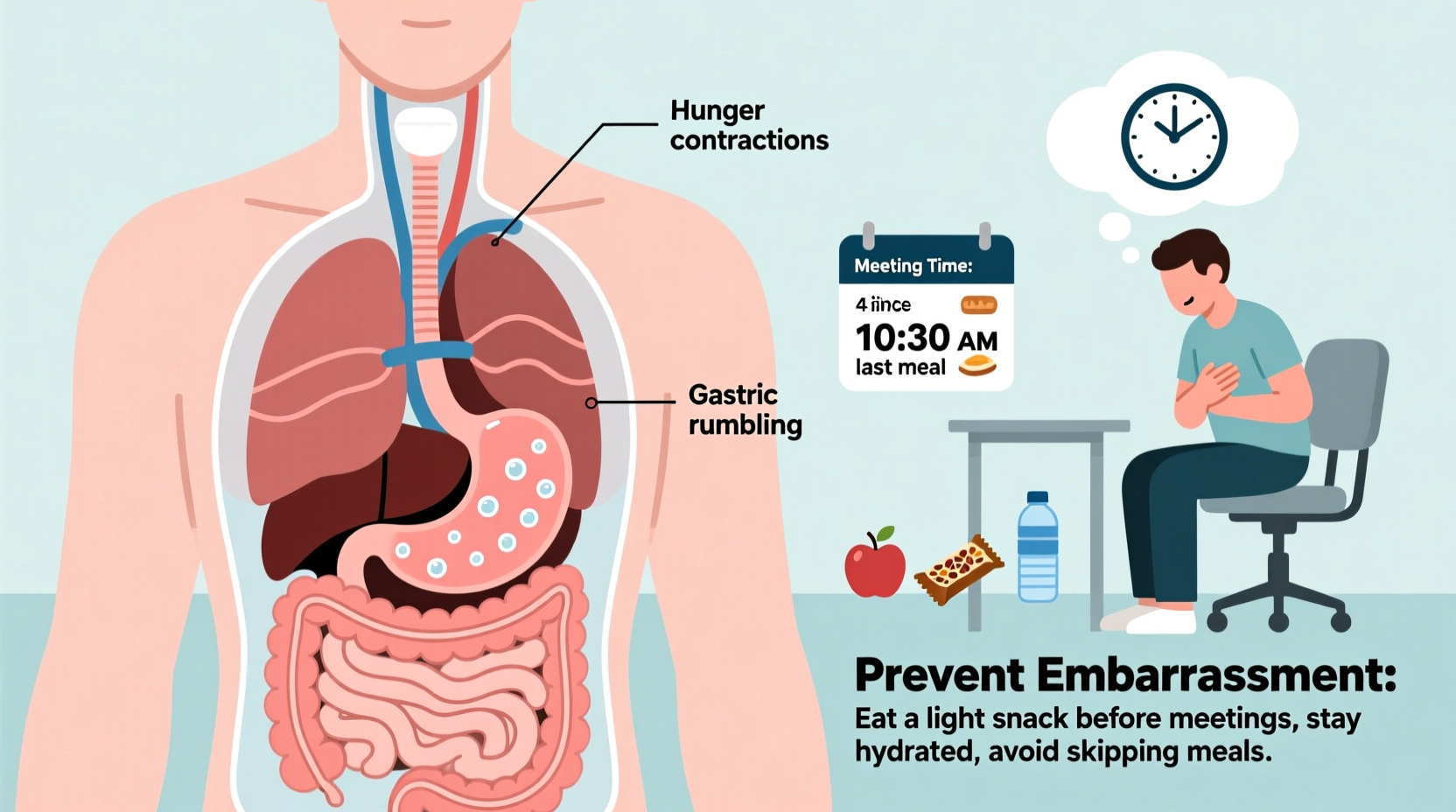
Your digestive tract is a dynamic system powered by muscular contractions called peristalsis. These rhythmic waves push food, fluids, and gases through the stomach and intestines. As they travel, they create vibrations and sounds, especially when the stomach and small intestine are relatively empty.
Contrary to popular belief, growling doesn’t only happen when you're hungry. It occurs throughout the digestive cycle but becomes more noticeable when there’s less content in the gastrointestinal (GI) tract to muffle the noise. The absence of food allows air and liquid to move more freely, amplifying the sound.
The migrating motor complex (MMC), a cyclical pattern of intestinal activity that occurs between meals, plays a key role. Every 90 to 120 minutes when fasting, the MMC triggers a “housekeeping wave” that sweeps residual particles and bacteria toward the colon. This process often produces audible contractions—your stomach “cleaning itself”—which explains why growling can happen hours after eating.
“Borborygmi are completely normal. They reflect an active, healthy gut. The issue isn’t the sound itself, but rather when and where it occurs.” — Dr. Lena Patel, Gastroenterologist at Boston Digestive Institute
Why Meetings Trigger Embarrassing Noises
Meetings often coincide with peak digestive activity due to scheduling patterns and stress levels. Consider this common scenario: you skip breakfast to make a morning meeting, endure a high-pressure discussion, and then your stomach decides to announce its presence. Several factors converge to increase the likelihood of growling in such situations:
- Fasting periods: Skipping meals before early meetings leaves the GI tract empty, making sounds louder.
- Stress-induced motility: Anxiety stimulates the enteric nervous system (“second brain”), increasing gut movement and noise.
- Carbonated drinks: Consuming soda or sparkling water before a meeting introduces excess gas into the digestive system.
- Quiet environments: Conference rooms and virtual calls amplify subtle bodily sounds.
- Dietary triggers: High-fiber foods, artificial sweeteners, or fatty meals eaten earlier can delay digestion and prolong activity.
Effective Prevention Strategies
Preventing stomach growling isn’t about suppressing digestion—it’s about managing timing, diet, and environment. With thoughtful preparation, you can significantly reduce the risk of disruptive sounds during critical moments.
1. Time Your Meals Strategically
Align your eating schedule with your work calendar. Avoid long gaps between meals, especially before important meetings. A light meal or snack two to three hours prior helps keep the digestive tract occupied without overloading it.
2. Choose Low-Gas Foods
Some foods naturally produce more gas during digestion. Limit high-FODMAP items (fermentable carbohydrates) before high-stakes events. Instead, opt for easily digestible options:
| Low-Risk Foods | Foods to Limit Before Meetings |
|---|---|
| White rice | Beans and lentils |
| Boiled potatoes | Broccoli, cabbage, onions |
| Lean chicken or fish | Dairy (if lactose intolerant) |
| Bananas | Artificial sweeteners (sorbitol, xylitol) |
| Toasted bread | Carbonated beverages |
3. Manage Stress and Breathing
Anxiety accelerates gut motility. Practice diaphragmatic breathing before entering a meeting: inhale deeply for four counts, hold for four, exhale slowly for six. This calms the nervous system and may reduce sudden surges in intestinal activity.
4. Stay Hydrated—But Wisely
Dehydration slows digestion and concentrates intestinal contents, potentially increasing noise. However, chugging large amounts of water right before a meeting can fill the stomach with liquid that sloshes audibly. Sip steadily throughout the day instead.
5. Use Discreet Positioning
Sitting upright with slight forward lean can compress the abdomen gently, muffling internal sounds. Avoid slouching, which increases intra-abdominal space and resonance. In virtual meetings, use background noise features if available, or position your microphone slightly off-axis to reduce pickup of body sounds.
Step-by-Step Guide: Pre-Meeting Gut Prep Routine
Follow this 90-minute protocol before any high-importance meeting to minimize digestive disruptions:
- 90 minutes prior: Eat a small, balanced snack (e.g., toast with almond butter, yogurt with oats).
- 60 minutes prior: Drink 8–12 oz of still water. Avoid carbonation and caffeine.
- 30 minutes prior: Take five minutes for mindful breathing or light stretching to reduce stress.
- 15 minutes prior: Use the restroom to evacuate excess gas or bowel content if needed.
- 5 minutes prior: Sit in an upright posture and avoid gulping air (don’t chew gum or talk while eating).
- During meeting: If a rumble begins, subtly shift position or place a notebook against your abdomen to dampen sound.
Real-Life Scenario: How Sarah Regained Confidence
Sarah, a project manager at a tech firm, dreaded client calls. Twice in one month, her stomach growled loudly during silent pauses, drawing awkward glances. Embarrassed, she began avoiding speaking up. After consulting a nutritionist, she realized her habit of skipping breakfast and drinking diet soda was fueling the problem.
She implemented a new routine: oatmeal with banana each morning, herbal tea instead of soda, and a mid-morning apple-almond butter combo before her 11 a.m. stand-up meetings. Within two weeks, the noises decreased dramatically. More importantly, her confidence returned. She now leads discussions without fear—and even jokes lightly about “keeping the gut symphony on mute.”
Common Myths About Stomach Growling
Misconceptions about digestive sounds can lead to unnecessary worry or ineffective solutions. Let’s clarify a few:
- Myth: Only hungry people experience growling.
Truth: Growling happens during all phases of digestion, including after meals. - Myth: Holding in gas stops stomach noises.
Truth: Suppressing gas increases pressure and may cause louder sounds later. Release discreetly when possible. - Myth: Medications can eliminate growling.
Truth: No drug targets borborygmi specifically. Lifestyle adjustments are far more effective. - Myth: Constant growling means I have a serious condition.
Truth: Occasional noise is normal. Persistent symptoms with pain, bloating, or diarrhea warrant medical evaluation.
When to Seek Medical Advice
While occasional stomach growling is harmless, certain patterns may indicate underlying conditions such as irritable bowel syndrome (IBS), small intestinal bacterial overgrowth (SIBO), or food intolerances. Consult a healthcare provider if you experience:
- Excessive, painful bloating
- Chronic diarrhea or constipation
- Unintentional weight loss
- Growling accompanied by cramping or nausea
A registered dietitian or gastroenterologist can perform tests, recommend elimination diets, or suggest treatments like probiotics or enzyme supplements tailored to your needs.
FAQ: Common Questions About Stomach Noises
Can stomach growling be completely eliminated?
No—and it shouldn’t be. Digestive sounds are signs of a functioning gut. The goal is not elimination but management: reducing frequency and volume during sensitive moments through diet, timing, and posture.
Does chewing gum make stomach noises worse?
Yes. Chewing gum causes you to swallow air (aerophagia), increasing gas in the digestive tract. It also signals the stomach to prepare for food, triggering contractions even when no food arrives. Avoid gum before meetings.
Are some people more prone to loud stomach sounds?
Yes. Body composition, intestinal sensitivity, and gut microbiome diversity influence sound production. People with higher abdominal resonance (e.g., lower body fat) may find noises are more audible externally. However, everyone experiences borborygmi; the difference lies in perception and context.
Final Checklist: Prevent Embarrassing Growls
Use this quick checklist before any important meeting:
- ✅ Ate a small, low-gas snack within the past 2–3 hours?
- ✅ Avoided carbonated drinks and gum today?
- ✅ Hydrated steadily, not excessively right before?
- ✅ Practiced calming breathwork or reduced stress?
- ✅ Positioned yourself to minimize sound projection?
- ✅ Prepared a polite response in case noise occurs? (e.g., “That’s my lunch reminding me it’s time to eat!”)
“You can’t control every bodily function—but you can prepare for them. Professionalism includes self-awareness, not perfection.” — Dr. Marcus Tran, Behavioral Health Consultant
Conclusion: Own the Moment, Not the Noise
Stomach growling is a universal human experience, not a personal failing. While it’s natural to feel embarrassed, remember that others understand—even if they don’t admit it. The most polished professionals aren’t those who never face awkward moments, but those who handle them with grace.
By applying science-backed strategies—strategic eating, stress reduction, and smart positioning—you can drastically reduce the odds of disruptive sounds. And if one slips through? A light, confident remark disarms tension faster than silence ever could.




 浙公网安备
33010002000092号
浙公网安备
33010002000092号 浙B2-20120091-4
Comments
No comments yet. Why don't you start the discussion?