
Stomach growling—also known as borborygmi—is a familiar sound most people experience from time to time. Often associated with hunger, these rumbling noises can be surprising when they occur shortly after a meal. While occasional post-meal gurgling is usually harmless, persistent or painful growling may indicate an underlying digestive issue. Understanding the science behind these sounds, their triggers, and when they should raise concern can help you manage your digestive health more effectively.
The Science Behind Stomach Growling
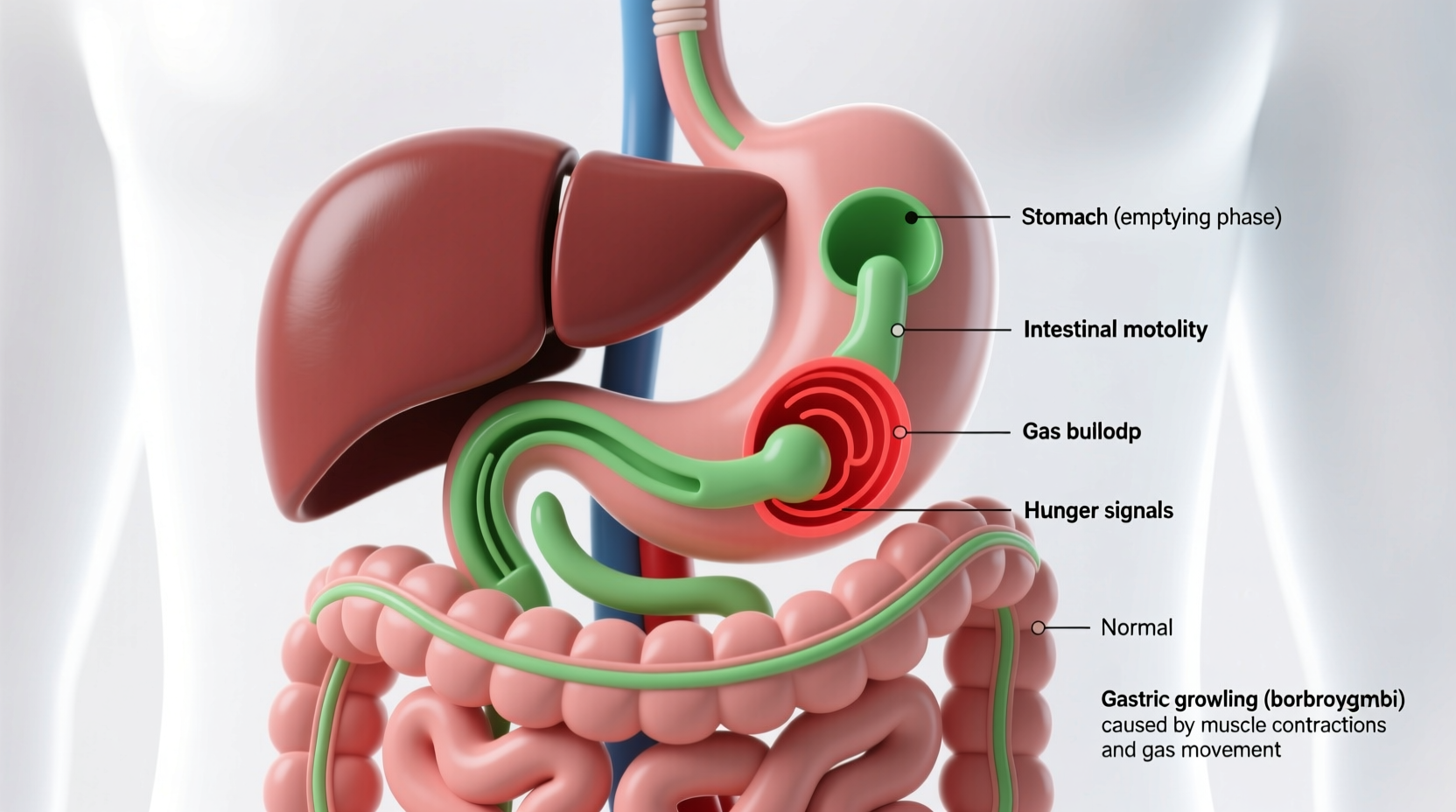
Stomach growling results from the movement of gas and fluids through the intestines. The digestive tract is a muscular tube that contracts in rhythmic waves—a process called peristalsis—to push food, liquid, and air along. As this mixture moves, it creates vibrations and gurgling sounds, especially when the stomach and intestines are relatively empty. These noises are typically louder when the digestive system is active but quiet otherwise, making them more noticeable between meals.
However, digestion doesn’t stop immediately after eating. In fact, it ramps up. The gastrointestinal (GI) tract continues processing food for hours, which means contractions and fluid movement persist—and so do the sounds. After a meal, increased digestive activity can actually amplify growling rather than eliminate it.
“Borborygmi are a normal part of digestion. The gut never truly rests—it’s always moving, even after you eat.” — Dr. Lena Patel, Gastroenterologist at Boston Digestive Health Institute
Common Causes of Post-Meal Stomach Growling
Growling after eating isn’t necessarily a sign of poor digestion. Several natural and benign factors contribute to continued intestinal noise following a meal:
- Digestive activation: Eating stimulates the gastrocolic reflex, triggering intestinal contractions to make room for incoming food. This can cause immediate gurgling.
- Swallowed air: Talking while eating, drinking carbonated beverages, or chewing gum introduces excess air into the digestive tract, increasing gas movement and noise.
- High-fiber or gas-producing foods: Beans, broccoli, onions, and whole grains feed gut bacteria, leading to fermentation and gas buildup that amplifies intestinal sounds.
- Lactose or fructose intolerance: Difficulty digesting certain sugars leads to fermentation in the colon, producing gas and audible rumbling.
- Hydration levels: Drinking water during or after meals helps move contents through the intestines, sometimes creating temporary gurgling.
When Stomach Growling Signals a Problem
Occasional growling is normal. But if the sounds are frequent, unusually loud, or accompanied by other symptoms, they may point to an underlying condition. Persistent post-meal gurgling becomes concerning when paired with:
- Abdominal pain or cramping
- Bloating or distension
- Diarrhea or constipation
- Nausea or vomiting
- Unintentional weight loss
- Fatigue or nutrient deficiencies
These combinations suggest possible gastrointestinal disorders such as irritable bowel syndrome (IBS), small intestinal bacterial overgrowth (SIBO), inflammatory bowel disease (IBD), or food intolerances. In some cases, excessive intestinal noise may also result from partial bowel obstruction or motility disorders like gastroparesis, where delayed stomach emptying disrupts normal flow.
Red Flags That Warrant Medical Attention
Certain patterns should prompt a visit to a healthcare provider:
- Growling with severe pain: Sharp or crampy pain accompanying gurgling could indicate obstruction or inflammation.
- Symptoms after every meal: Consistent discomfort and noise after eating may reflect chronic conditions like IBS or celiac disease.
- Noise localized to one area: Focused gurgling in the lower abdomen, especially with bloating, may suggest SIBO.
- Visible abdominal distension: Swelling that worsens throughout the day often points to gas accumulation due to malabsorption or dysbiosis.
- Change in bowel habits: Alternating diarrhea and constipation, particularly with mucus in stool, may indicate IBS or infection.
Diagnostic Approaches and Testing Options
If post-meal growling persists alongside troubling symptoms, a physician may recommend diagnostic testing to identify the root cause. Common evaluations include:
| Test | Purpose | What It Detects |
|---|---|---|
| Breath Test (Lactulose or Glucose) | Measures gases produced by bacteria | Small Intestinal Bacterial Overgrowth (SIBO) |
| Blood Tests | Checks for inflammation, antibodies, nutrient levels | Celiac disease, anemia, infection markers |
| Stool Analysis | Examines fat content, bacteria, parasites | Maldigestion, infections, inflammation |
| Endoscopy/Colonoscopy | Visual inspection of GI tract lining | Ulcers, Crohn’s disease, colitis, polyps |
| Gastric Emptying Study | Tracks how quickly food leaves the stomach | Gastroparesis or motility disorders |
Based on test results, treatment plans may involve dietary changes, antibiotics (for SIBO), enzyme supplements (like lactase), or medications to regulate motility or reduce inflammation.
Practical Strategies to Reduce Excessive Stomach Growling
For most people, simple lifestyle adjustments can significantly reduce bothersome post-meal gurgling. The goal is to support smooth digestion and minimize gas buildup.
Step-by-Step Guide to Quieter Digestion
- Eat smaller, more frequent meals: Large portions increase digestive workload and gas production. Smaller meals ease the burden on your gut.
- Slow down while eating: Rushing leads to swallowing air and poor chewing, both of which contribute to noisy digestion.
- Avoid known trigger foods: Identify and limit gas-producing items such as beans, cabbage, dairy (if intolerant), and artificial sweeteners.
- Stay hydrated—but time it right: Drink water between meals instead of during to avoid diluting digestive enzymes and increasing volume-related gurgling.
- Walk after eating: Gentle movement stimulates digestion and helps gas pass more efficiently, reducing trapped air and noise.
- Manage stress: Anxiety impacts gut motility via the gut-brain axis. Techniques like deep breathing or meditation can calm digestive activity.
Checklist: Daily Habits to Support Calm Digestion
- ☑ Eat slowly and chew thoroughly
- ☑ Avoid carbonated beverages and straws
- ☑ Limit high-FODMAP foods if sensitive (onions, garlic, apples, milk)
- ☑ Practice mindful eating—focus on your meal without distractions
- ☑ Take a 10-minute walk after main meals
- ☑ Stay consistent with sleep and stress management
Mini Case Study: When Growling Was More Than Just Noise
Sarah, a 34-year-old teacher, noticed her stomach began growling loudly within minutes of eating lunch—even after light meals. Initially dismissing it as normal digestion, she grew concerned when the gurgling was followed by cramping, bloating, and urgent diarrhea. Over several months, symptoms worsened, affecting her ability to teach comfortably.
After tracking her diet and symptoms, Sarah shared her log with her primary care doctor, who ordered a lactulose breath test. Results confirmed small intestinal bacterial overgrowth (SIBO). She was prescribed a course of antibiotics and referred to a dietitian for a low-FODMAP diet plan. Within six weeks, her symptoms—including the disruptive post-meal growling—significantly improved.
Sarah’s case illustrates how persistent digestive noise, when combined with other symptoms, can be an early clue to a treatable condition. Early intervention prevented further complications and restored her quality of life.
FAQ: Common Questions About Stomach Growling
Is it normal for my stomach to growl right after I eat?
Yes, it’s normal. Digestion begins immediately, and the movement of food, fluids, and gas through the intestines creates sounds. Increased activity after eating can make growling more noticeable, even though you’re not hungry.
Can anxiety cause stomach growling?
Yes. Stress activates the sympathetic nervous system, which can alter gut motility. Some people experience increased gurgling or spasms during periods of anxiety due to heightened digestive sensitivity.
Do probiotics help reduce stomach noise?
In some cases, yes. Probiotics may improve gut flora balance, especially in conditions like IBS or SIBO. However, they can initially increase gas and noise in certain individuals. It’s best to introduce them gradually and under guidance.
Conclusion: Listening to Your Gut—Literally
Your digestive system communicates through sensations and sounds. While stomach growling after eating is typically a normal part of digestion, ignoring persistent or symptomatic patterns can delay diagnosis of treatable conditions. By paying attention to timing, triggers, and accompanying symptoms, you gain valuable insight into your gut health.
Simple dietary and lifestyle changes often bring relief. But when growling becomes a recurring disturbance linked to pain, bloating, or bowel changes, don’t hesitate to seek medical advice. Early evaluation can uncover issues like food intolerances, bacterial imbalances, or motility disorders—many of which respond well to targeted treatment.




 浙公网安备
33010002000092号
浙公网安备
33010002000092号 浙B2-20120091-4
Comments
No comments yet. Why don't you start the discussion?