
Stomach growling—also known medically as borborygmi—is a common bodily sound that most people experience at some point. While it's often associated with hunger, many are surprised when their stomach continues to rumble or gurgle shortly after finishing a meal. This phenomenon can be puzzling, uncomfortable, or even embarrassing in quiet settings. The truth is, post-meal stomach noises are not always a sign of poor digestion or an empty stomach. They can stem from a variety of physiological processes, dietary habits, and even emotional states. Understanding the underlying mechanisms can help you identify whether these sounds are normal or indicative of a deeper digestive issue.
The Science Behind Stomach Noises
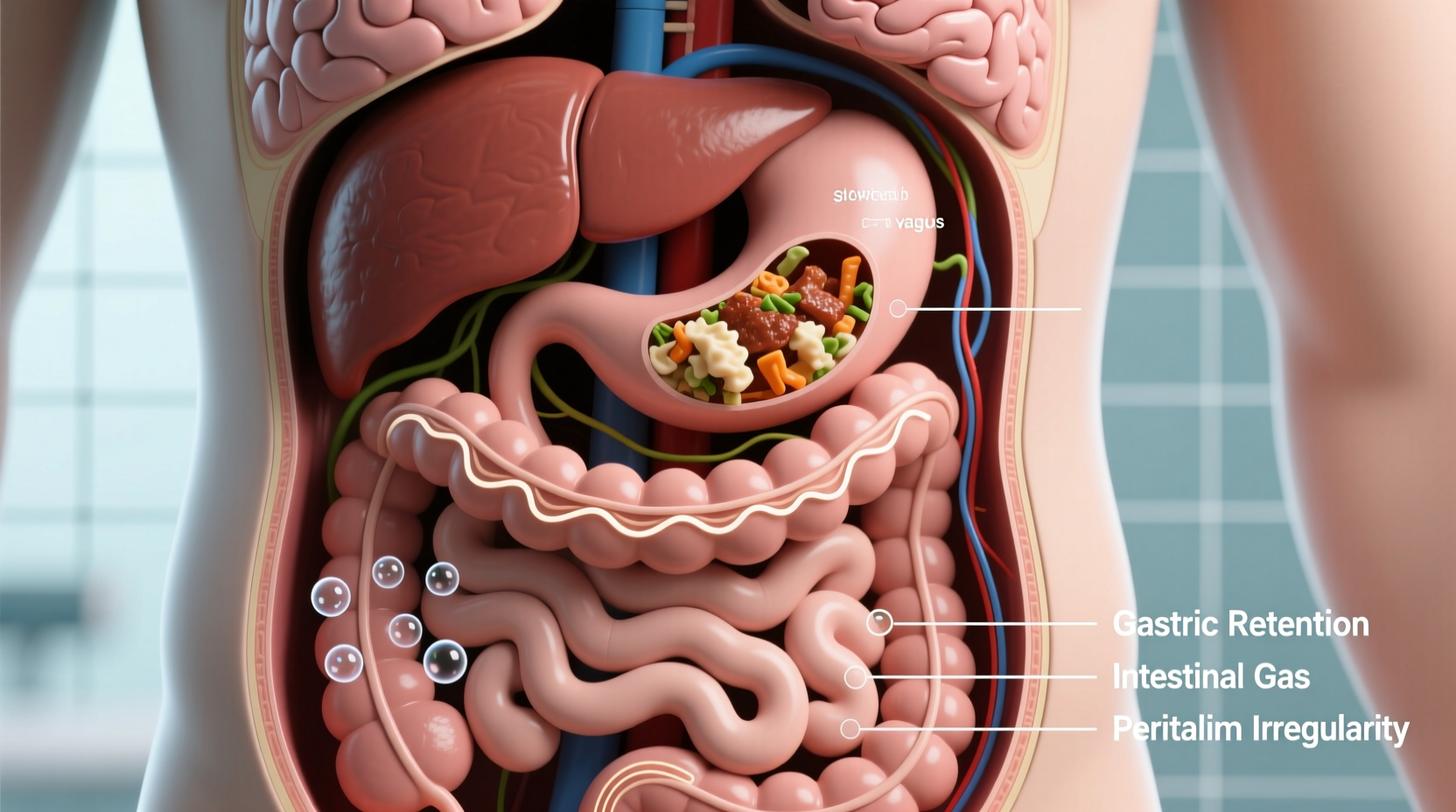
Your digestive tract is a dynamic system where muscles contract to move food, gas, and fluids through the intestines. These contractions, known as peristalsis, occur continuously—even when your stomach is full. As air and liquid shift through narrow intestinal passages, they create audible gurgles, rumbles, and pops. These sounds are usually muffled by food and tissue, but under certain conditions, they become more pronounced.
After eating, the digestive system kicks into high gear. The stomach releases acids and enzymes, and the small intestine begins processing nutrients. At the same time, swallowed air (from eating quickly or drinking carbonated beverages) mixes with digestive contents, increasing internal movement. This combination of muscle activity, gas, and fluid flow naturally produces noise—sometimes loud enough to be heard externally.
“Borborygmi are a normal part of digestion. The gut never truly rests, and sounds after eating often reflect healthy motility.” — Dr. Lena Patel, Gastroenterologist
Common Causes of Post-Meal Stomach Growling
While occasional stomach growling after eating is normal, persistent or disruptive noises may point to specific triggers. Below are the most frequent contributors:
- Swallowed Air (Aerophagia): Eating too fast, chewing gum, drinking through straws, or talking while eating can cause excess air intake, leading to increased gas movement and louder gurgling.
- Digestion of Certain Foods: High-fiber foods like beans, cruciferous vegetables, and whole grains produce more gas during breakdown. Similarly, artificial sweeteners (sorbitol, xylitol) ferment in the colon and amplify intestinal noise.
- Lactose Intolerance: Individuals lacking lactase enzyme struggle to digest lactose in dairy. Undigested milk sugar ferments in the gut, producing gas, bloating, and active bowel sounds.
- Irritable Bowel Syndrome (IBS): IBS alters gut motility and sensitivity. Many patients report heightened awareness of bowel sounds, especially after meals.
- Gastric Emptying Disorders: Conditions like gastroparesis slow stomach emptying, prolonging digestion and extending the window for noisy activity.
- Food Intolerances Beyond Lactose: Sensitivities to gluten (non-celiac gluten sensitivity), fructose, or FODMAPs can trigger fermentation, gas buildup, and audible digestion.
Dietary Clues That May Be Amplifying the Noise
Your plate plays a major role in how loudly your digestive system performs. Some foods naturally increase gas production and intestinal contractions, making growling more likely—even right after eating. Identifying these dietary triggers can significantly reduce symptoms.
Foods high in fermentable carbohydrates (FODMAPs) are particularly notorious. These include onions, garlic, apples, pears, legumes, and wheat. When these reach the large intestine, gut bacteria ferment them, releasing hydrogen and methane gases. This fermentation process increases pressure and movement, resulting in rumbling sounds.
Additionally, fatty or spicy meals delay gastric emptying. A slower-moving stomach means digestion lingers, giving more time for audible contractions. Spicy foods may also stimulate the enteric nervous system, increasing gut motility and the frequency of gurgles.
| Foods Likely to Cause Post-Meal Growling | Why They Trigger Noises | Better Alternatives |
|---|---|---|
| Beans and lentils | High in oligosaccharides, fermented by gut bacteria | Soaked and rinsed legumes, or smaller portions |
| Carbonated beverages | Introduce excess CO₂ into the digestive tract | Still water, herbal teas |
| Dairy (in lactose-intolerant individuals) | Undigested lactose leads to fermentation | Lactose-free milk, almond or oat milk |
| Artificial sweeteners (sugar alcohols) | Poorly absorbed, ferment in colon | Natural sweeteners like stevia (in moderation) |
| Raw cruciferous vegetables | Contain raffinose, a complex sugar that produces gas | Cooked broccoli, cauliflower, or smaller servings |
When Growling Signals a Digestive Condition
Occasional stomach noises are harmless. However, if growling is accompanied by pain, bloating, diarrhea, constipation, or nausea, it may indicate an underlying condition. Persistent post-meal rumbling—especially when paired with discomfort—warrants closer attention.
Irritable Bowel Syndrome (IBS) is one of the most common culprits. Patients often describe “noisy bowels” after eating, along with cramping and altered bowel habits. The condition involves abnormal gut-brain signaling, which heightens both motility and sensory perception.
Small Intestinal Bacterial Overgrowth (SIBO) occurs when bacteria normally found in the colon migrate to the small intestine. These microbes ferment food prematurely, generating excessive gas and loud intestinal sounds, typically within minutes of eating.
Gastroparesis, often linked to diabetes or nerve damage, slows stomach emptying. Food sits longer, causing prolonged digestion, bloating, and delayed but persistent gurgling hours after meals.
If you suspect a medical condition, consult a healthcare provider. Diagnostic tools such as breath tests (for SIBO or lactose intolerance), gastric emptying studies, or elimination diets can help pinpoint the cause.
A Real-Life Example: Sarah’s Experience
Sarah, a 34-year-old teacher, noticed her stomach growled loudly within 20 minutes of lunch—even after eating a full sandwich and fruit. The sounds were distracting during class, and she often felt bloated. After tracking her diet, she realized the pattern worsened on days she consumed yogurt, apples, and sparkling water. She eliminated dairy and carbonation for two weeks and switched to cooked vegetables. Her symptoms improved dramatically. A follow-up breath test confirmed lactose intolerance and mild SIBO. With dietary changes and a short course of antibiotics, her post-meal growling subsided.
Practical Steps to Reduce Post-Meal Stomach Noises
You don’t need to eliminate all noisy digestion—some level is natural—but you can reduce its frequency and volume with targeted lifestyle adjustments. The following step-by-step guide offers actionable strategies:
- Eat Slowly and Mindfully: Take at least 20 minutes per meal. Chewing thoroughly reduces swallowed air and aids early digestion.
- Avoid Carbonated Drinks: Replace soda and sparkling water with still options to cut down on internal gas.
- Limit High-FODMAP Foods Temporarily: Try a low-FODMAP diet for 4–6 weeks under guidance to assess sensitivity.
- Stay Hydrated with Non-Carbonated Fluids: Water supports smooth digestion without adding gas.
- Identify Personal Triggers: Keep a food and symptom journal to link meals with growling episodes.
- Manage Stress: Anxiety activates the fight-or-flight response, which can disrupt digestion and increase gut noise. Practice deep breathing or meditation before meals.
- Consider Probiotics: Some strains (like Bifidobacterium infantis) may help balance gut flora and reduce gas production in sensitive individuals.
Digestive Health Checklist
Use this checklist to evaluate and improve your post-meal comfort:
- ☑ Eat in a calm environment, free from distractions
- ☑ Chew each bite at least 20 times
- ☑ Avoid using straws or chewing gum daily
- ☑ Eliminate carbonated beverages for one week
- ☑ Track meals and symptoms for 5–7 days
- ☑ Reduce intake of beans, onions, and artificial sweeteners temporarily
- ☑ Stay upright for at least 30 minutes after eating
- ☑ Consult a doctor if symptoms persist beyond two weeks
Frequently Asked Questions
Is it normal for my stomach to growl after eating?
Yes, it is normal. Digestion involves continuous muscle contractions and fluid movement, which create sounds. As long as there’s no pain, diarrhea, or severe bloating, occasional growling is a sign of active digestion.
Can stress make my stomach noisier after meals?
Absolutely. Stress affects the gut-brain axis, altering digestive motility and sensitivity. Many people notice increased gurgling during anxious periods, even after eating normally.
Should I be concerned if my stomach growls loudly every day after lunch?
If it’s consistent and bothersome, yes—consider evaluating your diet and habits. Persistent loud growling with other symptoms (bloating, cramps, gas) may suggest food intolerance, IBS, or SIBO. A healthcare provider can help investigate further.
Conclusion: Listen to Your Gut—Literally
Your stomach growling after eating isn’t just random noise—it’s a signal from your digestive system in motion. While often harmless, recurring or disruptive sounds can reveal insights about your diet, eating habits, and gut health. By paying attention to timing, triggers, and accompanying symptoms, you gain valuable information about how your body processes food. Simple changes—like slowing down at meals, avoiding carbonation, or adjusting your fiber intake—can lead to quieter digestion and greater comfort.
Don’t ignore persistent patterns. Your digestive tract communicates through symptoms, and growling is one of its voices. Whether it’s a minor habit tweak or a sign to seek medical advice, taking action now supports long-term digestive wellness.




 浙公网安备
33010002000092号
浙公网安备
33010002000092号 浙B2-20120091-4
Comments
No comments yet. Why don't you start the discussion?