
It’s a familiar sound—your stomach rumbles, gurgles, or growls, even though you just finished a meal. You might feel self-conscious during a quiet meeting or while lying in bed at night. But contrary to popular belief, these noises don’t always signal hunger. In fact, they’re often a normal part of digestion, even occurring shortly after eating. Understanding the science behind this phenomenon can help demystify what’s happening inside your body and ease any unnecessary concern.
The technical term for stomach growling is *borborygmi* (pronounced bor-boh-RIG-mee), which refers to the rumbling or gurgling noises produced by the movement of gas and fluid through the intestines. These sounds are a natural result of peristalsis—the rhythmic contractions of the muscles in your gastrointestinal tract that push food, liquid, and gas along the digestive pathway. While more noticeable on an empty stomach, they can—and do—occur after meals too.
The Digestive Process: How Food Moves Through Your Gut
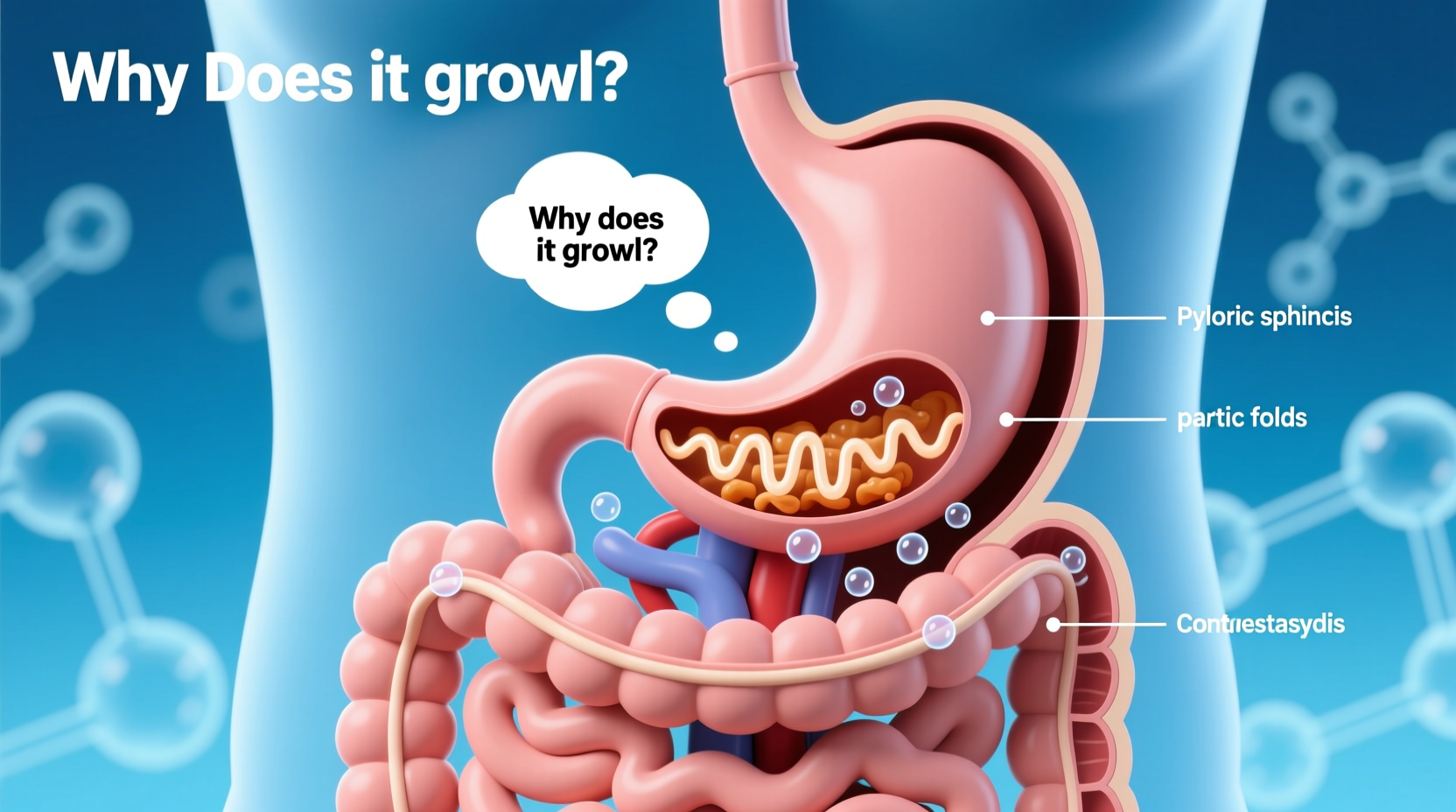
Digestion begins in the mouth and continues through the esophagus, stomach, small intestine, and large intestine. Each stage involves mechanical and chemical processes designed to break down food into absorbable nutrients. After swallowing, food enters the stomach, where it’s mixed with gastric acid and enzymes. From there, partially digested food—now called chyme—moves into the small intestine.
In the small intestine, muscular contractions known as peristalsis propel chyme forward while simultaneously mixing it with bile and digestive enzymes. This motion stirs gas and fluid together, creating audible sounds. The large intestine continues the process by absorbing water and electrolytes, forming stool, and generating additional gas through bacterial fermentation.
These movements happen continuously, whether or not you’ve eaten recently. However, they become more noticeable under certain conditions—especially when the stomach and intestines are relatively empty. That’s why many people associate stomach growling with hunger. But here’s the key point: peristalsis doesn’t stop after eating. It often speeds up, especially if you’ve consumed a large or rich meal, which explains why growling can persist—or even begin—after you’ve eaten.
Why Does My Stomach Growl After Eating?
Several physiological factors contribute to post-meal stomach noises:
- Increased intestinal activity: Eating triggers the gastrocolic reflex, a natural response that stimulates intestinal contractions to make room for incoming food. This reflex can cause sudden waves of peristalsis, producing audible gurgling.
- Gas production: Certain foods—particularly those high in fiber, sugars like lactose or fructose, or artificial sweeteners—can ferment in the gut, releasing gas. This gas mixes with digestive fluids, amplifying noise.
- Swallowed air: Talking while eating, drinking carbonated beverages, or chewing gum can lead to excess air intake. This air travels through the digestive system and contributes to rumbling sounds.
- Meal composition: Fatty, spicy, or heavily processed foods slow gastric emptying and increase intestinal motility, making sounds more likely.
- Individual sensitivity: Some people have more sensitive abdominal walls or heightened awareness of internal sounds, making them more prone to noticing normal digestive activity.
Common Triggers of Post-Meal Stomach Noises
Not all meals provoke the same level of digestive sound. Certain dietary choices significantly influence how active—and noisy—your gut becomes after eating.
| Foods/Drinks | Effect on Digestion | Reason for Increased Noise |
|---|---|---|
| Beans, lentils, cruciferous vegetables | High gas production | Fiber fermented by gut bacteria releases methane and hydrogen |
| Carbonated beverages | Introduce excess air | CO₂ bubbles move through intestines causing gurgling |
| Dairy (in lactose-intolerant individuals) | Undigested sugar ferments | Lactose breakdown produces gas and fluid shifts |
| Fried or fatty foods | Slow digestion | Prolonged gastric emptying increases intestinal activity duration |
| Artificial sweeteners (sorbitol, xylitol) | Osmotic effect & fermentation | Draw water into intestines and feed gas-producing bacteria |
Avoiding these triggers isn’t always necessary, but identifying patterns can help manage excessive or uncomfortable noises. Keeping a food journal for a few days may reveal specific culprits behind your post-meal rumblings.
When Is Stomach Growling a Sign of Something Else?
While occasional growling is normal, persistent or painful sounds accompanied by other symptoms may indicate an underlying condition. Conditions such as irritable bowel syndrome (IBS), small intestinal bacterial overgrowth (SIBO), celiac disease, or gastroparesis can alter normal digestive rhythms and amplify intestinal noises.
For example, in IBS, abnormal motility leads to either rapid transit (causing loud borborygmi) or stagnation (leading to bloating and cramping). SIBO involves an overgrowth of bacteria in the small intestine, resulting in excessive gas and frequent gurgling, often within minutes of eating.
“Post-meal gurgling is usually benign, but when paired with diarrhea, weight loss, or severe pain, it warrants medical evaluation.” — Dr. Lena Torres, Gastroenterologist
Real-Life Example: Sarah’s Experience with Persistent Growling
Sarah, a 34-year-old office worker, began noticing her stomach made loud gurgling noises about 20 minutes after lunch—even after eating salads or soups. At first, she assumed it was due to hunger, but the sounds persisted despite regular meals. Over time, she also developed bloating and loose stools.
After tracking her diet, she realized the issue worsened after consuming dairy and artificial sweeteners in her coffee. She eliminated both from her routine and saw immediate improvement. A visit to her doctor confirmed mild lactose intolerance and sensitivity to sugar alcohols. With simple dietary adjustments, Sarah reduced both the frequency and intensity of her stomach noises without medication.
This case illustrates how everyday habits can mimic or exacerbate digestive symptoms—and how targeted changes can bring relief.
How to Reduce Stomach Growling After Eating: A Step-by-Step Guide
If post-meal growling bothers you, consider implementing the following steps systematically:
- Slow down while eating: Chew thoroughly and take breaks between bites. This reduces swallowed air and improves digestion.
- Avoid carbonated drinks: Replace soda and sparkling water with still water or herbal teas.
- Identify trigger foods: Eliminate common gas-producing items one at a time to see if symptoms improve.
- Eat smaller, more frequent meals: Large meals stimulate stronger gastrocolic reflexes, increasing motility and noise.
- Stay upright after eating: Lying down soon after a meal can disrupt digestion and enhance sound transmission.
- Manage stress: Anxiety affects gut motility via the gut-brain axis. Practice deep breathing or mindfulness after meals.
- Consider probiotics: Some strains may help balance gut flora and reduce gas-related noises, though results vary.
Do’s and Don’ts for Managing Digestive Sounds
| Do | Don't |
|---|---|
| Drink plenty of water throughout the day | Consume large amounts of soda or beer |
| Eat slowly and mindfully | Rush meals or eat while distracted |
| Keep a food and symptom journal | Assume all noises mean something is wrong |
| Exercise regularly to support motility | Ignore persistent pain or changes in bowel habits |
| Consult a doctor if symptoms disrupt daily life | Self-diagnose serious conditions based on internet searches |
Frequently Asked Questions
Is stomach growling a sign of hunger even after eating?
Not necessarily. While hunger can amplify intestinal sounds due to an empty stomach, growling after eating is typically linked to ongoing digestion, gas movement, or increased motility triggered by the meal itself. The absence of food doesn’t need to be present for borborygmi to occur.
Can dehydration cause louder stomach noises?
Yes. When dehydrated, the body absorbs more water from the intestines, which can concentrate digestive contents and alter the flow of fluids. This change in consistency may affect how sounds are produced and transmitted, sometimes making them more pronounced.
Should I worry if my stomach growls loudly after every meal?
If it happens without pain, bloating, diarrhea, or weight loss, loud growling is likely harmless. However, if it’s consistently disruptive or associated with other gastrointestinal symptoms, it’s worth discussing with a healthcare provider to rule out conditions like IBS, food intolerances, or motility disorders.
Final Thoughts and Action Steps
Your stomach growling after a meal is far more common—and less concerning—than most people realize. It’s a testament to the dynamic, active nature of your digestive system, not a flaw. The human gut operates around the clock, processing nutrients, moving waste, and hosting trillions of microbes—all of which contribute to the symphony of internal sounds.
Instead of viewing these noises as embarrassing or abnormal, recognize them as signs of a functioning gastrointestinal tract. Most cases require no treatment beyond minor lifestyle tweaks. By eating mindfully, avoiding known triggers, and staying attuned to your body’s signals, you can minimize discomfort and reduce unnecessary anxiety.
If digestive noises are affecting your confidence or daily life, start with a simple checklist: track your meals, eliminate carbonation, chew slowly, and stay upright after eating. Observe changes over a week. If problems persist, consult a registered dietitian or gastroenterologist for personalized guidance.




 浙公网安备
33010002000092号
浙公网安备
33010002000092号 浙B2-20120091-4
Comments
No comments yet. Why don't you start the discussion?