
You’re in a quiet meeting, mid-conversation with someone you just met, or trying to focus during a yoga class—and suddenly, it happens: a loud, unmistakable rumbling from your abdomen. The sound echoes, eyes dart toward you, and you feel a flush of embarrassment. But here’s the thing: that noise doesn’t always mean you’re hungry. In fact, many people experience stomach growling (also known as borborygmi) even when they’ve just eaten. So what’s really going on?
The truth is, digestive sounds are a normal part of human physiology. They’re not a sign of poor health, bad habits, or lack of self-control. Instead, they’re the result of complex processes involving muscles, gases, and fluids moving through your gastrointestinal tract. Understanding why these noises occur—and when they might signal something worth monitoring—can help you feel more at ease and less self-conscious.
The Science Behind Stomach Growling
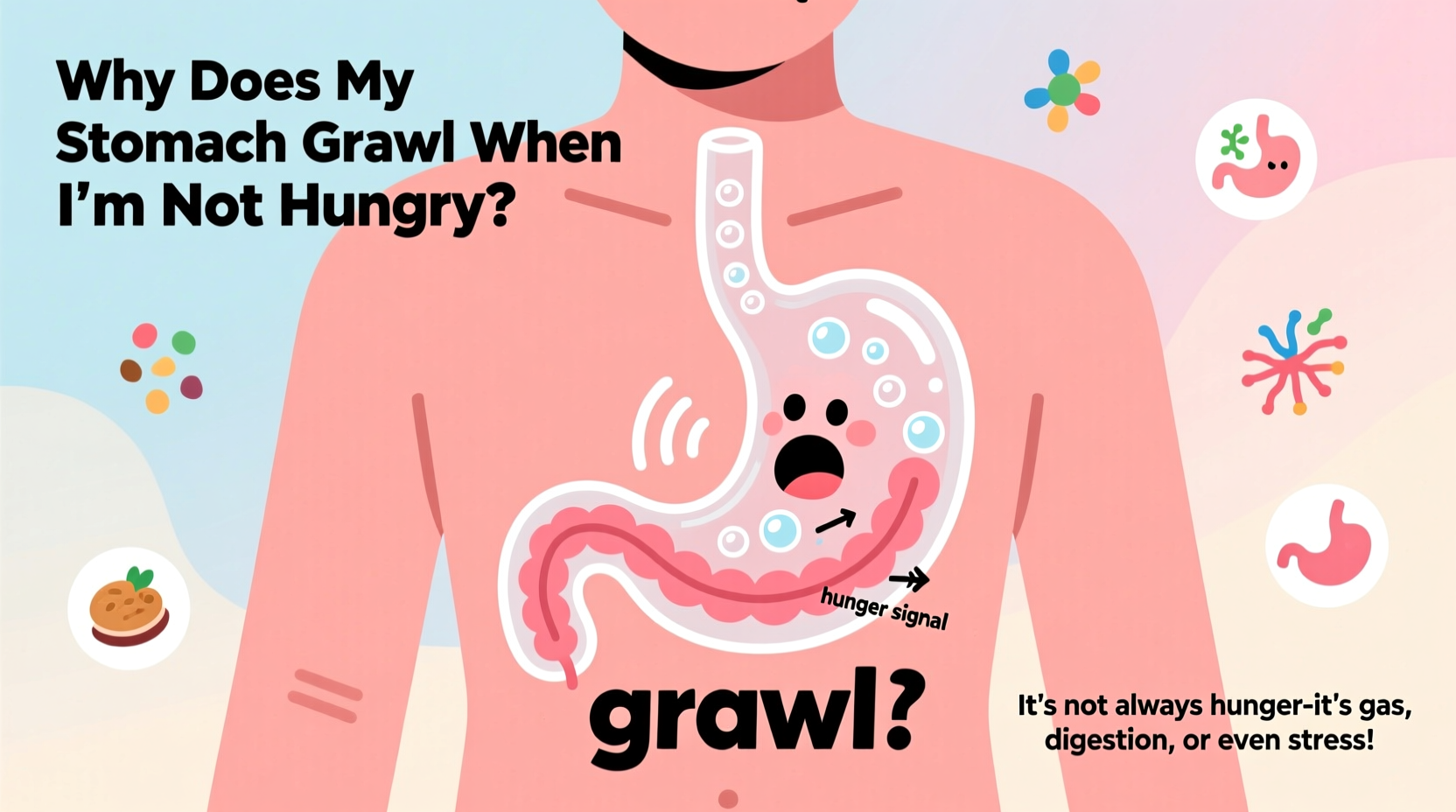
Stomach growling, medically referred to as borborygmi (pronounced bor-boh-RIG-mee), describes the gurgling, rumbling, or growling sounds produced by the movement of gas and fluid through the intestines. These noises originate not only in the stomach but throughout the small and large intestines. The digestive system uses rhythmic muscular contractions called peristalsis to push food, digestive juices, and air along the gastrointestinal (GI) tract. As this mixture moves, it displaces gas and liquid, creating audible vibrations—especially when the stomach and intestines are relatively empty.
Interestingly, the same contractions that move food after a meal also occur during fasting periods. This is controlled by a wave-like electrical activity known as the migrating motor complex (MMC), which acts like a “housekeeping” cycle. Every 90 to 120 minutes between meals, the MMC sweeps through the stomach and small intestine, clearing out leftover particles, mucus, and bacteria. It’s during these cleansing waves that growling is most noticeable—because there’s less content to dampen the sound.
Common Causes of Non-Hunger-Related Stomach Noises
While hunger can trigger stomach growling, it's far from the only cause. Several everyday factors contribute to abdominal sounds—even when you're full or not actively digesting food.
- Swallowed Air: Talking while eating, chewing gum, drinking carbonated beverages, or even nervous breathing can lead to excess air in the digestive tract. This trapped gas amplifies the sounds made during intestinal movement.
- Digestive Activity After Eating: Certain foods—particularly those high in fiber, sugar alcohols (like sorbitol), or fermentable carbohydrates (FODMAPs)—produce more gas during breakdown, increasing the volume of internal noise.
- Stress and Anxiety: The gut-brain axis means emotional states directly influence digestion. Stress can accelerate or disrupt normal motility, leading to louder or more frequent contractions.
- Dehydration: When fluid levels drop, digestive contents become thicker, making it harder for the intestines to move material smoothly. This can create irregular, noisier contractions.
- Fasting or Long Gaps Between Meals: As mentioned earlier, the MMC becomes more active during fasting, resulting in pronounced growling as the system cleans house.
“Borborygmi are a natural consequence of digestion. In most cases, they’re harmless—even when socially inconvenient.” — Dr. Lena Patel, Gastroenterologist at Boston Digestive Health Institute
When Growling Might Signal an Underlying Issue
Occasional stomach noises are normal. However, if growling is accompanied by other symptoms, it may point to an underlying digestive condition. Persistent or disruptive borborygmi should be evaluated in context with additional signs such as bloating, cramping, diarrhea, constipation, or unintended weight loss.
One common condition linked to excessive intestinal noise is irritable bowel syndrome (IBS). People with IBS often report heightened awareness of their gut activity, including increased audibility of bowel sounds. This may stem from visceral hypersensitivity—a condition where the nerves in the gut are more responsive to normal movements.
Other potential contributors include:
- Small Intestinal Bacterial Overgrowth (SIBO): An overgrowth of bacteria in the small intestine leads to excessive gas production and erratic motility, both of which increase noise.
- Lactose Intolerance: Undigested lactose ferments in the colon, producing gas and stimulating loud contractions.
- Celiac Disease: Chronic inflammation due to gluten ingestion can disrupt normal intestinal function and lead to noisy digestion.
- Gastroparesis: Delayed stomach emptying alters the timing and intensity of digestive contractions, sometimes causing unusual or amplified sounds.
Red Flags That Warrant Medical Attention
| Symptom | Possible Implication | Action Step |
|---|---|---|
| Growling with severe pain or cramping | Obstruction, infection, or inflammatory bowel disease | Seek medical evaluation promptly |
| Chronic loud noises + diarrhea/constipation | IBS, SIBO, or food intolerance | Consult a gastroenterologist; consider dietary tracking |
| Noises worsen after specific foods | Food sensitivity (e.g., lactose, fructose, gluten) | Keep a food and symptom journal |
| Visible bloating with persistent gurgling | Gas accumulation, dysbiosis, or motility disorder | Discuss with healthcare provider; rule out SIBO |
Practical Strategies to Reduce Embarrassing Stomach Noises
You can’t eliminate digestive sounds entirely—and you shouldn’t want to, since they reflect a functioning GI system. But you can minimize their frequency and volume with simple lifestyle adjustments.
Step-by-Step Guide to Quieter Digestion
- Eat Regularly: Avoid long gaps between meals. Having small, balanced snacks every 3–4 hours keeps the MMC from triggering intense cleansing waves.
- Chew Slowly and Mindfully: Eating too fast increases swallowed air and reduces proper food breakdown, both of which contribute to noisy digestion.
- Avoid Carbonated Drinks and Gum: These introduce excess gas into the digestive system. Opt for still water or herbal teas instead.
- Limit High-FODMAP Foods If Sensitive: Foods like onions, garlic, beans, apples, and dairy can ferment heavily in the gut. Try reducing intake temporarily to assess impact.
- Stay Hydrated: Adequate water supports smooth transit and prevents overly thick intestinal contents that create turbulent flow.
- Manage Stress: Practice deep breathing, meditation, or gentle exercise to calm the nervous system and support balanced digestion.
Dietary Checklist for Reducing Digestive Noise
- ✅ Eat smaller, more frequent meals
- ✅ Choose low-gas-producing vegetables (zucchini, carrots, lettuce)
- ✅ Limit artificial sweeteners (sorbitol, xylitol, mannitol)
- ✅ Cook vegetables instead of eating raw (easier to digest)
- ✅ Drink fluids between meals, not during
- ❌ Avoid gulping drinks through straws
- ❌ Skip carbonated beverages entirely
- ❌ Don’t lie down immediately after eating
Real-Life Example: Managing Noisy Digestion at Work
Sarah, a 32-year-old project manager, began noticing her stomach making loud noises during team meetings—despite having eaten breakfast. Initially embarrassed, she started tracking her diet and routine. She realized she was skipping lunch due to workload and surviving on iced coffee and sparkling water. Both habits were contributing to her issue: caffeine stimulated gut motility, and carbonation added gas. Additionally, long fasting periods activated aggressive MMC cycles.
With guidance from a nutritionist, Sarah adjusted her routine. She began packing light lunches, switched to decaf herbal tea, and set phone reminders to drink water and eat every four hours. Within two weeks, the frequency of growling decreased significantly. More importantly, she felt less anxious about her body’s signals and regained confidence in professional settings.
Frequently Asked Questions
Can stomach growling happen even after eating a big meal?
Yes. While growling is more common when the stomach is empty, digestion itself involves continuous movement of food, gas, and fluids. A large meal rich in fiber or fat can actually stimulate prolonged intestinal activity, leading to delayed but noticeable sounds.
Is it bad if I never hear my stomach make noise?
Not necessarily. Some people have quieter digestive systems due to body composition, slower motility, or simply less awareness. However, if you experience bloating, nausea, or lack of bowel movements alongside silent digestion, consult a doctor to rule out motility issues.
Do probiotics help reduce stomach growling?
In some cases, yes. Probiotics can improve gut microbiome balance, especially if excessive gas or irregular motility stems from bacterial imbalance (such as in SIBO or IBS). However, results vary by strain and individual. Consult a healthcare provider before starting supplementation.
Conclusion: Embrace the Rumble
Your stomach growling isn’t a flaw—it’s a sign your digestive system is doing its job. From clearing residual debris to processing your last meal, these sounds are part of the intricate machinery that keeps you nourished and healthy. Rather than feeling embarrassed, recognize them as biological feedback. With mindful eating, consistent hydration, and stress management, you can reduce their intensity and social disruption.
If changes don’t help or symptoms persist, don’t hesitate to seek professional advice. Conditions like IBS, food intolerances, or motility disorders are manageable with the right diagnosis and care plan.




 浙公网安备
33010002000092号
浙公网安备
33010002000092号 浙B2-20120091-4
Comments
No comments yet. Why don't you start the discussion?