
It’s a familiar sensation: you take a refreshing sip of water, only to hear a sudden symphony of gurgling from your abdomen moments later. While occasional stomach noises are normal, persistent or loud gurgling right after hydration can be surprising—and sometimes concerning. The truth is, this reaction is usually harmless and rooted in natural digestive processes. However, understanding the underlying causes and knowing when it might signal something more serious can help you manage your digestive health with confidence.
The human digestive tract is constantly in motion, even at rest. These internal sounds—called borborygmi—are produced as gas and fluids move through the intestines. Drinking water can stimulate this activity, especially if your stomach has been empty for a while. But why does this happen, and what can you do about it? Let’s explore the physiology behind post-water gurgling and offer actionable steps to minimize discomfort.
The Science Behind Stomach Gurgling After Water Intake
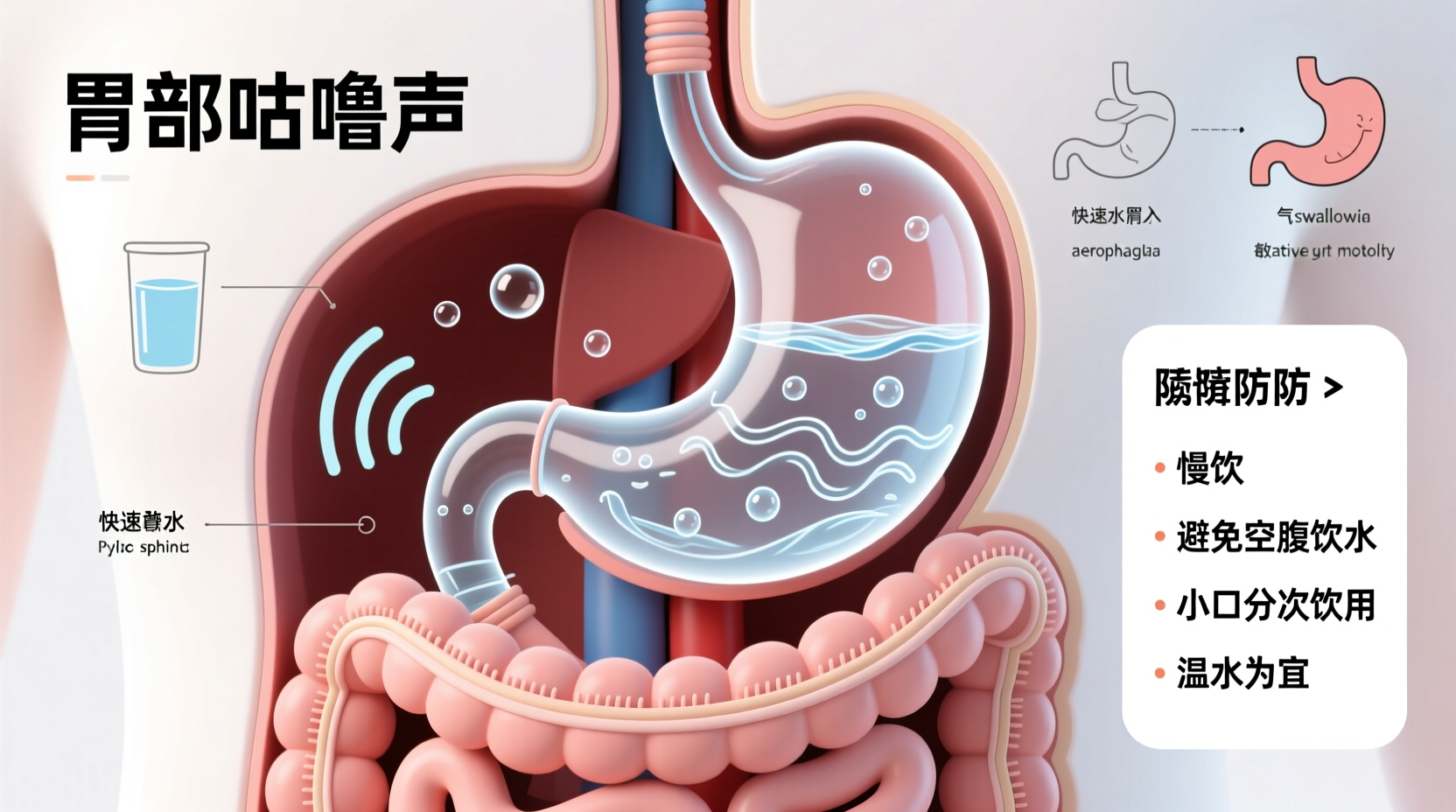
When you drink water, it travels quickly down the esophagus and into the stomach. From there, it begins to mix with gastric juices and moves into the small intestine. This process triggers peristalsis—the rhythmic muscular contractions that push contents through the digestive tract. As water enters an empty or near-empty stomach, it can amplify existing movements, causing louder-than-usual gurgling sounds.
This effect is particularly noticeable first thing in the morning or between meals when the stomach is relatively inactive. The sudden influx of liquid “wakes up” the digestive system, prompting increased motility. In medical terms, this is known as the gastrocolic reflex—a normal response that prepares the intestines for incoming food or fluid.
Additionally, swallowing air along with water (especially when gulping) introduces extra gas into the stomach, which can contribute to bubbling and rumbling sensations. Carbonated water, though not pure H₂O, often gets grouped into this category and can intensify gurgling due to dissolved CO₂.
Common Causes of Post-Water Gurgling
Not all gurgling is created equal. The intensity and frequency depend on several factors related to your habits, physiology, and gut health. Below are the most common contributors:
- Empty stomach activation: Drinking water on an empty stomach stimulates digestive juices and intestinal movement, leading to audible gurgling.
- Rapid consumption: Chugging water increases air intake and forces quicker gastric emptying, amplifying noise.
- Digestive sensitivity: Individuals with irritable bowel syndrome (IBS) or functional dyspepsia may experience heightened responses to fluid intake.
- Gut microbiome imbalance: Excess gas-producing bacteria can increase internal pressure and sound production.
- Temperature contrast: Very cold water may cause sudden muscle contractions in the stomach lining, triggering spasms and gurgling.
- Dehydration: A dehydrated gut may react more vigorously when rehydrating, as cells rapidly absorb water and trigger motility.
In most cases, these mechanisms are benign. However, if gurgling is accompanied by pain, bloating, nausea, or changes in bowel habits, further evaluation may be needed.
How to Prevent Stomach Gurgling After Drinking Water
While you can’t eliminate digestive sounds entirely—and shouldn’t want to, as they indicate healthy gut function—you can reduce excessive or uncomfortable gurgling with simple lifestyle adjustments. Here’s how:
- Hydrate gradually throughout the day – Avoid letting your stomach sit completely empty for long periods. Frequent sipping prevents sudden surges of activity when you finally drink.
- Avoid extremely cold water – Opt for room-temperature or slightly cool water, which is less likely to trigger abrupt contractions.
- Sit down and drink mindfully – Standing or walking while drinking can alter digestion and promote air swallowing. Sitting allows for smoother transit.
- Pair water with light snacks – If you’re prone to noisy digestion, have a small piece of fruit or a few crackers before or with your water to buffer the stimulus.
- Limit carbonated beverages – Even sparkling water introduces gas into the digestive tract, increasing the likelihood of gurgling and bloating.
- Practice diaphragmatic breathing before drinking – Taking a few deep breaths calms the nervous system and reduces overactive gut responses, especially in stress-sensitive individuals.
| Do | Don't |
|---|---|
| Sip water slowly throughout the day | Chug large amounts at once |
| Drink at room temperature | Consume ice-cold water on an empty stomach |
| Stay consistently hydrated | Wait until extremely thirsty to drink |
| Combine water with fiber-rich foods | Drink only during or after heavy meals |
| Use a straw sparingly (reduces air intake) | Use straws frequently, especially with carbonation |
When Gurgling Might Signal a Digestive Issue
Occasional gurgling after water is normal. But persistent, painful, or disruptive noises could point to underlying conditions. Consider consulting a healthcare provider if you experience any of the following:
- Severe abdominal cramping alongside gurgling
- Frequent diarrhea or constipation
- Bloating that worsens after drinking
- Nausea or vomiting triggered by water
- Unintentional weight loss or fatigue
Conditions such as small intestinal bacterial overgrowth (SIBO), lactose intolerance, celiac disease, or gastroparesis can manifest with abnormal digestive sounds. For example, in SIBO, excess bacteria ferment fluids prematurely, producing gas and amplified gurgling. Similarly, delayed gastric emptying in gastroparesis leads to prolonged water retention in the stomach, increasing the chance of sloshing and noise.
“Digestive sounds are part of life, but dramatic changes in their pattern—especially with symptoms like pain or altered bowel habits—should prompt a conversation with your doctor.” — Dr. Alan Reyes, Gastroenterology Specialist
Real-Life Example: Managing Morning Gurgling
Sarah, a 34-year-old office worker, noticed that every morning after her first glass of water, her stomach would rumble loudly—sometimes causing embarrassment during early meetings. She wasn’t experiencing pain, but the noise was disruptive. After tracking her habits, she realized she often skipped breakfast and drank icy water straight from the fridge upon waking.
With guidance from a nutritionist, Sarah adjusted her routine: she began drinking warm lemon water slowly while sitting at the kitchen table, followed by a small banana within 15 minutes. Within a week, the intense gurgling subsided. Her digestive system responded more gently to the combined input of fluid and mild nutrients, preventing the sudden activation of an empty gut.
This case illustrates how minor behavioral tweaks can yield significant improvements without medical intervention.
Step-by-Step Guide to Quieter Digestion
If you're looking to reduce post-water gurgling systematically, follow this daily protocol:
- Upon waking: Take 3–5 slow, deep breaths to activate the parasympathetic nervous system (rest-and-digest mode).
- First drink: Consume 4–6 ounces of room-temperature water slowly over 2–3 minutes.
- Within 10 minutes: Eat a small, easily digestible snack (e.g., toast, apple slices, or yogurt).
- Throughout the day: Aim for 7–8 oz of water every 1–2 hours, adjusting based on activity and climate.
- Before meals: Limit large volumes of water 15 minutes prior to eating to avoid diluting stomach acid.
- At night: Avoid drinking large amounts right before bed to prevent nocturnal digestion noises.
Frequently Asked Questions
Is stomach gurgling after water a sign of dehydration?
Not directly. However, when you're dehydrated, your body may absorb water more aggressively, which can increase intestinal movement and the perception of gurgling. Chronic dehydration can also disrupt normal motility, making sounds more pronounced when you finally rehydrate.
Can drinking too much water cause gurgling?
Yes. Consuming large volumes quickly floods the stomach and small intestine, accelerating peristalsis and creating more noise. It can also temporarily dilute digestive enzymes, leading to inefficient processing and increased gas movement.
Why does cold water make my stomach gurgle more than warm water?
Cold water can cause transient contraction of stomach muscles, stimulating motility and potentially triggering spasms. Warm water, by contrast, mimics body temperature and promotes smoother, quieter digestion. Many traditional medicine systems recommend warm or hot water for this reason.
Conclusion: Listen to Your Gut—Without the Noise
Your digestive system communicates through subtle cues, and gurgling after drinking water is often just a neutral signal of activity. With mindful hydration practices, balanced routines, and awareness of your body’s responses, you can maintain digestive harmony without constant internal rumbles. Most cases require no treatment—just small, sustainable changes.
If symptoms persist or interfere with daily life, don’t hesitate to seek professional advice. But for the vast majority, understanding the mechanics behind the noise is the first step toward peace—both internally and externally.




 浙公网安备
33010002000092号
浙公网安备
33010002000092号 浙B2-20120091-4
Comments
No comments yet. Why don't you start the discussion?