
Nighttime stomach gurgling—technically known as borborygmi—is a familiar experience for many. While occasional rumbling is normal, persistent or loud gurgling at night can disrupt sleep, cause embarrassment, or signal an underlying digestive issue. Understanding the root causes behind this phenomenon is key to finding relief. From natural digestive rhythms to food intolerances and gut imbalances, multiple factors contribute to nocturnal gut noise. The good news is that most causes are manageable with dietary adjustments, lifestyle changes, and improved eating habits.
This article explores the science behind nighttime stomach gurgling, identifies common triggers, and offers practical, evidence-based solutions to help you quiet your gut and enjoy more restful nights.
The Science Behind Stomach Gurgling
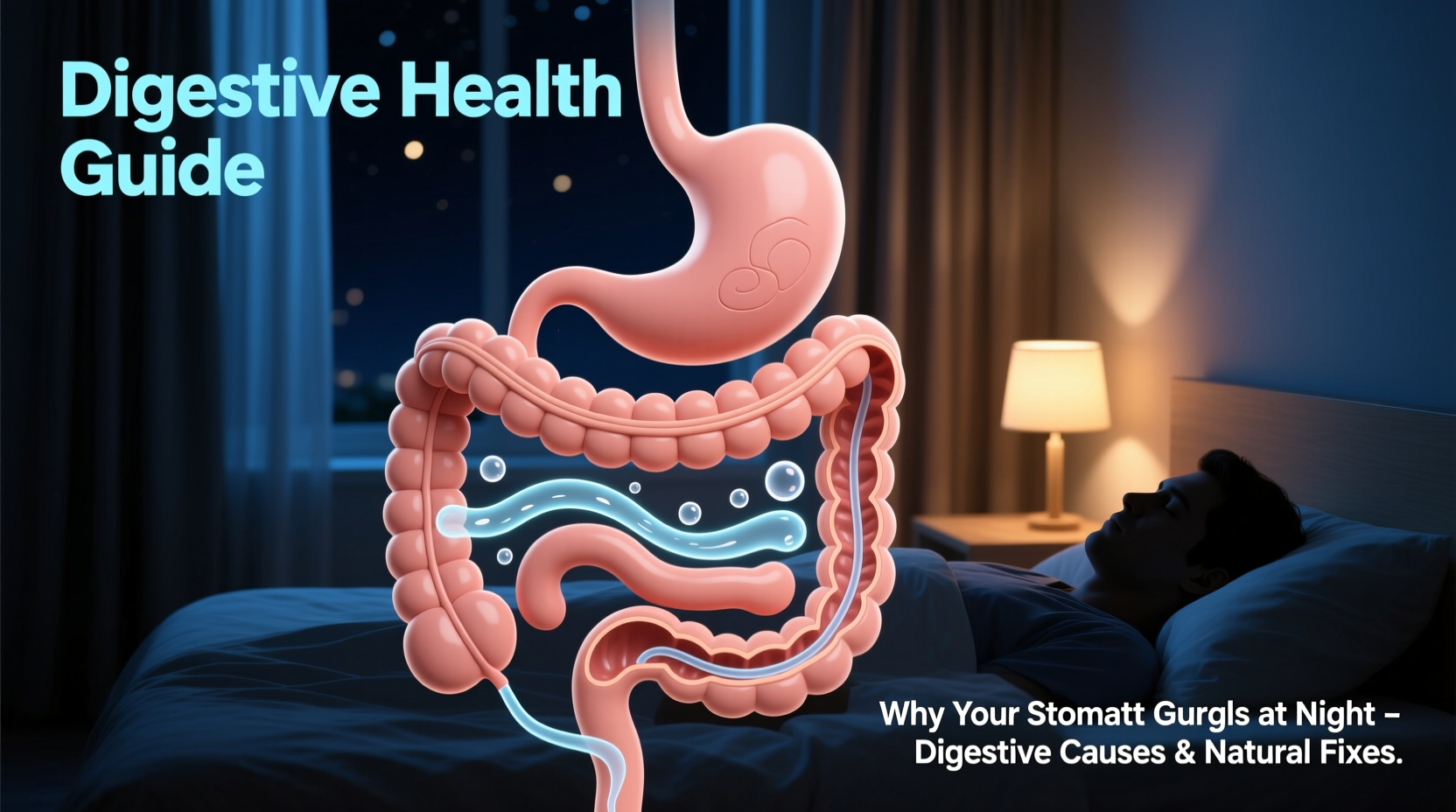
Stomach gurgling occurs when gas and fluids move through the intestines. These sounds are produced by peristalsis—the rhythmic contractions of intestinal muscles that push food, air, and digestive juices along the gastrointestinal tract. While these noises happen throughout the day, they become more noticeable at night due to reduced ambient noise and an empty stomach.
The small intestine is typically responsible for the majority of audible gurgling. When digestion is active or the gut is processing leftover food from dinner, increased motility can amplify sound. In some cases, heightened sensitivity—such as in irritable bowel syndrome (IBS)—makes people more aware of normal digestive processes.
“Borborygmi are a natural part of digestion, but when they’re frequent or disruptive, they often reflect dietary choices or gut health issues.” — Dr. Lena Patel, Gastroenterologist
Common Digestive Reasons for Nighttime Gurgling
Several physiological and dietary factors can trigger or worsen nighttime stomach noises. Identifying which applies to you is the first step toward resolution.
1. Late or Heavy Evening Meals
Eating too close to bedtime forces your digestive system to work while you're lying down. This slows gastric emptying and increases the chance of fermentation, gas buildup, and prolonged intestinal movement—all contributing to gurgling.
2. High-Fiber or Gas-Producing Foods
Foods like beans, broccoli, onions, cabbage, and whole grains are nutritious but ferment in the colon, producing gas. Consuming them in the evening may lead to increased intestinal activity and noise during the night.
3. Lactose or FODMAP Intolerance
Lactose intolerance affects up to 65% of adults globally. Undigested lactose reaches the colon, where bacteria ferment it, causing gas, bloating, and loud gurgling. Similarly, sensitivity to FODMAPs (fermentable oligosaccharides, disaccharides, monosaccharides, and polyols) found in garlic, apples, honey, and wheat can provoke similar symptoms.
4. Swallowed Air (Aerophagia)
Eating quickly, drinking carbonated beverages, chewing gum, or using straws introduces excess air into the digestive tract. This trapped air travels through the intestines and contributes to gurgling, especially when lying still at night.
5. Hunger Contractions
When your stomach has been empty for several hours, the migrating motor complex (MMC) activates—a cleansing wave that sweeps residual contents through the intestines. These contractions, strongest during fasting periods, often produce loud gurgling sounds, particularly between midnight and early morning.
6. Gut Microbiome Imbalance
An overgrowth of certain bacteria, such as in small intestinal bacterial overgrowth (SIBO), can lead to excessive gas production and erratic motility. This dysbiosis often results in chronic gurgling, bloating, and discomfort, especially after meals.
Do’s and Don’ts: Managing Nocturnal Gut Sounds
| Do | Avoid |
|---|---|
| Eat dinner at least 2–3 hours before bed | Eating large meals within one hour of sleeping |
| Choose low-FODMAP, easily digestible foods at night | Consuming beans, onions, or dairy if sensitive |
| Sip herbal teas like ginger or peppermint after dinner | Drinking soda, coffee, or alcohol late in the day |
| Stay upright for 30 minutes after eating | Lying down immediately after meals |
| Keep a food and symptom journal | Ignoring patterns linking certain foods to gurgling |
Step-by-Step Guide to Reduce Nighttime Gurgling
Addressing nighttime stomach noises requires a systematic approach. Follow this six-step plan to identify triggers and implement lasting changes.
- Adjust Your Dinner Timing
Aim to finish eating at least 2–3 hours before bedtime. This allows the stomach to begin digestion while upright, reducing reflux risk and minimizing overnight processing. - Modify Evening Food Choices
Replace high-fiber, gas-producing, or fatty foods with gentle options like steamed vegetables, lean proteins (chicken, fish), white rice, or bananas. Avoid fried foods and processed snacks. - Eliminate Common Triggers Temporarily
Try removing dairy, carbonated drinks, artificial sweeteners (like sorbitol), and cruciferous vegetables for one week. Monitor whether gurgling improves. - Practice Mindful Eating
Chew slowly, avoid talking while eating, and minimize distractions. This reduces air swallowing and supports efficient digestion. - Support Digestion Naturally
Consider taking a digestive enzyme supplement containing lactase if dairy-sensitive, or try probiotics to balance gut flora. Ginger tea or fennel infusion after dinner may also soothe the gut. - Track Symptoms and Responses
Keep a daily log noting meals, symptoms, stress levels, and sleep quality. Patterns often emerge within 7–10 days, helping pinpoint individual triggers.
Real-Life Example: Sarah’s Journey to Quieter Nights
Sarah, a 34-year-old teacher, struggled with loud stomach gurgling every night around 2 a.m. It disrupted her sleep and caused anxiety about staying over at friends’ homes. She rarely had other symptoms like pain or diarrhea but noticed the gurgling intensified after pasta dinners with garlic bread and ice cream.
After consulting a dietitian, she learned she was mildly lactose intolerant and sensitive to fructans (a type of FODMAP in wheat and garlic). By switching to lactose-free dairy, avoiding garlic-heavy dishes at night, and moving dinner earlier, her nighttime gurgling decreased significantly within two weeks. Adding a daily probiotic and drinking peppermint tea after dinner provided further relief.
Her case highlights how subtle food sensitivities—often overlooked—can manifest primarily as noisy digestion rather than classic digestive distress.
When to See a Doctor
While most nighttime gurgling is benign, certain red flags warrant medical evaluation:
- Persistent abdominal pain or cramping
- Unexplained weight loss
- Blood in stool
- Chronic diarrhea or constipation
- Symptoms worsening despite dietary changes
If gurgling is accompanied by any of these, consult a gastroenterologist. Conditions like SIBO, inflammatory bowel disease (IBD), celiac disease, or gastroparesis may require diagnostic testing such as breath tests, blood panels, or endoscopy.
“Patients often dismiss gut noise as trivial, but when it interferes with quality of life, it’s worth investigating. Many underlying conditions are treatable once properly diagnosed.” — Dr. Marcus Tran, Digestive Health Specialist
Checklist: How to Stop Nighttime Stomach Gurgling
Use this actionable checklist to start improving your nighttime comfort tonight:
- ✅ Finish dinner at least 2–3 hours before bed
- ✅ Avoid carbonated drinks and chewing gum after 6 PM
- ✅ Choose low-FODMAP, easy-to-digest foods for dinner
- ✅ Eliminate dairy or gluten temporarily to test tolerance
- ✅ Stay upright for 30 minutes after eating
- ✅ Drink herbal tea like ginger or chamomile post-meal
- ✅ Keep a food-symptom journal for 7 days
- ✅ Consider a probiotic or digestive enzyme if needed
- ✅ Reduce stress with evening breathing exercises or light stretching
- ✅ Consult a doctor if symptoms persist beyond 3 weeks
Frequently Asked Questions
Is nighttime stomach gurgling a sign of hunger?
Yes, often. When your stomach has been empty for several hours, the migrating motor complex initiates cleansing contractions that can cause loud gurgling. This is especially common between midnight and dawn. A small, light snack before bed—like a banana or rice cake—may reduce the noise if hunger is the trigger.
Can stress cause my stomach to gurgle at night?
Absolutely. Stress and anxiety activate the gut-brain axis, altering digestive motility and increasing gut sensitivity. Even without eating late, heightened nervous system activity can stimulate intestinal contractions and amplify awareness of normal digestive sounds. Practicing relaxation techniques like diaphragmatic breathing or mindfulness meditation before bed may help calm the gut.
Are there medications that can reduce stomach gurgling?
There’s no specific medication to stop borborygmi, but treatments targeting underlying causes can help. For example, simethicone reduces gas bubbles, antibiotics treat SIBO, and antispasmodics may calm hyperactive bowels in IBS. Always consult a healthcare provider before starting any medication.
Final Thoughts and Action Plan
Nocturnal stomach gurgling is more than just an odd bodily quirk—it’s a signal from your digestive system. Whether it's due to timing, food choices, or gut health, the solution usually lies in thoughtful habit changes rather than quick fixes. Most people see improvement within 1–2 weeks of adjusting their evening routine and diet.
Start tonight: Move dinner earlier, skip the soda, choose gentler foods, and stay upright afterward. Track what works. If simple changes don’t bring relief, consider a short elimination diet or professional guidance. Remember, a quieter stomach often means better sleep, less discomfort, and greater confidence—especially when sharing a room or traveling.




 浙公网安备
33010002000092号
浙公网安备
33010002000092号 浙B2-20120091-4
Comments
No comments yet. Why don't you start the discussion?