
Stomach gurgling—those sudden, rumbling noises that seem to come from nowhere—is something nearly everyone experiences. It can happen during a quiet meeting, in the middle of the night, or just after eating. While often harmless, persistent or painful gurgling can signal underlying digestive issues. Understanding the causes, triggers, and warning signs helps distinguish between routine digestion and conditions needing medical attention.
The Science Behind Stomach Gurgling
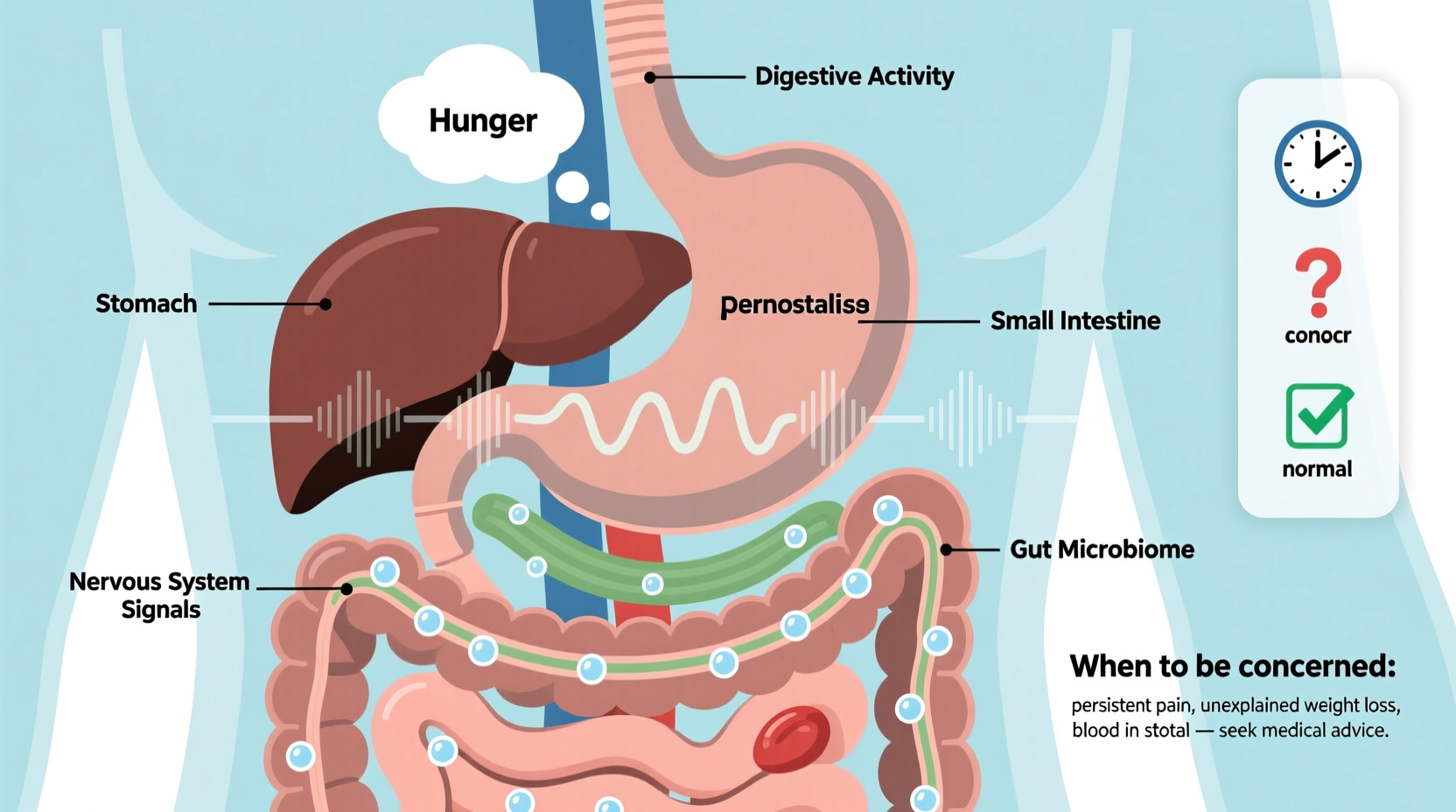
The technical term for stomach gurgling is **borborygmi** (pronounced bor-bo-RIG-mee). These sounds result from the movement of gas and fluid through the intestines. As muscles in the gastrointestinal tract contract to push food, liquid, and air along—a process called peristalsis—the churning creates audible noise, especially when the stomach and intestines are relatively empty.
Digestion begins in the mouth and continues through the esophagus, stomach, small intestine, and colon. Each segment plays a role in breaking down nutrients and absorbing them into the bloodstream. Along the way, gases like nitrogen, oxygen, carbon dioxide, hydrogen, and methane build up due to bacterial fermentation, swallowed air, and chemical reactions. When these gases mix with digestive juices and move through narrow intestinal passages, they produce gurgling, growling, or bubbling sounds.
Common Causes of Unexpected Stomach Noises
Most stomach gurgling occurs as part of normal digestion. However, several everyday factors can amplify or trigger these sounds at inconvenient times:
- Hunger: When the stomach has been empty for a few hours, hormonal signals prompt the brain to initiate \"housekeeping waves\"—strong contractions that sweep residual particles into the intestines. These movements are often loud and noticeable.
- Dietary choices: High-fiber foods, carbonated drinks, artificial sweeteners (like sorbitol), and legumes increase gas production, leading to more pronounced gurgling.
- Eating too quickly: Rapid eating leads to swallowing excess air (aerophagia), which contributes to bloating and noisy digestion.
- Lactose intolerance: Inability to digest lactose results in undigested milk sugar fermenting in the colon, producing gas and loud intestinal sounds.
- Food intolerances: Sensitivities to gluten (non-celiac gluten sensitivity) or fructose can lead to excessive gas and bowel noise.
- Stress and anxiety: The gut-brain axis means emotional stress can alter gut motility, increasing both frequency and intensity of digestive sounds.
“Bowel sounds are a sign of life in the digestive system. Their absence is far more concerning than their presence.” — Dr. Lena Torres, Gastroenterologist
When Gurgling Signals a Health Concern
While occasional gurgling is normal, certain patterns or accompanying symptoms may indicate an underlying condition. Be alert if stomach noises are paired with any of the following:
- Severe abdominal pain or cramping
- Persistent diarrhea or constipation
- Nausea or vomiting
- Unintentional weight loss
- Blood in stool
- Fever
- Swelling or distension of the abdomen
These could point to conditions such as:
| Condition | Symptoms | Associated Gurgling Pattern |
|---|---|---|
| Irritable Bowel Syndrome (IBS) | Abdominal pain, bloating, alternating diarrhea/constipation | Frequent, loud gurgling before bowel movements |
| Inflammatory Bowel Disease (IBD) | Chronic diarrhea, fatigue, weight loss, rectal bleeding | Persistent, sometimes painful intestinal sounds |
| Small Intestinal Bacterial Overgrowth (SIBO) | Bloating, gas, diarrhea, malabsorption | Excessive gurgling shortly after eating |
| Gastroenteritis | Nausea, vomiting, diarrhea, fever | Hyperactive, rapid gurgling during illness |
| Intestinal Obstruction | Severe pain, vomiting, inability to pass gas/stool | High-pitched, tinkling sounds followed by silence |
Note: A complete absence of bowel sounds over several hours is medically significant and may suggest paralytic ileus or advanced obstruction.
Real Example: Recognizing SIBO Through Symptoms
Sarah, a 34-year-old teacher, began noticing intense stomach gurgling within minutes of eating breakfast. She felt bloated, had frequent loose stools, and was losing weight despite eating regularly. Initially dismissing it as stress-related, she tracked her symptoms for two weeks. Her diary revealed a consistent pattern: gurgling → bloating → diarrhea within 30–60 minutes of meals. After consulting a gastroenterologist, she underwent a breath test that confirmed Small Intestinal Bacterial Overgrowth (SIBO). With targeted antibiotics and dietary changes, her symptoms resolved within eight weeks. Sarah’s case highlights how tracking timing, triggers, and associated symptoms can aid early diagnosis.
Practical Steps to Reduce Unwanted Gurgling
Not all stomach noises can—or should—be eliminated, but many lifestyle adjustments can reduce excessive or disruptive gurgling:
- Eat smaller, more frequent meals: Large meals stimulate stronger intestinal contractions. Spreading intake across five to six light meals prevents extreme hunger and overactivity.
- Chew food thoroughly: Proper chewing aids digestion and reduces the burden on the intestines, minimizing gas buildup.
- Avoid known gas-producing foods: Beans, broccoli, cabbage, onions, and carbonated beverages increase gas. Monitor your tolerance and adjust accordingly.
- Limit artificial sweeteners: Sugar alcohols like xylitol and sorbitol are poorly absorbed and fermented by gut bacteria, causing gas and noise.
- Stay hydrated: Water supports smooth digestion. Dehydration slows transit time, potentially leading to erratic motility and louder sounds.
- Manage stress: Techniques like deep breathing, meditation, or yoga help regulate the autonomic nervous system, which controls gut function.
- Consider probiotics: Certain strains (e.g., Lactobacillus and Bifidobacterium) may improve gut balance and reduce fermentation-related gurgling.
Checklist: When to Seek Medical Advice
If you experience stomach gurgling alongside any of the following, schedule a consultation with a healthcare provider:
- ✅ Abdominal pain lasting more than 48 hours
- ✅ Diarrhea persisting beyond two weeks
- ✅ Unexplained weight loss of 5+ pounds in a month
- ✅ Blood or mucus in stool
- ✅ Vomiting that prevents keeping food down
- ✅ Fever above 101°F (38.3°C) with digestive symptoms
- ✅ Family history of IBD, celiac disease, or colon cancer
Diagnostic Process and What to Expect
If your doctor suspects an underlying issue, they may recommend one or more diagnostic tests:
- Physical examination: Listening to bowel sounds with a stethoscope helps assess activity level—hyperactive, hypoactive, or absent.
- Blood tests: To check for inflammation, infection, anemia, or markers of celiac disease.
- Stool analysis: Detects infections, blood, fat content (for malabsorption), or calprotectin (for IBD).
- Breath tests: Used to diagnose lactose intolerance, fructose malabsorption, or SIBO by measuring hydrogen or methane levels after ingesting specific sugars.
- Endoscopy or colonoscopy: Allows direct visualization of the digestive tract and biopsy collection if needed.
- Imaging: Abdominal ultrasound, CT scan, or MRI may identify structural issues like obstructions or tumors.
Diagnosis often involves ruling out serious conditions before arriving at functional disorders like IBS. Patience and detailed communication with your provider improve accuracy and treatment outcomes.
Frequently Asked Questions
Is it normal for my stomach to gurgle when I’m not hungry?
Yes. Even outside of hunger, the digestive tract undergoes regular cleansing waves every 90–120 minutes during fasting periods. These migrating motor complexes clear residual contents and can produce noticeable gurgling, especially in quiet environments.
Can medications cause stomach gurgling?
Yes. Antibiotics can disrupt gut flora, leading to gas and altered motility. Laxatives, proton pump inhibitors, and certain diabetes drugs (like metformin) also affect digestion and may increase bowel sounds.
Why does my stomach gurgle more at night?
At night, ambient noise decreases, making internal sounds more noticeable. Additionally, lying down alters pressure on the abdomen, and delayed gastric emptying (from late meals) can prolong digestive activity. Stress or nighttime eating may also contribute.
Conclusion: Listen to Your Gut—Literally
Your digestive system communicates through sensations and sounds. Occasional stomach gurgling is a natural byproduct of a functioning gut. But when these noises become persistent, painful, or disruptive, they deserve attention. By understanding common causes, recognizing red flags, and taking proactive steps, you can maintain digestive comfort and overall well-being. Don’t ignore your body’s signals—early action can prevent minor issues from becoming chronic problems.




 浙公网安备
33010002000092号
浙公网安备
33010002000092号 浙B2-20120091-4
Comments
No comments yet. Why don't you start the discussion?