
Stomach gurgling—also known medically as borborygmi—is a common occurrence that most people experience without concern. These rumbling or growling sounds originate from the movement of gas and fluids through the intestines. While often harmless, frequent or loud gurgling can be embarrassing, disruptive, or a sign of underlying digestive imbalance. Understanding what triggers these noises and how to manage them naturally empowers you to take control of your digestive health without relying on medication.
The digestive tract is a dynamic system. Even when you're not eating, your gut continues to contract and push contents forward in a process called peristalsis. When the stomach and intestines are relatively empty, such as between meals or during fasting, the sounds become more noticeable because there’s less food to muffle them. However, persistent or unusually loud gurgling may point to dietary habits, stress, or gastrointestinal sensitivity that can be addressed with simple, science-backed strategies.
What Causes Stomach Gurgling?
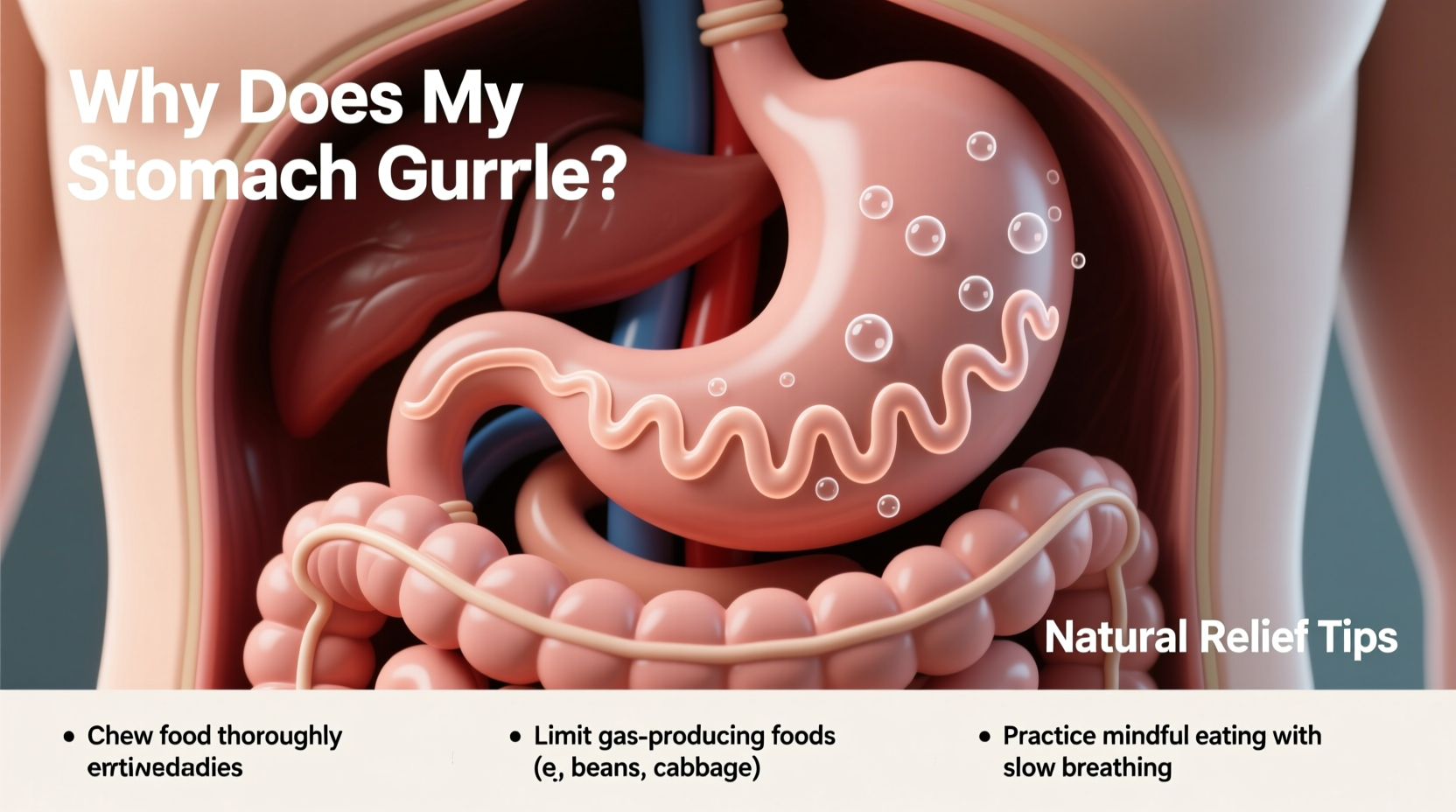
Stomach gurgling results from the coordinated muscular contractions of the gastrointestinal (GI) tract moving air, fluid, and digested material along the digestive pathway. The small intestine is the primary source of these sounds. Several physiological processes contribute:
- Motility waves: The migrating motor complex (MMC) is a rhythmic contraction pattern that sweeps through the stomach and small intestine during fasting states, clearing residual food and bacteria. This activity often produces audible gurgling.
- Gas movement: Swallowed air (from eating quickly, drinking carbonated beverages, or chewing gum) and gas produced by gut bacteria fermenting undigested carbohydrates travel through the intestines, creating bubbling and popping sounds.
- Digestive enzyme release: When food enters the small intestine, bile and pancreatic enzymes mix with chyme, increasing fluid motion and contributing to noise.
- Hunger signals: Ghrelin, the \"hunger hormone,\" stimulates gastric motility, leading to increased contractions and audible rumbling when you’re anticipating a meal.
Natural Ways to Reduce Stomach Gurgling
While occasional gurgling is normal, chronic or disruptive sounds can often be minimized with lifestyle and dietary adjustments. These natural approaches support balanced digestion and reduce intestinal turbulence.
1. Eat Mindfully and Slow Down
Rushing meals leads to swallowing excess air—a condition called aerophagia—which increases gas in the digestive tract. Eating too fast also disrupts the signaling between your brain and gut, impairing proper enzyme release and motility coordination.
Chewing thoroughly breaks down food mechanically, reducing the workload on your stomach and small intestine. Aim for 20–30 chews per bite, put your fork down between bites, and avoid distractions like screens during meals.
2. Choose Low-FODMAP Foods When Sensitive
Fermentable Oligosaccharides, Disaccharides, Monosaccharides, and Polyols (FODMAPs) are short-chain carbohydrates poorly absorbed in the small intestine. When they reach the colon, gut bacteria ferment them, producing gas and triggering gurgling.
Common high-FODMAP foods include onions, garlic, beans, lentils, apples, milk, and wheat. For individuals with sensitive digestion, temporarily reducing these foods can significantly quiet bowel sounds.
“Many patients report immediate relief from bloating and intestinal noise after adopting a low-FODMAP approach—even without a formal IBS diagnosis.” — Dr. Lena Torres, Gastroenterology Nutrition Specialist
3. Stay Consistently Hydrated
Water supports smooth digestion by helping dissolve nutrients and soften stool. Dehydration slows intestinal transit, leading to erratic contractions and louder gurgling. On the other hand, drinking large amounts of liquid right before or during meals can dilute stomach acid and increase volume in the gut, amplifying noise.
The key is steady hydration. Sip water throughout the day rather than consuming several glasses at once. Herbal teas like ginger, peppermint, or chamomile can soothe the gut lining and ease spasms.
4. Manage Stress Levels
The gut-brain axis is a bidirectional communication network linking emotional centers in the brain with intestinal functions. Stress activates the sympathetic nervous system, which can accelerate or disrupt gut motility, leading to hyperactive bowel sounds.
Practices such as diaphragmatic breathing, meditation, yoga, and regular physical activity help modulate this response. Even five minutes of deep breathing before meals can signal the body to enter “rest-and-digest” mode, improving digestive efficiency.
Do’s and Don’ts for Quieter Digestion
| Do’s | Don’ts |
|---|---|
| Eat smaller, frequent meals to maintain steady digestion | Overeat or consume large meals infrequently |
| Drink room-temperature water to avoid shocking the gut | Consume ice-cold beverages with meals |
| Include probiotic-rich foods like yogurt, kefir, or sauerkraut | Ignore recurring symptoms after eating certain foods |
| Walk gently for 10–15 minutes after eating to aid motility | Lie down immediately after meals |
| Keep a food and symptom journal to identify triggers | Assume all gurgling is “normal” if it causes discomfort |
A Step-by-Step Guide to Calming Noisy Digestion
If you're experiencing frequent or uncomfortable stomach gurgling, follow this structured approach to identify and resolve potential causes:
- Track Your Symptoms (Days 1–7): Keep a daily log noting when gurgling occurs, what you ate, your stress levels, and any associated symptoms like bloating, pain, or changes in bowel habits.
- Eliminate Common Triggers (Days 8–14): Remove carbonated drinks, artificial sweeteners (sorbitol, xylitol), dairy (if lactose intolerant), and high-FODMAP foods. Replace with easily digestible options like rice, carrots, bananas, and lean proteins.
- Improve Eating Habits: Begin eating in a calm environment, chew thoroughly, and avoid talking while chewing to reduce air intake.
- Incorporate Gut-Soothing Herbs: Drink ginger tea before meals to stimulate digestion or peppermint tea after meals to relax intestinal muscles.
- Reintroduce Foods Gradually (Weeks 3–4): One at a time, add back eliminated foods to test tolerance. Note any return of gurgling or discomfort.
- Optimize Daily Routine: Include light exercise, consistent sleep, and stress-reduction techniques to support long-term gut balance.
When Gurgling Might Signal a Health Issue
Most cases of stomach gurgling are benign, but certain patterns warrant medical evaluation. Persistent or worsening symptoms could indicate conditions such as:
- Irritable Bowel Syndrome (IBS): Characterized by abdominal pain, bloating, and altered bowel habits alongside increased bowel sounds.
- Lactose or fructose intolerance: Inability to digest specific sugars leads to fermentation, gas, and noisy digestion after consuming dairy or fruit-heavy diets.
- Small Intestinal Bacterial Overgrowth (SIBO): Excess bacteria in the small intestine ferment food prematurely, causing loud gurgling, bloating, and malabsorption.
- Gastroenteritis or infection: Viral or bacterial infections inflame the gut lining, increasing motility and sound intensity, often accompanied by diarrhea or fever.
- Partial bowel obstruction: Rare but serious; marked by cramping, distension, constipation, and high-pitched intestinal noises.
If gurgling is paired with unexplained weight loss, severe pain, vomiting, or blood in stool, consult a healthcare provider promptly.
Real-Life Example: Managing Post-Lunch Gurgling at Work
Sarah, a 34-year-old project manager, noticed her stomach would loudly gurgle about an hour after lunch, often during meetings. Embarrassed and concerned, she began tracking her meals. She discovered that her usual lunch—whole grain wrap with hummus, bell peppers, and a large bottle of sparkling water—was rich in insoluble fiber and carbonation, both known to increase gas production.
She adjusted her routine: switching to still water, replacing raw vegetables with steamed carrots and zucchini, and adding a small serving of fermented kimchi for gut balance. Within a week, the post-lunch rumbling subsided. By also taking a 10-minute walk after eating, she supported smoother digestion and reported feeling lighter and more focused.
FAQ: Common Questions About Stomach Gurgling
Is stomach gurgling a sign of hunger?
Yes, but not exclusively. While hunger-related contractions (via the MMC) do cause gurgling, similar sounds occur during digestion, stress, or in response to certain foods. If your stomach rumbles constantly—not just before meals—it may reflect dietary or motility factors beyond simple hunger.
Can dehydration cause more stomach noise?
Indirectly, yes. Dehydration slows digestion and alters electrolyte balance, which can lead to irregular intestinal contractions. Additionally, people often mistake thirst for hunger, leading to unnecessary snacking and subsequent digestive activity.
Are probiotics helpful for reducing gurgling?
For some individuals, yes. Probiotics help balance gut microbiota, potentially reducing excessive gas production from bacterial fermentation. Strains like Bifidobacterium infantis and Lactobacillus acidophilus have shown benefits in clinical studies for IBS-related symptoms, including bowel noise. However, some people initially experience increased gas when starting probiotics—introduce them gradually.
Essential Checklist for Reducing Stomach Gurgling Naturally
Use this actionable checklist to begin improving your digestive comfort today:
- ✅ Eat slowly and chew food thoroughly (20+ chews per bite)
- ✅ Avoid carbonated drinks and chewing gum
- ✅ Limit high-FODMAP foods if you notice sensitivity
- ✅ Stay hydrated with room-temperature water throughout the day
- ✅ Practice stress-reduction techniques like deep breathing or walking
- ✅ Take a short walk after meals to support gentle digestion
- ✅ Keep a food and symptom journal for one week
- ✅ Try herbal teas: ginger (pre-meal), peppermint (post-meal)
- ✅ Rule out lactose or fructose intolerance if symptoms persist
- ✅ Consult a doctor if gurgling is painful, persistent, or accompanied by other red-flag symptoms
Final Thoughts: Listen to Your Gut—Literally
Your digestive system communicates through sensations and sounds. Occasional stomach gurgling is a normal part of being alive and digesting food. But when it becomes a frequent distraction or source of discomfort, it’s worth paying attention. Natural solutions—rooted in mindful eating, hydration, stress management, and informed food choices—can restore quiet, efficient digestion.
You don’t need drastic changes to see improvement. Start with one or two adjustments: slow down at dinner, swap soda for herbal tea, or take a post-meal stroll. Small steps lead to lasting shifts in gut health. Over time, you’ll likely notice not just quieter digestion, but greater energy, reduced bloating, and improved well-being.




 浙公网安备
33010002000092号
浙公网安备
33010002000092号 浙B2-20120091-4
Comments
No comments yet. Why don't you start the discussion?