
You're sitting in a quiet meeting, lying in bed trying to fall asleep, or standing in line at the grocery store—when suddenly, your stomach erupts with a loud series of gurgles. It’s not always tied to hunger, and it doesn’t always mean something’s wrong. In fact, stomach gurgling, also known as borborygmi, is a normal part of digestion. But when it happens frequently, loudly, or at inconvenient moments, it can be uncomfortable or embarrassing. Understanding why it occurs—and how to manage it—can help you regain confidence and comfort.
The digestive tract is constantly in motion, pushing food, fluids, and gas through a network of hollow organs using rhythmic muscle contractions called peristalsis. As this movement occurs, especially when the stomach and intestines are relatively empty, air and liquid shift around, creating those familiar rumbling sounds. While occasional gurgling is harmless, persistent or disruptive noises may point to dietary habits, underlying conditions, or lifestyle factors worth addressing.
The Science Behind Stomach Gurgling
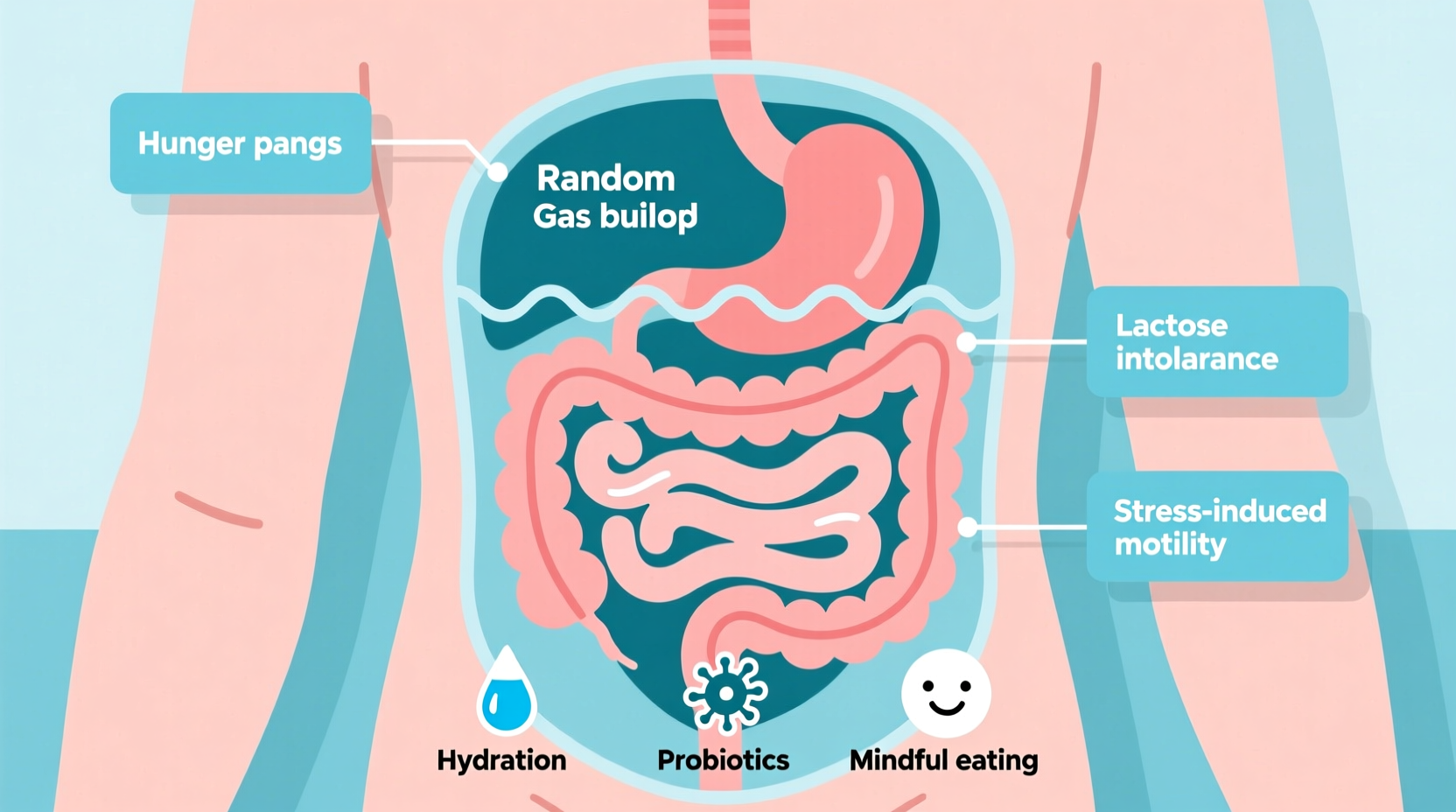
Borborygmi (pronounced bor-boh-RIG-mee) are the audible sounds produced by the movement of gas and fluid through the small and large intestines. These noises originate from the coordinated muscular activity of the gastrointestinal (GI) tract. The walls of the intestines contract to mix and propel contents forward—a process that continues even when you're not eating.
During fasting periods, such as overnight or between meals, the gut undergoes what's known as the migrating motor complex (MMC). This cleansing wave sweeps residual particles and bacteria from the stomach into the colon, preparing the system for the next meal. Because there’s less material to muffle sound during these cycles, gurgling becomes more noticeable—especially if you’re in a quiet environment.
“Gut sounds are a sign of life—they indicate your digestive system is active and functioning. The absence of bowel sounds is often more concerning than their presence.” — Dr. Lena Torres, Gastroenterology Specialist
However, not all gurgling is benign. When accompanied by bloating, pain, diarrhea, or constipation, it may reflect an imbalance in gut motility, microbial health, or food tolerance. Recognizing patterns helps distinguish normal physiology from potential issues.
Common Triggers of Random Stomach Gurgling
Several everyday factors can amplify or provoke stomach gurgling. Some are easily adjustable; others may require medical evaluation. Below are the most frequent culprits:
- Hunger signals: An empty stomach triggers contractions that produce loud gurgles, often interpreted as hunger pangs.
- Swallowed air (aerophagia): Eating too quickly, chewing gum, drinking carbonated beverages, or talking while eating introduces excess air into the digestive tract.
- Dietary choices: High-fiber foods, artificial sweeteners (like sorbitol and xylitol), dairy products (in lactose-intolerant individuals), and fatty or spicy meals can increase gas production and intestinal activity.
- Food intolerances: Lactose, fructose, and gluten sensitivities lead to fermentation in the gut, generating gas and erratic motility.
- Dehydration: Insufficient fluid intake slows digestion and concentrates intestinal contents, leading to irregular gurgling.
- Stress and anxiety: The gut-brain axis means emotional states directly influence gut function. Stress can speed up or disrupt normal contractions.
- Certain medications: Antibiotics, laxatives, proton pump inhibitors, and some diabetes drugs alter gut flora or motility.
Do’s and Don’ts: Managing Digestive Noises
While you can't—and shouldn’t—eliminate all stomach sounds, you can reduce excessive or disruptive gurgling through smart daily habits. The following table outlines key do’s and don’ts based on clinical recommendations and patient outcomes.
| Do’s | Don’ts |
|---|---|
| Eat smaller, more frequent meals to maintain steady digestion | Go long hours without eating, which intensifies MMC-related gurgling |
| Chew food thoroughly and eat slowly to minimize swallowed air | Rush meals or drink through straws, increasing aerophagia |
| Stay well-hydrated with water throughout the day | Consume excessive caffeine or carbonated drinks that irritate the gut |
| Include probiotic-rich foods like yogurt, kefir, or sauerkraut to support gut balance | Overuse artificial sweeteners, especially sugar alcohols found in sugar-free gum |
| Practice stress-reduction techniques like deep breathing or walking after meals | Ignore chronic symptoms like pain, bloating, or changes in bowel habits |
When Gurgling Signals a Health Concern
Occasional gurgling is normal. However, certain red flags suggest the need for further investigation. Persistent or severe symptoms—especially when combined with other digestive disturbances—may indicate conditions such as:
- Irritable Bowel Syndrome (IBS): Characterized by abdominal pain, bloating, and altered bowel habits. IBS patients often report louder or more frequent stomach noises due to visceral hypersensitivity and erratic motility.
- Small Intestinal Bacterial Overgrowth (SIBO): An overgrowth of bacteria in the small intestine leads to excessive gas, bloating, and loud gurgling, particularly after eating carbohydrates.
- Lactose intolerance: A deficiency in lactase enzyme causes undigested milk sugar to ferment in the colon, producing gas and noisy digestion.
- Gastroenteritis: Viral or bacterial infections cause inflammation, leading to hyperactive bowel sounds, cramping, and diarrhea.
- Intestinal obstruction: Though rare, partial blockages can cause high-pitched, rapid gurgling followed by silence—a medical emergency requiring immediate attention.
If your stomach gurgling is accompanied by any of the following, consult a healthcare provider:
- Severe or worsening abdominal pain
- Unexplained weight loss
- Blood in stool
- Persistent diarrhea or constipation lasting more than two weeks
- Nausea or vomiting unrelated to meals
Mini Case Study: Sarah’s Journey with Chronic Gurgling
Sarah, a 34-year-old teacher, began noticing her stomach made loud gurgling sounds multiple times a day—even shortly after meals. Embarrassed during classroom instruction, she avoided speaking in front of students when noises occurred. Initially attributing it to stress, she tried meditation with limited success.
After tracking her diet, she realized the issue worsened after consuming protein bars and diet sodas containing erythritol and sucralose. She also drank three diet colas daily. Eliminating artificial sweeteners reduced gurgling by 70% within five days. A subsequent breath test confirmed mild SIBO, likely exacerbated by years of low-fiber, high-sugar substitute consumption. With a short course of antibiotics and a low-FODMAP diet, her symptoms resolved completely.
Sarah’s case illustrates how seemingly minor dietary choices can amplify normal digestive processes into disruptive symptoms—and how targeted changes yield fast improvements.
Practical Solutions to Reduce Unwanted Gurgling
For most people, simple lifestyle adjustments significantly reduce the frequency and volume of stomach noises. Here’s a step-by-step guide to calming your digestive tract:
- Adjust your eating rhythm: Eat balanced meals every 3–4 hours. Skipping meals increases MMC activity and amplifies gurgling.
- Slow down at mealtimes: Aim to chew each bite 20–30 times. This reduces air swallowing and improves digestion initiation in the mouth.
- Limit gas-producing foods: Gradually reduce intake of beans, cruciferous vegetables (broccoli, cabbage), onions, and carbonated drinks. Reintroduce later if tolerated.
- Check ingredient labels: Avoid sugar alcohols (maltitol, xylitol, sorbitol) commonly found in sugar-free products.
- Stay hydrated: Drink at least 1.5–2 liters of water daily. Dehydration slows transit and concentrates intestinal fluids, increasing noise.
- Support gut flora: Incorporate fermented foods or a quality probiotic supplement to promote microbial balance.
- Manage stress: Practice diaphragmatic breathing for 5 minutes after meals to activate the parasympathetic nervous system, supporting calm digestion.
- Avoid late-night eating: Allow 2–3 hours between dinner and bedtime to prevent nighttime gurgling that disrupts sleep.
Checklist: Reducing Stomach Gurgling in 7 Days
Use this actionable checklist to begin improving your digestive comfort immediately:
- ☑ Track meals and gurgling episodes for 3 days
- ☑ Eliminate carbonated drinks and sugar-free gum
- ☑ Replace one processed snack with whole fruit or nuts
- ☑ Drink a glass of water upon waking and before each meal
- ☑ Chew food slowly—set down your fork between bites
- ☑ Take a 10-minute walk after dinner to aid digestion
- ☑ Practice deep breathing for 5 minutes post-meal
Frequently Asked Questions
Is stomach gurgling a sign of a healthy digestive system?
Yes, in most cases. Borborygmi indicate that your intestines are actively moving contents along. Complete silence in the abdomen, especially with nausea or bloating, is more concerning and should be evaluated.
Can dehydration cause stomach noises?
Absolutely. When dehydrated, digestive fluids become more concentrated, and intestinal motility can become irregular, leading to louder or more sporadic gurgling. Proper hydration ensures smoother transit and dampens sound transmission.
Why does my stomach gurgle at night?
Nocturnal gurgling often results from the migrating motor complex activating during fasting. If you eat dinner early or skip snacks, the cleaning waves in your gut become more pronounced in the quiet of the night. Eating a small, balanced bedtime snack (like banana with almond butter) may reduce this effect.
Conclusion: Listen to Your Gut—Without the Noise
Your stomach gurgling isn’t just random—it’s a real-time broadcast of your digestive activity. While usually harmless, persistent or disruptive noises often reflect modifiable habits around diet, hydration, and stress. By paying attention to timing, triggers, and accompanying symptoms, you can decode what your gut is trying to tell you.
Simple changes—eating mindfully, avoiding gas-inducing ingredients, staying hydrated, and managing stress—can dramatically reduce unwanted sounds. And if symptoms persist despite these efforts, seeking professional guidance ensures you’re not overlooking a treatable condition like SIBO or food intolerance.




 浙公网安备
33010002000092号
浙公网安备
33010002000092号 浙B2-20120091-4
Comments
No comments yet. Why don't you start the discussion?