
That sudden rumble from your abdomen—sometimes loud enough to turn heads—can feel embarrassing or confusing. But stomach gurgling, medically known as borborygmi, is usually a normal part of digestion. These noises occur when gas and fluids move through the intestines, but when they happen frequently or outside mealtimes, they may signal dietary habits, digestive imbalances, or underlying conditions worth investigating.
Understanding the root causes helps distinguish between harmless digestion and signs of intolerance, infection, or chronic issues. More importantly, practical lifestyle adjustments can often reduce or eliminate unwanted stomach sounds. This guide explores the science behind abdominal noise, identifies key triggers, and provides actionable steps to support long-term digestive wellness.
The Science Behind Stomach Gurgling
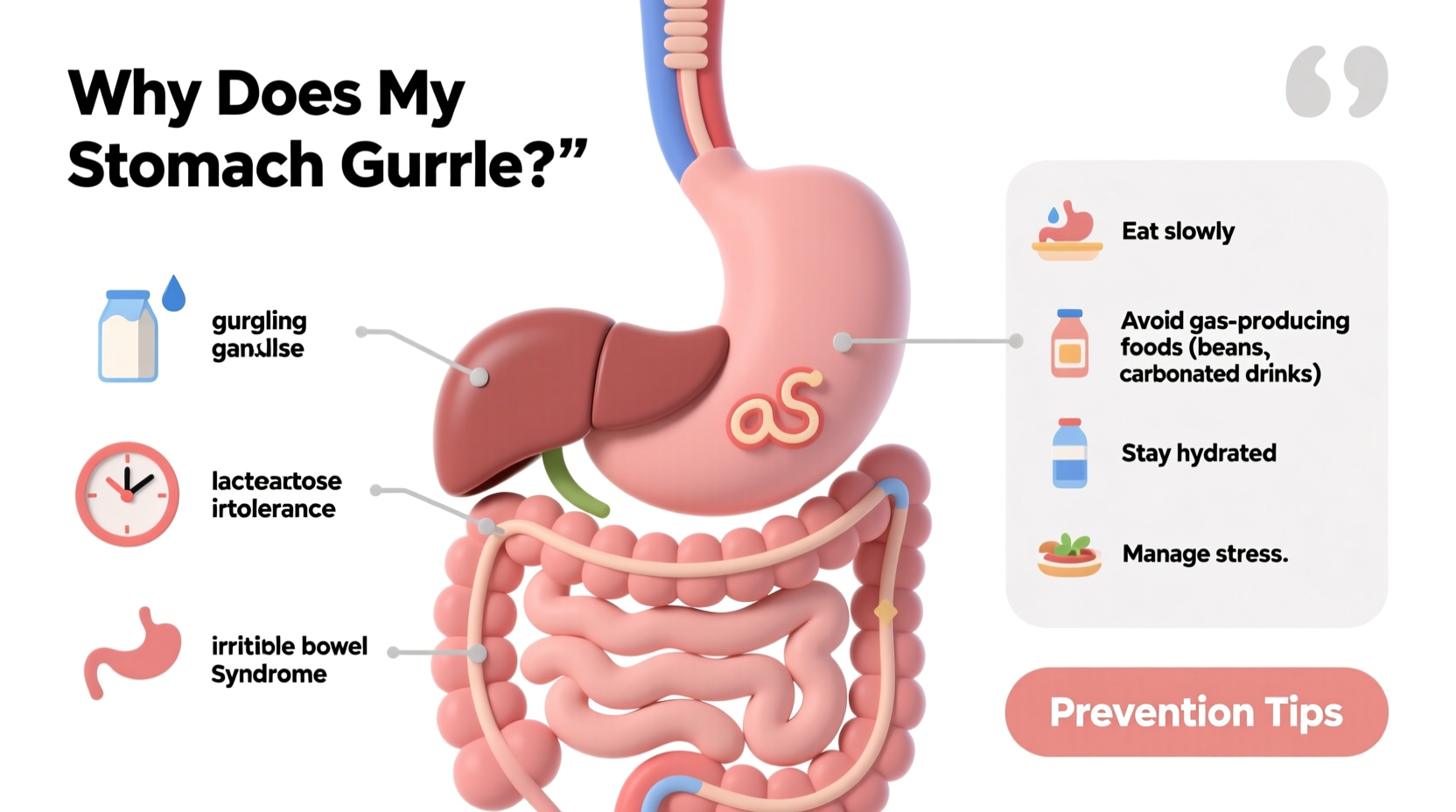
Your digestive tract is a muscular tube stretching from mouth to anus. As food, liquid, and gas travel through it, rhythmic contractions called peristalsis push contents forward. These movements mix gastric juices with food and propel waste downward. When the stomach and small intestine are relatively empty, these contractions become more pronounced, creating audible gurgling or growling sounds.
Borborygmi typically originate in the small intestine, where fluid and air shift during digestion. The hollow structure of the intestines acts like a resonating chamber, amplifying subtle internal motion into noticeable rumbles. While most active during or after eating, these sounds can also occur hours later due to the migrating motor complex (MMC)—a cleaning wave that sweeps residual debris through the gut between meals.
“Gastrointestinal sounds are nearly universal. What matters isn’t their presence, but their pattern, intensity, and accompanying symptoms.” — Dr. Lena Torres, Gastroenterologist, Cleveland Clinic Digestive Institute
Common Causes of Random Stomach Gurgling
Occasional gurgling is expected. But persistent or disruptive noises—especially when paired with bloating, pain, or changes in bowel habits—may point to specific triggers:
- Hunger signals: An empty stomach releases hormones like ghrelin, stimulating contractions that cause growling. This is natural and usually resolves after eating.
- Dietary choices: Carbonated drinks, artificial sweeteners, fatty foods, and high-fiber meals increase gas production and intestinal activity.
- Swallowed air (aerophagia): Chewing gum, drinking through straws, or eating quickly introduces excess air into the digestive system.
- Lactose intolerance: Inability to digest lactose leads to fermentation in the colon, producing gas and noisy digestion.
- Irritable bowel syndrome (IBS): Altered motility and visceral hypersensitivity make IBS patients more aware of normal gut sounds.
- Small intestinal bacterial overgrowth (SIBO): Excess bacteria in the small intestine ferment carbohydrates prematurely, causing loud gurgling, bloating, and diarrhea.
- Gastroenteritis: Viral or bacterial infections inflame the gut lining, increasing motility and noise.
- Motility disorders: Conditions like gastroparesis or chronic intestinal pseudo-obstruction disrupt normal muscle function, leading to erratic sounds.
When to Be Concerned: Red Flags That Require Medical Attention
While most stomach noises are benign, some signs indicate the need for professional evaluation:
- Persistent gurgling lasting several days without relief
- Severe abdominal pain or cramping
- Unintentional weight loss
- Blood in stool
- Frequent diarrhea or constipation lasting over two weeks
- Nausea or vomiting unrelated to meals
- Fever accompanying digestive symptoms
If you experience multiple red flags, consult a healthcare provider. Diagnostic tools such as hydrogen breath tests (for SIBO or lactose intolerance), blood panels, stool analysis, or endoscopy may be recommended to rule out inflammatory bowel disease (IBD), celiac disease, or structural abnormalities.
Effective Prevention Strategies and Lifestyle Adjustments
For most people, modifying daily habits significantly reduces random stomach gurgling. These evidence-based approaches target both frequency and intensity:
Eat Mindfully and Slowly
Rushing meals increases swallowed air and overwhelms the digestive system. Chewing thoroughly initiates enzymatic breakdown and supports smoother transit. Aim for 20 minutes per meal, putting utensils down between bites.
Limit Gas-Producing Foods
Some healthy foods naturally generate more gas. Monitor your tolerance to:
- Beans and lentils
- Cruciferous vegetables (broccoli, cabbage, cauliflower)
- Onions and garlic
- Wheat and rye (sources of fructans)
- Dairy (if lactose intolerant)
- Apples, pears, and mangoes (high in fructose)
A low-FODMAP diet—a temporary elimination plan developed by Monash University researchers—has proven effective in reducing excessive gas and gut noise in individuals with IBS.
Stay Hydrated—but Time It Right
Drinking water throughout the day aids digestion, but consuming large amounts during meals dilutes stomach acid and may slow breakdown. Instead, hydrate between meals, aiming for 6–8 glasses daily unless otherwise advised.
Avoid Carbonation and Artificial Sweeteners
Soda, sparkling water, and sugar-free gum often contain sorbitol, xylitol, or carbon dioxide—all of which contribute to gas buildup. Opt for still water, herbal teas, or diluted fruit juice in moderation.
Manage Stress Levels
The gut-brain axis directly influences digestion. Chronic stress can accelerate or disrupt motility, leading to louder or irregular gurgling. Techniques like diaphragmatic breathing, meditation, and regular physical activity help regulate nervous system input to the digestive tract.
| Do | Don't |
|---|---|
| Eat smaller, balanced meals every 3–4 hours | Go long periods without eating then overeat |
| Chew food thoroughly (20–30 times per bite) | Drink from straws or chew gum frequently |
| Include probiotic-rich foods like yogurt or kefir (if tolerated) | Consume excessive processed or fried foods |
| Practice mindful eating and reduce distractions | Eat while stressed, anxious, or multitasking |
Step-by-Step Guide to Reducing Unwanted Gut Noises
Follow this five-day reset plan to assess and improve digestive comfort:
- Day 1: Baseline Tracking
Record all foods, drinks, stress levels, bowel movements, and episodes of gurgling. Note timing and severity. - Day 2: Eliminate Common Triggers
Remove carbonated beverages, artificial sweeteners, chewing gum, and obvious gas-producing foods. - Day 3: Focus on Eating Habits
Slow down meals, chew thoroughly, and eat in a calm environment. Avoid screens during meals. - Day 4: Introduce Gentle Movement
Take a 10–15 minute walk after each main meal to support natural motility. - Day 5: Review and Adjust
Analyze your log. Identify any recurring patterns. Reintroduce one eliminated food at a time to test tolerance.
Real-Life Example: Managing Post-Lunch Discomfort
Sarah, a 34-year-old office worker, noticed her stomach would rumble loudly about two hours after lunch—even if she wasn’t hungry. Embarrassed during team meetings, she began tracking her intake. She discovered she routinely drank a large iced tea with lemon and stevia, ate a salad with raw broccoli and chickpeas, and chewed sugar-free gum after lunch.
After eliminating the gum and switching to plain water, she replaced broccoli with spinach and swapped chickpeas for grilled chicken. Within three days, the mid-afternoon gurgling stopped. Her case illustrates how seemingly healthy choices—when combined—can overload digestion and amplify normal processes into disruptive symptoms.
Expert-Recommended Checklist for Quieter Digestion
Use this checklist daily for one week to build sustainable habits:
- ✔ Eat slowly and chew completely
- Minimizes air intake and supports efficient digestion.
- ✔ Limit carbonated drinks and artificial sweeteners
- Reduces gas formation in the small intestine.
- ✔ Space meals evenly
- Prevents extreme hunger and MMC-related contractions.
- ✔ Stay upright after eating
- Avoid lying down for at least 2–3 hours post-meal.
- ✔ Manage stress through routine practices
- Yoga, walking, or breathing exercises stabilize gut function.
- ✔ Monitor dairy and high-FODMAP foods
- Temporarily restrict if symptoms persist; reintroduce systematically.
- ✔ Consult a doctor if symptoms continue
- Rule out SIBO, IBS, or other gastrointestinal conditions.
Frequently Asked Questions
Is stomach gurgling a sign of hunger?
Yes, but not always. While hunger-induced contractions (known as phase III of the MMC) commonly cause growling, similar sounds occur during digestion or due to gas movement. If gurgling happens regularly outside hunger cues, consider dietary or functional causes.
Can probiotics help reduce stomach noises?
In some cases, yes. Probiotics may restore microbial balance, particularly in individuals with IBS or antibiotic use history. However, certain strains can initially increase gas. Start with a low dose and choose well-researched formulations like Bifidobacterium infantis 35624 or Lactobacillus GG.
Why does my stomach gurgle when I’m trying to sleep?
Nocturnal gurgling often results from the MMC activating during fasting overnight. If disruptive, avoid late-night snacks and minimize fluid intake close to bedtime. Elevating the head slightly may also reduce perceived sound resonance.
Conclusion: Take Control of Your Digestive Comfort
Random stomach gurgling is rarely dangerous, but it shouldn’t be ignored if it affects your confidence or daily life. By understanding the mechanics of digestion and identifying personal triggers, you gain control over what once seemed unpredictable. Small, consistent changes—like slowing down at meals, adjusting your drink choices, or managing stress—can lead to significant improvements.
Digestive health is deeply individual. What works for one person may not suit another. The key is observation, patience, and willingness to experiment under informed guidance. If simple measures fail, don’t hesitate to seek medical advice. A quiet stomach isn’t the goal—balanced, comfortable digestion is.




 浙公网安备
33010002000092号
浙公网安备
33010002000092号 浙B2-20120091-4
Comments
No comments yet. Why don't you start the discussion?