
Stomach gurgling—technically known as borborygmi—is a natural bodily function caused by the movement of gas and fluids through the intestines. While occasional gurgling is normal, constant or loud rumbling can be embarrassing, uncomfortable, and sometimes a sign of an underlying digestive issue. Many people experience this phenomenon after meals, during fasting periods, or even at night when trying to sleep. Understanding the root causes and knowing how to manage them can significantly improve comfort and confidence in daily life.
The digestive tract is lined with smooth muscles that contract in rhythmic waves, a process called peristalsis, to push food, liquids, and gas along the gastrointestinal (GI) tract. As these substances move, they create audible noises, especially when the stomach and intestines are relatively empty. But persistent gurgling often points to dietary habits, food intolerances, stress, or imbalances in gut bacteria. The good news: most causes are manageable with lifestyle adjustments and targeted interventions.
Common Causes of Constant Stomach Gurgling
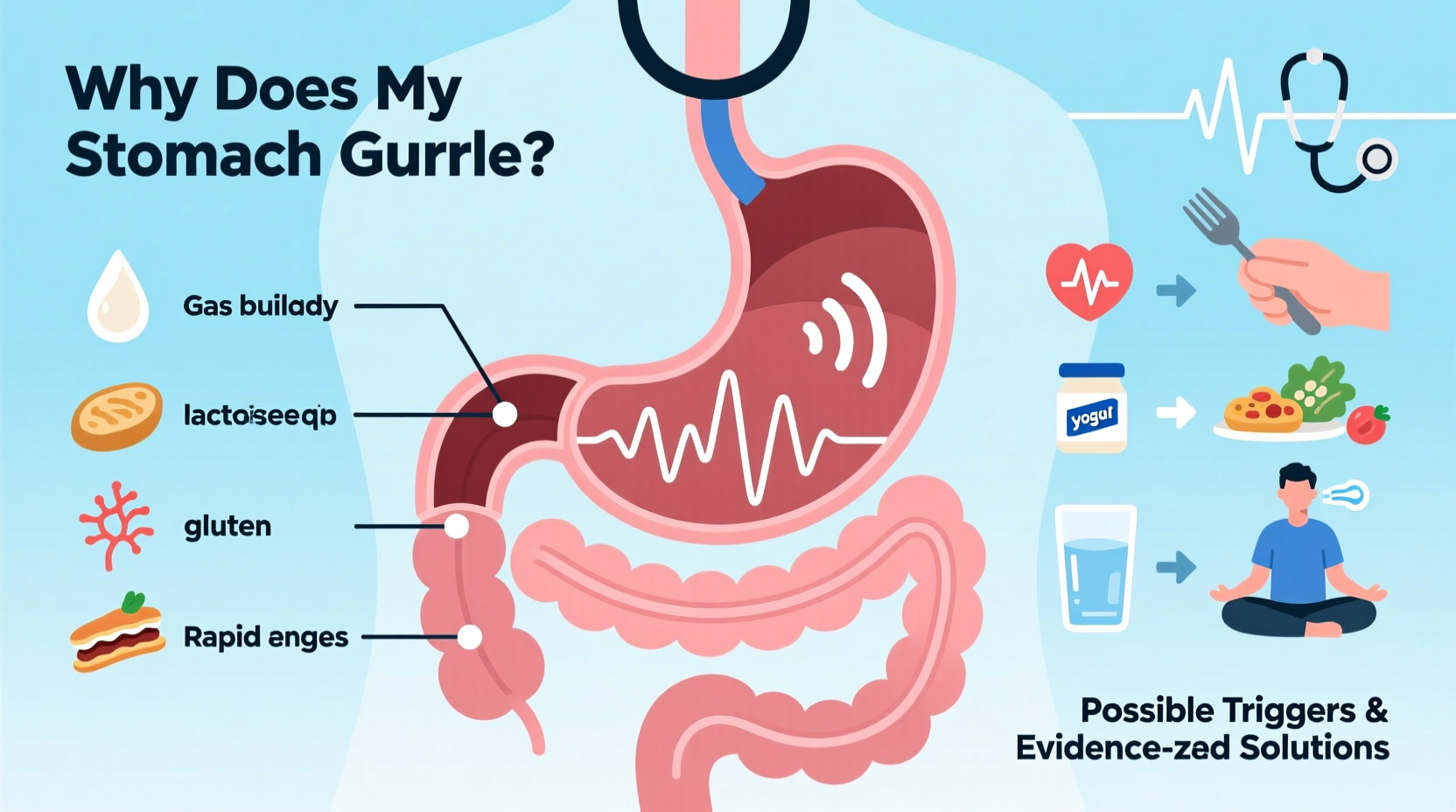
While digestive sounds are a normal part of GI function, constant or unusually loud gurgling may stem from specific triggers. Identifying the cause is the first step toward relief.
- Hunger contractions: When the stomach has been empty for a few hours, it signals the brain to initiate contractions to clear residual contents. These \"housekeeping waves\" (migrating motor complex) can produce loud gurgling sounds, especially noticeable during fasting or skipped meals.
- Dietary choices: Foods high in fermentable carbohydrates (FODMAPs), carbonated beverages, artificial sweeteners, and fatty or spicy foods can increase gas production and intestinal activity, leading to more pronounced noises.
- Swallowed air (aerophagia): Eating too quickly, chewing gum, drinking through straws, or talking while eating introduces excess air into the digestive system, contributing to bloating and gurgling.
- Lactose intolerance: Individuals lacking sufficient lactase enzyme struggle to digest lactose in dairy, resulting in gas, bloating, and increased bowel sounds.
- Irritable bowel syndrome (IBS): IBS alters gut motility and sensitivity. People with IBS often report excessive gurgling, cramping, and changes in bowel habits.
- Small intestinal bacterial overgrowth (SIBO): An abnormal increase in bacteria in the small intestine ferments food prematurely, producing gas and erratic motility, both of which amplify intestinal noise.
- Medications and supplements: Some antibiotics, laxatives, magnesium supplements, and certain diabetes drugs can stimulate bowel activity and alter gut flora.
Foods That Trigger Excessive Gurgling
Certain foods are more likely to stimulate digestive activity and gas production. While individual tolerances vary, the following categories commonly contribute to noisy digestion:
- High-FODMAP foods: Fermentable oligosaccharides, disaccharides, monosaccharides, and polyols are poorly absorbed in some individuals. Examples include onions, garlic, beans, lentils, apples, pears, wheat, and honey.
- Carbonated drinks: Sodas, sparkling water, and beer introduce carbon dioxide into the GI tract, increasing gas volume and pressure.
- Artificial sweeteners: Sorbitol, mannitol, and xylitol (common in sugar-free gum and candies) are osmotically active and fermented by gut bacteria, causing gas and diarrhea.
- Fatty and fried foods: High-fat meals slow gastric emptying and stimulate prolonged intestinal contractions, increasing the duration and intensity of digestive sounds.
- Dairy products: For those with lactose intolerance, milk, ice cream, and soft cheeses can trigger rapid fermentation and gurgling within 30–120 minutes of consumption.
“Many patients come in concerned about stomach noises, only to discover their symptoms align closely with dietary triggers like lactose or FODMAPs. Simple elimination trials often bring dramatic improvement.” — Dr. Lena Patel, Gastroenterology Specialist
When Gurgling Signals a Health Concern
While most stomach gurgling is benign, persistent or severe symptoms combined with other red flags warrant medical evaluation. These signs may indicate conditions such as IBS, inflammatory bowel disease (IBD), celiac disease, or SIBO.
| Symptom Pattern | Possible Cause | Recommended Action |
|---|---|---|
| Gurgling + bloating, diarrhea, constipation | Irritable Bowel Syndrome (IBS) | Try low-FODMAP diet; consult gastroenterologist |
| Gurgling after dairy + gas, loose stools | Lactose intolerance | Eliminate dairy temporarily; consider lactase supplement |
| Constant gurgling + weight loss, fatigue | Celiac disease or IBD | Blood test for antibodies; endoscopy if needed |
| Noises + early satiety, nausea | Small Intestinal Bacterial Overgrowth (SIBO) | Hydrogen breath test; antibiotic or herbal treatment |
| Gurgling during fasting only | Normal migrating motor complex | No action needed unless disruptive |
If gurgling is accompanied by unexplained weight loss, blood in stool, severe abdominal pain, or fever, seek prompt medical attention. These are not typical of routine digestive noise and may require diagnostic testing such as breath tests, blood work, or imaging.
Practical Solutions to Reduce Stomach Gurgling
Most cases of constant stomach gurgling can be managed effectively through dietary and behavioral changes. The key is consistency and personalization—what works for one person may not suit another.
Step-by-Step Guide to Calmer Digestion
- Track your intake and symptoms: Use a notebook or app to log everything you eat and drink, along with timing and severity of gurgling. Note stress levels, sleep quality, and bowel movements.
- Eliminate common triggers: Remove one potential culprit at a time—start with carbonated drinks, then artificial sweeteners, followed by high-FODMAP foods or dairy.
- Eat slowly and chew thoroughly: Aim for 20–30 chews per bite. This reduces swallowed air and improves digestion by mixing food with saliva enzymes.
- Space meals evenly: Eat every 3–4 hours to prevent extreme hunger and the associated housekeeping contractions.
- Stay hydrated—but wisely: Drink water between meals rather than during to avoid diluting stomach acid and distending the stomach.
- Manage stress: Practice diaphragmatic breathing, meditation, or gentle yoga. Chronic stress disrupts gut-brain communication and motility.
- Consider probiotics: Strains like Bifidobacterium infantis and Lactobacillus plantarum may help balance gut flora and reduce gas production.
Checklist: Daily Habits to Minimize Gurgling
- ✅ Eat meals at consistent times each day
- ✅ Chew food thoroughly (no multitasking while eating)
- ✅ Avoid carbonated beverages and straws
- ✅ Limit high-FODMAP and fatty foods
- ✅ Drink water between meals, not during
- ✅ Take a short walk after eating to aid digestion
- ✅ Practice relaxation techniques daily
Real-Life Example: Managing Post-Meal Gurgling
Sarah, a 34-year-old office worker, struggled with loud stomach noises during meetings, particularly in the late morning and afternoon. Embarrassed and self-conscious, she began tracking her diet and noticed a pattern: gurgling intensified after her usual breakfast of yogurt with granola and banana, and worsened after drinking diet soda at lunch.
After eliminating dairy and carbonation for two weeks, her symptoms decreased significantly. A trial of lactase enzyme tablets confirmed lactose intolerance. She switched to lactose-free yogurt and unsweetened herbal tea, and introduced smaller, more frequent meals. Within three weeks, her digestive noises became infrequent and quiet. Sarah now manages her condition with mindful eating and informed choices, regaining confidence at work.
Frequently Asked Questions
Is constant stomach gurgling a sign of a serious illness?
Not usually. Most gurgling is due to normal digestion or dietary factors. However, if it’s accompanied by weight loss, persistent pain, or changes in bowel habits, it’s wise to consult a healthcare provider to rule out conditions like IBS, celiac disease, or SIBO.
Can anxiety cause stomach noises?
Yes. Stress activates the sympathetic nervous system, which can speed up or disrupt digestive motility. This may lead to increased gurgling, cramping, or diarrhea. Mind-body practices like deep breathing and mindfulness can help regulate gut function.
Why does my stomach gurgle at night when I’m trying to sleep?
Nighttime gurgling often occurs during the migrating motor complex—a natural cleansing wave that moves through the intestines during fasting. If you haven’t eaten for several hours, these contractions can be loud. A small, easily digestible snack (like a banana or rice cake) before bed may reduce the intensity.
Conclusion: Taking Control of Your Digestive Comfort
Constant stomach gurgling is more common than many realize, and in most cases, it’s manageable without medication. By understanding the triggers—whether dietary, behavioral, or physiological—you can make informed choices that support quieter, more comfortable digestion. Small changes like slowing down while eating, adjusting your diet, and managing stress can yield significant improvements.
Your digestive system communicates through signals, and gurgling is one of them. Instead of ignoring or being embarrassed by it, use it as feedback to refine your daily habits. With patience and observation, you can restore balance and reduce disruptive noises for good.




 浙公网安备
33010002000092号
浙公网安备
33010002000092号 浙B2-20120091-4
Comments
No comments yet. Why don't you start the discussion?