
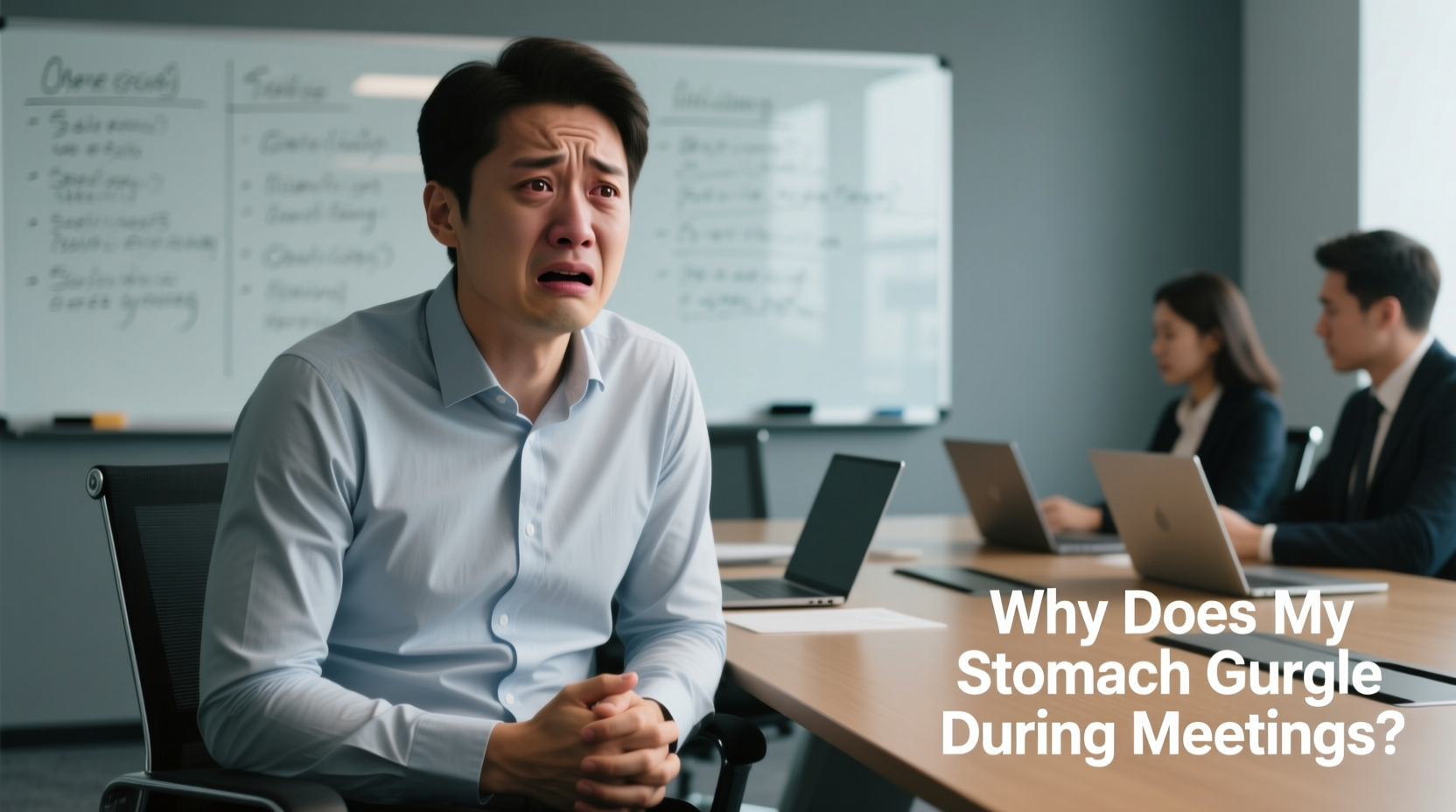
It starts with a quiet rumble. Then another. Suddenly, in the middle of a tense quarterly review or a silent brainstorming session, your stomach erupts into a symphony of loud, unmistakable gurgling. You glance around, hoping no one noticed. But you know they did. Digestive noises are natural, yet when they occur at inopportune moments—especially during professional settings—they can feel mortifying. The good news? These sounds are not only normal but often preventable with the right understanding and habits.
This article explores the physiological causes behind loud stomach gurgling, identifies common triggers exacerbated by modern work routines, and provides actionable, evidence-based solutions to help you regain control—without resorting to extreme diets or unnecessary supplements.
The Science Behind Stomach Gurgling
Medically known as borborygmi (pronounced bor-boh-RIG-mee), stomach gurgling refers to the series of rumbling or growling noises produced by the movement of gas and fluid through the intestines. These sounds originate from the muscular contractions of the gastrointestinal tract, a process called peristalsis, which pushes food, liquid, and air along the digestive system.
While most noticeable when the stomach is empty, these noises can occur at any time. The small intestine, not the stomach itself, is often the primary source of loud gurgling. When digestion is active, the combination of churning contents, swallowed air, and gas from bacterial fermentation in the colon creates audible vibrations—especially if there’s little food to muffle the sound.
“Digestive sounds are a sign of a healthy, functioning gut. The issue isn’t the noise itself, but the timing and intensity.” — Dr. Lena Torres, Gastroenterologist at Boston Digestive Health Institute
In fact, completely silent digestion could indicate slowed motility or even obstruction—both serious conditions. So while loud gurgling may be socially awkward, it’s usually a benign indication that your digestive system is doing its job.
Why Meetings Make It Worse: Stress, Posture, and Timing
Meetings often coincide with peak times for digestive activity—and stress amplifies the problem. Consider the typical office rhythm: breakfast at 8 a.m., a mid-morning meeting at 10:30 a.m., and lunch not until noon. By the time you sit down for that strategy call, your stomach has been signaling hunger for over an hour. An empty stomach means less material to dampen intestinal contractions, making gurgling more pronounced.
But timing isn’t the only culprit. Psychological stress plays a major role. The gut and brain are deeply connected via the gut-brain axis. When you're anxious about speaking up in a meeting or under pressure to perform, your nervous system activates the \"fight-or-flight\" response. This diverts blood flow away from digestion and alters gut motility, sometimes accelerating contractions and increasing the volume of digestive sounds.
Poor posture also contributes. Slouching in a conference chair compresses the abdomen, potentially trapping gas and distorting the natural flow of intestinal movement. This physical restriction can amplify internal noises, making them louder and more frequent.
Common Dietary Triggers That Amplify Gurgling
Diet is the most controllable factor influencing digestive noise. Certain foods and eating behaviors significantly increase gas production and intestinal activity. Below are the most frequent dietary offenders:
- Carbonated beverages: Sodas, sparkling water, and kombucha introduce excess air into the digestive tract, leading to bloating and amplified gurgling.
- High-FODMAP foods: Fermentable carbohydrates found in onions, garlic, beans, apples, and wheat feed gut bacteria, producing gas as a byproduct.
- Sugar alcohols: Found in sugar-free gum and candies (e.g., sorbitol, xylitol), these are poorly absorbed and cause gas and diarrhea in sensitive individuals.
- Caffeine: While helpful for alertness, coffee and energy drinks stimulate colonic motility, speeding up digestion and increasing the likelihood of audible contractions.
- Eating too quickly: Rapid eating leads to swallowing air (aerophagia), which travels into the intestines and contributes to noisy digestion.
A 2022 study published in the Journal of Clinical Gastroenterology found that participants who consumed high-FODMAP breakfasts reported a 67% increase in mid-morning digestive noises compared to those on low-FODMAP meals.
Do’s and Don’ts: Managing Diet for Quieter Digestion
| Do | Don't |
|---|---|
| Eat balanced meals with protein, fiber, and healthy fats to sustain energy and digestion | Consume large amounts of raw vegetables or legumes before important meetings |
| Drink water steadily throughout the day instead of gulping large amounts at once | Swallow carbonated drinks or chew gum right before a meeting |
| Choose low-FODMAP snacks like rice cakes, bananas, or hard-boiled eggs | Eat in a distracted or rushed state (e.g., while checking emails) |
| Wait 30–60 minutes after eating before engaging in high-focus or high-stress tasks | Fast for long periods then eat a heavy meal immediately before a presentation |
Step-by-Step Guide to Reducing Meeting-Time Gurgling
Managing digestive noise isn’t about eliminating all gut sounds—it’s about minimizing disruptive episodes during critical moments. Follow this five-step plan to stay composed and confident in professional settings:
- Adjust Your Meal Schedule: Eat a substantial breakfast at least 90 minutes before your first meeting. Include protein (e.g., eggs, Greek yogurt) and complex carbs (oatmeal, whole grain toast) to provide steady fuel without triggering rapid digestion.
- Limit Gas-Producing Foods Before Key Hours: Avoid beans, cruciferous vegetables (broccoli, cabbage), onions, and carbonated drinks in the 3–4 hours preceding important meetings.
- Practice Mindful Eating: Chew each bite slowly (aim for 20–30 chews per mouthful). This reduces swallowed air and improves digestion efficiency.
- Use Breathing Techniques to Reduce Stress: Engage in diaphragmatic breathing for 2–3 minutes before entering a meeting. Inhale deeply through the nose for four counts, hold for four, exhale slowly for six. This calms the nervous system and reduces gut hyperactivity.
- Carry a Quiet Snack: Keep a small, low-gas snack (like a rice cake with almond butter or a banana) in your desk. If you feel rumbling start, discreetly excuse yourself for a quick bite to stabilize digestion.
Real-Life Example: How Sarah Reduced Her Mid-Morning Embarrassment
Sarah, a project manager at a tech firm in Seattle, dreaded her weekly team syncs every Tuesday at 10:30 a.m. “Every other week, my stomach would start growling like a bear,” she recalls. “Once, someone actually asked if I needed to eat. I was humiliated.”
After tracking her habits, Sarah realized she was skipping breakfast to get extra work done and surviving on black coffee and an apple by 9 a.m. By 10:30, her stomach was empty, and stress from presenting updates intensified the gurgling.
She implemented a simple routine: a scrambled egg with spinach and toast at 8:15 a.m., followed by herbal tea instead of a second coffee. She also began practicing two minutes of deep breathing before the meeting. Within three weeks, the loud noises stopped. “I still hear the occasional rumble,” she says, “but nothing loud enough to distract anyone. My confidence is back.”
Expert-Backed Long-Term Strategies
For individuals prone to chronic digestive noise, especially when accompanied by bloating or discomfort, long-term gut health optimization is key. Experts recommend the following approaches:
- Consider a low-FODMAP trial: Under the guidance of a dietitian, eliminate high-FODMAP foods for 4–6 weeks, then reintroduce them systematically to identify personal triggers.
- Support gut microbiome balance: Probiotic-rich foods like kefir, sauerkraut, and kimchi may help regulate fermentation and reduce excessive gas production.
- Stay hydrated: Dehydration slows digestion and can lead to irregular motility, increasing the chance of sudden, loud contractions.
- Exercise regularly: Even light walking after meals promotes consistent peristalsis and prevents gas buildup.
“Many patients come to me worried about stomach noises, but the real issue is often erratic eating patterns and stress. Fixing those usually resolves the symptom.” — Dr. Rajiv Mehta, Functional Medicine Specialist
Frequently Asked Questions
Is loud stomach gurgling a sign of a medical problem?
Occasional loud gurgling is normal. However, if it's accompanied by persistent pain, diarrhea, constipation, weight loss, or nausea, it could indicate conditions like irritable bowel syndrome (IBS), small intestinal bacterial overgrowth (SIBO), or gastroparesis. Consult a healthcare provider if symptoms interfere with daily life.
Can probiotics stop my stomach from gurgling?
Probiotics may help if imbalanced gut bacteria are contributing to excessive gas and irregular motility. However, some strains can initially increase bloating and noise. Choose well-researched strains like Lactobacillus rhamnosus or Bifidobacterium lactis, and introduce them gradually.
Why does my stomach gurgle even when I'm not hungry?
Digestive sounds occur throughout the digestive cycle, not just during hunger. The migrating motor complex (MMC)—a cleansing wave that moves through the intestines between meals—can produce loud contractions every 90–120 minutes, especially when the gut is relatively empty.
Checklist: Prevent Noisy Digestion in Professional Settings
- ☑ Eat a balanced breakfast at least 90 minutes before morning meetings
- ☑ Avoid carbonated drinks and chewing gum before important calls
- ☑ Practice slow, mindful eating to reduce swallowed air
- ☑ Use deep breathing to manage pre-meeting anxiety
- ☑ Keep a low-FODMAP snack on hand for emergencies
- ☑ Maintain regular meal intervals to prevent extreme hunger
- ☑ Stay hydrated with non-carbonated fluids throughout the day
- ☑ Evaluate recurring issues with a doctor or registered dietitian if lifestyle changes don’t help
Conclusion: Take Control Without Shame
Your stomach gurgling during meetings isn’t a flaw—it’s a biological signal influenced by timing, diet, and stress. With thoughtful adjustments to your routine, you can significantly reduce disruptive noises and approach professional interactions with greater confidence. Remember, everyone experiences digestive sounds; what sets you apart is your proactive approach to managing them.




 浙公网安备
33010002000092号
浙公网安备
33010002000092号 浙B2-20120091-4
Comments
No comments yet. Why don't you start the discussion?