
Sitting in a quiet conference room, laser-focused on the quarterly report, when suddenly—gurgle, growl, rumble. Your stomach announces itself without permission. You glance around, hoping no one noticed. But chances are, they did. Stomach noises during meetings are more common than people admit, yet they can feel deeply embarrassing, especially in high-stakes or formal environments.
These sounds aren’t just random quirks of digestion—they’re signals from your gastrointestinal system responding to food, stress, and timing. Understanding why they happen is the first step toward managing them. More importantly, knowing how to prevent or minimize these noises can help you maintain confidence and composure, even during silent Zoom calls or boardroom presentations.
The Science Behind Stomach Noises
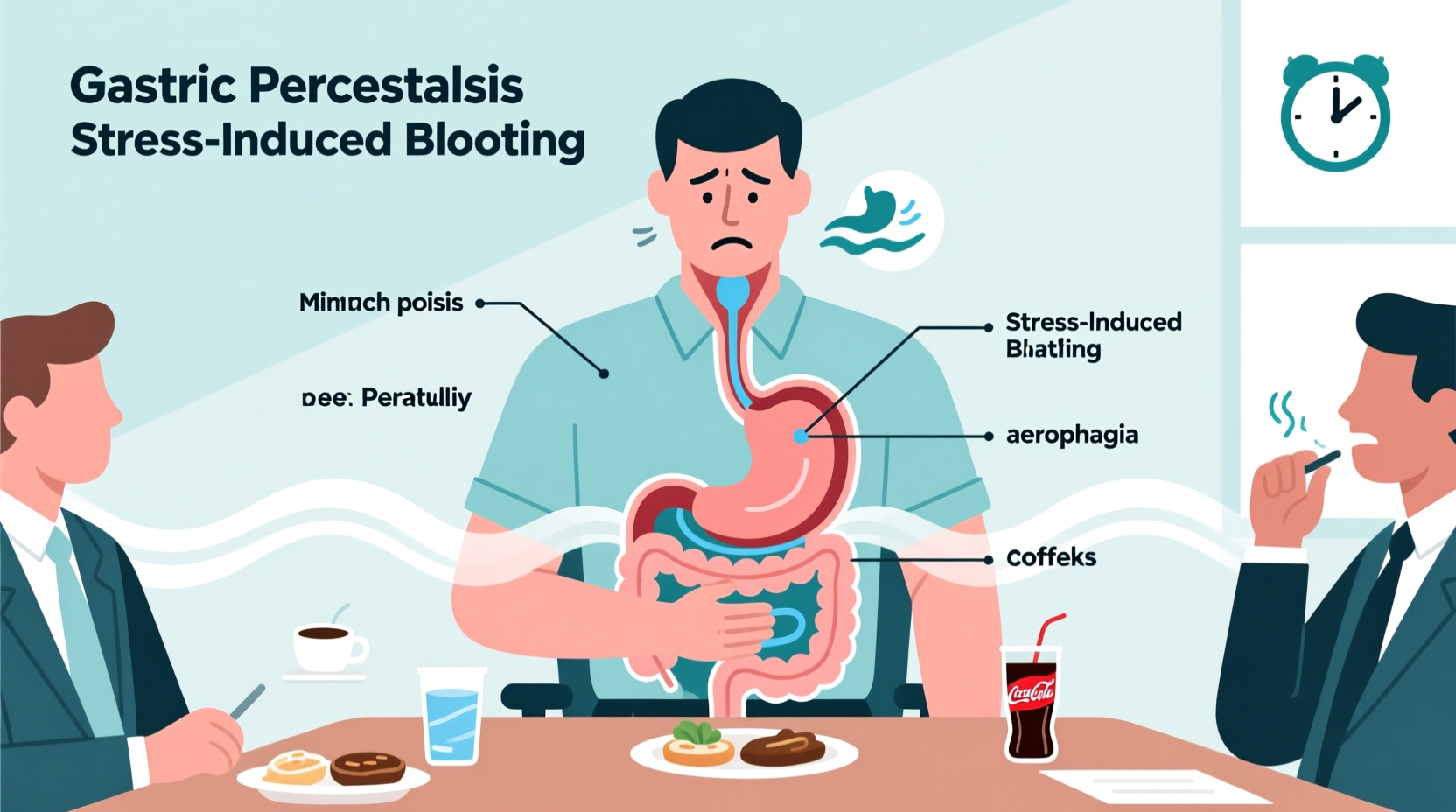
The medical term for stomach noises is borborygmi, which refers to the rumbling or gurgling sounds produced by the movement of gas and fluid through the intestines. These noises occur as part of normal digestive activity. The walls of your gastrointestinal tract contract in rhythmic waves—a process called peristalsis—to push food, air, and digestive juices along the digestive pathway.
When your stomach and intestines are relatively empty, such as between meals or early in the morning, contractions can amplify the sound of moving gas and liquid. This is because there’s less material to muffle the noise. In fact, the loudest stomach sounds often happen when you're hungry, not right after eating.
Dr. Lena Patel, a gastroenterologist at Boston Digestive Health Institute, explains:
“The digestive tract is never truly silent. Even at rest, it’s actively preparing for the next meal. When you're in a quiet environment like a meeting, those baseline sounds become more noticeable—not because they’ve increased in volume, but because ambient noise has decreased.”
Common Triggers of Noisy Digestion in Work Settings
Several factors unique to office life and professional routines contribute to increased stomach noises. Recognizing these triggers allows you to anticipate and adjust accordingly.
1. Eating Too Close to a Meeting
Consuming a meal or snack within 30–60 minutes before a meeting jumpstarts digestion. As enzymes break down food and muscles contract, the resulting movement generates audible sounds. High-fiber foods, carbonated drinks, or large portions worsen this effect.
2. Stress and Nervousness
Anxiety activates the “fight-or-flight” response, which diverts blood flow from the digestive system and alters gut motility. Paradoxically, this can cause irregular contractions that lead to louder or more frequent noises. Public speaking, performance reviews, or high-pressure negotiations often trigger this reaction.
3. Skipping Meals or Prolonged Fasting
When you skip breakfast or delay lunch, your stomach releases hormones like ghrelin to signal hunger. This prompts strong contractions known as migrating motor complex (MMC) waves, designed to sweep residual particles through the intestines. These cleansing contractions are particularly noisy when the gut is empty.
4. Swallowing Air (Aerophagia)
Drinking from straws, chewing gum, talking while eating, or even rapid breathing due to stress can cause excess air intake. That air travels through the digestive tract and contributes to bloating and gurgling sounds.
5. Sensitive Gut Reactivity (e.g., IBS)
People with irritable bowel syndrome (IBS) or functional gut disorders often experience heightened intestinal sensitivity and motility. Their digestive systems react more dramatically to stress, certain foods, or routine changes—making stomach noises more frequent and pronounced.
Do’s and Don’ts: Managing Digestive Sounds at Work
| Do | Avoid |
|---|---|
| Eat balanced meals 2–3 hours before important meetings | Eating heavy, greasy, or gas-producing foods right before a presentation |
| Stay hydrated with still water throughout the day | Drinking soda, sparkling water, or energy drinks before meetings |
| Chew food slowly and mindfully | Rushing meals at your desk while multitasking |
| Carry a small, low-FODMAP snack (like rice cakes or bananas) if prone to hunger | Skipping meals to “save calories” or stay focused |
| Use discreet techniques like crossing legs or placing a notebook on your lap to muffle sound | Panic or draw attention to the noise by reacting visibly |
Step-by-Step Guide to Minimizing Mid-Meeting Rumbles
Preventing disruptive stomach noises isn’t about suppressing natural bodily functions—it’s about aligning your habits with your work schedule. Follow this five-step plan to reduce the likelihood of audible digestion during critical moments.
- Plan Your Meal Timing: Schedule larger meals at least 2–3 hours before any scheduled meeting. This allows peak digestion to occur before you enter a quiet setting.
- Choose Low-Gas Foods: Opt for easily digestible options like lean proteins, cooked vegetables, white rice, or toast. Avoid beans, cruciferous vegetables, onions, and dairy if lactose intolerant.
- Limit Carbonation and Artificial Sweeteners: Diet sodas and sugar-free gums contain sorbitol and other polyols that ferment in the colon, producing gas and increasing noise risk.
- Practice Diaphragmatic Breathing: If you feel nervous before a meeting, spend 3–5 minutes doing slow, deep breaths. Inhale for four counts, hold for four, exhale for six. This calms the vagus nerve, which regulates digestion.
- Keep Emergency Snacks Handy: A small apple, banana, or handful of oats can gently activate digestion and stop hunger-induced contractions without overloading your system.
Real-Life Scenario: How One Executive Reduced Embarrassing Noises
Mark T., a senior project manager in Chicago, used to dread client-facing calls. “I’d have a salad at my desk, hop on a Zoom call, and within minutes, my stomach would start growling like a bear,” he recalls. After three consecutive incidents where clients asked if he was eating, Mark consulted a nutritionist.
He discovered two key issues: eating too quickly (averaging 7 minutes per meal), and consuming a daily kombucha—an unintended source of gas and fermentation. By switching to still water, slowing down his meals, and rescheduling lunch to earlier in the day, Mark reduced disruptive noises by over 80% within two weeks. “Now I prep like it’s part of my presentation,” he says. “Silence is part of professionalism.”
Expert-Backed Fixes and Long-Term Strategies
While quick fixes help in the moment, long-term digestive wellness reduces the frequency and intensity of stomach noises overall.
- Mindful Eating: Pay attention to chewing, flavor, and satiety cues. Eating slowly reduces air swallowing and improves digestion efficiency.
- Probiotics and Gut Health: Regular intake of probiotic-rich foods (like yogurt, kefir, or fermented vegetables) may improve gut microbiome balance, leading to smoother digestion and fewer spasmodic contractions.
- Consistent Meal Schedule: Irregular eating confuses your gut’s internal clock. Aim to eat meals at roughly the same times each day to regulate digestive rhythms.
- Hydration Without Gas: Drink plenty of water, but avoid gulping it down. Sipping steadily prevents aerophagia and supports enzyme function.
“Digestive harmony starts with routine. When your body knows when to expect food, it doesn’t have to ‘search’ aggressively—and that means fewer loud contractions.” — Dr. Alan Zhou, Functional Medicine Specialist
Frequently Asked Questions
Are stomach noises a sign of poor health?
Not usually. Occasional borborygmi are normal and indicate an active digestive system. However, if noises are accompanied by pain, bloating, diarrhea, or weight loss, consult a healthcare provider to rule out conditions like IBS, SIBO, or food intolerances.
Can medications cause noisier digestion?
Yes. Some drugs, including certain antibiotics, laxatives, and diabetes medications (like metformin), can alter gut motility or bacterial balance, leading to increased gas and sounds. Always review side effects with your pharmacist.
What should I do if my stomach starts making noise during a meeting?
Stay calm. Most people will assume it came from somewhere else or attribute it to general background noise. Avoid drawing attention by laughing nervously or apologizing. Instead, subtly shift position, take a sip of water, or continue speaking confidently. The moment will pass.
Checklist: Prepare for a Quiet, Confident Meeting Day
- ✅ Eat a balanced breakfast at least 2 hours before your first meeting
- ✅ Avoid carbonated beverages and chewing gum today
- ✅ Pack a quiet, low-gas snack (e.g., banana, rice cake, hard-boiled egg)
- ✅ Practice 5 minutes of deep breathing before high-pressure sessions
- ✅ Review your recent meals for potential trigger foods
- ✅ Position yourself slightly away from sensitive microphones in virtual meetings
- ✅ Normalize the experience—everyone deals with this at some point
Conclusion: Take Control Without Shame
Your stomach makes noise because it’s doing its job. Digestion is a dynamic, living process—not something meant to operate in silence. While it’s understandable to want to minimize disruptions in professional environments, the goal isn’t elimination, but management.
By adjusting your eating habits, reducing stress responses, and understanding your body’s rhythms, you can significantly reduce the frequency and embarrassment of mid-meeting rumbles. Remember: everyone experiences this. The difference lies in preparation and perspective.




 浙公网安备
33010002000092号
浙公网安备
33010002000092号 浙B2-20120091-4
Comments
No comments yet. Why don't you start the discussion?