
Sweaters are wardrobe staples—cozy, stylish, and perfect for colder months. But nothing ruins the look of a favorite knit faster than a surface covered in tiny fabric balls, commonly known as \"pills.\" If your sweater starts pilling after only a few wears or washes, you're not alone. This frustrating issue affects nearly every knitted garment at some point. The good news? Pilling isn’t always a sign of poor quality, and more importantly, it’s largely preventable with the right care.
Pilling occurs when fibers break, tangle, and form small knots on the fabric surface. While it may seem like a flaw, it's actually a natural result of friction and wear. Understanding why it happens—and how to stop it—is key to keeping your sweaters looking fresh, soft, and new for seasons to come.
The Science Behind Sweater Pilling
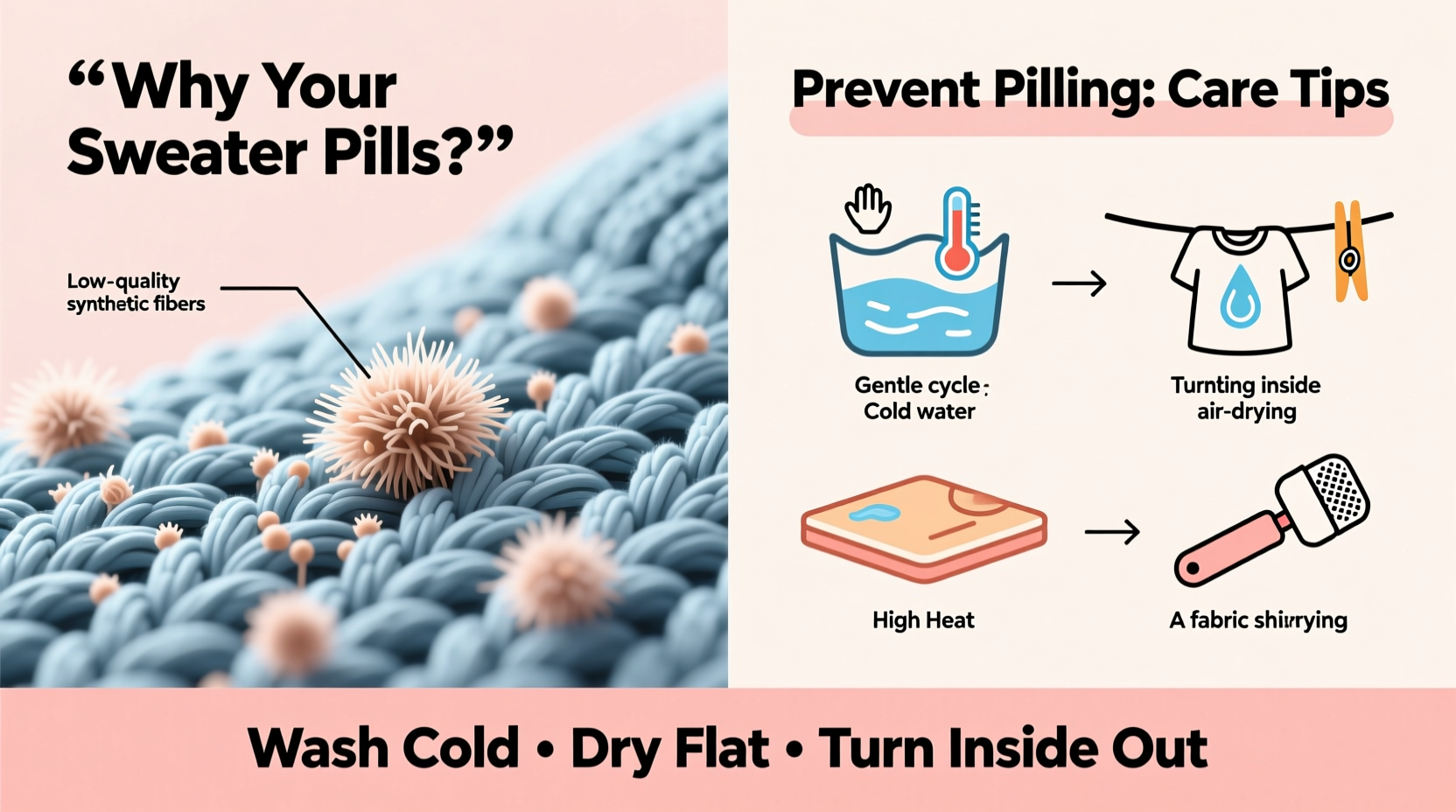
Pilling is caused by abrasion. When fabric rubs against itself, other clothing, or surfaces (like chair backs or seatbelts), fibers weaken and break. These broken fibers then migrate to the surface, where they twist into tiny balls due to continued friction. This process is accelerated by certain materials, knitting techniques, and laundering practices.
Fabrics made from shorter staple fibers—such as cotton, wool, or lower-grade acrylic—are more prone to pilling because their fibers are less tightly bound. Even high-quality natural fibers like merino wool can pill under repeated stress. Knit structures also play a role: looser weaves expose more fiber ends, increasing the likelihood of pilling compared to tightly woven fabrics.
It’s important to note that pilling doesn’t mean your sweater is defective. In fact, many premium brands still experience minor pilling over time. What matters most is how you manage it and what steps you take to minimize it from the start.
“Pilling is inevitable with wear, but improper care can accelerate it tenfold. Gentle handling and smart laundering make all the difference.” — Lydia Chen, Textile Care Specialist, Royal Garment Preservation Lab
Common Causes of Early Pilling
While some degree of pilling is normal, rapid deterioration after only a few washes usually points to specific avoidable factors. Here are the most common culprits:
- Aggressive washing cycles: Top-loading machines with central agitators create intense friction, pulling and twisting garments unnaturally.
- High heat drying: Tumbling at high temperatures weakens fibers and causes them to break more easily.
- Mixing fabrics: Washing sweaters with jeans, zippers, or rough textiles increases abrasion.
- Poor fiber quality: Blends with short synthetic fibers (especially low-grade polyester or acrylic) pill faster than long-staple natural fibers.
- Over-washing: Frequent cleaning strips natural oils from wool and stresses delicate knits unnecessarily.
How Fabric Type Influences Pilling
Not all sweaters are created equal. The material significantly impacts how quickly and severely pilling occurs. Below is a breakdown of common sweater fabrics and their pilling tendencies:
| Fabric Type | Pilling Risk | Why It Pills | Durability Tips |
|---|---|---|---|
| Cotton | Medium-High | Short fibers loosen easily; common in brushed cotton knits. | Wash inside out, avoid dryer, use cold water. |
| Wool (Merino, Lambswool) | Low-Medium | Natural fiber strength resists pilling, but friction still causes minor balls. | Hand wash, lay flat to dry, store folded. |
| Acrylic | High | Synthetic fibers are brittle and prone to breaking and tangling. | Avoid heat, wash separately, limit machine drying. |
| Alpaca | Low | Long, smooth fibers resist fuzzing; luxurious but delicate. | Never wring, use mild detergent, air dry. |
| Blends (e.g., Wool-Acrylic) | Medium-High | Combines natural warmth with synthetic weakness—acrylic often pills first. | Treat like synthetics: gentle cycle, cool temps. |
Understanding your sweater’s composition helps tailor your care routine. Always check the garment label before washing. If it says “hand wash only” or “lay flat to dry,” follow those instructions closely—even if the fabric seems durable.
Step-by-Step Guide to Washing Sweaters Without Pilling
Proper laundering is the single most effective way to reduce pilling. Follow this detailed process to protect your knits every time you wash:
- Check the care label. Look for washing symbols and fiber content. Never assume a sweater is machine-safe.
- Turn the sweater inside out. This protects the outer surface from direct friction during washing.
- Use a mesh laundry bag. Place the sweater in a zippered mesh bag to minimize contact with other clothes and machine parts.
- Select a gentle cycle. Use cold water and the “delicate” or “hand wash” setting on your machine. If possible, opt for a front-loader without an agitator.
- Use a mild detergent. Choose a formula designed for delicates or wool (e.g., Woolite). Avoid bleach and enzymes that degrade fibers.
- Air dry flat. Never hang a wet sweater—it will stretch out of shape. Lay it on a clean towel or drying rack away from direct sunlight or heat sources.
- Brush lightly after drying. Once fully dry, use a fabric shaver or soft sweater stone to remove any early pills gently.
Real Example: From Fuzzy to Flawless
Emily, a graphic designer from Portland, bought a cream-colored merino wool sweater she loved for its softness and fit. Within three weeks, it developed noticeable pills on the sleeves and sides. Frustrated, she almost donated it—until she learned about proper care.
She started turning the sweater inside out before washing, using a mesh bag, and switching to cold, delicate cycles. She stopped using the dryer entirely and began laying it flat on a mesh rack. After two months, she used a battery-powered fabric shaver to remove existing pills. The sweater looked nearly new again. More importantly, no new pills formed over the next six months.
“I thought I’d just bought a low-quality sweater,” Emily said. “But it was my washing habits that were the problem. Now I treat all my knits this way—and they last so much longer.”
Prevention Checklist: Stop Pilling Before It Starts
To keep your sweaters looking pristine, follow this actionable checklist every time you wear or wash them:
- ✅ Turn sweaters inside out before washing
- ✅ Use a mesh laundry bag for machine washing
- ✅ Wash in cold water on delicate cycle
- ✅ Avoid washing with jeans, towels, or items with zippers
- ✅ Never put sweaters in the dryer—air dry flat only
- ✅ Store folded, not hung, to prevent stretching
- ✅ Brush occasionally with a sweater comb or fabric shaver
- ✅ Spot clean minor stains instead of full washes
- ✅ Rotate sweaters to reduce wear on single pieces
- ✅ Keep sharp jewelry or bags away from delicate knits
Do’s and Don’ts of Sweater Care
| Do’s | Don’ts |
|---|---|
| Wash only when necessary (odor, visible stains) | Wash after every wear |
| Use wool-specific or mild detergents | Use regular laundry detergent with enzymes |
| Lay flat to dry on a clean surface | Hang wet sweaters to dry |
| Store folded in a drawer or on a shelf | Hang sweaters long-term (causes shoulder bumps) |
| Remove pills early with a fabric shaver | Ignore pills—they’ll grow and spread |
| Repair small holes or loose threads immediately | Wait until damage worsens |
Consistency is key. A single aggressive wash won’t destroy a sweater, but repeated misuse will shorten its life dramatically. Small habits compound over time—both for better and worse.
Frequently Asked Questions
Can I stop pilling completely?
No fabric is 100% pill-proof, especially knits. However, high-quality long-fiber materials like fine merino wool, alpaca, or tightly spun cotton blends pill far less. Combine quality with proper care, and pilling becomes minimal and manageable.
Is a fabric shaver safe for all sweaters?
Most fabric shavers work well on wool, cotton, and synthetic blends, but use caution with very delicate knits like cashmere or mohair. Test on a small, inconspicuous area first. Alternatively, use a manual sweater stone or fine-tooth comb for gentler de-pilling.
Why do expensive sweaters still pill?
Even luxury sweaters pill because pilling is a function of friction and fiber movement, not just quality. However, higher-end brands often use longer fibers, tighter knits, and pre-washing treatments to reduce pilling. Their garments also tend to maintain integrity longer even when minor pilling occurs.
Conclusion: Care Today, Comfort Tomorrow
Your sweater doesn’t have to look worn out after a few uses. Pilling is not inevitable—it’s preventable. By understanding the causes and adopting simple, consistent care habits, you can preserve the appearance, texture, and longevity of every knit in your closet.
Start today: read labels, wash less, wash gently, and dry flat. Invest in a fabric shaver and a few mesh bags. Treat your sweaters with the same attention you’d give a favorite coat or pair of shoes. Over time, these small actions will save you money, reduce waste, and keep your wardrobe looking polished and intentional.




 浙公网安备
33010002000092号
浙公网安备
33010002000092号 浙B2-20120091-4
Comments
No comments yet. Why don't you start the discussion?