
Sweaters are wardrobe staples—cozy, stylish, and perfect for colder months. But few things are more frustrating than pulling a favorite knit from the laundry only to find it covered in tiny fabric balls. Pilling doesn’t mean your sweater is defective or low quality; it’s a common issue caused by friction, fiber type, and care habits. The good news? With the right knowledge and techniques, you can dramatically reduce pilling and keep your sweaters looking fresh for seasons to come.
Understanding Why Sweaters Pill After One Wash
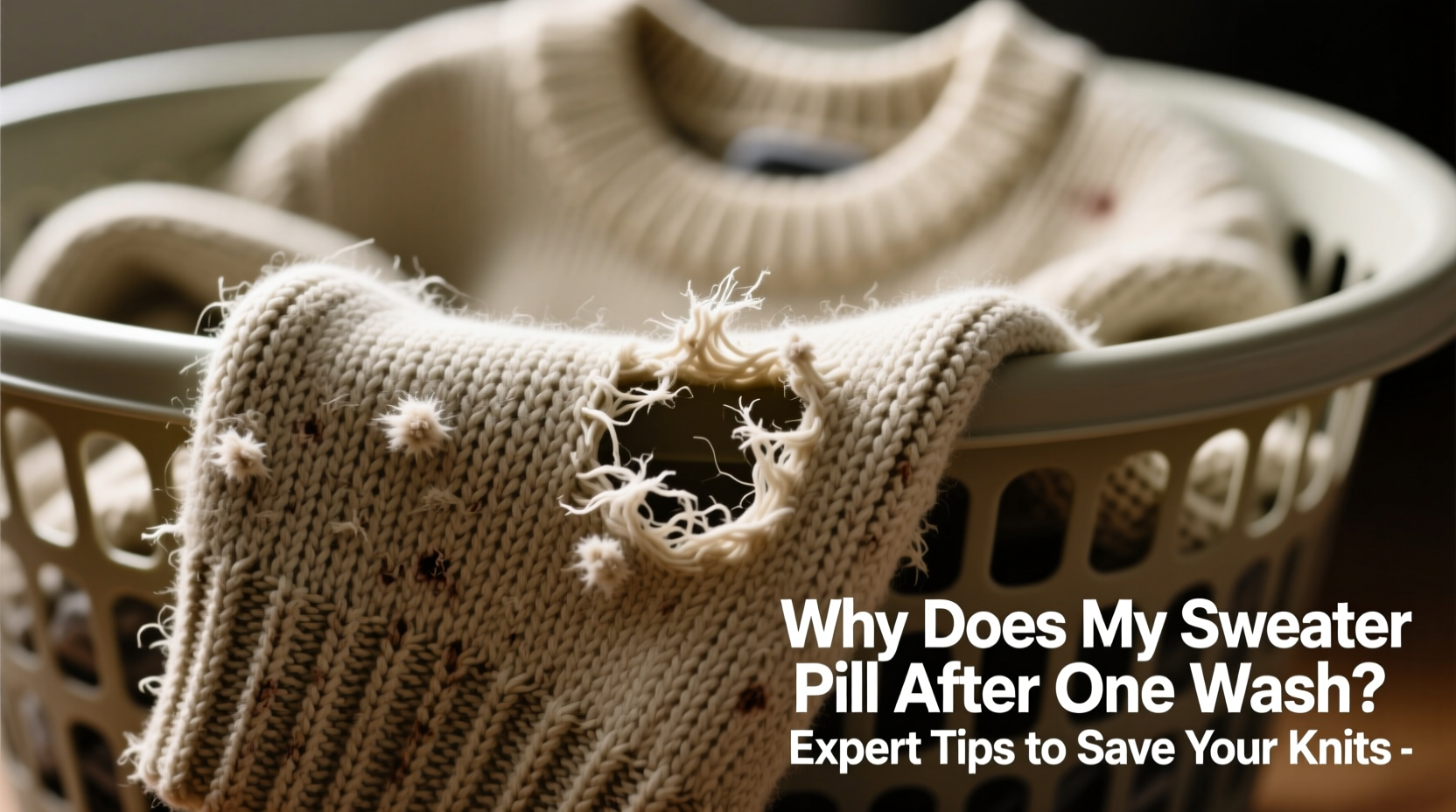
Pilling occurs when short fibers on the surface of a fabric break loose and tangle together into small knots. While this process happens gradually with wear, some sweaters develop visible pills after just one wash due to a combination of factors: fiber composition, construction method, and laundering practices.
Natural fibers like wool, cashmere, and cotton are prone to pilling because they have shorter staple lengths and softer surfaces that snag easily. Synthetic blends, especially those containing acrylic or polyester, are even more susceptible. These materials are strong but less flexible, so repeated abrasion causes fibers to break and cluster rather than shed cleanly.
The washing machine itself contributes significantly. Agitation during the cycle creates friction between garments, pulling loose fibers to the surface. High spin speeds, hot water, and harsh detergents further weaken fibers, accelerating the pilling process.
“Pilling is not a sign of poor quality—it’s a natural consequence of how knit fabrics behave under stress. How you care for them makes all the difference.” — Dr. Lila Chen, Textile Scientist at the Institute for Apparel Innovation
Fiber Types and Their Pilling Tendencies
Not all sweaters pill equally. The material plays a major role in how quickly and severely pilling occurs. Understanding fiber behavior helps you make informed choices about purchase and care.
| Fiber Type | Pilling Risk | Why It Pills | Lifespan Expectancy (With Care) |
|---|---|---|---|
| Cashmere | High | Ultra-fine, soft fibers easily loosen and tangle | 5–7 years |
| Merino Wool | Moderate | Better durability than regular wool; still sensitive to abrasion | 4–6 years |
| Acrylic | Very High | Synthetic fibers resist breaking but accumulate pills instead of shedding | 2–3 years |
| Cotton Knit | Moderate | Natural fiber weakens with moisture and agitation | 3–5 years |
| Blends (e.g., wool-acrylic) | High | Dissimilar fibers react differently to stress, increasing friction | 2–4 years |
Higher-quality yarns with longer staple fibers and tighter twists tend to pill less because the fibers are more securely bound within the yarn structure. Hand-knitted or artisanal pieces often use superior spinning techniques that enhance longevity.
How Washing Habits Accelerate Pilling
The way you wash your sweater can be the deciding factor between lasting elegance and early deterioration. Many people unknowingly damage their knits through routine laundering mistakes.
Machine washing, especially on a regular cycle, subjects sweaters to intense mechanical action. Fabrics rub against each other and the drum walls, creating micro-tears in the surface fibers. Even turning clothes inside out offers limited protection if the load is unbalanced or overcrowded.
Hot water opens up fiber cuticles, making them more vulnerable to snagging. Detergents with enzymes or bleach—even in small amounts—can degrade protein-based fibers like wool over time. Fabric softeners coat fibers with chemicals that reduce breathability and increase lint buildup, indirectly promoting pilling.
Tumble drying is particularly damaging. Heat causes fibers to contract unevenly, while constant tumbling creates relentless friction. This combination turns minor surface fuzz into full-blown pills within a single cycle.
A Real Example: The Cashmere Crewneck Disaster
Sarah bought a premium cashmere sweater as a holiday gift. Excited to wear it, she tossed it into a mixed load of jeans and towels on a warm wash cycle, then dried it on high heat. After one wash, the sweater had shrunk slightly, felt stiff, and was covered in pills across the sleeves and torso.
She assumed it was a counterfeit product—until she consulted a textile conservator who explained that delicate fibers need gentle handling. Had Sarah hand-washed it in cool water with a pH-neutral soap and laid it flat to dry, the sweater would likely have retained its original condition for years.
This scenario is more common than most realize. Consumers trust garment care labels, but many don’t understand what the symbols truly mean—or how much impact small choices have on long-term wearability.
Step-by-Step Guide to Washing Sweaters Without Pilling
Preserving your knits starts with changing your laundry approach. Follow this detailed sequence to minimize damage and extend the life of every sweater.
- Check the care label – Look for instructions on water temperature, drying method, and whether hand-washing is required. Symbols matter: a basin of water means machine washable; a hand in water means hand-wash only.
- Turn the sweater inside out – This protects the outer surface from direct abrasion during washing.
- Use a mesh laundry bag – Place the sweater in a fine-mesh bag to limit contact with other garments, especially rough fabrics like denim.
- Select cold water and a delicate cycle – If machine washing, use the lowest spin speed and avoid fast agitation. Never wash with heavy items.
- Choose a mild detergent – Use a wool-specific or silk-safe formula free from enzymes, bleach, and optical brighteners. Regular detergents strip natural oils from fibers.
- Wash immediately after wearing (if needed) – Body oils and sweat accelerate fiber breakdown. But don’t over-wash—most sweaters only need cleaning every 3–5 wears unless soiled.
- Air-dry flat on a clean towel – Reshape the sweater to its original dimensions and let it dry away from direct sunlight or heat sources. Hanging stretches shoulder seams and distorts shape.
Preventative Care and Maintenance Routine
Washing is just one part of sweater preservation. A consistent maintenance plan prevents pilling before it starts and keeps knits looking luxurious.
- Rotate your sweaters: Allow at least 24 hours between wears so fibers can recover from tension and compression.
- Avoid friction zones: Be mindful of backpacks, seatbelts, and rough furniture surfaces that repeatedly rub against sleeves and backs.
- Store properly: Fold sweaters neatly and stack them horizontally in drawers or on shelves. Avoid hangers—they stretch shoulders and misshape silhouettes.
- Use breathable storage: Keep knits in cotton garment bags or ventilated containers. Plastic bins trap moisture and encourage mildew.
- De-pill gently: Use a fabric shaver or a manual de-piller tool. Never pull pills off by hand—that damages surrounding fibers.
“Think of your sweater like skin—it needs hydration, protection, and rest. Treat it kindly, and it will reward you with years of comfort.” — Marcus Reed, Sustainable Fashion Consultant
Do’s and Don’ts of Sweater Care
| Do | Don’t |
|---|---|
| Hand-wash delicate knits in cool water | Soak sweaters for more than 15 minutes |
| Use a fabric conditioner made for wool | Use regular fabric softener |
| Lay flat to dry on a clean towel | Hang wet sweaters to dry |
| Brush wool sweaters lightly with a suede brush | Use scissors to remove pills |
| Store folded in cedar-lined drawers to deter moths | Store in vacuum-sealed bags (compresses fibers) |
FAQ: Common Questions About Sweater Pilling
Is pilling a sign of low-quality clothing?
No. Even high-end designer sweaters pill because of fiber physics, not manufacturing flaws. Quality affects how quickly pilling appears and how well the garment holds up over time, but no knit is immune to surface abrasion.
Can I stop pilling completely?
You cannot eliminate pilling entirely, but you can minimize it significantly. Choosing tightly spun yarns, avoiding friction, and using proper care techniques will slow the process and maintain appearance longer.
Does wearing a shirt under my sweater help prevent pilling?
Yes. An underlayer acts as a buffer between your skin, movement, and the sweater fabric. It reduces direct friction and absorbs body oils, both of which contribute to fiber breakdown and pilling.
Final Thoughts: Reclaiming the Life of Your Knits
Your sweater doesn’t have to look worn after a single wash. Pilling is manageable—not inevitable. By understanding the science behind fiber behavior and adjusting your care habits, you protect your investment and reduce fashion waste. Every gentle wash, careful dry, and mindful storage choice adds months, even years, to your favorite pieces.
In a world of fast fashion, choosing to care deeply for what you own is an act of sustainability and personal style. Take pride in maintaining your wardrobe with intention. Your sweaters were made to bring warmth and confidence—let them do just that, wash after wash.




 浙公网安备
33010002000092号
浙公网安备
33010002000092号 浙B2-20120091-4
Comments
No comments yet. Why don't you start the discussion?