
If you've ever taken a sip of tap water only to be greeted by a sharp, metallic aftertaste, you're not alone. While the occasional odd flavor might seem harmless, a persistent metallic taste can signal underlying problems with your plumbing or water supply. Beyond being unpleasant, it may indicate exposure to elevated levels of certain metals—some of which pose health risks over time. Understanding the root causes, from corroded pipes to mineral imbalances, is the first step toward restoring clean, great-tasting water in your home.
What Causes Metallic Taste in Tap Water?
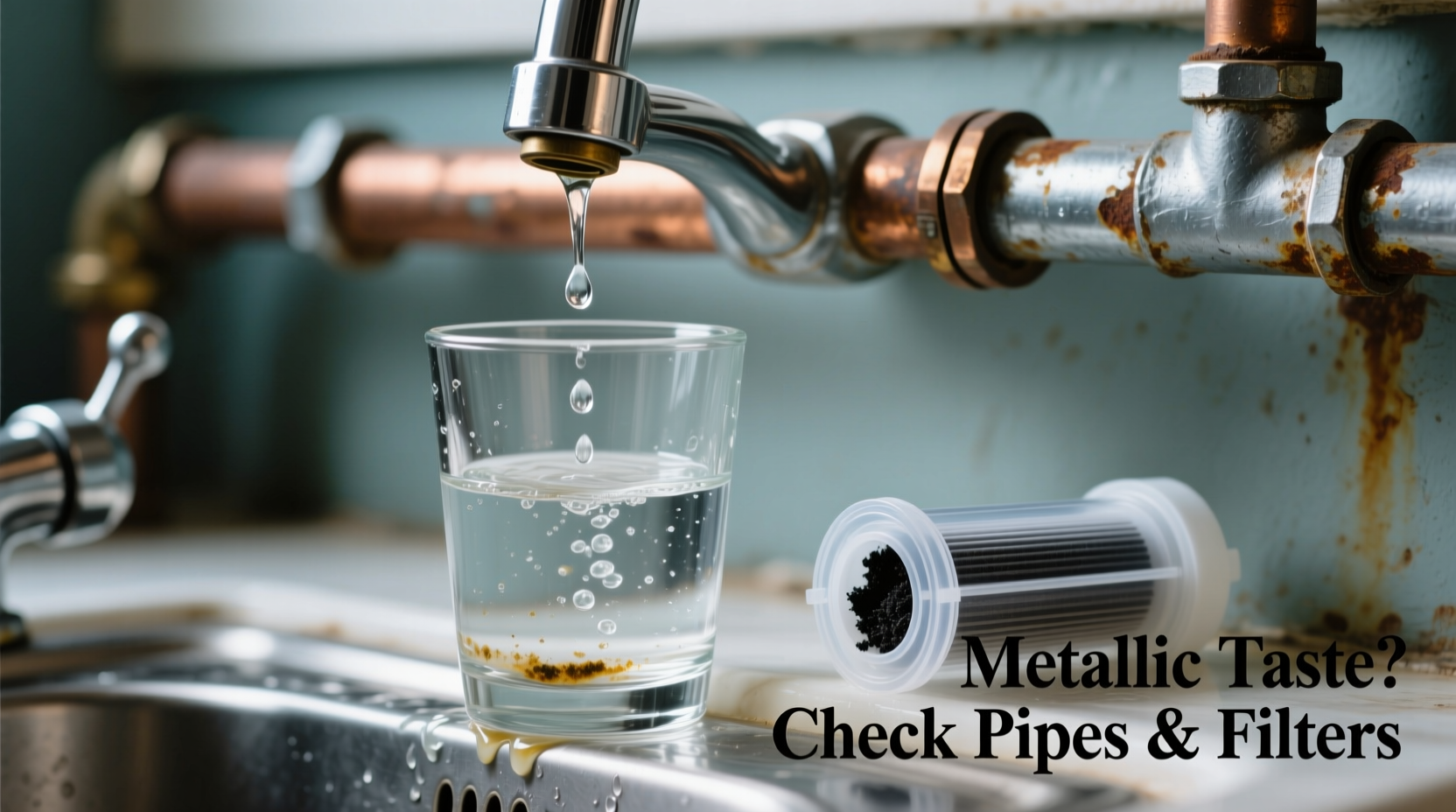
The metallic taste in tap water typically results from dissolved metals leaching into the water as it travels through aging or corroded plumbing systems. Common culprits include iron, copper, zinc, manganese, and even lead in older homes. These metals don’t just affect flavor—they can impact long-term health if consumed regularly at high levels.
Water chemistry plays a significant role. Acidic water (low pH) is more corrosive and aggressively eats away at metal pipes, fittings, and solder joints. When this happens, trace amounts of metal ions dissolve into the water stream. The longer water sits in pipes—such as overnight—the more contact time there is for corrosion, which often makes morning water taste worse than water drawn later in the day.
Additionally, nearby industrial activity, outdated municipal infrastructure, or well contamination can contribute to elevated metal levels before water even reaches your home.
Common Metal Contaminants and Their Effects
Different metals produce distinct sensory experiences and carry varying health implications. Recognizing which metal might be responsible helps determine the appropriate response.
| Metal | Taste Description | Potential Health Concerns | Common Source |
|---|---|---|---|
| Copper | Bitter, metallic, sometimes slightly sweet | Nausea, liver/kidney issues with prolonged exposure | Copper pipes, brass fixtures |
| Iron | Rusty, blood-like, earthy | Staining, gastrointestinal discomfort | Cast iron pipes, well water |
| Lead | Slightly sweet or metallic | Neurological damage, developmental delays in children | Lead solder, old galvanized pipes |
| Zinc | Sharp, metallic, sometimes described as “battery-like” | Nausea, vomiting at high doses | Galvanized steel pipes, water heaters |
| Manganese | Musty, metallic, earthy | Cognitive issues with long-term exposure | Well water, soil leaching |
Even if individual metal concentrations fall below regulatory limits, their combined presence can amplify off-flavors. Moreover, aesthetic thresholds—what’s considered acceptable to taste—are often much lower than safety thresholds set by agencies like the EPA.
How Aging Pipes Contribute to the Problem
Your home’s plumbing system is a hidden network that ages over time. Homes built before the 1980s are particularly vulnerable due to the materials used during construction. Galvanized steel pipes, once standard, are prone to internal rusting and scale buildup. As these pipes degrade, they release iron and can harbor lead if connected to older service lines or soldered joints.
Copper piping, widely used since the 1960s, is durable but not immune to corrosion. When water is acidic or low in minerals (soft water), it erodes copper linings, leading to blue-green staining and a telltale metallic bitterness. Homes with new copper plumbing may experience higher copper levels initially until a protective mineral layer forms inside the pipes—a process that can take months.
“Corrosion in household plumbing is one of the most common sources of elevated metals in tap water, especially in homes with unbalanced water chemistry.” — Dr. Lena Patel, Environmental Health Scientist, CDC
Plastic piping such as PEX or PVC doesn’t corrode, making it a safer modern alternative. However, even plastic systems can have metal components like valves, connectors, or water heaters that contribute to contamination.
Mini Case Study: The Johnson Family’s Morning Water Woes
The Johnsons, living in a 1970s suburban home, began noticing a bitter, metallic taste in their morning coffee. At first, they assumed it was the beans. But when their daughter complained of stomach discomfort, they investigated further. A water test revealed copper levels at 1.8 mg/L—above the EPA’s action level of 1.3 mg/L. Their plumber discovered that newly installed copper pipes hadn't yet developed a stable mineral coating, and the city’s softened water supply was accelerating corrosion. After installing a neutralizing filter to balance pH and letting the water run each morning, the taste improved within weeks. Follow-up tests showed copper dropping to safe levels.
Effective Water Filters for Removing Metallic Taste
Not all water filters are created equal. To address metallic taste effectively, choose a filtration system designed to reduce dissolved metals. Here’s a breakdown of common options and their effectiveness:
- Activated Carbon Filters (Pitchers & Faucet-Mount): Reduce chlorine, improve taste and odor, and remove some lead and mercury. Limited effectiveness against copper, iron, or zinc unless specially formulated.
- Reverse Osmosis (RO) Systems: One of the most effective solutions. Removes up to 99% of dissolved metals including lead, copper, cadmium, and chromium. Requires under-sink installation and regular maintenance.
- Ion Exchange Filters: Often used in water softeners. Can reduce iron, manganese, and lead by swapping metal ions with sodium or potassium. Best paired with other filtration methods.
- KDF (Kinetic Degradation Fluxion) Filters: Use a copper-zinc alloy to create an electrochemical reaction that removes chlorine, iron, and hydrogen sulfide. Effective at reducing heavy metals and controlling microbial growth.
- Ceramic Filters: Excellent for sediment and bacteria but less effective on dissolved metals unless combined with carbon or silver infusion.
Step-by-Step Guide to Addressing Metallic-Tasting Water
- Test Your Water: Use a certified lab or home test kit to check for pH, hardness, and metal content (especially copper, iron, lead).
- Inspect Plumbing Age and Material: Determine if your home has galvanized steel, copper, or plastic pipes. Check for visible corrosion or leaks.
- Flush Your System: Run cold water for 30–60 seconds each morning, especially if water has sat for several hours.
- Evaluate Filter Options: Choose a filtration system based on your test results. For broad metal reduction, reverse osmosis is ideal.
- Install and Maintain the Filter: Follow manufacturer guidelines for setup and replace cartridges or membranes as recommended.
- Retest After Installation: Confirm metal levels have decreased and taste has improved.
- Consider Whole-House Solutions: If multiple fixtures are affected, a whole-home filtration or pH-balancing system may be necessary.
Do’s and Don’ts When Dealing with Metallic Water
| Do | Don’t |
|---|---|
| Use cold water for drinking and cooking (hot water increases metal leaching) | Boil water to remove metals—it concentrates them instead |
| Replace old aerators and faucet screens that may trap debris | Ignore discolored water—rusty or blue-green hues signal serious issues |
| Install a point-of-use RO system for kitchen drinking water | Assume bottled water is always safer—check its source and testing reports |
| Contact your water utility for a Consumer Confidence Report (CCR) | Use cheap, uncertified filters that make broad claims without proof |
Frequently Asked Questions
Can metallic-tasting water make me sick?
Occasional exposure is unlikely to cause harm, but long-term consumption of elevated levels of metals like lead, copper, or manganese can lead to health problems, especially in children and pregnant individuals. Chronic copper exposure may affect liver and kidney function, while lead is a known neurotoxin.
Is it safe to shower in metallic-tasting water?
In most cases, yes. Metals like copper and iron are poorly absorbed through the skin, so bathing or showering is generally safe. However, if lead is present, avoid inhaling steam in enclosed spaces, as vaporized lead particles can be inhaled. Also consider whole-house filtration if taste affects multiple outlets.
Why does only one faucet taste metallic?
This often indicates a localized issue—such as a corroded fixture, aerator clogged with sediment, or a problem with that specific section of plumbing. Clean the aerator first. If the issue persists, inspect the valve or supply line for that faucet.
Expert Insight: Preventive Maintenance Matters
“Many homeowners wait until water tastes bad or appliances fail before addressing plumbing issues. Proactive testing and filtration can prevent costly repairs and protect health over decades.” — Michael Tran, Master Plumber & Water Quality Consultant
Regular maintenance isn’t just about fixing leaks. It includes monitoring water quality, replacing aging fixtures, and upgrading filtration as needed. Homes with well water should test annually; those on municipal supplies should review their annual CCR and conduct independent tests every 2–3 years, especially after plumbing work or changes in taste.
Action Plan Checklist
- ☐ Test tap water for pH, hardness, and key metals (copper, iron, lead)
- ☐ Visually inspect faucets, aerators, and visible pipes for corrosion
- ☐ Flush cold water lines each morning before use
- ☐ Install an NSF-certified filter (reverse osmosis recommended for metals)
- ☐ Replace old aerators and clean faucet screens monthly
- ☐ Schedule professional plumbing inspection if pipes are over 20 years old
- ☐ Retest water after filter installation to confirm improvement
Conclusion
A metallic taste in your tap water isn’t something to ignore or mask with lemon slices. It’s a signal—one that could point to aging pipes, corrosive water chemistry, or harmful metal accumulation. With the right knowledge and tools, you can identify the source, choose an effective filtration system, and reclaim clean, refreshing water straight from the tap. Whether you live in an older home with legacy plumbing or rely on a private well, proactive steps today ensure safer hydration for years to come. Don’t wait for symptoms or stains to act. Test, treat, and trust your water again.




 浙公网安备
33010002000092号
浙公网安备
33010002000092号 浙B2-20120091-4
Comments
No comments yet. Why don't you start the discussion?