
A tight or constricted sensation in the throat after eating is more than just an odd discomfort—it can be a significant clue pointing toward underlying digestive issues. While occasional post-meal throat tightness might seem harmless, recurring episodes often signal gastroesophageal reflux disease (GERD) or its less obvious counterpart, laryngopharyngeal reflux (LPR). Unlike classic heartburn, these conditions don’t always present with chest pain, making them easy to overlook. Understanding the connection between throat tightness and reflux is essential for early intervention and long-term relief.
The Link Between Eating and Throat Tightness
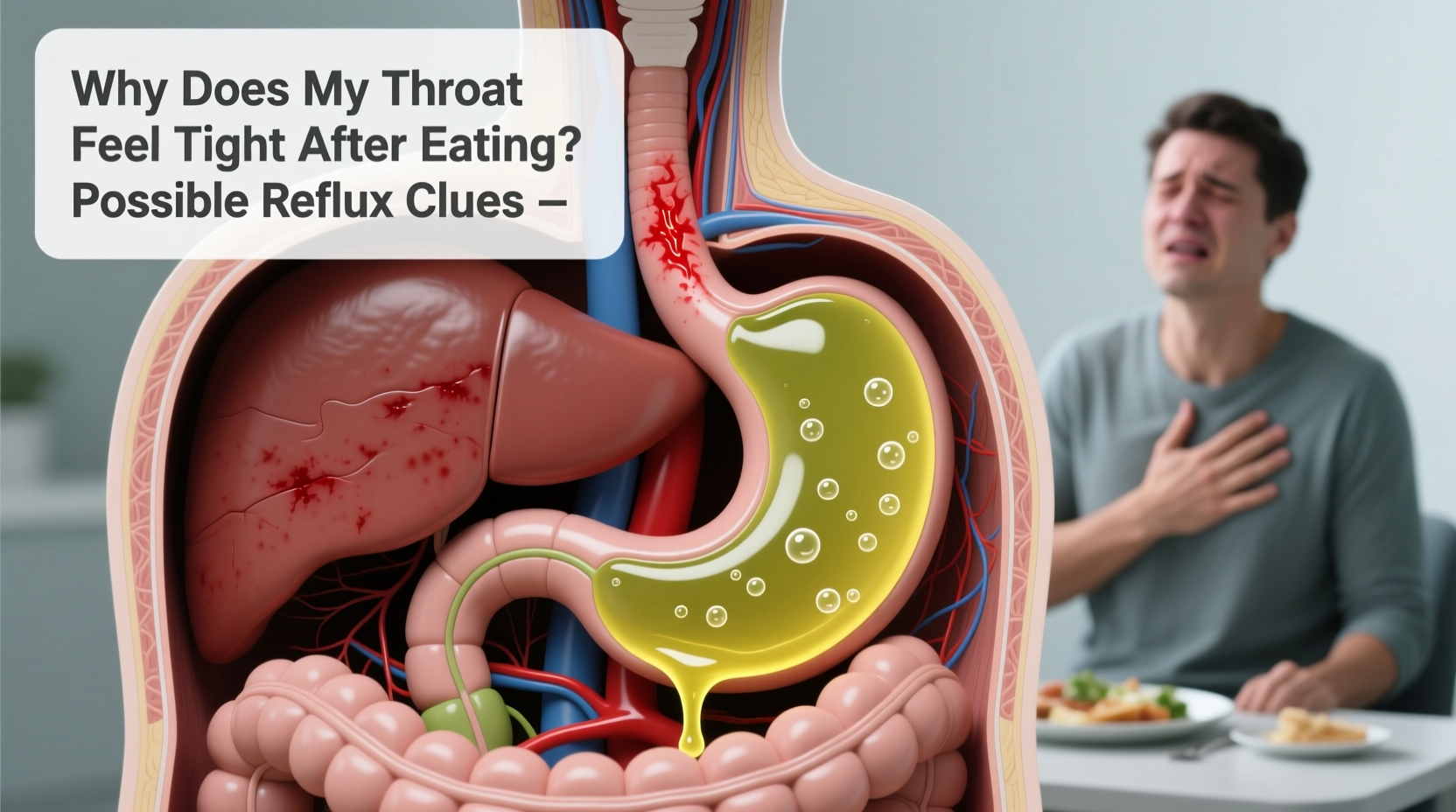
After swallowing food, the lower esophageal sphincter (LES)—a muscular ring at the base of the esophagus—normally closes tightly to prevent stomach contents from flowing back up. When this valve weakens or relaxes inappropriately, acidic gastric juices can rise into the esophagus and even reach the throat. This backward flow, known as acid reflux, irritates sensitive tissues, leading to inflammation and the sensation of tightness, lump-like feelings (globus sensation), or difficulty swallowing.
In some cases, reflux occurs silently. Patients may not experience heartburn but instead notice voice changes, chronic cough, or persistent throat discomfort. This variant, called LPR or \"silent reflux,\" frequently manifests as throat tightness after meals because the acid reaches higher into the airway, affecting the larynx and pharynx directly.
Common Reflux Triggers That Worsen Throat Symptoms
Diet plays a central role in triggering or worsening reflux-related throat tightness. Certain foods and beverages relax the LES or increase stomach acidity, promoting upward movement of gastric contents. Common culprits include:
- Fatty or fried foods
- Chocolate and peppermint
- Citrus fruits and tomato-based dishes
- Carbonated drinks and alcohol
- Coffee (both caffeinated and decaf)
- Spicy foods
Eating large meals or lying down within two to three hours after eating also increases pressure on the LES, raising the risk of reflux. Even posture matters—bending over or wearing tight clothing after meals can compress the abdomen and push stomach contents upward.
Real-Life Example: Sarah’s Silent Struggle
Sarah, a 38-year-old teacher, began noticing a persistent “lump” in her throat every afternoon after lunch. She didn’t have heartburn, so she assumed it was stress-related. Over months, the sensation worsened, sometimes making it hard to swallow. After seeing an ENT specialist, she was diagnosed with LPR. Her diet—daily coffee, late lunches, and frequent tomato-based pasta—was fueling silent reflux. With dietary changes and medication, her throat tightness resolved within eight weeks.
“Many patients come in convinced they’re dealing with anxiety or allergies, only to discover their throat symptoms are rooted in reflux. The key is recognizing that not all reflux burns.” — Dr. Alan Pierce, Otolaryngologist and Voice Specialist
How to Differentiate Reflux from Other Causes
Throat tightness isn't exclusive to reflux. It can stem from allergies, thyroid disorders, muscle tension, or even anxiety. However, certain patterns point strongly toward a reflux origin:
| Symptom Pattern | Reflux Likely | Other Causes More Likely |
|---|---|---|
| Timing relative to meals | Occurs 30–60 minutes after eating | No consistent meal link |
| Associated symptoms | Chronic cough, hoarseness, postnasal drip | Rash, wheezing, fever |
| Response to position | Worse when lying down or bending over | Unaffected by posture |
| Pain type | Burning or squeezing sensation | Sharp pain or emotional trigger |
| Duration | Recurrent over weeks/months | Episodic, tied to specific exposures |
If throat tightness consistently follows meals and improves with antacids or dietary adjustments, reflux should be considered a primary suspect—even in the absence of heartburn.
Step-by-Step Guide to Managing Post-Meal Throat Tightness
Addressing reflux-driven throat symptoms requires both immediate relief strategies and long-term lifestyle modifications. Follow this timeline to reduce irritation and prevent recurrence:
- Week 1: Track and Identify Triggers
Keep a daily log of meals, symptoms, and activities. Note which foods precede throat tightness. Avoid obvious irritants like coffee, alcohol, and spicy dishes during this phase. - Week 2: Adjust Meal Habits
Eat smaller, more frequent meals. Finish eating at least three hours before bedtime. Sit upright during and after meals—avoid reclining immediately after eating. - Week 3: Modify Your Environment
Elevate the head of your bed by 6–8 inches using blocks or a wedge pillow. This prevents nighttime reflux. Wear loose-fitting clothes, especially around the waist. - Week 4: Introduce Targeted Relief
Try over-the-counter proton pump inhibitors (PPIs) like omeprazole for 14 days. These reduce acid production and allow irritated tissues to heal. If symptoms persist, consult a physician. - Ongoing: Maintain Long-Term Changes
Continue avoiding personal trigger foods. Stay hydrated with non-acidic beverages like water or herbal teas. Practice mindful eating to improve digestion and reduce air swallowing, which can contribute to bloating and reflux.
When to See a Doctor
Mild, infrequent throat tightness may resolve with lifestyle changes. However, certain red flags require prompt medical evaluation:
- Painful or difficult swallowing (dysphagia)
- Unintentional weight loss
- Feeling food gets stuck
- Chronic hoarseness lasting more than three weeks
- Blood in saliva or vomit
Prolonged exposure to stomach acid can lead to complications such as esophagitis, Barrett’s esophagus, or vocal cord damage. A gastroenterologist may recommend an endoscopy, while an ENT specialist might perform a laryngoscopy to assess throat inflammation.
Checklist: Actions to Reduce Reflux-Related Throat Tightness
- ✅ Eat smaller meals throughout the day
- ✅ Wait at least 3 hours after eating before lying down
- ✅ Eliminate common trigger foods for 2 weeks
- ✅ Elevate the head of your bed
- ✅ Avoid tight belts or waistbands after meals
- ✅ Quit smoking if applicable (nicotine weakens the LES)
- ✅ Use over-the-counter antacids or PPIs as directed
- ✅ Schedule a doctor’s visit if symptoms persist beyond 2 weeks
Frequently Asked Questions
Can acid reflux cause throat tightness without heartburn?
Yes. Laryngopharyngeal reflux (LPR) often presents with throat symptoms like tightness, chronic cough, or hoarseness without typical heartburn. This is why it's called “silent reflux.” Stomach acid reaches the upper airway, irritating the larynx and causing discomfort even in the absence of chest burning.
Is throat tightness after eating always serious?
Not always. Occasional mild tightness after a large or spicy meal is common and usually resolves on its own. However, if it happens frequently, interferes with swallowing, or persists despite dietary changes, it should be evaluated by a healthcare provider to rule out chronic reflux or other conditions.
Can stress cause throat tightness that mimics reflux?
Yes. Anxiety and stress can trigger muscle tension in the throat (globus pharyngeus), creating a sensation of tightness or a lump. However, stress can also exacerbate reflux by increasing stomach acid and altering digestive motility. It’s important to evaluate both psychological and physiological factors when symptoms overlap.
Conclusion: Take Control of Your Comfort
Throat tightness after eating is not something you should ignore or simply adapt to. It’s a signal from your body that something in your digestive process needs attention. While reflux is a common and treatable cause, identifying it early makes all the difference in preventing long-term damage. Simple changes in eating habits, timing, and posture can bring noticeable relief. But when symptoms persist, professional guidance ensures you’re not overlooking a deeper issue.




 浙公网安备
33010002000092号
浙公网安备
33010002000092号 浙B2-20120091-4
Comments
No comments yet. Why don't you start the discussion?