
A tickling sensation in the throat that appears only at night can be both puzzling and disruptive. Unlike a constant sore throat or persistent cough, this symptom often vanishes during daylight hours, making it easy to dismiss. Yet for many, it recurs nightly—interfering with sleep, triggering coughing fits, or creating a nagging sense of discomfort just when rest should come easily. Understanding why this happens requires looking beyond simple allergies or colds. The root causes are often environmental, physiological, or behavioral, emerging under the unique conditions of nighttime.
This article explores the science behind nocturnal throat irritation, identifies key triggers, and offers actionable strategies to reduce or eliminate the sensation. Whether you're dealing with occasional twinges or chronic nighttime discomfort, the answers—and solutions—are within reach.
Why Nighttime Triggers Differ from Daytime Conditions
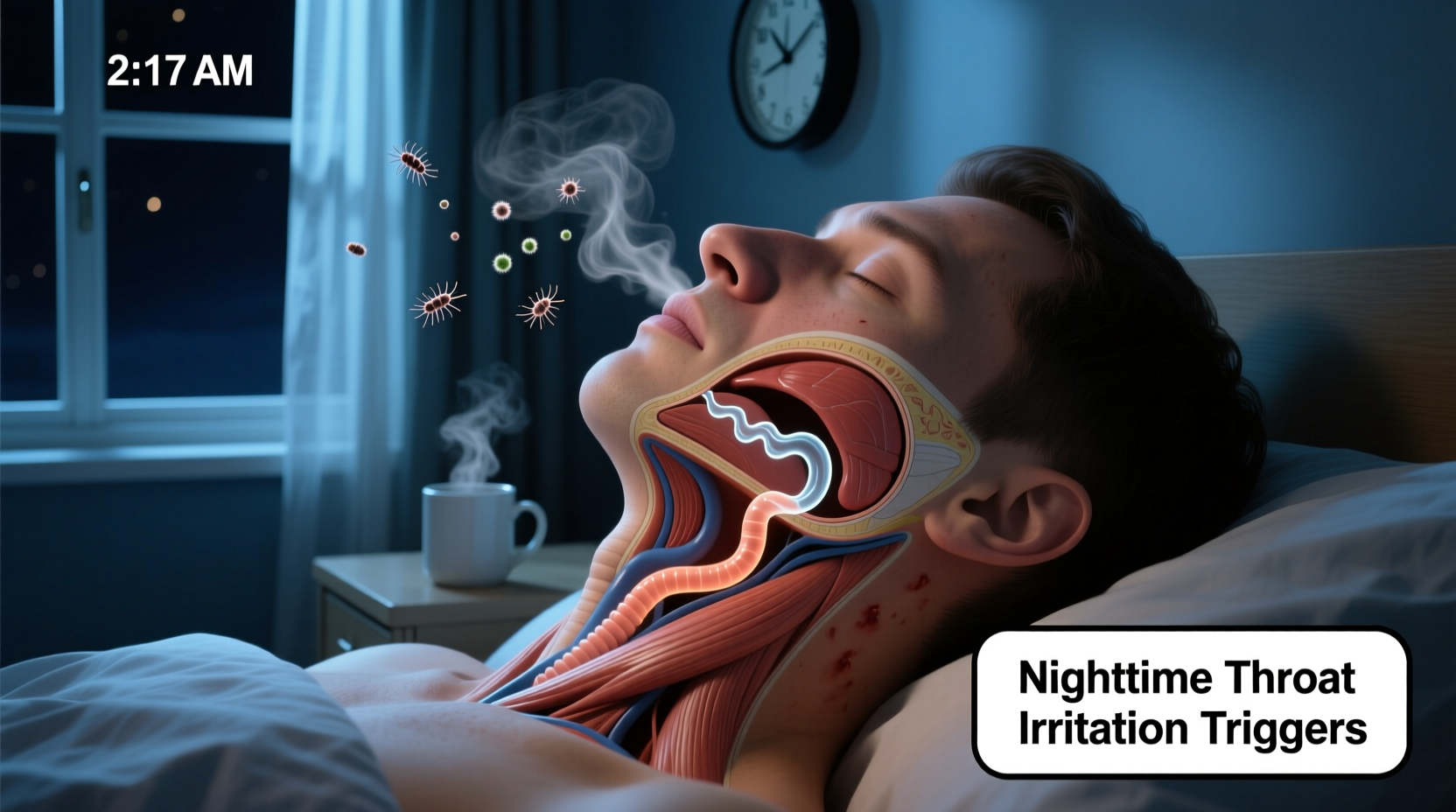
The human body undergoes significant shifts between day and night. Circadian rhythms influence everything from hormone levels to immune function. At night, breathing patterns change: people tend to breathe more shallowly and through the mouth, especially when lying down. This alters airflow and moisture levels in the upper airway, increasing vulnerability to irritation.
In addition, gravity plays a subtle but powerful role. When upright during the day, mucus drains efficiently from the sinuses into the stomach. Lying flat reverses this dynamic. Postnasal drip pools in the back of the throat, stimulating nerve endings and causing that familiar tickle. Even minor amounts of drainage—undetectable during waking hours—can become noticeable at night due to reduced distractions and heightened sensory awareness.
Environmental factors also shift after dark. Indoor air typically becomes drier as heating systems run, especially in colder months. Dust, pet dander, and mold spores accumulate in bedding and bedroom furniture, reaching peak exposure when you’re in close contact for hours. These elements may not provoke symptoms during the day, but their cumulative effect manifests when the body is at rest.
Common Causes of Nocturnal Throat Tickling
Several interrelated conditions contribute to nighttime-specific throat irritation. While some are benign and easily managed, others may indicate underlying health issues requiring attention.
1. Postnasal Drip
One of the most frequent culprits, postnasal drip occurs when excess mucus from the nasal passages drips down the back of the throat. Allergies (to dust mites, pollen, or pet dander), sinus infections, or non-allergic rhinitis can all increase mucus production. At night, lying down allows this fluid to pool, directly stimulating the sensitive nerves in the pharynx.
2. Acid Reflux (LPR – Laryngopharyngeal Reflux)
Also known as \"silent reflux,\" LPR involves stomach acid traveling up the esophagus and reaching the throat without typical heartburn symptoms. It’s more likely to occur at night due to relaxed lower esophageal sphincter tone and horizontal positioning. The acid irritates throat tissues, leading to a persistent tickle, dry cough, or sensation of a lump in the throat.
“Many patients with chronic nighttime throat irritation don’t realize they have reflux because they lack chest pain. The throat is simply more sensitive to small amounts of acid exposure.” — Dr. Lena Patel, Otolaryngologist
3. Dry Indoor Air
Heated or air-conditioned rooms often have low humidity, especially in winter or arid climates. Dry air dehydrates mucous membranes in the nose and throat, reducing their protective function and increasing sensitivity. Mouth breathing during sleep—common among people with nasal congestion—exacerbates this drying effect.
4. Allergens in the Bedroom
Bedding, pillows, carpets, and curtains trap allergens like dust mites, pet dander, and mold. Nightly exposure over several hours can trigger localized inflammation and irritation. Dust mite allergy, in particular, is strongly linked to nocturnal symptoms because these microscopic organisms thrive in warm mattresses and feed on shed skin cells.
5. Asthma and Airway Hyperreactivity
Nocturnal asthma affects up to 75% of people with asthma. Airway narrowing tends to worsen at night due to natural dips in cortisol and increased vagal tone. A tickling throat may be an early sign of bronchoconstriction, often preceding wheezing or shortness of breath. Even in non-asthmatics, hyperreactive airways can respond to cool air or allergens with throat irritation.
Do’s and Don’ts: Managing Nighttime Throat Irritation
| Do | Don’t |
|---|---|
| Use a humidifier in your bedroom, especially in dry seasons | Sleep with windows open if pollen counts are high |
| Wash bedding weekly in hot water (at least 130°F) | Ignore persistent symptoms lasting more than 2–3 weeks |
| Elevate your head while sleeping | Eat large meals within 3 hours of bedtime |
| Stay hydrated throughout the day | Use scented candles or strong air fresheners in the bedroom |
| Shower before bed to remove allergens from hair and skin | Smoke or vape, especially at night |
Action Plan: Step-by-Step Relief Strategy
If you're experiencing recurrent throat tickling at night, follow this structured approach to identify and address the cause:
- Track Symptoms for One Week: Note when the tickle occurs, how long it lasts, whether it leads to coughing, and any associated factors (e.g., eating late, pet in the room, seasonal changes).
- Optimize Bedroom Environment: Replace old pillows, use allergen-proof mattress and pillow covers, vacuum carpets regularly, and consider removing heavy drapes or stuffed animals.
- Introduce a Humidifier: Run a cool-mist humidifier at night, cleaning it every 2–3 days to prevent mold buildup.
- Adjust Evening Habits: Avoid alcohol, caffeine, and spicy foods after 6 PM. Finish dinner at least 3 hours before bed.
- Elevate Your Upper Body: Use a wedge pillow or raise the head of your bed to reduce reflux and postnasal drip.
- Try Nasal Saline Rinse: Use a neti pot or saline spray before bed to clear allergens and thin mucus.
- Consult a Healthcare Provider: If symptoms persist beyond two weeks despite lifestyle changes, seek evaluation for allergies, reflux, or respiratory conditions.
Real-Life Example: Sarah’s Story
Sarah, a 34-year-old teacher, began experiencing a persistent throat tickle every night for nearly three months. During the day, her throat felt fine—no pain, no cough. But as soon as she lay down, the irritation started, often waking her with a dry cough. Over-the-counter lozenges provided temporary relief but didn’t solve the issue.
After tracking her habits, she noticed the problem worsened on nights when she skipped washing her face or left her bedroom window slightly open. She also drank tea late in the evening. Upon consulting an allergist, skin testing revealed sensitivity to dust mites and mold. Her older mattress and wool blanket were identified as major allergen reservoirs.
With guidance, Sarah replaced her bedding, installed a HEPA air purifier, started using a saline rinse at night, and moved her tea consumption to earlier in the evening. Within two weeks, her symptoms decreased significantly. By week four, the nighttime tickle had disappeared entirely.
When to Seek Medical Help
While most cases of nighttime throat tickling are manageable with lifestyle adjustments, certain red flags warrant medical evaluation:
- Persistent symptoms lasting longer than 3–4 weeks
- Difficulty swallowing or pain when swallowing
- Voice changes lasting more than 10 days
- Unexplained weight loss or fatigue
- Coughing up blood or dark mucus
- Wheezing or shortness of breath at night
A primary care physician, ENT specialist, or allergist can perform tests such as laryngoscopy, allergy panels, or pH monitoring for reflux. Early diagnosis prevents complications and ensures targeted treatment.
Frequently Asked Questions
Can anxiety cause a tickling throat at night?
Yes. Anxiety can heighten sensory awareness and lead to muscle tension in the throat, creating a sensation known as “globus pharyngeus”—a feeling of something stuck or tickling. This often worsens at night when distractions fade and focus turns inward. Stress management techniques like deep breathing or mindfulness may help reduce the sensation.
Is a nighttime throat tickle a sign of sleep apnea?
Not directly, but it can be related. People with obstructive sleep apnea often breathe through their mouths and experience dry throat upon waking. The repeated collapse of the airway can also cause micro-irritations. If you snore loudly, wake gasping, or feel excessively tired during the day, discuss sleep apnea screening with your doctor.
Why does drinking water help relieve the tickle temporarily?
Water washes away accumulated mucus, allergens, or acid residue from the back of the throat. It also rehydrates irritated mucosal tissues, providing immediate—but often short-lived—relief. For lasting results, address the root cause rather than relying solely on hydration.
Conclusion: Take Control of Your Nighttime Comfort
A tickling throat at night isn’t something you have to accept as normal. It’s a signal from your body—often pointing to modifiable habits, environmental exposures, or treatable conditions. By systematically evaluating your sleep environment, diet, and daily routines, you can uncover the trigger and take meaningful steps toward relief.
Start tonight: wash your bedding, close the bedroom door to pets, drink water earlier in the evening, and elevate your head. Small changes often yield dramatic improvements. If symptoms persist, don’t hesitate to consult a healthcare professional. Your comfort—and quality of sleep—depends on listening closely to what your body is telling you.




 浙公网安备
33010002000092号
浙公网安备
33010002000092号 浙B2-20120091-4
Comments
No comments yet. Why don't you start the discussion?