
A persistent throat tickle at night—without an accompanying cough—can be both puzzling and disruptive. Unlike a full-blown cough that signals clear irritation, a tickle is subtle yet insistent, often surfacing when you're trying to relax or fall asleep. Many people dismiss it as minor, but if it occurs regularly, it may point to underlying health patterns worth addressing. This sensation isn't just inconvenient; it can interfere with sleep quality, lead to throat clearing, and even trigger mild anxiety about breathing or illness.
The absence of a cough doesn’t mean there’s no issue—it simply suggests the irritation is below the threshold for triggering a reflexive response. The root causes are often environmental, physiological, or lifestyle-related. Understanding these factors empowers you to take control rather than endure nightly discomfort.
Allergies and Postnasal Drip
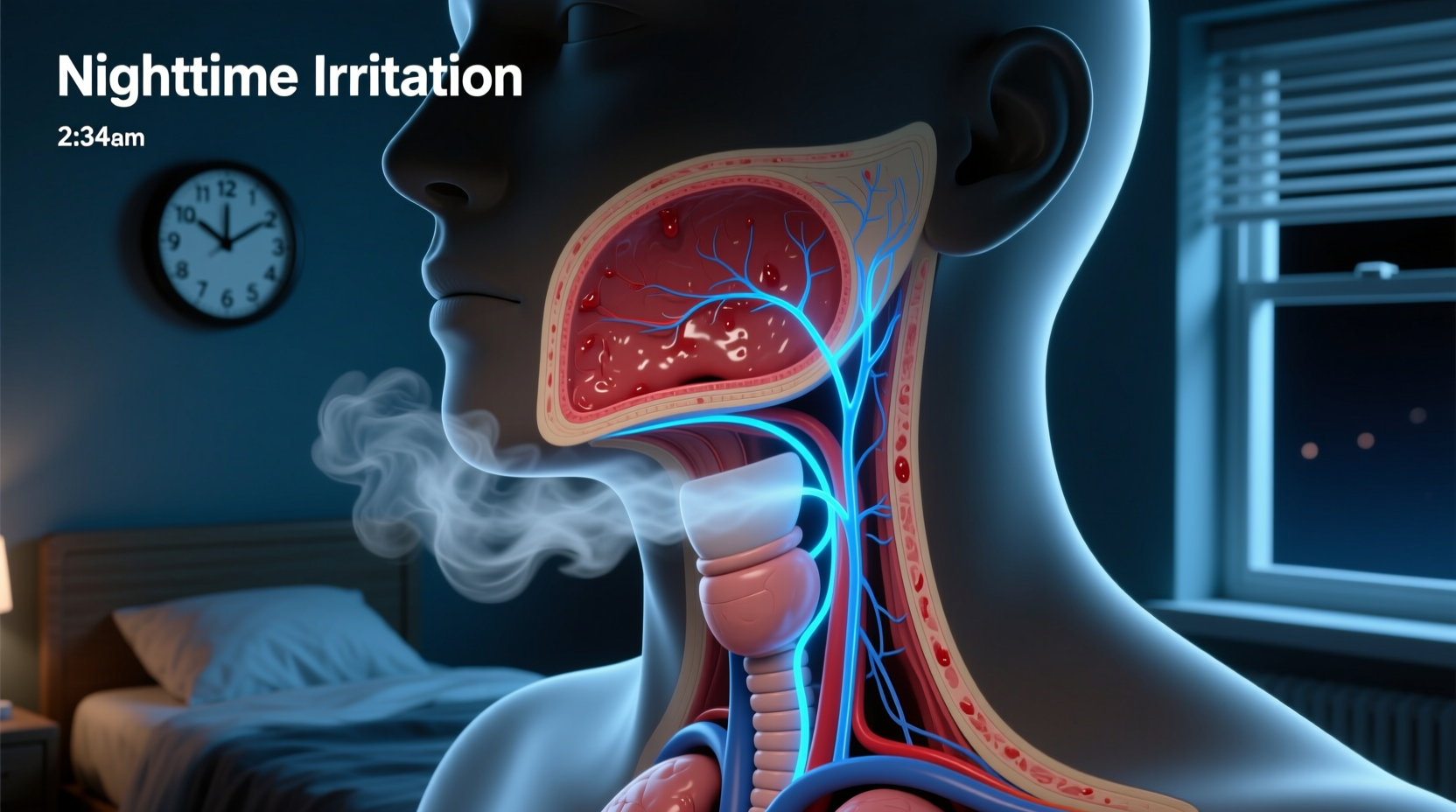
One of the most common reasons for a nighttime throat tickle is postnasal drip caused by allergies. When allergens like dust mites, pet dander, or mold spores accumulate in your bedroom, your immune system responds by producing excess mucus. As you lie down, this mucus drains slowly down the back of your throat, creating a tickling sensation.
Indoor allergens are especially problematic at night because your exposure increases during prolonged periods of rest. Dust mites thrive in mattresses, pillows, and bedding, releasing allergens that become airborne when you move. Similarly, pets sleeping on or near your bed can shed dander continuously throughout the night.
Seasonal allergies can also contribute, particularly if windows are open at night. Pollen levels may remain elevated in the evening, especially after a windy day. Even if you don’t have hay fever symptoms during the day, lying flat can intensify drainage and throat irritation.
Acid Reflux and Silent GERD
Gastroesophageal reflux disease (GERD) is another frequent culprit behind nighttime throat sensations—even when heartburn isn’t present. Known as \"silent reflux\" or laryngopharyngeal reflux (LPR), this condition involves stomach acid creeping up into the esophagus and reaching the throat, irritating sensitive tissues.
At night, gravity works against you. Lying flat allows acid to pool near the upper esophageal sphincter, where it can cause a low-grade burn or tickle without triggering a strong cough. You might not taste sour fluid or feel chest pain, which makes silent reflux easy to overlook.
Other signs include hoarseness in the morning, frequent throat clearing, or a sensation of a lump in the throat (globus pharyngeus). Triggers often include eating late dinners, consuming acidic or fatty foods, alcohol, or caffeine before bedtime.
“Many patients come in complaining of a chronic throat tickle only to discover they have undiagnosed silent reflux. It’s one of the top causes we see in ENT clinics.” — Dr. Alan Pierce, Otolaryngologist
Dry Air and Environmental Irritants
Dry indoor air is a major contributor to throat irritation, especially during winter months when heating systems run constantly. Heated air reduces humidity, drying out mucous membranes in the nose and throat. A dry throat becomes more sensitive and prone to tickling, itching, or scratchiness.
Additionally, airborne irritants such as cigarette smoke, cleaning product fumes, or volatile organic compounds (VOCs) from furniture or paint can inflame the upper airway. These substances don’t always provoke coughing but can create a persistent tickle, particularly in enclosed spaces like bedrooms.
If you use scented candles, air fresheners, or essential oil diffusers at night, consider their impact. While marketed as soothing, many contain compounds that act as respiratory irritants for sensitive individuals.
| Cause | Symptoms | Nighttime Aggravating Factors |
|---|---|---|
| Allergies / Postnasal Drip | Tickle, mucus in throat, nasal congestion | Lying down, dust mites, pet dander |
| Silent Reflux (LPR) | Throat irritation, hoarseness, lump sensation | Recent meal, fatty foods, alcohol, lying flat |
| Dry Air | Dryness, scratchiness, tickle | Heating systems, low humidity |
| Asthma (Cough-Variant) | Tickle, tightness, no productive cough | Cool air, allergens, exercise before bed |
| Vocal Cord Irritation | Tickle, urge to clear throat | Dehydration, overuse during day, dry air |
Respiratory Conditions Without Obvious Coughing
Some respiratory issues don’t present with a classic cough. For example, cough-variant asthma primarily manifests as a chronic dry cough or throat tickle, often triggered by cold air, exercise, or allergens. At night, bronchial passages may constrict subtly, leading to irritation without full coughing episodes.
Similarly, vocal cord dysfunction (VCD) can mimic asthma or allergy symptoms. It involves abnormal closure of the vocal cords during inhalation, causing throat tightness, wheezing, or a tickling sensation. Stress and anxiety can worsen VCD, making nighttime—when thoughts race—prime time for flare-ups.
Infections like lingering viral effects or early-stage upper respiratory tract inflammation can also cause residual throat sensitivity. Even after a cold resolves, nerve endings in the throat may remain hypersensitive for weeks, reacting to minor stimuli like dry air or mucus.
Step-by-Step Guide to Identifying and Addressing the Cause
Pinpointing the reason behind your nighttime throat tickle requires observation and small, strategic changes. Follow this timeline over 7–10 days to identify patterns and find relief:
- Day 1–2: Track Symptoms – Keep a journal noting when the tickle occurs, what you ate, drank, or were exposed to before bed, and any other symptoms (e.g., nasal congestion, voice changes).
- Day 3: Optimize Sleep Environment – Wash bedding, remove pets from the bedroom, and close windows if pollen is high. Use a HEPA air purifier.
- Day 4: Adjust Meal Timing – Finish eating at least 3 hours before bedtime. Avoid spicy, fatty, or acidic foods in the evening.
- Day 5: Add Humidity – Run a cool-mist humidifier in your bedroom at night. Aim for 40–50% humidity.
- Day 6: Eliminate Irritants – Stop using scented products, diffusers, or harsh cleaners in the bedroom.
- Day 7: Hydrate Strategically – Drink warm herbal tea (like chamomile or licorice root) before bed. Stay well-hydrated throughout the day.
- Day 8–10: Reassess – Review your log. Did symptoms improve? If not, consider consulting a healthcare provider for allergy testing or reflux evaluation.
Checklist: Nightly Routine to Prevent Throat Tickle
- ✅ Wash pillowcases and sheets weekly in hot water
- ✅ Keep bedroom door closed if pets roam the house
- ✅ Use a HEPA air purifier near the bed
- ✅ Avoid eating within 3 hours of bedtime
- ✅ Limit caffeine and alcohol after 2 PM
- ✅ Run a humidifier at night (clean it every 3 days)
- ✅ Drink a glass of water before sleep to keep throat moist
- ✅ Rinse sinuses with saline spray or neti pot if congested
Mini Case Study: Sarah’s Persistent Nighttime Tickle
Sarah, a 34-year-old teacher, experienced a nagging throat tickle every night for nearly two months. She didn’t cough, had no fever, and felt fine during the day. Over-the-counter allergy meds provided minimal relief. Frustrated, she began tracking her habits and noticed the sensation worsened after eating tomato-based pasta dishes for dinner.
She also realized her bedroom was directly above the garage, where her partner parked a car daily. After installing a carbon filter air purifier and eliminating late-night meals, her symptoms improved within a week. A visit to an ENT confirmed mild LPR. By raising the head of her bed and avoiding acidic foods after noon, Sarah eliminated the tickle completely.
Her case highlights how multiple factors—diet, environment, and posture—can combine to create a seemingly minor symptom with significant impact.
Frequently Asked Questions
Can dehydration cause a throat tickle at night?
Yes. Dehydration dries out mucous membranes, making the throat more sensitive to irritation. If you don’t drink enough fluids during the day, or consume dehydrating substances like alcohol or caffeine, your throat may feel ticklish or scratchy by bedtime. Staying hydrated helps maintain natural lubrication.
Why does my throat tickle only when I lie down?
Lying down changes fluid dynamics in your body. Mucus from postnasal drip flows more easily down the back of the throat, and stomach acid is more likely to reflux upward. Additionally, reduced airflow through the nose due to congestion can force mouth breathing, drying the throat and increasing irritation.
When should I see a doctor for a nighttime throat tickle?
Consult a healthcare provider if the sensation lasts more than 2–3 weeks despite lifestyle changes, is accompanied by voice changes, difficulty swallowing, unexplained weight loss, or if you suspect acid reflux or asthma. Early evaluation can prevent complications like chronic laryngitis or esophageal damage from untreated reflux.
Conclusion: Take Control of Your Nighttime Comfort
A tickling throat at night without coughing may seem trivial, but it’s your body’s way of signaling imbalance—whether from allergens, reflux, dry air, or subtle respiratory issues. Ignoring it can lead to poor sleep, increased throat strain, and even long-term tissue irritation. The good news is that most causes are manageable with targeted adjustments to your environment, diet, and routine.
You don’t need to accept discomfort as normal. Small, consistent changes—like improving bedroom air quality, adjusting meal timing, or using a humidifier—can yield dramatic improvements. Pay attention to your body’s cues, experiment thoughtfully, and don’t hesitate to seek medical insight when needed.




 浙公网安备
33010002000092号
浙公网安备
33010002000092号 浙B2-20120091-4
Comments
No comments yet. Why don't you start the discussion?