
For many parents, one of the most baffling and stressful challenges during toddlerhood isn't tantrums or picky eating—it's when a child refuses to poop. You might notice your toddler crossing their legs, clenching their buttocks, or hiding behind furniture when they feel the urge. This behavior, known as stool withholding, is more common than you think. While it can lead to painful constipation and emotional distress, understanding the root causes and responding with patience and strategy can make all the difference.
Toddler stool withholding often stems not from defiance, but from fear—fear of pain, fear of the toilet, or fear of losing control. When a child has experienced discomfort during a bowel movement, even once, they may begin to associate pooping with suffering. The result? They consciously or unconsciously hold it in, creating a dangerous cycle that worsens over time.
Understanding the Root Causes of Stool Withholding
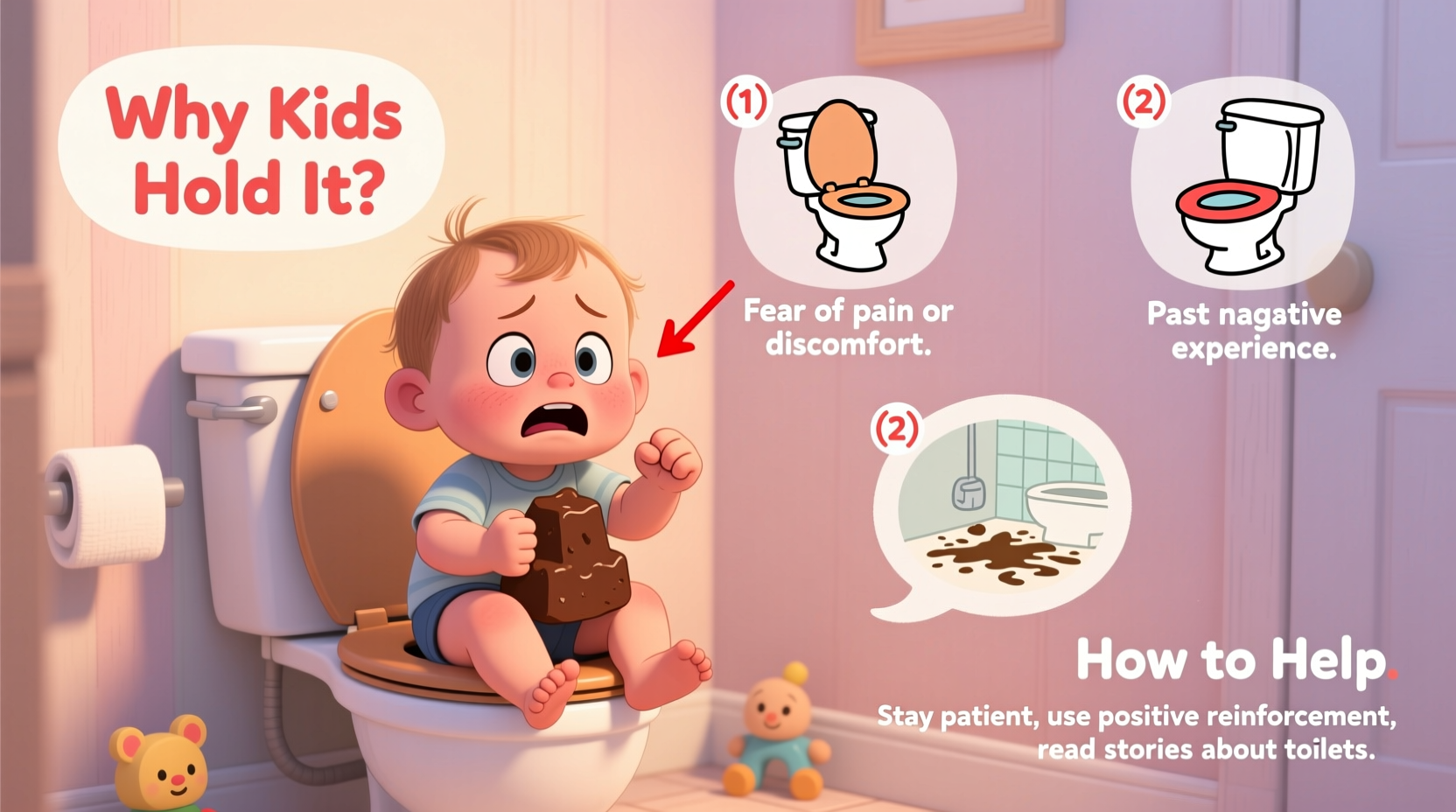
The first step in helping your toddler is recognizing that this behavior is rarely about willfulness. Instead, it’s typically a protective response rooted in physical discomfort or emotional anxiety.
- Painful bowel movements: If a child experiences pain during a previous bowel movement—often due to hard, large stools—they may begin to avoid pooping altogether. This avoidance leads to stool buildup, making the next bowel movement even more painful.
- Fear of the toilet: To a toddler, the toilet can be loud, cold, and intimidating. The sudden flush, the size of the bowl, or the sensation of something leaving their body into an unknown space can provoke anxiety.
- Developmental resistance: Toddlers are asserting independence during this stage. Potty training pressures can backfire, turning bathroom routines into power struggles.
- Change or stress: Major life changes—such as starting daycare, moving homes, or welcoming a new sibling—can disrupt a child’s routine and increase anxiety around bodily functions.
- Sensory sensitivities: Some children are overly sensitive to sensations. The feeling of needing to poop, the texture of wipes, or even sitting on a cold seat can be overwhelming.
When a child holds in stool, the rectum stretches over time. As it expands, the natural urge to go diminishes, leading to chronic constipation. This condition, known as “stool retention,” can cause abdominal pain, decreased appetite, and even soiling accidents (encopresis), where soft stool leaks around the hardened mass.
Recognizing the Signs of Stool Holding
Early detection is key to preventing long-term issues. Watch for these subtle and overt signs:
- Physical posturing: Your child may stand on tiptoes, rock back on their heels, or squeeze their buttocks together when trying to suppress the urge.
- Withdrawing to private spaces: Hiding behind furniture, going into corners, or locking themselves in rooms can signal they’re trying to hold it in.
- Infrequent bowel movements: Less than three times per week may indicate retention, especially if stools are large or hard.
- Abdominal bloating or pain: A distended belly or complaints of stomach ache are common.
- Soiling between bowel movements: Unintentional leakage of soft stool, often mistaken for diarrhea, is a classic sign of encopresis.
- Loss of appetite: A full rectum can press on the stomach, reducing hunger.
It’s important to note that some children may not show obvious signs until the problem becomes severe. Regular observation and open communication are essential.
Step-by-Step Guide to Helping Your Toddler Poop Comfortably
Reversing stool withholding requires consistency, empathy, and a structured approach. Here’s a proven sequence of steps to guide your child back to healthy bowel habits.
- Rule out medical issues: Consult your pediatrician to confirm whether constipation or another condition (like hypothyroidism or Hirschsprung’s disease) is contributing. A doctor may recommend a gentle laxative or stool softener to break the cycle.
- Establish a daily “potty sit” routine: After meals—especially breakfast—have your child sit on the toilet for 5–10 minutes, even if they don’t feel the urge. This takes advantage of the gastrocolic reflex, which naturally stimulates bowel movements after eating.
- Create a safe, inviting bathroom environment: Use a child-sized potty chair instead of the big toilet if possible. Add books, stickers, or a favorite toy to reduce anxiety. Let them decorate it to build ownership.
- Normalize the process: Read books about pooping, use dolls to demonstrate, or draw pictures of the digestive system. Knowledge reduces fear.
- Encourage hydration and high-fiber foods: Offer water throughout the day. Include fruits like pears, prunes, and apples; vegetables such as broccoli and peas; and whole grains like oats and brown rice.
- Avoid pressure and punishment: Do not scold, bribe, or force your child. Positive reinforcement—like praise or a sticker chart for sitting on the potty—is far more effective.
- Monitor progress and adjust: Keep a simple log of bowel movements, diet, and behavior. Share this with your pediatrician if progress stalls.
Do’s and Don’ts: Managing Toddler Bowel Anxiety
| Do’s | Don’ts |
|---|---|
| Use positive language: “Your body is doing great work!” | Say things like “Why won’t you just go?” |
| Offer a footstool for proper squatting posture | Force prolonged potty sits beyond 10 minutes |
| Give gentle belly massages to stimulate digestion | Ignore signs of constipation or pain |
| Stay calm during accidents—clean up matter-of-factly | React with frustration or disgust |
| Involve your child in choosing underwear or potty seat covers | Compare them to siblings or peers |
Real Example: How One Family Broke the Cycle
Lisa noticed her 3-year-old son, Noah, had stopped pooping in the potty. He’d hide in closets, cross his legs, and complain of stomachaches. After two weeks without a bowel movement, he began having accidents in his pants. Worried, Lisa took him to the pediatrician, who diagnosed functional constipation and recommended a stool softener.
At home, Lisa replaced the adult toilet seat with a colorful potty chair and let Noah pick out “poop books” from the library. Every morning after breakfast, she’d say, “Let’s see if your tummy wants to wave goodbye to yesterday’s food.” She never forced him to stay, but praised him for trying.
After five days, Noah finally passed a large stool while sitting on the potty—with tears, but also relief. Over the next month, with consistent routine and dietary changes, his bowel movements became regular. The soiling stopped, and his confidence grew.
“I realized he wasn’t being stubborn,” Lisa said. “He was scared. Once we removed the pressure, he started trusting his body again.”
Expert Insight: What Pediatric Specialists Say
“We often see parents interpreting stool holding as defiance. But it’s almost always fear-based. The key is to decouple the act of pooping from anxiety. That means no pressure, no punishment, and lots of reassurance.” — Dr. Rachel Nguyen, Pediatric Gastroenterologist
“The longer a child holds stool, the more the rectum loses its sensitivity. Early intervention with behavioral support and, when needed, medical treatment, prevents long-term complications.” — Dr. Alan Pierce, Child Development Specialist
Checklist: Action Plan for Parents
Use this checklist to create a supportive, effective plan at home:
- ✅ Schedule a pediatric check-up to rule out medical causes
- ✅ Introduce a daily potty sit after meals
- ✅ Increase fiber and fluid intake gradually
- ✅ Use a footstool to support knees above hips (squatting position)
- ✅ Create a calm bathroom space with books or toys
- ✅ Track bowel movements and behavior in a journal
- ✅ Practice positive reinforcement—praise effort, not outcomes
- ✅ Stay patient and consistent, even if progress is slow
Frequently Asked Questions
How long does it take to resolve stool withholding?
Every child is different. With consistent care, improvement can begin within a few days to a week. However, full resolution often takes several weeks or months, especially if constipation has been ongoing. Patience and persistence are crucial.
Should I use rewards for pooping?
While rewards like stickers or small prizes can encourage potty sitting, avoid tying them directly to pooping. This can create performance pressure. Instead, reward participation and bravery. For example: “I’m so proud you sat on the potty today!”
Is it normal for my toddler to poop every few days?
Some variation is normal, but fewer than three bowel movements per week—especially if stools are hard or painful—may indicate constipation. Infrequent pooping combined with withholding behaviors should be addressed early.
Conclusion: Rebuilding Trust in the Process
Helping your toddler overcome their fear of pooping isn’t just about physical comfort—it’s about restoring trust in their body and in you as a caregiver. When a child feels safe, supported, and free from judgment, they’re far more likely to relax and let nature take its course.
This journey requires empathy, consistency, and time. There will be setbacks, accidents, and moments of frustration. But each small victory—whether it’s a successful potty sit or a pain-free bowel movement—builds confidence and moves your child closer to lasting relief.




 浙公网安备
33010002000092号
浙公网安备
33010002000092号 浙B2-20120091-4
Comments
No comments yet. Why don't you start the discussion?